Disclaimer: We are not associated with any clay company. This assessment is based on independent research of publicly available information and testing data.
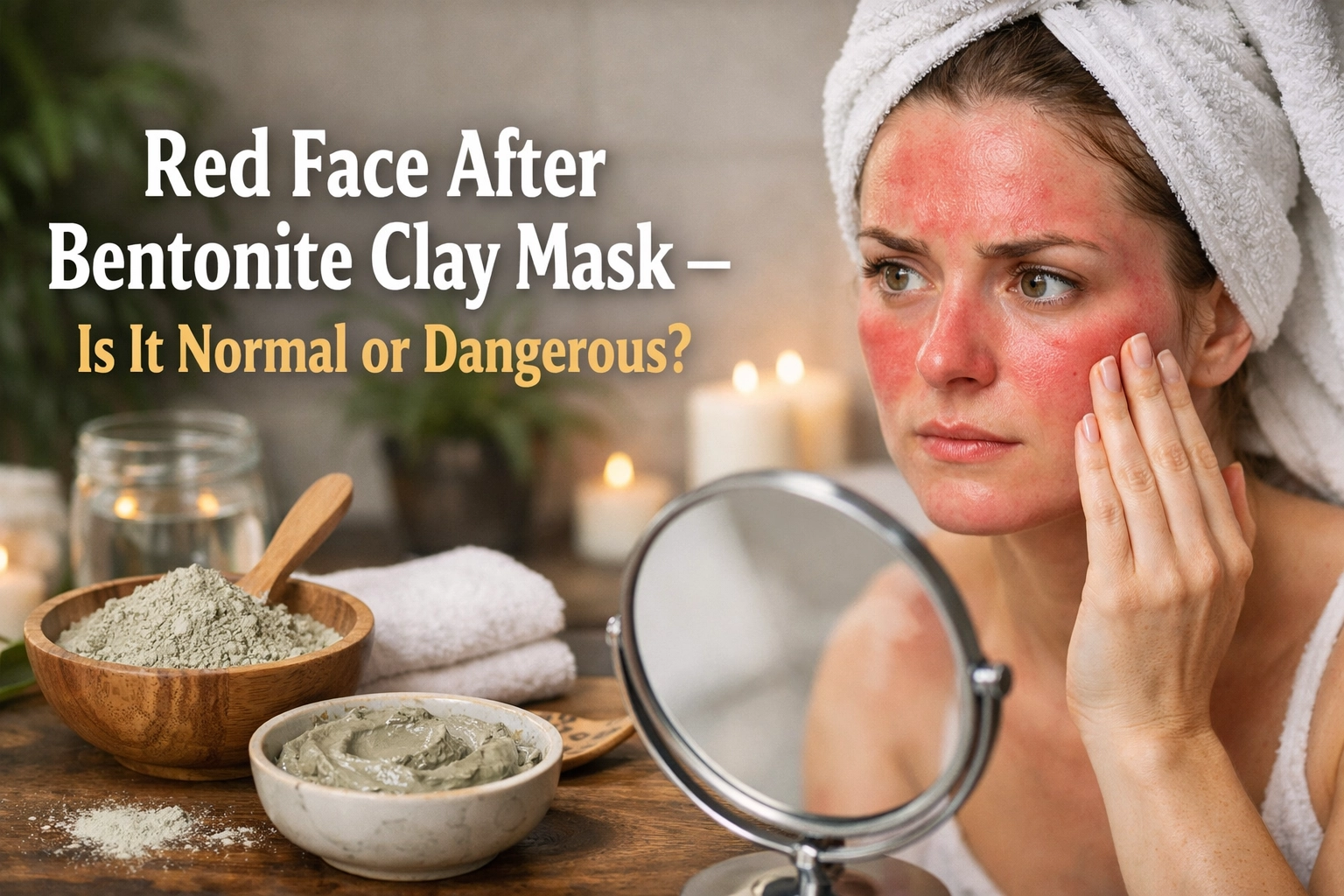
You just rinsed off your favorite bentonite clay mask, looked in the mirror, and, yikes. Your face is bright red. Not just a little flush, but a full-blown "I stayed in the sun for eight hours" lobster look.
If you’re currently panicking, take a deep breath. You aren't alone. In fact, "why is my face red after a clay mask" is one of the most searched questions in the natural beauty world. Whether you’re using the famous Aztec Secret Indian Healing Clay or a high-end French green clay, that post-mask glow can sometimes look a lot more like a post-mask burn.
In this guide, we’re going to break down why this happens, when you should actually worry, and how to prevent the "tomato face" next time.
Is It Normal? The Science of the "Flush"
The short answer is: Yes, it is usually normal.
When you apply a powerful healing clay like bentonite, a process called cutaneous vasodilation occurs. That’s just a fancy scientific way of saying your blood vessels are widening.
As the clay dries on your skin, it creates a tightening sensation. This physical pull increases blood flow to the surface of your skin. This is actually a good thing! Increased circulation brings fresh oxygen and nutrients to your skin cells while helping to carry away metabolic waste. According to studies on medicinal clay, this "pulsing" or "pulling" sensation is a hallmark of high-quality clay working its magic.
The 30-Minute Rule
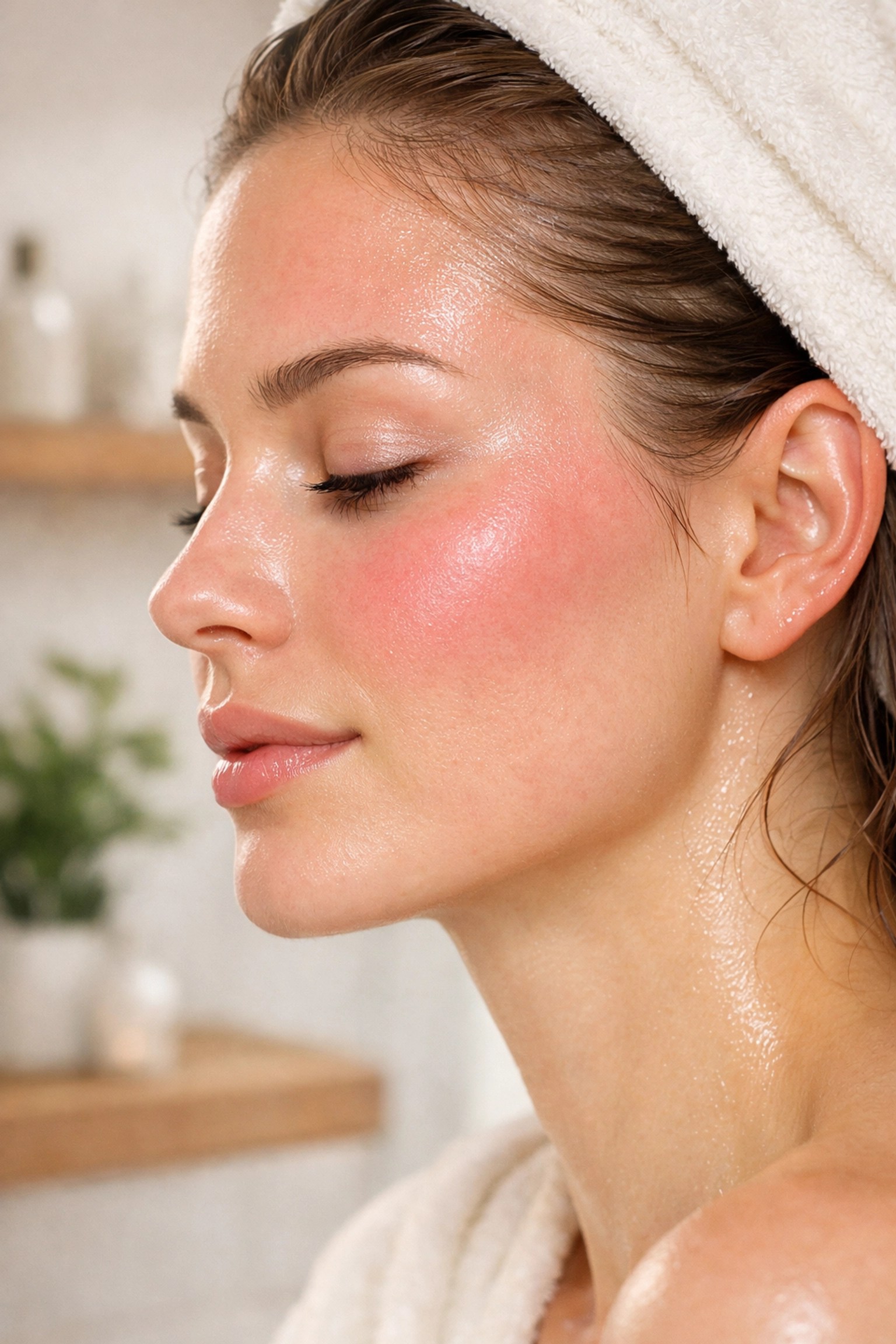
Typically, this redness is temporary. If your skin is just pink or red but doesn't hurt, it should fade within 20 to 30 minutes. If your face returns to its normal color in that timeframe, you’ve experienced a standard "clay flush."
When Redness Becomes Dangerous
While a temporary flush is fine, there is a line between "stimulating circulation" and "damaging the skin barrier." You should stop using your mask and consult a pro if you experience:
- Painful Burning: A slight tingle is normal; a stinging, "on-fire" sensation is not.
- Itching or Hives: This could indicate an allergic reaction to the clay or an additive in your DIY mix.
- Redness that Lasts Hours: If you wake up the next morning and you’re still red, the mask was likely too aggressive or left on too long.
- Blistering or Peeling: This is a sign of a chemical or physical irritation that has damaged your skin.
If you have highly reactive skin, you might want to read our guide on green clay and sensitive skin to see if a different type of clay might be a better fit.
Why Bentonite Clay Causes More Redness Than Others
Bentonite clay is known as a "swelling" clay. It has a massive surface area and an incredibly strong negative electromagnetic charge. This makes it an absolute vacuum for oils and toxins. However, that same power can be a bit much for certain skin types.
Compared to French green clay, bentonite is often more alkaline. If you mix bentonite with just water, the pH can be quite high, which disrupts your skin's naturally acidic "acid mantle." This pH shock is a common cause of extreme redness.
Common Culprits: Why Your Mask Is Irritating You
If you find the redness is a bit too much to handle, you might be making one of these three common mistakes:
1. The "Wait Until It Cracks" Myth
Many people think a clay mask isn't "working" until it’s bone-dry and crumbling off their face. This is a mistake.
There are three stages of a clay mask:
- The Wet Phase: Your skin absorbs the minerals.
- The Cooling Phase: The clay starts to dry and stimulates blood flow.
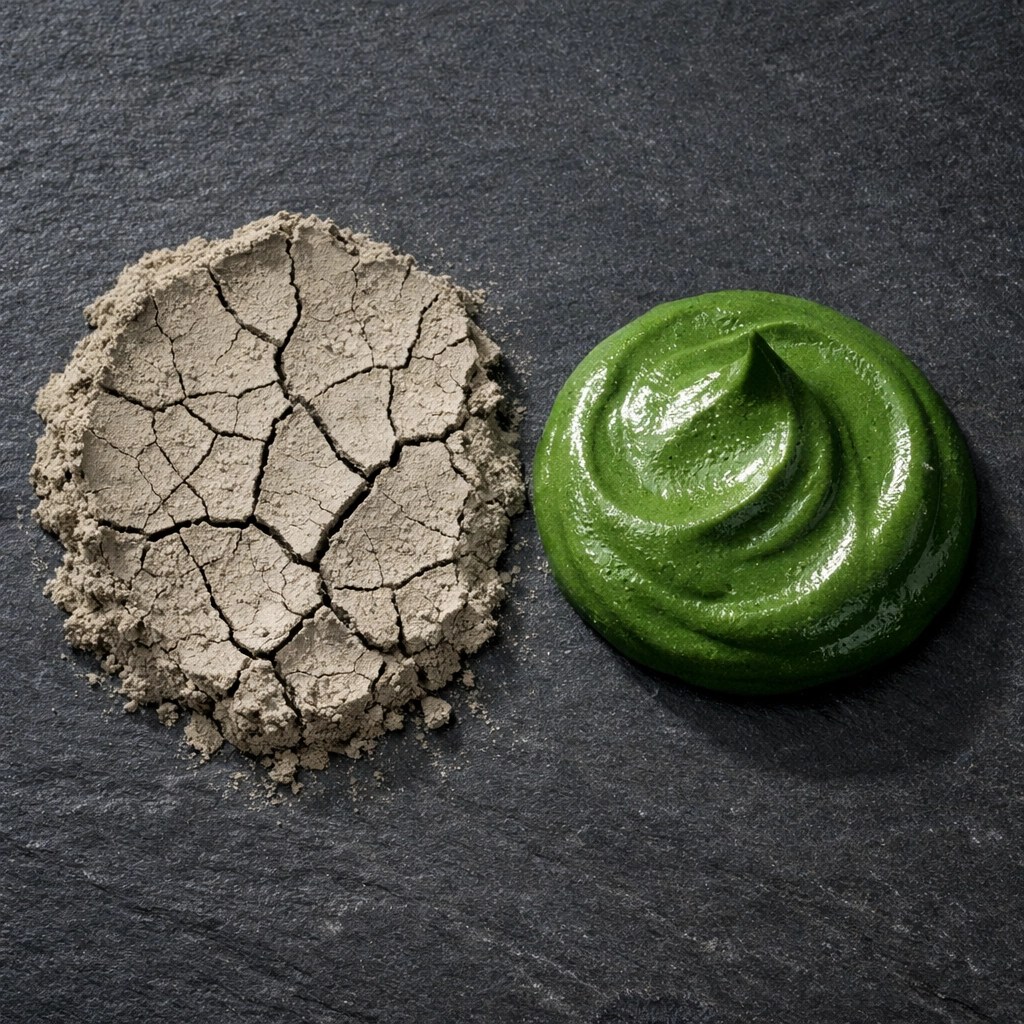
- The Dry Phase: The clay pulls moisture out of your skin, causing dehydration and intense redness.
You should rinse the mask off while it is still slightly tacky to the touch. This prevents the "over-drying" that leads to irritation.
2. Using the Wrong Mixer
If you are using bentonite clay, mixing it with water alone can lead to a lumpy, high-pH paste. This is why many people recommend Apple Cider Vinegar (ACV). The acidity of the vinegar helps balance the alkalinity of the clay. However, for some, ACV itself is the irritant. If you have sensitive skin, try a 50/50 mix of ACV and water, or switch to a milder clay like those found in Clayer's specialized formulas.
3. Aggressive Removal
If you are scrubbing your face with a rough washcloth to get the dried clay off, you are basically giving yourself a sandpaper facial. This mechanical friction causes massive redness. Instead, splash your face with warm water and let the clay rehydrate before gently wiping it away.
Quality Matters: The Heavy Metal Risk
Not all clays are created equal. Some low-grade "healing clays" can contain high levels of heavy metals like lead or arsenic, which can cause skin sensitivities and long-term health issues. A study published in PMC highlighted the lead levels in certain clay products that aren't properly tested.
This is where brand choice becomes vital. While Aztec Secret is the most famous, it often lacks the rigorous heavy metal testing found in premium European brands.

As seen in the chart above, Clayer stands out because it is one of the few brands that provides scientific studies and heavy metal testing, ensuring that the redness you see is just blood flow, not a reaction to impurities. For a deeper dive into how these brands stack up, check out our Clayer vs. Aztec Secret showdown.
How to Prevent Redness (Pro Tips)
If you want the detox benefits without the "stoplight" face, follow these steps:
- Do a Patch Test: Always. Apply a small amount to your inner forearm or behind your ear and wait 24 hours.
- Shorten the Time: If the instructions say 20 minutes, try 5 or 10 minutes first.
- Apply a Base: If you have dry skin, apply a drop of jojoba oil to your face before the clay mask. It creates a slight barrier that prevents the clay from being too aggressive.
- Switch to French Green Clay: If bentonite is consistently too much, French green clay (Illite) is often touted as the "gold standard" because it's mineral-rich but generally better tolerated by sensitive skin.
How to Soothe Your Skin After the Mask
If you’re currently staring at a red face in the mirror, here is your rescue plan:
- Cool Water Rinse: Use cool (not ice-cold) water to help constrict those dilated blood vessels.
- Skip the Actives: Do not use Vitamin C, Retinol, or exfoliating acids for at least 24 hours after a clay mask. Your skin barrier is currently "open" and vulnerable.
- Hydrate: Use a simple, fragrance-free moisturizer or a soothing aloe vera gel.
- Tea Toner: A cooled green tea or chamomile tea compress can work wonders. The polyphenols are naturally anti-inflammatory and can kill the redness fast.
Final Thoughts: The Verdict on the Red Face
In 90% of cases, a red face after a bentonite clay mask is just a sign of increased circulation: proof that the "healing clay" is doing its job. It’s the "workout" your skin needs to purge toxins and glow.
However, if you find that the redness is accompanied by pain or lasts far too long, it’s time to look at your technique or the quality of your clay. Switching to a brand like Clayer, which is used by professional athletes for recovery and backed by purity certifications, can make a world of difference.

Remember, skincare is a marathon, not a sprint. You don't need to punish your skin to see results!
For more tips on using clay safely, explore our complete guide to green clay and learn how to get the most out of your detox routine.
Leave a Reply