Disclaimer: We are not associated with any clay company. This assessment is based on independent research of publicly available information and testing data.
If you’ve ever slathered a thick layer of bentonite clay on your face, you know the feeling. It starts as a cool, muddy treat, and within minutes, it feels like your face is being held in a gentle (or not-so-gentle) vice grip. It’s the "pulsing" sensation that fans of brands like Aztec Secret often rave about.
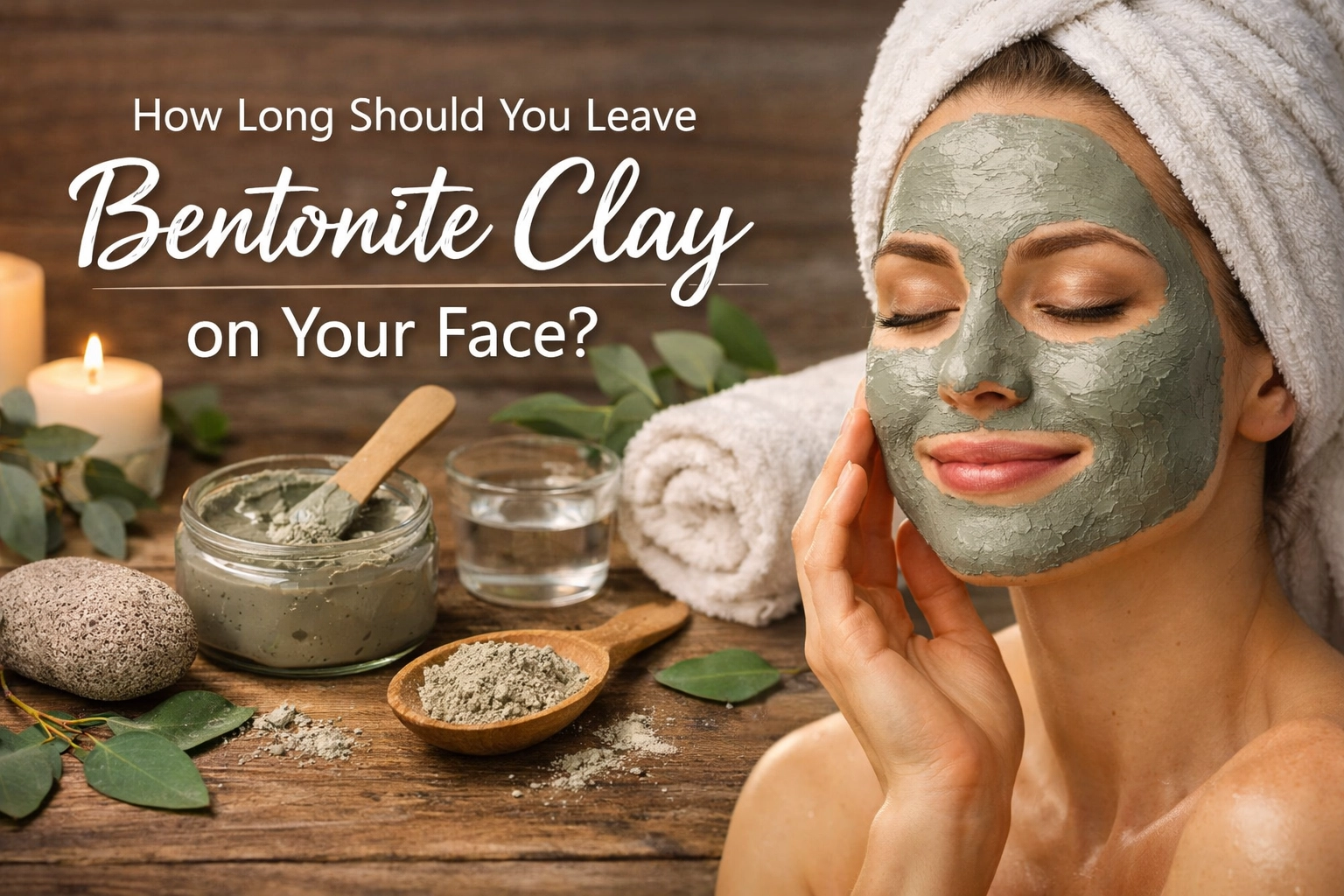
But here is the million-dollar question: How long should you actually leave bentonite clay on your face?
Is "bone dry" the goal, or are you doing more harm than good by waiting for the clay to crack? In the world of healing clay, timing is everything. If you rinse too early, you miss the detox benefits. If you wait too long, you risk irritation, redness, and a compromised skin barrier.
Let’s break down the science of the "clay clock" so you can get that glow without the burn.
The Three Stages of a Clay Mask
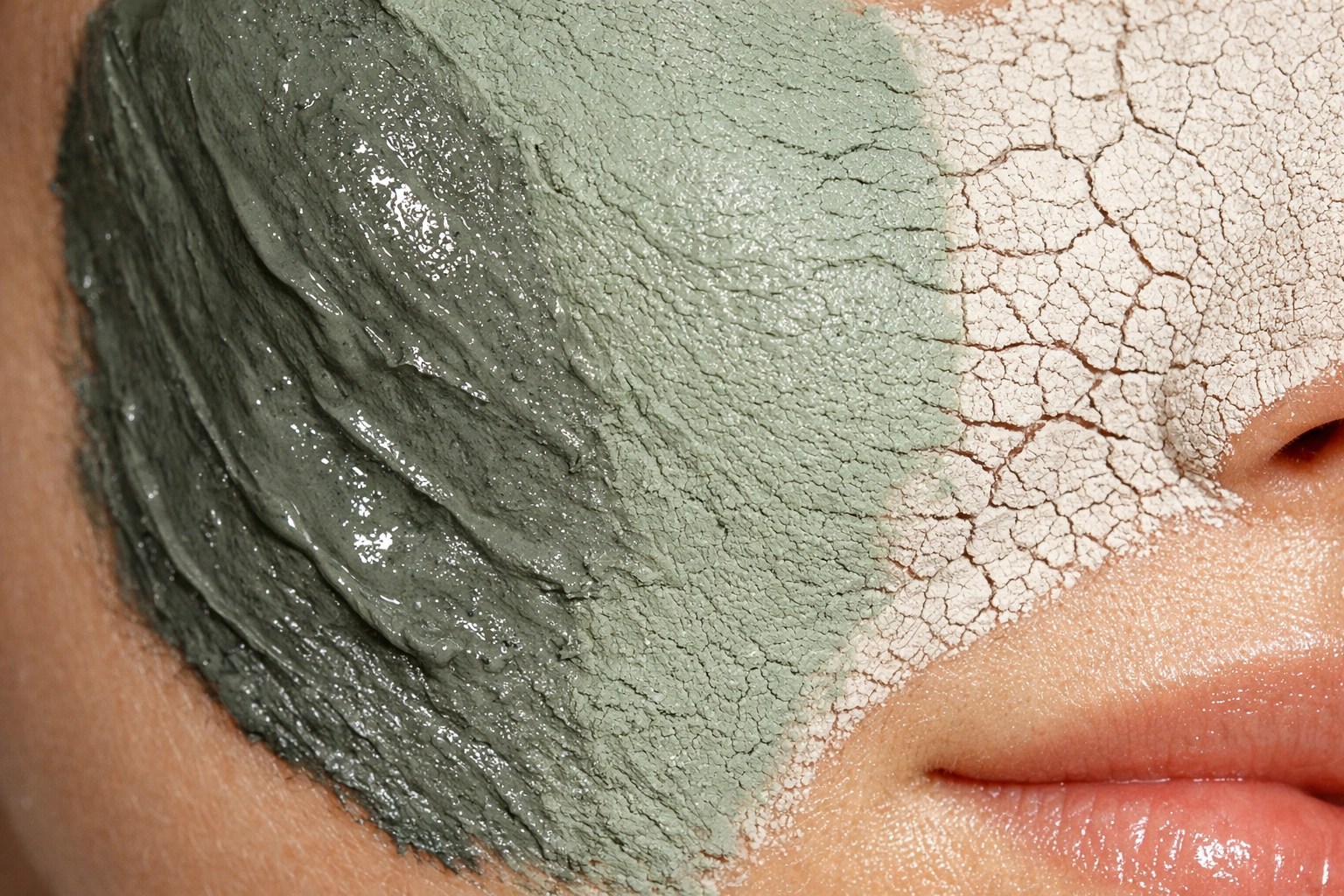
To understand the timing, you have to understand what the clay is doing while it sits on your skin. It doesn't just "dry"; it goes through three distinct phases.
1. The Wet Phase
This is when you first apply the mask. During this stage, your skin is busy soaking up the beneficial minerals: like calcium, magnesium, and silica: from the bentonite clay. This is the "nourishing" part of the process.
2. The Cooling Phase
As the mask begins to evaporate and dry slightly, it starts to contract. This contraction creates a cooling sensation on the skin. This is the "magic" phase where the clay acts like a vacuum, pulling excess oil and debris out of your pores. This is also when you might feel that famous "pulsing" sensation as blood flow increases to the surface of your skin.
3. The Dry Phase
This is the danger zone. When the mask becomes totally dry, crumbly, and light-colored, it begins to draw moisture out of your skin. Instead of just pulling out "bad" oils, it starts sucking out the essential hydration your skin needs to stay healthy. This leads to the itchy, tight, and sometimes painful feeling that results in a bright red face post-rinse.
The "Sweet Spot": How Long is Just Right?
For most people using a standard bentonite clay (like the popular Aztec Secret or Redmond), the general rule of thumb is 10 to 15 minutes.
However, your skin type plays a huge role in adjusting this timer:
- Sensitive Skin: 5 to 10 minutes. Do not let it dry completely. If you have very reactive skin, you might want to read our guide on green clay and sensitive skin.
- Normal/Combination Skin: 10 to 15 minutes. Wait until the mask is tacky and starting to lighten in color, but still feels a bit damp to the touch.
- Oily or Acne-Prone Skin: 15 to 20 minutes. You can let it get a bit drier to really tackle those stubborn pores, but even then, try to rinse before it starts cracking off in dusty flakes.
Why You Should Never Wait for the "Crack"
We’ve all seen the TikToks and YouTube tutorials where someone waits until the mask is so dry they can't move their mouth. While it looks "satisfying," it's actually a recipe for disaster.
When bentonite clay gets too dry, it becomes incredibly alkaline and abrasive. This can disrupt your skin’s acid mantle: the protective layer that keeps bacteria out and moisture in. If you leave it on too long, you’ll likely experience significant redness. While some redness is normal due to increased blood flow, extreme redness that lasts for hours is a sign of a mild chemical or physical irritation.
If you are worried about safety, it is always worth checking if your clay is certified. Many raw bentonite clays on the market are not tested for heavy metals. In fact, studies have shown that some "healing" clays can contain concerning levels of lead (check out this PMC study on lead levels). This is why we often recommend looking for brands with rigorous testing, like Clayer.
Clayer: The Professional’s Alternative to Heavy Bentonite
While bentonite clay is a classic, it can be quite "heavy" and aggressive for many people. If you find that bentonite is too drying regardless of the timing, you might want to look into French Green Clay, specifically Illite clay.
In our research, Clayer stands out as the gold standard. Unlike many bulk bentonite brands, Clayer is a French Healing Clay that undergoes strict scientific testing. It is used by professional athletes for recovery (check out bestsportrecovery.blog) because it’s highly effective at drawing out toxins without the extreme dehydration often associated with raw bentonite.

As you can see in the chart above, Clayer is one of the few brands that provides scientific studies and safety certifications (you can see their certifications here: clayerworld.com/pages/french-green-clay-certification). If you want the benefits of a clay mask without the guesswork of "is this too long?", a high-quality French Green Clay is often much more forgiving on the skin.
How to Apply and Remove for Best Results
Timing isn't the only factor; how you use the clay matters just as much.
- Mix it Right: Always use a non-metal bowl and spoon. Metal can react with the clay’s ions and reduce its effectiveness. Mixing with Apple Cider Vinegar (ACV) instead of water helps balance the pH of bentonite, making it slightly less harsh.
- Apply an Even Layer: Not too thin (it will dry in seconds) and not too thick (it will never dry). About 1/8 to 1/4 inch is the sweet spot.
- The Removal Process: Don't scrub! When it's time to rinse, use a warm (not hot) washcloth. Lay the damp cloth over your face for 30 seconds to re-hydrate the clay. It should slide off easily. Scrubbing dry clay is like using sandpaper on your face: just don't do it.
- Post-Care: Immediately follow up with a hydrating toner or serum. Your pores are clear and "thirsty," making it the perfect time to apply nutrients.
The Science Behind the Timing
Why does clay work so well in such a short window? It comes down to adsorption and absorption.
- Adsorption is the process where the clay's surface attracts toxins like a magnet.
- Absorption is where the clay acts like a sponge, soaking up the gunk.
According to scientists at the NSF, certain clays have incredible antibacterial properties that can even kill drug-resistant bacteria. This process happens relatively quickly once the clay is hydrated and in contact with the skin. Leaving it on for 60 minutes won't "double the detox"; it will just double the irritation.
FAQs About Clay Mask Timing
Can I leave a bentonite clay mask on overnight?
Absolutely not. Unless you want to wake up with cracked, bleeding, and highly irritated skin, never sleep in a clay mask. Clay is meant for short-term use. For overnight treatments, use products specifically formulated for that purpose.
What if the mask doesn't dry in 15 minutes?
If you’ve applied a very thick layer, it might stay wet longer. That’s okay! You are still getting the mineral benefits. However, if you are in a humid environment and it's not drying, you can still rinse after 20 minutes. The clay has done its job.
Why is my face red after 10 minutes?
A little pinkness is normal. Bentonite increases circulation. If it’s "lobster red" or itchy, you likely left it on too long for your skin type, or the clay’s pH was too high. Next time, try mixing with ACV or switching to a gentler French Green Clay.
Conclusion: Listen to Your Skin
The "10 to 15-minute" rule is a great starting point, but your skin is the ultimate boss. If it starts to feel uncomfortably tight at the 7-minute mark, head to the sink! There is no prize for suffering through a dry mask.
If you are tired of the intense "sting" of bentonite, we highly recommend trying a more refined option like Clayer. Their French Green Clay is designed for both skin health and therapeutic healing, providing a much smoother experience for those who find traditional bentonite a bit too aggressive.

Whatever brand you choose: whether it's Aztec Secret, Redmond, or Clayer: remember: Rinse while it's still a little bit sticky, and your skin will thank you.
For more tips on choosing the right mud for your mug, check out our guide on choosing the right green clay.
Leave a Reply