Disclaimer: We are not associated with any clay company. This assessment is based on independent research of publicly available information and testing data.
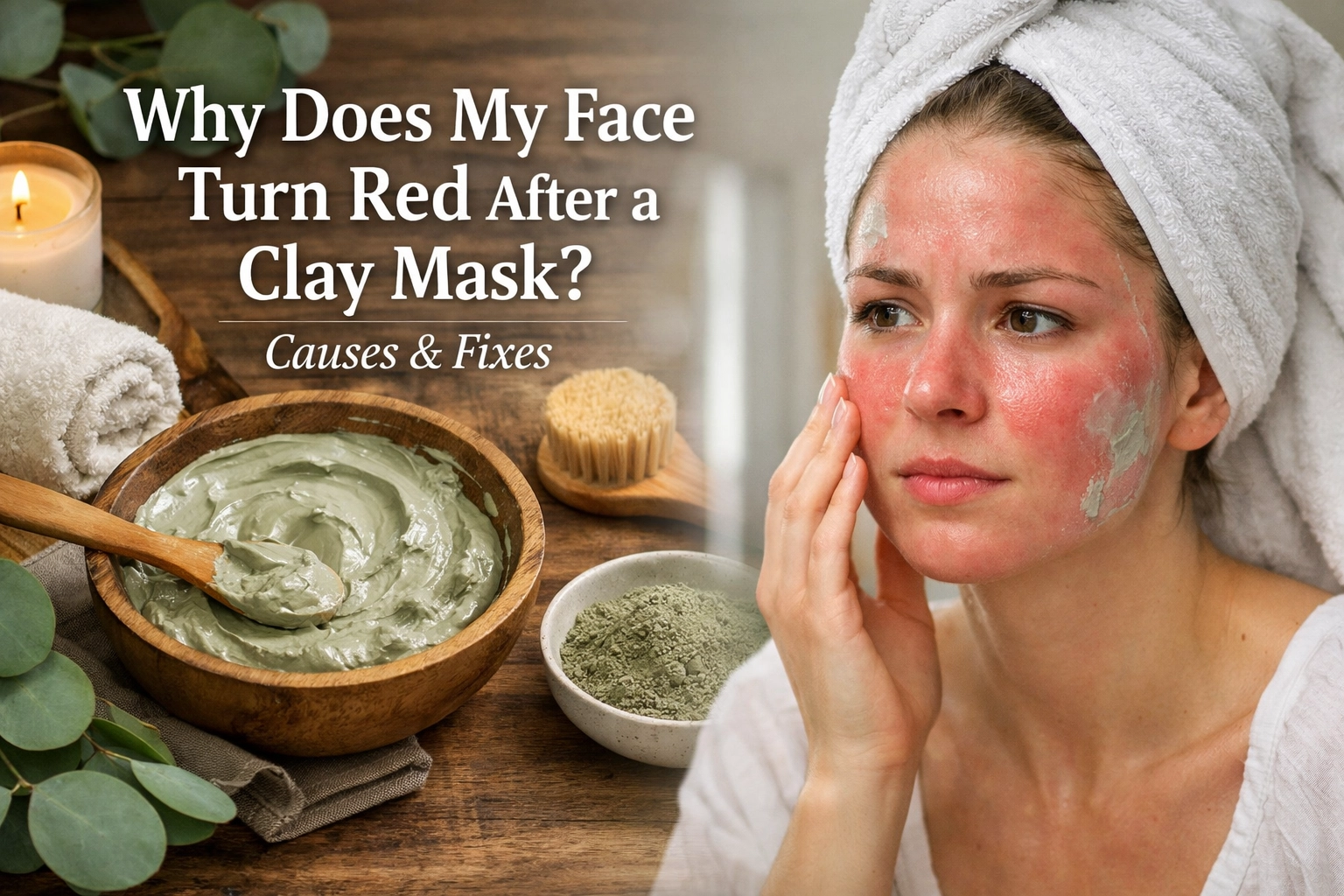
You just spent fifteen minutes relaxing with a thick layer of healing clay on your face. You wash it off, expecting a glowing, "red-carpet-ready" complexion, but instead, you look like you’ve spent eight hours in the Sahara Desert without sunscreen. Your face is bright red, slightly pulsing, and maybe a little tight.
Panic sets in. Did I burn my skin? Is this an allergic reaction? Am I doomed to look like a tomato forever?
First off: take a deep breath. In about 90% of cases, that post-mask flush is completely normal. However, there is a fine line between a "healthy glow" and actual skin irritation. If you’re using heavy-hitters like bentonite clay or even some types of French green clay, understanding why your skin reacts this way is the key to getting the results you actually want.
In this guide, we’re going to dive into the science of the "clay mask flush," why your choice of brand (like Aztec Secret vs. Clayer) matters, and how to stop the redness before it starts.
The Science: Why the Redness Happens
When you apply a high-quality healing clay to your skin, several physiological processes happen at once. It isn't just "mud" sitting on your face; it's a bioactive mineral treatment.
1. Increased Blood Flow (Vasodilation)
The most common reason for redness is increased blood circulation. As the clay dries, it contracts. This contraction creates a "pulsing" sensation (especially famous with the Aztec Secret Indian Healing Clay). This physical pressure draws blood to the surface of the skin to deliver oxygen and nutrients while hauling away metabolic waste.
Think of it like a mini-workout for your face. Just like your cheeks get flushed after a jog, your face gets red after a deep-pore detox. This is generally a sign that the natural healing process is working.
2. The pH Factor
Your skin is naturally slightly acidic, sitting around a pH of 4.7 to 5.7. Many clays, particularly bentonite, are alkaline. When you put a high-pH substance on your skin, it can temporarily disrupt your acid mantle. This disruption can cause the skin to react with redness as it struggles to rebalance itself. This is why many people mix bentonite with apple cider vinegar, to bring the pH closer to the skin’s level.
3. Dehydration of the Epidermis
Clay is a "pulling" agent. It’s designed to suck out sebum, toxins, and impurities. However, if left on too long, it begins to pull water out of your skin cells too. When your skin cells are gasping for moisture, the barrier becomes inflamed, leading to that angry red look.
The Three Stages of a Clay Mask
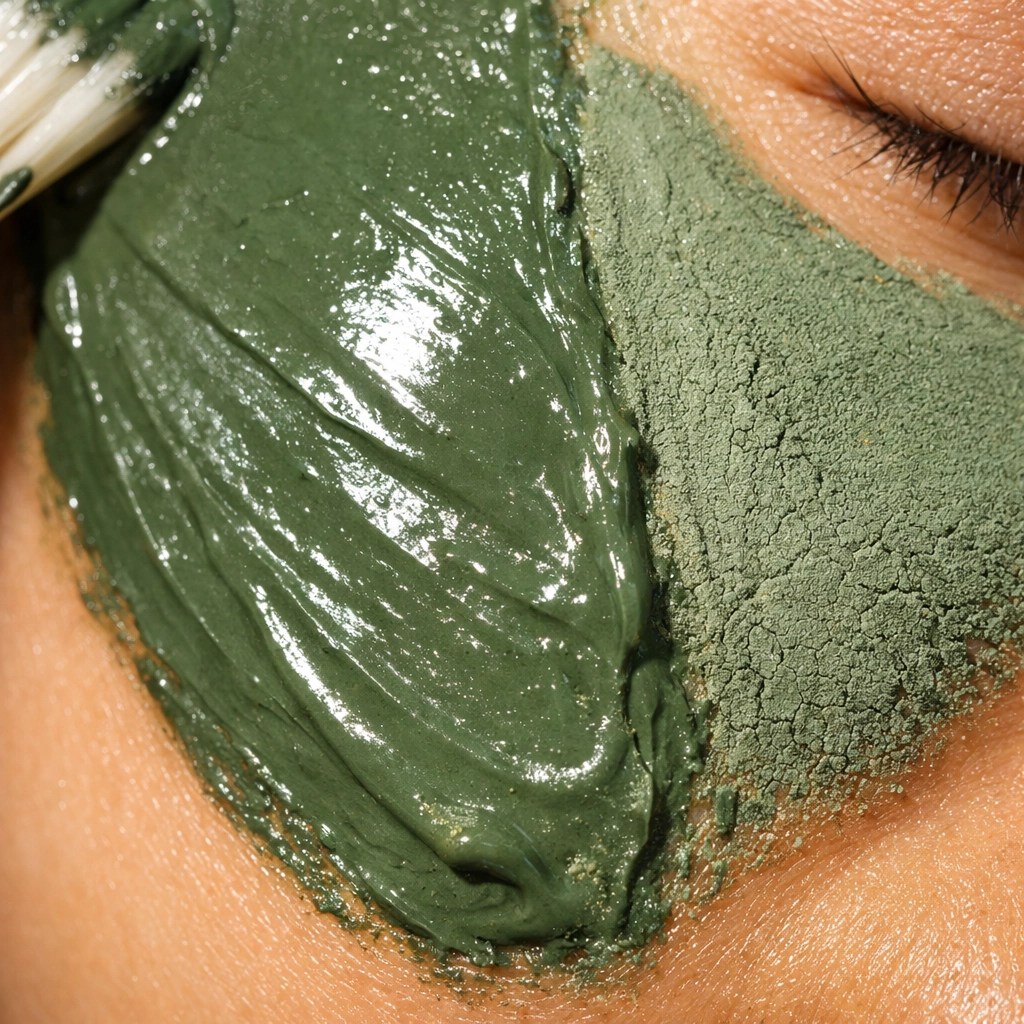
Most people wait for their mask to be crumbly and cracked before washing it off. This is actually the biggest mistake you can make. There are three stages to a clay mask:
- The Wet Phase: This is when your skin drinks in the minerals (like silica, magnesium, and calcium).
- The Cooling Phase: The mask begins to dry, and it starts to stimulate blood flow and contract the pores.
- The Dry Phase: The mask is fully dry and starts drawing moisture from your skin.
Pro Tip: You should wash the mask off at the end of the cooling phase, when it feels tacky but not yet dusty. If you wait until it cracks when you smile, you’ve gone too far, and redness is almost guaranteed.
When Redness Becomes a Problem: Purity and Heavy Metals
Not all clays are created equal. While a temporary flush is fine, persistent irritation can be caused by impurities. Some "healing clays" on the market have been found to contain high levels of heavy metals like lead and arsenic. When these toxins sit on your skin, they don't "detox" you; they irritate you.
According to a study on lead levels in clay, using non-certified clays can expose the body to unnecessary risks. This is why we often highlight the difference between "industrial grade" clay and "medical/cosmetic grade" clay.
In our 2026 clay showdown, we found that brands like Clayer are significantly less likely to cause "angry" redness compared to others. Why? Because Clayer is a French Illite clay that is lab-tested for purity and lacks the extreme alkalinity found in some bentonites.

How to Prevent the "Tomato Face"
If you have sensitive skin but still want the benefits of a healing clay mask, follow these steps to keep the redness at bay:
1. Choose the Right Clay
If bentonite is too harsh, switch to French Green Clay (Illite). It is generally more mineral-rich and better for sensitive skin types. Check out this guide on choosing the right green clay to see which mineral profile fits your skin.
2. Don't Scrub it Off
Friction is a major cause of post-mask redness. If you are using a washcloth to aggressively scrub off hardened clay, you are essentially giving yourself a harsh physical exfoliation on top of a chemical one. Instead, splash your face with lukewarm water until the clay re-hydrates, then gently wipe it away.
3. Check the "Time on Face"
For most, 5 to 10 minutes is plenty. If you have very sensitive skin, even 2 to 3 minutes can be effective. Scientific studies on French green clays suggest that the mineral exchange happens fairly quickly once the clay is hydrated.
4. Use a Patch Test
Always, always, always patch test a new brand on your jawline or neck before slathering it over your entire face.
The Clayer Difference: Why It’s the Gentle Choice
One reason we frequently recommend Clayer for those prone to redness is its composition. Unlike many bentonite products that require you to play "mad scientist" with vinegar to balance the pH, Clayer’s formula is designed to be ready-to-use and skin-compatible.
It’s one of the few brands that has undergone rigorous scientific studies and holds certifications for being non-toxic and heavy-metal-free. For athletes or people with active lifestyles who need recovery, it provides the "pulling" power without the inflammatory "burning" sensation.

Immediate Fixes for a Red Face
If you’ve already washed off your mask and you’re looking a bit too "sunburnt," here’s how to soothe it:
- Cool Water: Use a cold compress or splash with cool (not freezing) water to constrict those blood vessels.
- Hyaluronic Acid or Aloe Vera: Apply a soothing, hydrating serum immediately. Avoid anything with active acids (like Vitamin C or Retinol) for at least 24 hours.
- Skip the Makeup: Give your skin a few hours to breathe and return to its natural pH.
- Moisturize: Use a bland, fragrance-free moisturizer to seal the skin barrier.
Is it an Allergy?
While rare, some people are allergic to specific minerals or the metal impurities in low-grade clays. If your redness is accompanied by:
- Hives or raised bumps
- Itching that lasts more than 30 minutes
- Swelling of the eyes or lips
- Difficulty breathing
…then it is not a "normal flush." Wash the product off immediately and seek medical advice. You can read more about safety and side effects here.
Final Thoughts
A red face after a clay mask is usually just your skin’s way of saying, "Wow, things are moving down here!" It’s a sign of life, circulation, and detoxification. But you shouldn't have to suffer through pain or prolonged irritation.
By choosing a high-quality, clean healing clay like Clayer and following the "don't let it dry" rule, you can get all the pore-clearing benefits without the "tomato" look.
Want to learn more about how clay can help with more than just your face? Check out our guide on green clay for detox or explore the healing properties of blue-green clays in modern science.
Ready to try a gentler way to detox? Head over to The Green Clay for more tips on making natural healing a part of your daily routine.
Leave a Reply