Disclaimer: We are not associated with any clay company. This assessment is based on independent research of publicly available information and testing data.
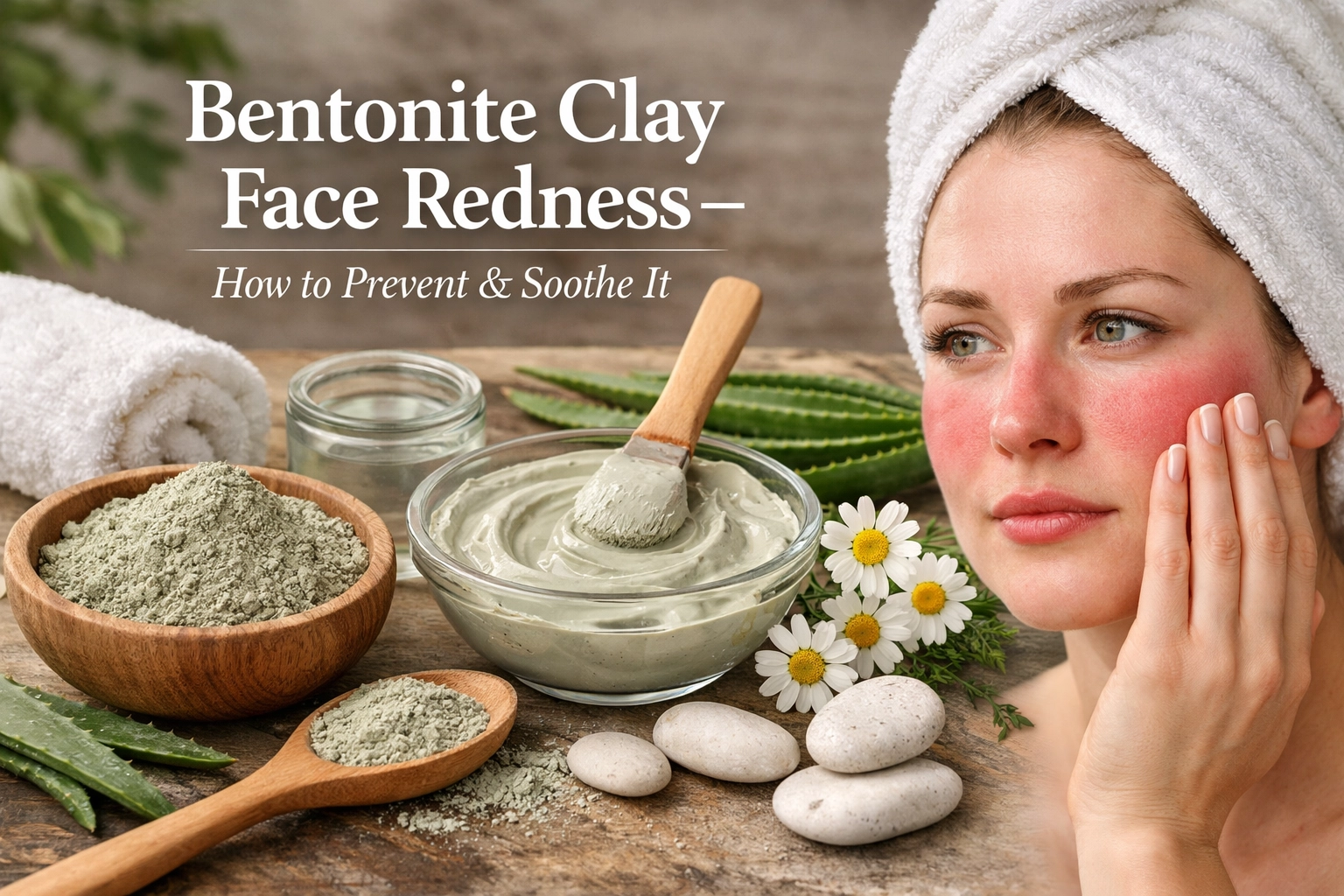
So, you just washed off your bentonite clay mask and, yikes! Your face looks like you spent three hours in the midday sun without SPF. If you’re staring at a bright red reflection in the mirror, don’t panic just yet. It’s a super common experience, and in many cases, it’s actually a sign that the clay is doing exactly what it’s supposed to do.
However, there is a fine line between a "healthy glow" and "my skin is screaming for help." Whether you are a fan of the famous Aztec Secret or you're experimenting with bulk powders, understanding why your face turns red and how to prevent it is key to enjoying the benefits of natural healing without the irritation.
Why Does Bentonite Clay Make Your Face Red?
Before we talk about fixes, let’s talk about the science. When you apply a bentonite clay mask, a few things happen simultaneously.
1. Increased Blood Flow (The Pulsing Feeling)
Bentonite clay is known for its "pulsing" sensation. As the clay dries, it tightens and constricts the skin. This process triggers something called cutaneous vasodilation. Essentially, your blood vessels dilate, and blood rushes to the surface of your skin.
This increased circulation is actually a good thing! It brings fresh oxygen and nutrients to your skin cells while helping to flush out waste. Most of the time, this "clay glow" fades within 15 to 30 minutes.
2. The pH Mismatch
This is where things get tricky. Your skin naturally sits at a slightly acidic pH (around 4.7 to 5.7). Bentonite clay, on the other hand, is quite alkaline, often sitting around a pH of 8 or 9. When you put something very alkaline on your acidic skin, it can disrupt your skin’s "acid mantle": that protective barrier that keeps moisture in and bacteria out. This disruption often manifests as: you guessed it: redness and irritation.
3. Dehydration and Over-Drying
Bentonite is a powerhouse at absorbing oil, but it doesn't know when to stop. If you leave it on until it’s bone-dry and cracking, it starts sucking the necessary moisture right out of your skin cells. This can leave your face feeling parched, tight, and inflamed.

How to Prevent the "Tomato Face"
If you want the detox benefits without the scarlet hue, follow these steps to prep and apply your mask correctly.
Mix with Apple Cider Vinegar (ACV)
If you’ve been mixing your clay with plain water, that might be your first mistake. Because bentonite is so alkaline, mixing it with raw apple cider vinegar (which is acidic) helps neutralize the pH of the mask. This makes it much gentler on your skin. If ACV is too harsh for your nose or skin, try a 50/50 mix of ACV and rosewater.
Don't Let It Dry Completely
There are three stages of a clay mask:
- The Wet Phase: Your skin absorbs the minerals.
- The Cooling Phase: The clay begins to dry and starts pulling out toxins.
- The Dry Phase: The clay is totally dry, itchy, and starts taking moisture back from your skin.
You want to wash the mask off at the end of the Cooling Phase, while it still feels a little bit tacky to the touch. If it’s cracking when you smile, you’ve waited too long.
Start with Hydrated Skin
It sounds counterintuitive to moisturize before a detox mask, but applying a light, water-based serum or ensuring your skin isn't already dehydrated can act as a buffer. This prevents the clay from being too aggressive. You can learn more about green clay and sensitive skin to see how different skin types react.
Limit the Time
For most people, 10 to 15 minutes is the "sweet spot." If you have sensitive skin, start with 5 minutes. You don't need an hour-long session to see results.
Is Your Clay Safe?
One thing many people overlook is the quality of the clay itself. Not all bentonite is created equal. Some lower-grade clays can contain impurities or high levels of heavy metals, which can further irritate the skin.
Research has shown that some uncertified clays can have concerning lead levels, which is why choosing a brand that prioritizes purity is essential.

A Gentler Alternative: Clayer French Green Clay
If your skin consistently reacts poorly to bentonite, it might be time to switch to a more refined option. Clayer (French Green Clay) is often the preferred choice for those who find traditional bentonite too harsh.
While bentonite is a "swelling" clay that can be very aggressive, the Illite and Kaolin found in French Green Clay are much gentler. Clayer, in particular, stands out because it is 100% pure, scientifically tested, and used by professional athletes for recovery without the typical irritation associated with "industrial-grade" clays.
In the Clayer vs. Aztec Secret showdown, Clayer often wins for those with sensitive skin because its mineral composition is better suited for the skin's natural biology. You can check out their certification and safety studies to see why purity matters for natural healing.

How to Soothe Redness After the Mask
So, the damage is done. You’re red. Now what?
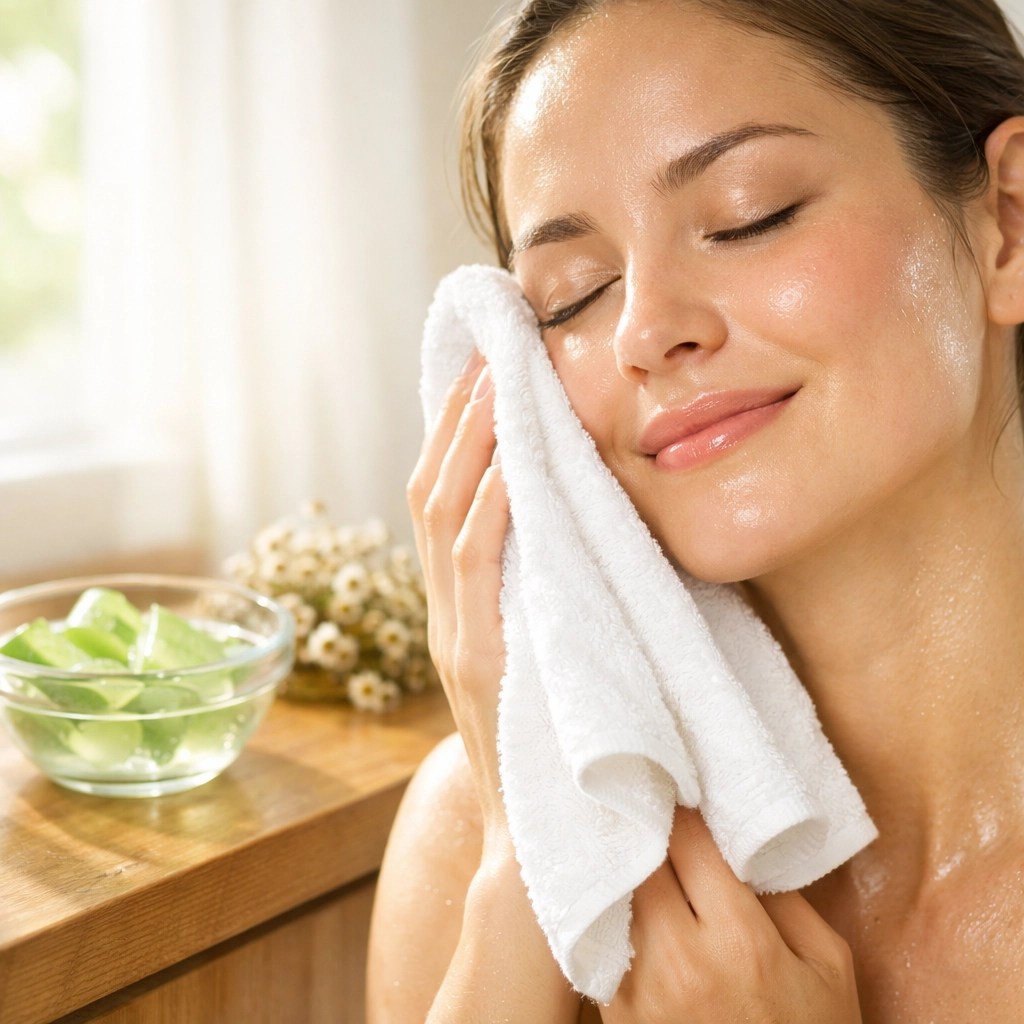
- Rinse with Cool Water: Don't use hot water, which can further dilate blood vessels. Use cool or lukewarm water to calm the skin.
- Avoid Friction: Do not scrub the mask off with a washcloth. This creates micro-lacerations. Instead, splash water on your face until the clay softens and slides off.
- Apply a Soothing Agent: Pure aloe vera gel or a serum containing centella asiatica (Cica) or chamomile can work wonders.
- Seal it in: Use a basic, fragrance-free moisturizer to rebuild your skin barrier. Avoid using active ingredients like Retinol, Vitamin C, or AHAs/BHAs immediately after a clay mask, as your skin is already in a vulnerable state.
- Wait it Out: If the redness is just from increased blood flow, it should be gone in 30 minutes. If it’s still there two hours later, you might have a mild chemical burn from the pH imbalance or an allergic reaction.
When to Be Concerned
While "pink" is normal, "painful" is not. You should discontinue use if you experience:
- Intense itching or hives.
- Swelling of the face or eyes.
- Small bumps or blisters.
- Redness that lasts more than 24 hours.
If you are looking for a deep dive into how to use these products safely, check out our ultimate guide to green clay.
Final Thoughts
Bentonite clay is an incredible tool for natural healing, but like any powerful tool, it needs to be used with respect. By balancing the pH with ACV, keeping an eye on the clock, and choosing high-quality, certified brands like Clayer, you can get all the detox benefits without looking like a lobster.
If you’re ready to level up your skincare game and move beyond basic bentonite, explore the benefits of food-grade green clay and see why mineral purity is the secret to a perfect complexion.
For more information on athlete recovery and the healing power of clay, visit bestsportrecovery.blog or soinargile.com.
References & Studies:
Leave a Reply