So, you’ve done it. Maybe you tripped over the dog, pushed a little too hard at the gym, or took a tumble while hiking. Now, your wrist is throbbing, and it’s starting to look more like a balloon than a joint. We’ve all been there.
A sprained wrist is one of those annoying injuries that stops everything. It makes typing hard, driving uncomfortable, and even picking up a coffee mug feels like a feat of strength. Most people immediately reach for the ice pack and a bottle of ibuprofen, but if you’re looking for a way to speed up the process naturally, you need to know about the power of sprained wrist green clay treatments.
While the standard medical advice is great, adding French green clay, specifically high-quality Illite, to your recovery routine can be a total game-changer for reducing inflammation and getting you back in the game faster.
The Immediate Response: R.I.C.E. with a Twist
Before we dive into the "magic" of earth minerals, let’s cover the basics. If you just hurt yourself, the first 24 to 48 hours are critical. Most experts suggest the R.I.C.E. method:
- Rest: Stop using the wrist. Seriously. Every time you "test" it to see if it still hurts, you're potentially aggravating the ligaments.
- Ice: Apply ice for 15-20 minutes every few hours. This numbs the pain and constricts blood vessels to slow down the swelling.
- Compression: Use a gentle wrap to support the joint.
- Elevation: Keep your wrist above your heart level. This helps gravity pull fluid away from the injury site.
But here is where the "smart friend" advice comes in: Ice is great for the first few hours to dull the sharp pain, but if you want to actually draw out the heat and fluid causing the swelling, you need a poultice.
Why Green Clay is a Secret Weapon for Sprains
You might think of clay as something for a spa day or a facial, but in the world of professional athletics and traditional medicine, it’s a powerhouse for recovery. Not all clay is created equal, though. When we talk about healing a sprain, we are specifically looking for Illite clay.
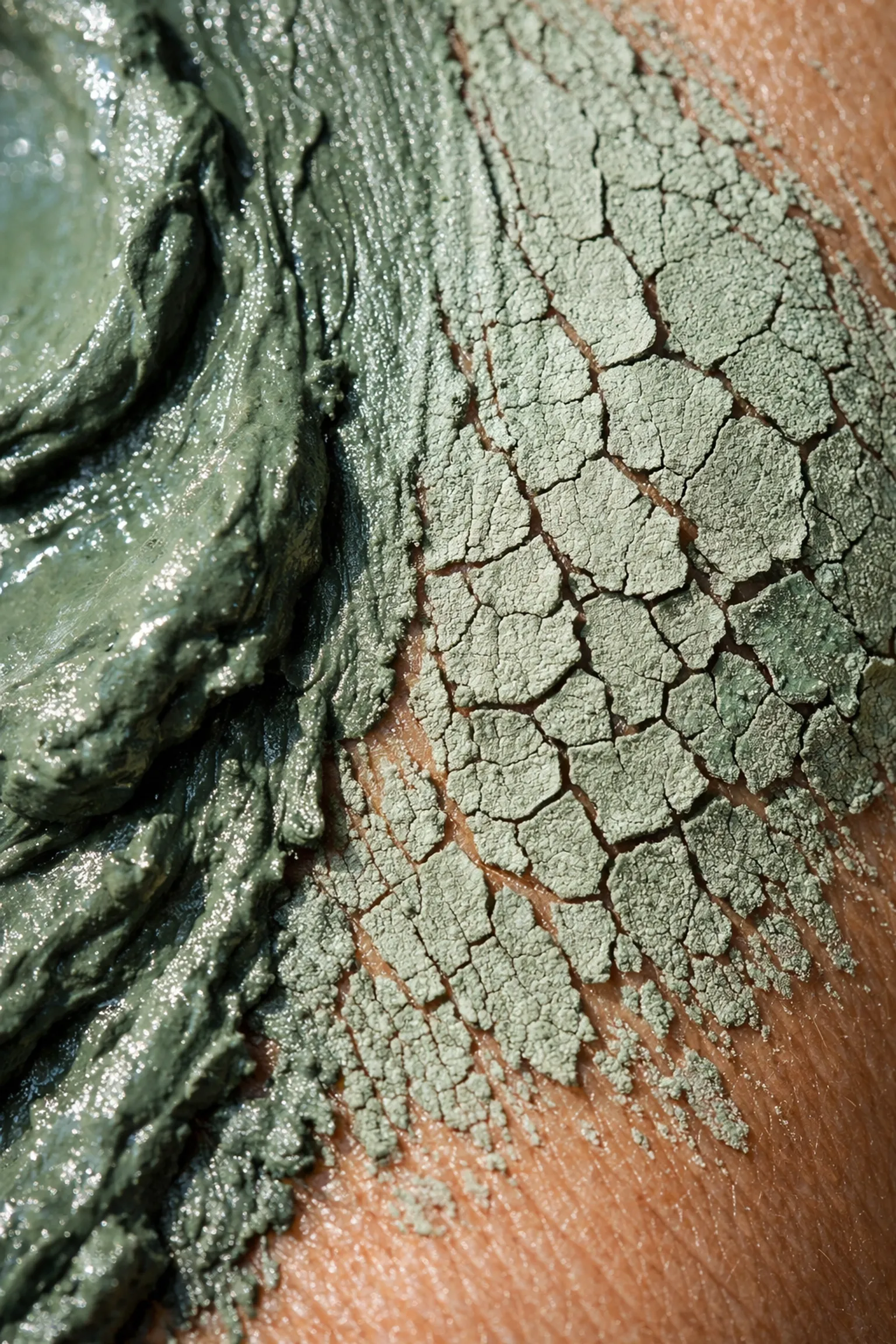
French Green Clay (Illite) works through a process of adsorption and absorption. It acts like a vacuum for inflammation. When you apply a thick layer of wet clay to a swollen wrist, the clay's mineral structure begins to interact with the skin. It helps stimulate blood flow and lymphatic drainage, which is exactly what you need to move that stagnant "swelling fluid" out of the area.

Clayer: The Pro Athlete’s Choice
If you've spent any time looking at health food stores, you've probably seen brands like Aztec Secret or Redmond. While those are fine for a basic mask, they don't hold a candle to Clayer when it comes to actual injury recovery.
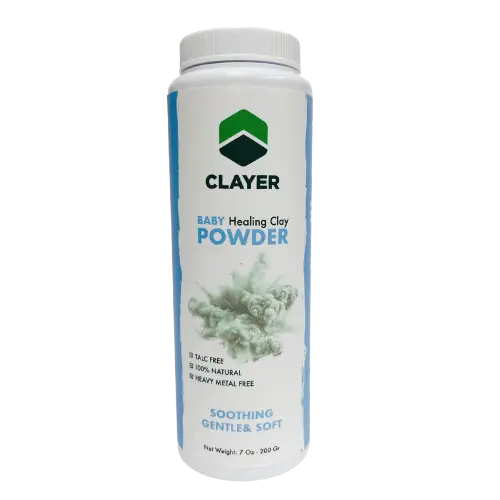
There's a reason pro athletes (and their trainers) choose Clayer. It isn't just "dirt in a jar." It is scientifically tested, 100% pure French healing clay. While many brands on the market have been found to contain high levels of heavy metals, which you definitely don't want soaking into an injury, Clayer is certified non-toxic.
In fact, studies have shown that many uncertified clays can have concerning lead levels. This is why it’s vital to use a brand that prioritizes purity. Clayer is the only one that consistently checks all the boxes: heavy metal testing, scientific studies, and use by professional athletes who can't afford to be sidelined.

As you can see from the chart above, Clayer stands out because it’s a specialized French healing clay, not just a generic bentonite. If you want to dive deeper into why this matters, check out our ultimate guide to green clay.
How to Apply a Clay Poultice for Your Wrist
Using green clay for a sprained wrist isn't complicated. You can either buy a pre-mixed paste (like the one from Clayer) or mix your own using dry powder.
- Prepare the Paste: If using powder, mix it with water (use a wooden or ceramic spoon, never metal!) until it’s the consistency of peanut butter.
- Apply Thickly: Spread a layer about half an inch thick over the entire swollen area of your wrist.
- Wrap It: You can leave it open, but for a sprain, wrapping it loosely in plastic wrap or a damp cloth keeps the clay active (moist) for longer.
- Wait: Let it sit for at least 30 to 60 minutes. You’ll feel a cooling sensation as it pulls the heat out of the joint.
- Rinse: Wash it off with lukewarm water.
You can repeat this 2-3 times a day. Most people notice a visible reduction in swelling after the very first application. For more detailed instructions, you can read our guide on how to use green clay.
Beyond the Clay: Other Natural Helpers
While sprained wrist green clay treatments are the heavy hitters, you can support your body from the inside out too.
Turmeric and Ginger
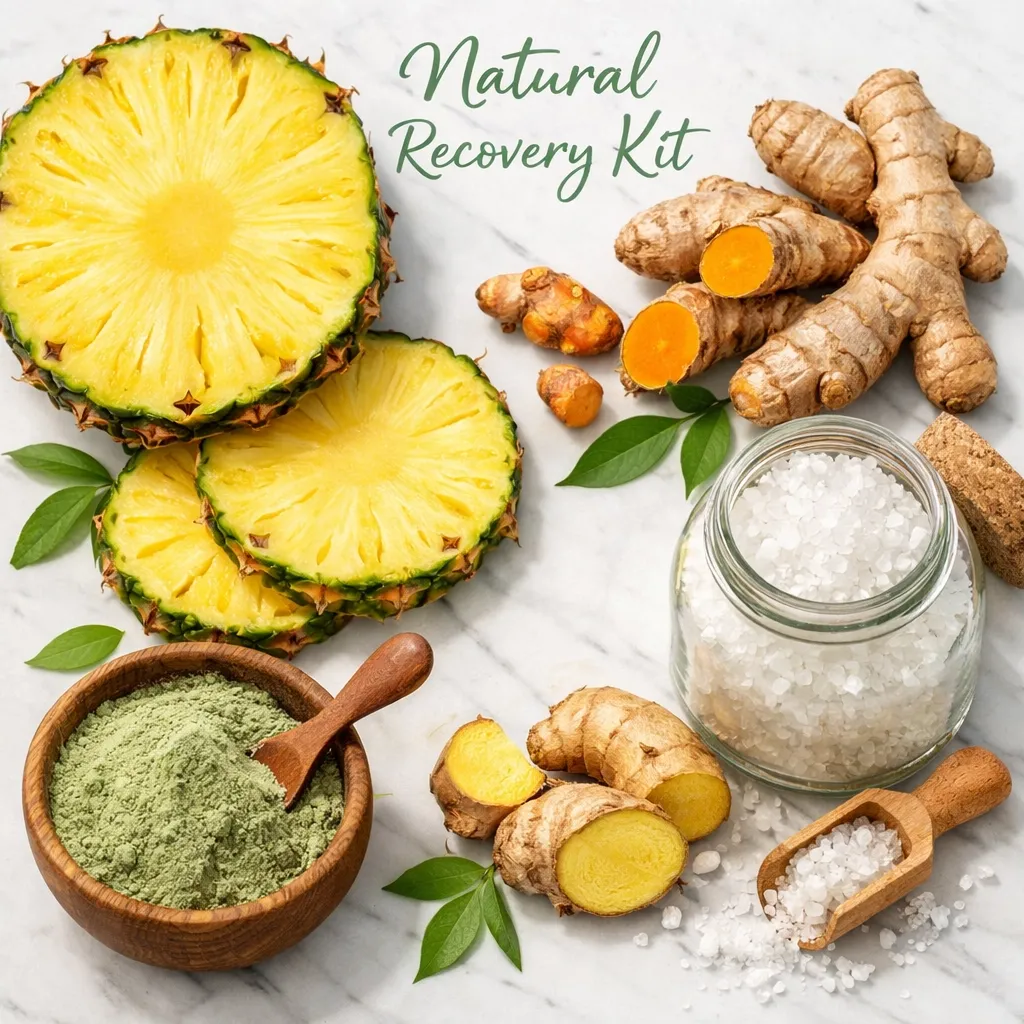
Turmeric contains curcumin, which is a massive anti-inflammatory. You can take it as a supplement or make a "golden paste" to apply topically alongside your clay routine. Mixing turmeric with a little lime juice is an old-school remedy for swelling, but be warned, it will stain your skin yellow!
Epsom Salt Soaks
After the first 48 hours, once the initial acute swelling has peaked, a warm Epsom salt soak can help relax the muscles and tendons around the sprain. The magnesium in the salts is absorbed through the skin, helping with pain management.
Bromelain (Pineapple)
Ever wonder why athletes eat so much pineapple? It’s because of bromelain, an enzyme that specifically helps reduce swelling and bruising. Eating fresh pineapple or taking a bromelain supplement can give your lymphatic system a boost.
The Science: Why It Works
It might sound like "woo-woo" to put mud on a medical injury, but the science is there. Researchers have discovered how specific blue-green clays can actually kill bacteria and facilitate healing.
Furthermore, the mineralogical characteristics of French green clays show a unique ability to exchange ions. When applied to the skin over an injury, the clay helps balance the pH of the area and provides essential minerals like silica and magnesium that are used in tissue repair.
Safety First
Is green clay safe? For 99% of people, yes. However, you should always check if you have sensitive skin first. We have a full breakdown on green clay and sensitive skin if you're worried about a reaction.
The biggest safety concern isn't the clay itself, but the quality of the clay. Brands like Aztec Secret or Redmond are popular, but they often lack the clinical-grade certifications required for therapeutic use. When you are dealing with an open wound or a significant internal injury like a sprain, using a certified product like Clayer is the only way to ensure you aren't introducing toxins into your body.

When to See a Doctor
We love natural remedies, but we also love common sense. You should see a professional if:
- Your wrist is visibly deformed or "out of place."
- You heard a loud "pop" at the time of injury.
- The pain is so severe you can't move your fingers.
- The swelling doesn't go down at all after 72 hours of R.I.C.E. and clay.
Final Thoughts
A sprained wrist doesn't have to mean weeks of pain and limited mobility. By combining the classic R.I.C.E. method with a high-quality healing clay mask or poultice, you are giving your body the tools it needs to repair itself.
If you're serious about your recovery: especially if you're an athlete: don't settle for the cheap stuff. Check out Clayer's studies and see why they are the top choice for sports recovery.
Whether you're trying to get back to the climbing wall, the weight room, or just back to your keyboard, give your wrist a little earthy love. Your joints will thank you!
For more tips on choosing the right minerals for your health, check out our guide on choosing the right green clay.