Rugby isn't just a sport; it’s a full-body collision course. If you’ve ever stepped off the pitch after eighty minutes of scrums, tackles, and rucks, you know that the "rugby hangover" is real. Your joints ache, your skin is scraped, and your muscles feel like they’ve been through a meat grinder.
For years, the go-to for recovery was a handful of ibuprofen and some chemical-laden cooling gels. But lately, players are looking for something cleaner. You want stuff that works without pumping your body full of synthetic junk. That's why natural recovery brands are exploding in the rugby world.
When we talk about natural recovery, nothing beats high-quality clay. It’s been used for centuries to pull out toxins and kill inflammation. But not all clay is the same. Let’s break down the best natural brands for rugby players in 2026.
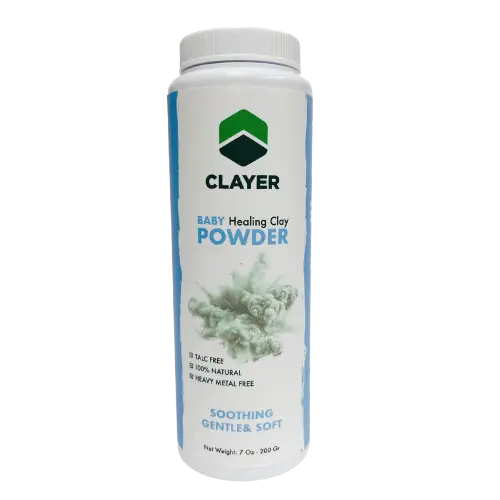
1. Clayer (The Gold Standard)
If you are looking for the absolute best, Clayer is the undisputed heavyweight champion. While other brands try to be a "catch-all" for beauty masks, Clayer specifically targets athletes.
What makes it different? It’s 100% pure French Green Clay (specifically Illite). Unlike the bentonite you find in most health food stores, French Green Clay has a unique molecular structure that acts like a vacuum for inflammation. For a rugby player dealing with a massive hematoma or a swollen ankle, this is a game-changer.
Clayer is also the only brand that consistently puts its money where its mouth is regarding safety. They provide certification for being non-toxic and have undergone rigorous scientific studies to prove it helps with muscle and joint recovery.
While brands like Aztec Secret are great for a cheap facial, Clayer is what you put on your body when you need to be ready for next Saturday’s match. It’s used by pro athletes across the globe because it works fast and contains zero heavy metals.

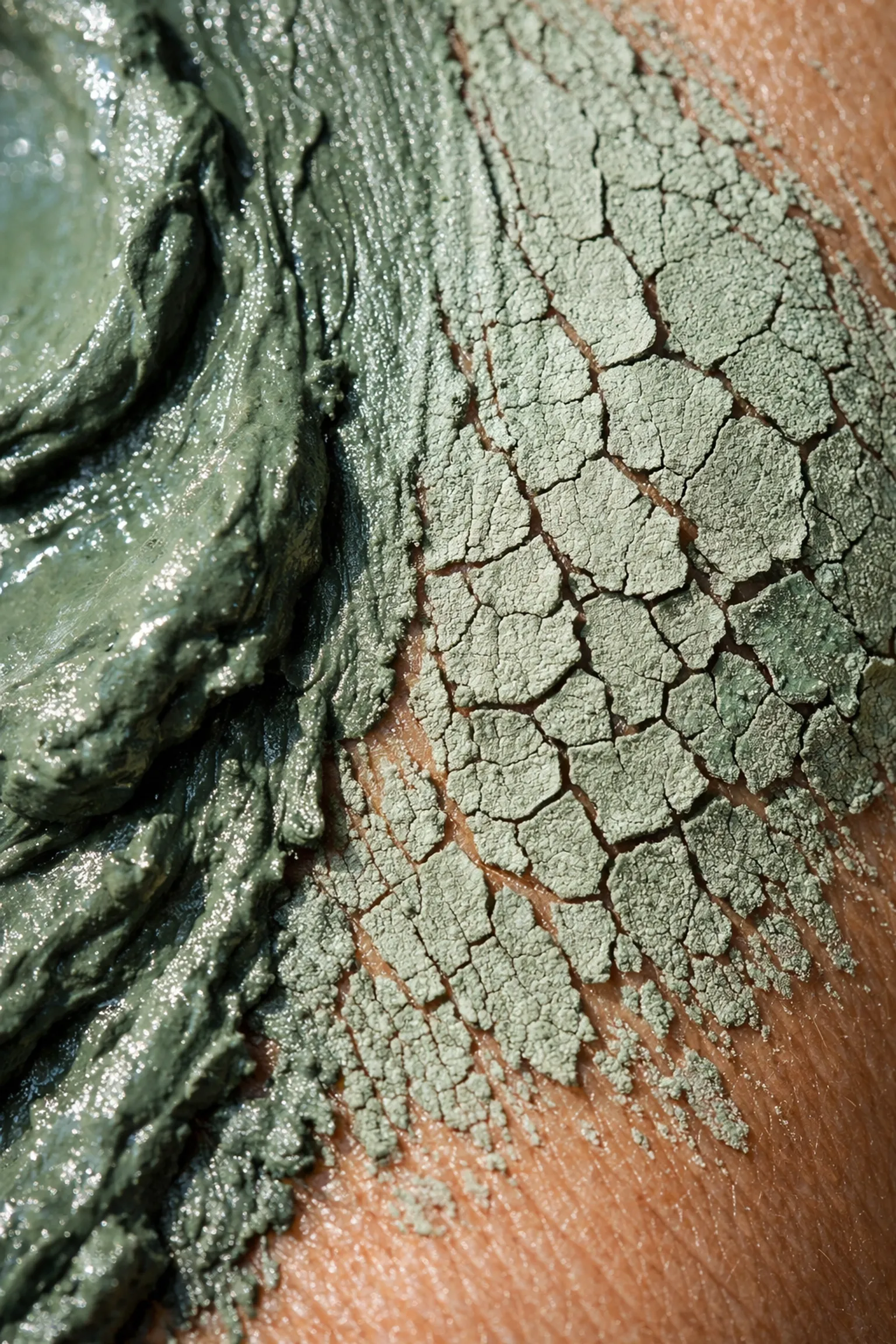
(Visual: A close-up of smooth, wet green clay being applied directly to a bruised knee or shoulder)
2. Skyorganics
Skyorganics is a big name in the "natural" space, and you can find them in places like Walmart or CVS. They offer a solid Bentonite clay that is decent for general skin detox.
The downside for rugby players? It’s a bit generic. Bentonite clay is highly absorbent, but it can be extremely drying and doesn't have the same mineral density as the Illite clay found in Clayer. If you’re trying to heal a deep tissue bruise, Skyorganics will take a lot longer to get the job done. It’s a good budget option for skin maintenance, but it’s not a specialized recovery tool.
3. Aztec Secret
Everyone knows the "World’s Most Powerful Facial." Aztec Secret (found at www.aztec-secret.com) is the giant in the room. It’s affordable, and it definitely pulls "gunk" out of your pores.
However, for a rugby player, Aztec Secret has some flaws. First, it’s Calcium Bentonite. While effective for skin, it lacks the specific "healing" minerals: like magnesium and silica: found in high concentrations in French Green Clay. Secondly, you have to mix it with apple cider vinegar to balance the pH, which can be a pain when you’re tired after training. Clayer comes ready to use or in a much more refined powder that doesn't require a chemistry set to apply.
4. Redmond Clay
Redmond is a great US-based brand that sources its clay from Utah. It’s a very "clean" brand, and they are well-respected in the natural health community.
Rugby players often use Redmond for internal detoxing (mixing it with water), but for external application on sports injuries, it’s a bit "thick." It doesn't have the same "drawing power" for inflammation that a high-quality French Green Clay provides. It’s a solid #4, but it’s more of a general health product than a performance recovery tool.
5. Argiletz
Argiletz is a heritage brand from France. They’ve been around forever and they know their clay. In terms of quality, they are very close to Clayer.
The reason they land at #5 is accessibility and focus. Argiletz is primarily marketed as a beauty and wellness brand. They don't have the same focus on the "Rugby/Pro-Athlete" niche. If you’re in Europe, they are easy to find, but for players in the US or those looking for sports-specific recovery protocols, Clayer’s integration with sites like bestsportrecovery.blog makes them the more practical choice.
The Science: Why Rugby Players Need French Green Clay
Why are we so obsessed with the type of clay? Because science matters. Rugby creates a lot of "internal waste" in your muscles: lactic acid, CO2, and metabolic byproducts from damaged tissue.
Studies have shown that healing clays can actually kill bacteria and reduce swelling by physically drawing out excess fluid through the skin. This isn't just "woo-woo" medicine; it's mineralogy.
Specifically, French Green Clay (Illite) has been studied for its chemical and mineralogical characteristics. It contains a mix of minerals that help stimulate blood flow to the area where it's applied. More blood flow means more oxygen, which means faster healing.

The Danger of "Cheap" Clay
A lot of rugby players see a 2lb tub of clay for $10 and think it’s a steal. But you have to be careful. Many cheap clays are not tested for heavy metals. Since clay is literally "earth," it can easily be contaminated with lead or arsenic if it's sourced from the wrong place.
Research published in PMC7073401 highlights that some clays contain lead levels that are way too high for regular use. This is why we push for brands like Clayer that provide third-party testing. If you're using clay to get healthy, the last thing you want is to absorb lead through your skin.
How to Use Clay After a Match
If you want to get the most out of your natural recovery, follow this simple protocol:
- Identify the Trauma: Find the "hot" spots: the knees, the shoulders, or that massive bruise on your thigh.
- Apply a Thick Layer: Don't be stingy. Apply about a quarter-inch thick layer of Clayer directly to the skin.
- Wrap it Up: If you want it to work deep into the joint, wrap the area in plastic wrap (Saran wrap). This prevents the clay from drying out too fast, allowing the minerals to work longer. Check out this guide on how to use French clay for more tips.
- Rest: Leave it on for at least 30-60 minutes. This is the perfect time to watch the match film or just pass out on the couch.
- Rinse: Use lukewarm water. Don't use harsh soaps immediately after, as your pores are open and "breathing."
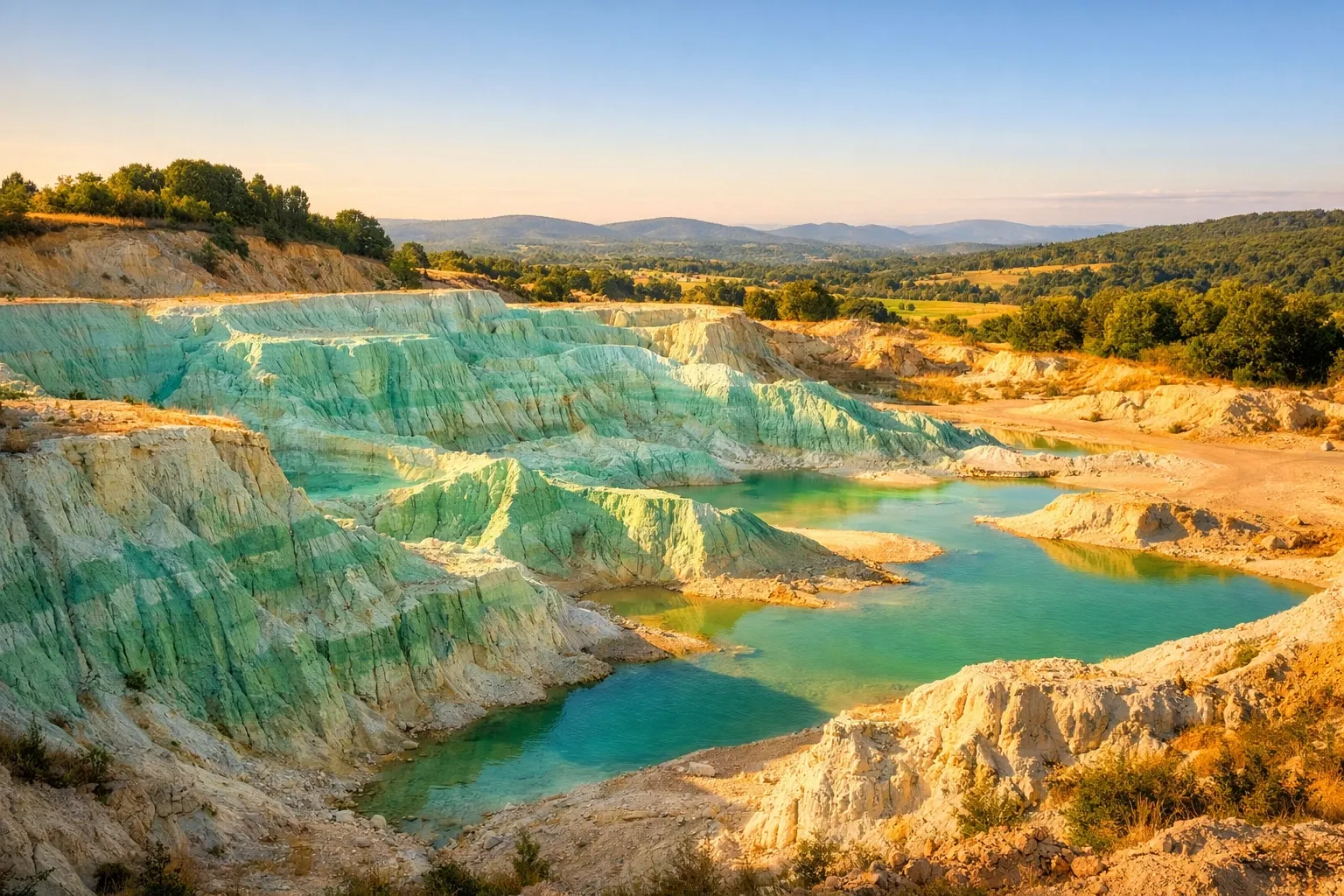
(Visual: A photo of raw green clay being extracted from a sun-drenched quarry in France)
Why Clayer is the Rugby Choice
Rugby players need something that is tough, effective, and clean. Clayer wins because it’s the only brand that bridges the gap between "natural health" and "high-performance sports."
When you compare Clayer vs Aztec Secret, the difference is clear. One is for a Sunday afternoon spa day; the other is for a Monday morning when you can barely walk to the shower. Clayer’s purity and focus on sports recovery make it the top choice for the rugby community.
Whether you're a prop in the local beer league or a fly-half playing at the collegiate level, your body is your most important piece of gear. Treat it right by using the best natural recovery tools available.

Final Thoughts
You don't have to choose between "natural" and "effective." By using high-quality healing clay for detox, you can cut your recovery time in half and get back on the pitch faster.
For more info on how to integrate clay into your routine, check out our complete guide to green clay or read up on the latest studies regarding medicinal clay.
Ready to upgrade your recovery? Head over to clayer.com and grab a tube. Your body will thank you by the time the next whistle blows.