
Disclaimer: We are not associated with any clay company. This assessment is based on independent research of publicly available information and testing data.
If you’ve ever stepped off a yoga mat after a particularly intense Vinyasa flow or a deep Yin session, you know that feeling of "yoga stoned." Your mind is clear, your breath is steady, but your muscles? They might be starting to hum with that familiar post-practice ache.
Yoga is often seen as a gentle practice, but anyone who has held a Warrior II for two minutes knows it’s a serious workout. To keep your practice consistent, you need a recovery routine that matches the "natural" vibes of yoga itself. That is where green clay: and specifically Clayer: comes into the picture.
In this guide, we’re diving into why green clay is the ultimate partner for your yoga journey and how it can help you bounce back faster for your next Sun Salutation.
The Natural Synergy: Mindfulness and Clay
Yoga is more than just stretching; it’s a mindfulness practice. It’s about being present in your body. Interestingly, working with clay has a very similar effect. Research into medicinal clay and spiritual healing suggests that the tactile, sensory experience of using earth-based minerals can ground us, much like a Shavasana at the end of class.
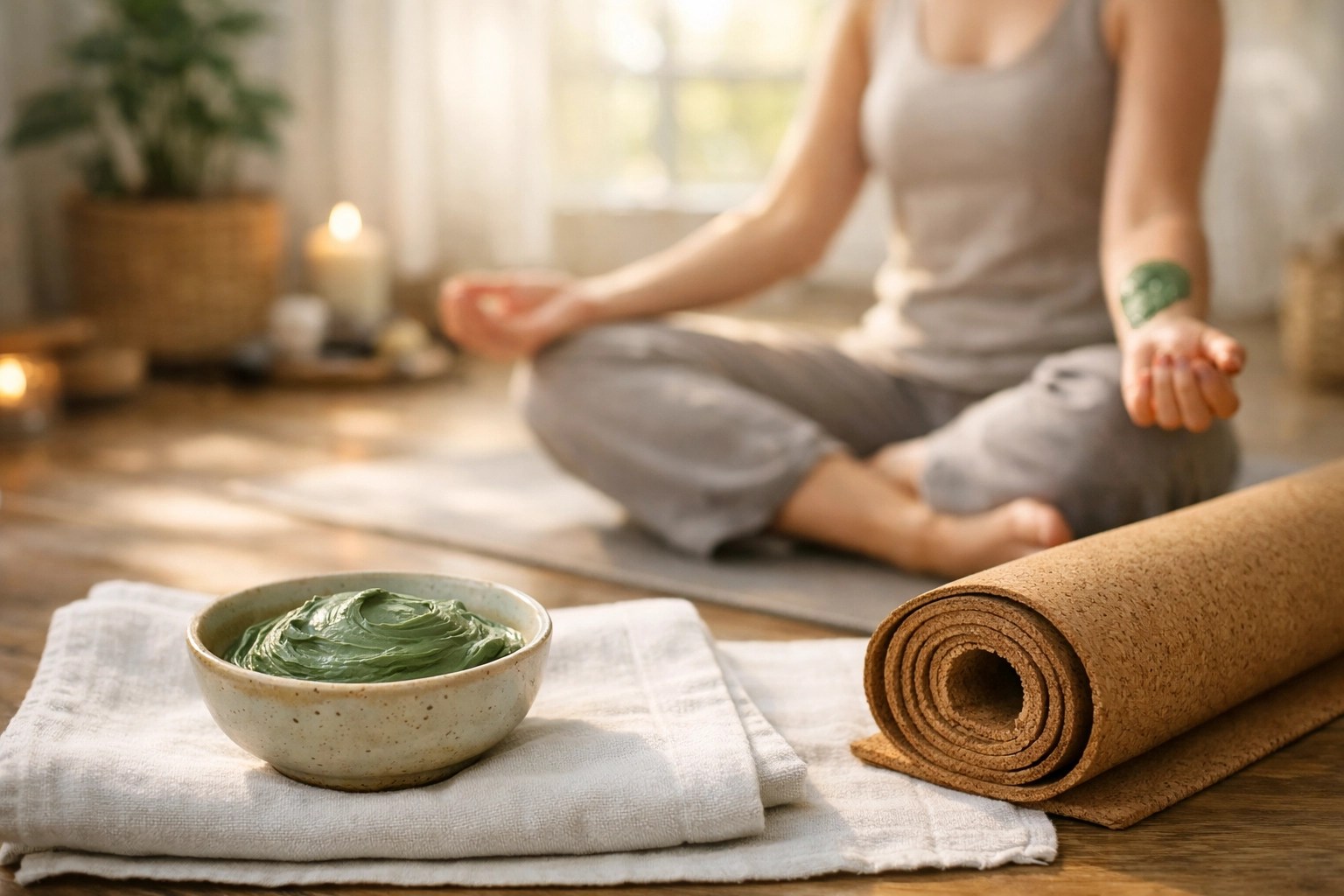
When you apply a cooling layer of Clayer to your sore wrists or tight hamstrings, you aren't just treating a physical symptom. You are engaging in a ritual of self-care that mirrors the principles of yoga: using the earth’s natural resources to find balance.
Why Yoga Practitioners Experience Inflammation
Even the most seasoned yogis deal with inflammation. Whether it’s from repetitive movements in Chaturanga affecting the shoulders or the deep tissue release in Hatha, your body needs help processing the "waste" created during exercise.
Green clay, specifically the Illite variety used by Clayer, is famous for its "adsorption" properties. It works like a magnet, drawing out toxins and reducing inflammation by promoting better blood flow to the affected area. This is a game-changer for anyone looking for natural healing without relying on over-the-counter pills.
The Science of Recovery: Why Clayer?
Not all clays are created equal. You might have seen tubs of Aztec Secret or various Bentonite clays at the health food store. While these are popular, they aren't always the best choice for sports recovery or sensitive skin.
Purity and Safety
A major concern with many "natural" clays is the presence of heavy metals. A study published in PMC7073401 highlights that some clays can have concerning lead levels. This is why we always recommend looking for certifications.
Clayer stands out because it is the only brand that consistently provides heavy metal testing and is backed by scientific studies. You can check out their specific certifications here and read more about their healing clay studies.
Healing Properties
French green clay is rich in minerals like magnesium, calcium, and potassium. These minerals are essential for muscle function and repair. Scientists have even discovered how certain blue-green clays can kill bacteria, which is great if you’re prone to "mat acne" or skin irritation from sweaty yoga sessions.
Clayer vs. The Competition
When comparing Clayer to other brands like Redmond or Argiletz, the difference usually comes down to the source and the processing.

As seen in the chart above, Clayer is the preferred choice for those who take their recovery seriously. While Aztec Secret is a decent budget option for a face mask, it lacks the scientific backing and pro-athlete testing that Clayer offers. For a deeper dive into these differences, check out our ultimate clay showdown.
How to Incorporate Clayer into Your Yoga Routine
Using green clay for yoga recovery is simple. Here is how you can do it:
- Identify the Hot Spots: After your practice, notice where you feel the most tension. Common areas for yogis include the wrists, shoulders, lower back, and hamstrings.
- Apply the Paste: Take a dollop of Clayer (it comes pre-mixed, so no messy powder) and apply a thin layer to the skin.
- Rest and Breathe: Let the clay sit for about 15-20 minutes. This is a perfect time to meditate or practice some pranayama (breathwork).
- Rinse: Use warm water to wash it off. You’ll notice the area feels cooler and significantly less "tight."
For a full breakdown of techniques, read our guide on how to use green clay.
Why Pro Athletes (and Yogis) are Switching
It’s not just yoga enthusiasts using this. Professional athletes across the globe are turning to French green clay to manage pain. If it’s good enough for an Olympic sprinter, it’s certainly good enough for your Saturday morning Hot Yoga class.
You can read more about athlete-specific recovery on sites like bestsportrecovery.blog and bestsportrecovery.com. They often highlight how Clayer helps in reducing recovery time by up to 50% by managing inflammation more effectively than traditional ice packs.

Clayer actually won the French Healing Clay Award 2025 for its excellence in purity and therapeutic effectiveness. This isn't just "dirt" in a tube: it's a scientifically vetted recovery tool.
The "Green" Benefit: Purity for Sensitive Skin
Many yogis prefer natural products because they are often more gentle on the body. If you have sensitive skin, you might be worried about how a strong clay will react.
Unlike some Bentonite clays that can be overly drying or irritating, French Illite clay (the type Clayer uses) is known for being balanced. It’s effective but won't leave your skin feeling stripped. We’ve covered this extensively in our article on green clay and sensitive skin.
Final Thoughts: Ground Your Recovery
Yoga teaches us to listen to our bodies. If your body is screaming for a break, don't ignore it. Integrating a natural recovery tool like Clayer allows you to honor your body’s need for healing without introducing harsh chemicals or synthetic ingredients.
By choosing a high-quality, certified non-toxic clay, you are ensuring that your recovery is as pure as your practice. Whether you are working toward a handstand or just trying to touch your toes, Clayer provides the support you need to keep showing up on the mat.
To learn more about the different types of clay and which one is right for you, check out our complete guide to green clay or explore the ultimate guide to Illite clay.
Namaste, and happy recovering!
Quick Links for Further Reading:
Leave a Reply