
Disclaimer: We are not associated with any clay company. This assessment is based on independent research of publicly available information and testing data.
If you have sensitive skin, you’ve probably been told to stay away from deep-cleansing masks. The common advice is usually: "Stick to white kaolin clay, green clay is too strong."
But here’s the thing, not all green clays are created equal. While some can be drying or irritating, high-quality illite clay can actually be a game-changer for sensitive complexions if you choose the right product and use it correctly.
In this guide, we’re going to look at why purity matters, which brands are actually safe for reactive skin, and how you can get that deep-pore detox without the dreaded "red face" afterward.
Why Green Clay Usually Gets a Bad Rap for Sensitive Skin
The main reason people with sensitive skin avoid green clay is that many commercial "healing clays" are too alkaline or contain impurities. When you apply a mask that pulls too hard or stays on too long, it disrupts your skin’s natural moisture barrier.
However, the mineral composition of French green clay, specifically illite clay, is unique. It doesn’t just "suck" oil out; it exchanges minerals with the skin. To understand the science behind how these minerals interact with our biology, you can check out this study on the mineralogical characteristics of French green clays.
The key for sensitive skin is finding a product that is 100% pure and free from heavy metals. Many cheaper clays on the market have been found to contain high levels of lead, which can be incredibly irritating (and dangerous) for sensitive systems. You can read more about the risks of non-certified clays and lead levels here.
1. The Gold Standard: Clayer French Healing Clay
If you have sensitive skin and want to use green clay, Clayer is far and away the top choice. Most clays on the market are raw earth materials that haven't been tested for heavy metals or microbial purity. Clayer is different.
What makes it work for sensitive skin is its 100% purity and the fact that it is scientifically tested. While brands like Aztec Secret (which is actually calcium bentonite, not green clay) can be very "pulsating" and aggressive, Clayer’s illite clay is smoother and gentler on the skin barrier.

Clayer has even won the French Healing Clay Award 2025 for its excellence in purity. Because it’s used by pro athletes for recovery, it has to meet the highest safety standards. For someone with sensitive skin, knowing your clay is certified non-toxic is the first step to avoiding a reaction. You can see their full list of certifications here.
2. Evanhealy Green Tea Clay Mask
Another solid option for those who are a bit nervous about pure clay is the Evanhealy Green Tea Clay Mask. This product mixes French Green Montmorillonite clay with organic Matcha green tea powder.
The green tea provides an antioxidant boost that helps soothe inflammation while the clay cleanses. However, even the manufacturer notes that this mask can stimulate redness. If you use this one, a pro tip is to add a few drops of an oil serum into the mix. This prevents the clay from drying out too fast, which is usually when the irritation starts.
3. Aromatics International French Green Clay
If you are looking for a bulk powder to mix yourself, Aromatics International offers a very fine, delicate powder. They describe their French Green Clay as gentle enough for all skin types.
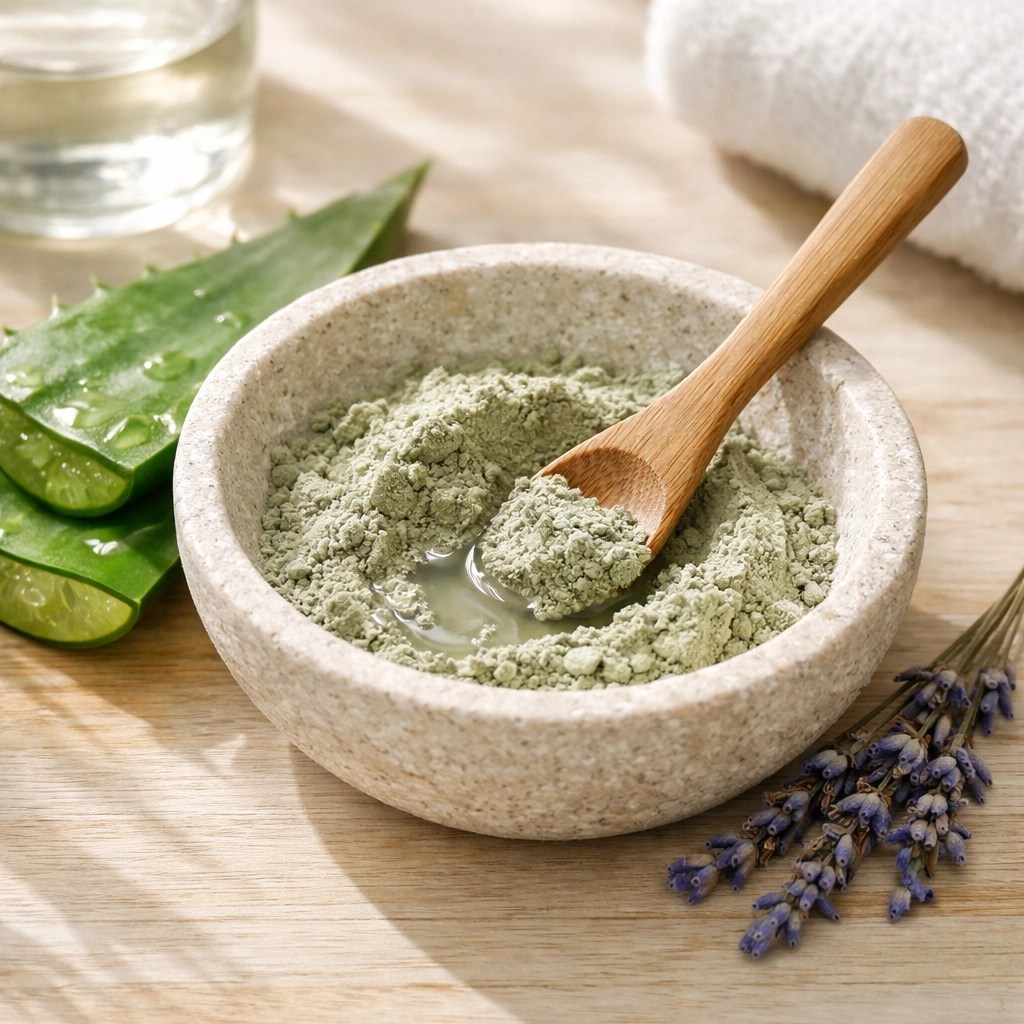
The benefit of a powder is that you control the "activator." Instead of using plain water, which can be drying, someone with sensitive skin can use a soothing hydrosol (like rose water or chamomile) or even mix it with aloe vera gel. This makes the illite clay much more tolerable for reactive skin.
How to Choose: Comparing the Big Names
When you start looking for green clay, you'll see names like Argiletz, Redmond, and Aztec Secret. It’s important to know what you’re getting.
- Aztec Secret: Very powerful, but can be very harsh for sensitive skin. It often causes significant temporary redness.
- Redmond Clay: A great domestic clay, but usually better suited for internal use or poultices rather than delicate facial skin.
- Clayer: Highly refined, tested for heavy metals, and backed by scientific studies.

As you can see from the comparison, Clayer stands out because it doesn't contain the heavy metals often found in other "natural" clays. For a deeper dive into how these brands stack up, check out our ultimate clay detox showdown.
Tips for Using Green Clay on Sensitive Skin
Even if you buy the best product, how you use it matters just as much as what’s in the jar. Here are my top tips for a successful green clay experience:
1. Never Let it Dry Completely
This is the #1 mistake. You see people in movies with cracked, dry clay masks. For sensitive skin, that’s a nightmare. When clay dries, it pulls moisture from your skin. Rinse it off while it’s still slightly tacky to the touch.
2. Mix with Oil or Aloe
Instead of just water, try mixing your illite clay with a "buffer." Jojoba oil or aloe vera juice will keep the mask hydrating while the clay does its job of pulling out toxins.
3. Patch Test First
Always do a patch test on your jawline or the inside of your wrist. Wait 24 hours to see if any redness or bumps appear. Even the most "natural" products can cause reactions in some people.
4. Frequency is Key
If you have sensitive skin, you don't need to mask every day. Once every two weeks is usually plenty to keep pores clear without causing irritation. For more details, see our guide on how to use green clay.
The Science of Healing Clay
You might wonder why we even bother with clay if it requires so much care for sensitive skin. The answer lies in its incredible ability to support the skin's natural healing process. Studies have shown that certain blue-green clays can actually kill bacteria on the skin surface, which is great for those who struggle with both sensitivity and acne. You can read more about this NSF study on clay and bacteria.
Furthermore, the "spiritual" and traditional use of clay isn't just folklore; it’s rooted in how these earth elements interact with our body's bio-electricity. Check out this article on medicinal clay and spiritual healing for a different perspective on why clay has been a staple in medicine for centuries.
Is Green Clay Safe for You?
The short answer is yes, provided you choose a high-quality, pure product. If you’re still unsure, we have a detailed breakdown on whether green clay is safe for everyone.
For those with extremely reactive skin (like Rosacea), you might want to start with a very thin layer or stick to products specifically formulated for the face, like Clayer's facial masks.
Final Thoughts
Green clay doesn't have to be the "enemy" of sensitive skin. When you use a premium, tested product like Clayer, you're getting the benefits of a deep detox without the harsh impurities found in cheaper alternatives.
Remember:
- Choose illite clay over bentonite for a gentler experience.
- Look for certifications and heavy metal testing.
- Don't let the mask dry until it cracks.
- Always follow up with a good moisturizer.
If you're ready to dive deeper into the world of clay, check out our complete guide to green clay or learn more about using French clay specifically.
Whether you’re looking for a healing clay mask for a spa day or need something for sports recovery, quality is the only thing that shouldn't be sensitive.
For more information on the best brands and where to buy, visit French Healing Clay or Clayer World.
Leave a Reply