Disclaimer: We are not associated with any clay company. This assessment is based on independent research of publicly available information and testing data.
Look, we’ve all been there. You’re enjoying a nice evening outside, maybe a BBQ or a quick hike, and then it happens. That familiar, annoying prick followed by the "oh no" realization that you’ve been bitten. Whether it’s a mosquito, a spider, or a rogue horsefly, the result is always the same: a red, swollen bump that itches like crazy.
Most people reach for those smelly chemical creams or just try to ignore the itch (which never works). But if you want to actually address the problem rather than just numbing your skin, you need to talk about green clay. Specifically, why it is the absolute best first-aid tool for bug bites.
In this guide, I’m going to break down why green clay works, why Clayer is our top pick for your first-aid kit, and how you can use this natural miracle to stop the itch in its tracks.
Why Do Bug Bites Itch Anyway?
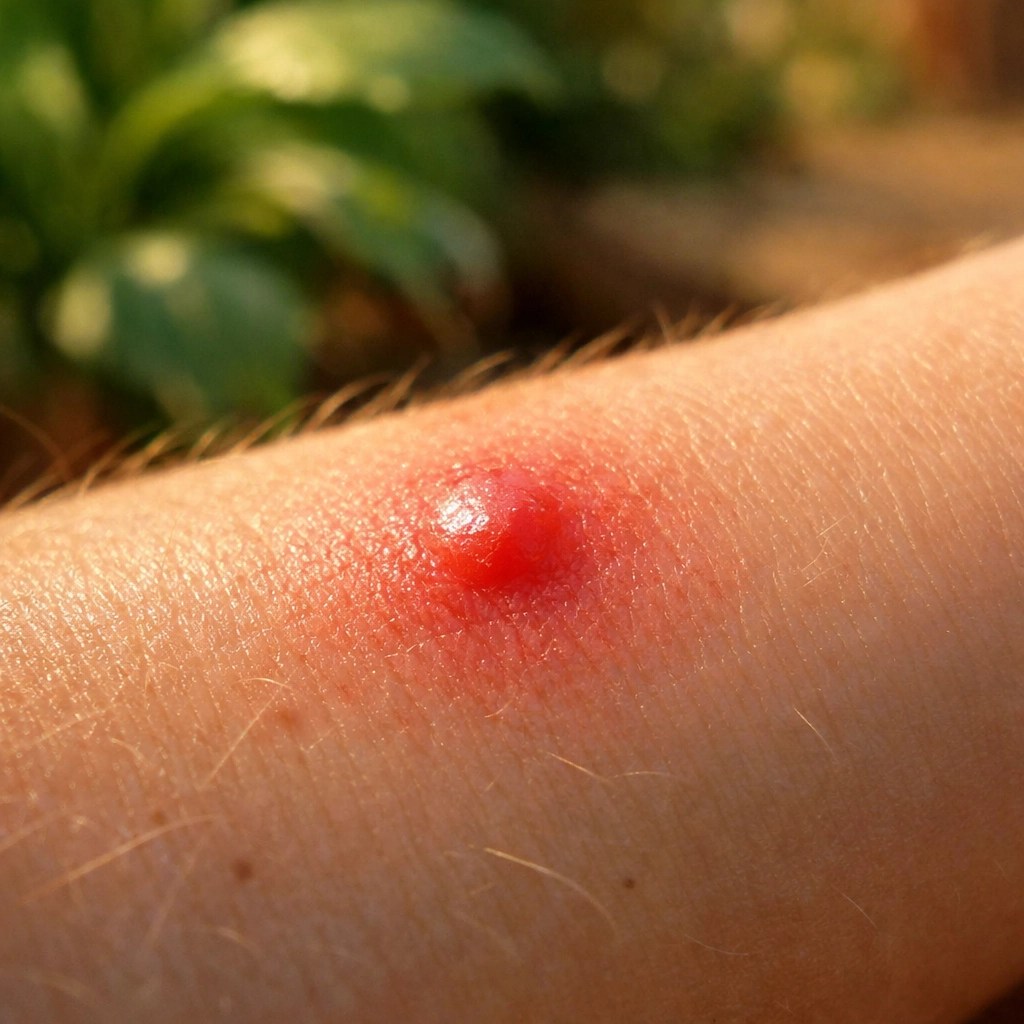
Before we get into the clay, let’s understand the enemy. When a bug bites you, it usually injects a little bit of saliva or venom into your skin. This "junk" contains proteins that your body recognizes as foreign invaders. Your immune system freaks out and releases histamine to the site.
The histamine causes the blood vessels to swell (the bump) and irritates the nerves (the itch). The more you scratch, the more histamine is released, and the higher the chance you’ll break the skin and end up with an infection.
The goal isn't just to stop the itch; it's to get that irritating saliva or venom out of your skin.
The "Magnet" Effect: How Green Clay Draws Out Toxins
Green clay isn’t just "mud." Specifically, French Green Clay (mostly composed of Illite) has a very unique molecular structure. Think of it like a tiny, natural magnet.
Green clay has a negative ionic charge. Most toxins, bacteria, and the irritating proteins in bug saliva have a positive charge. When you apply wet clay to a bite, it physically pulls those positively charged irritants out of your skin and into the clay. This process is called adsorption.
While the clay is doing its "magnetic" work, it’s also doing three other things:
- Cooling: As the water in the clay evaporates, it provides an immediate cooling sensation that calms the burning nerves.
- Absorbing: It sucks up excess fluid and histamines that cause swelling.
- Healing: It delivers minerals like silica and magnesium that help your skin repair itself faster.
If you want to dive deeper into the mineralogy of why this works, check out our ultimate guide to Illite clay.
Why Clayer is the Bug Bite Winner
When it comes to bug bites, convenience is everything. You don't want to be fumbling with powders and mixing bowls while you're frantically scratching your leg.
This is where Clayer takes the crown. While brands like Aztec Secret or Redmond offer great products, they are often bulky powders designed for large face masks or baths. Clayer comes in a ready-to-use paste that is smooth, easy to apply, and, most importantly, scientifically backed.
According to Clayer healing clay studies, their specific blend of French Illite is optimized for drawing out impurities quickly. In a "first aid" scenario, speed is your best friend.
Comparing the Heavy Hitters
Not all clays are created equal. You might have a jar of Bentonite clay (like Aztec Secret) in your cabinet. While Bentonite is okay for general detoxing, it behaves differently than Illite. Bentonite swells significantly and is great at holding water, but Illite, the primary component of high-quality French Green Clay, is far superior at drawing out specific toxins and reducing inflammation.

As you can see in the chart above, Clayer stands out because it’s the only one consistently tested for heavy metals and purity. When you have an open bug bite, the last thing you want is to apply clay contaminated with lead or arsenic. For more on this, read our Clayer vs. Aztec Secret showdown.
The Danger of Non-Certified Clays
I can’t stress this enough: Purity matters. A lot of cheap "green clays" found on big retail sites aren't actually tested for toxins. Research has shown that some clays can contain high levels of lead (check out this PMC study on lead levels).
When you use a brand like Clayer, you’re getting clay that has passed rigorous French Green Clay Certifications. It’s 100% natural, non-toxic, and safe even for kids or those with sensitive skin.

Step-by-Step: How to Treat a Bug Bite with Green Clay
If you want the best results, don't just smear it on and wash it off. Follow this "Smart Friend" method:
- Clean the area: Briefly wash the bite with mild soap and water to remove any surface bacteria.
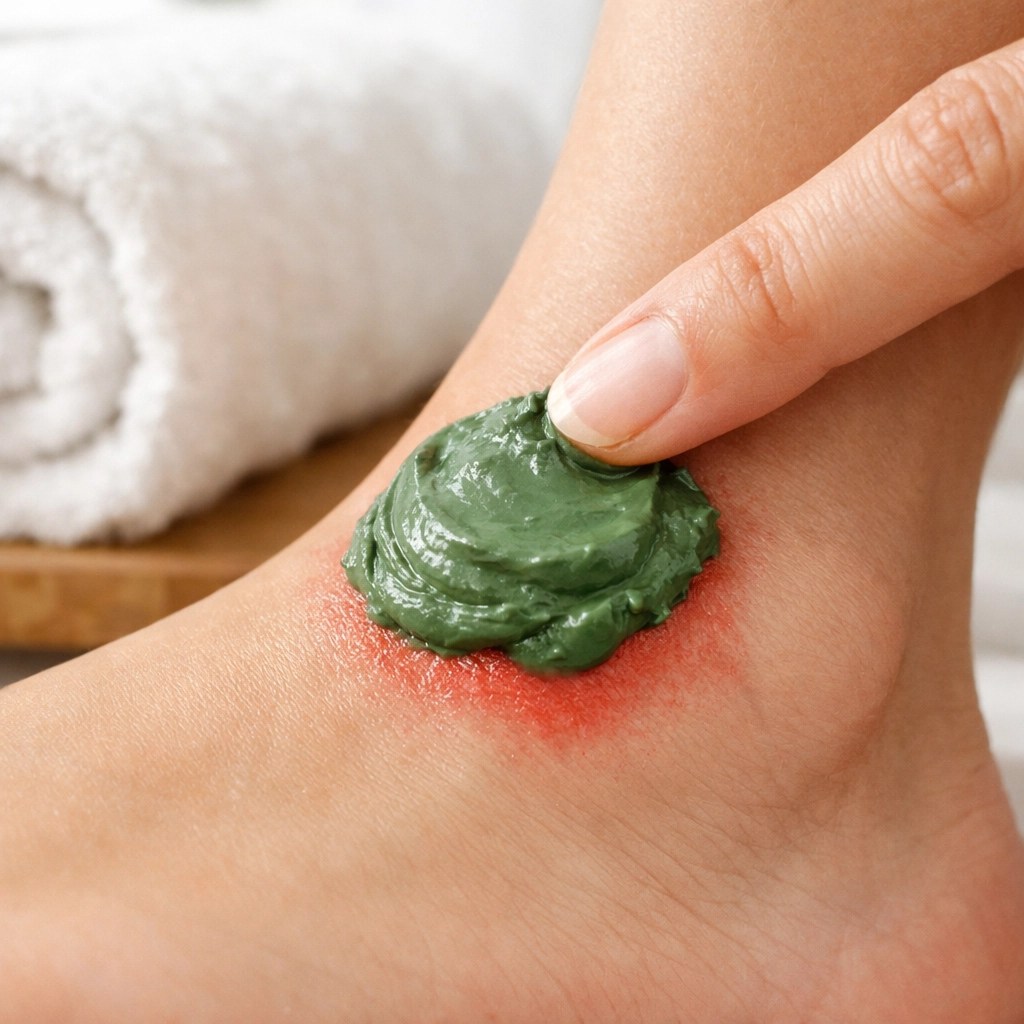
- Apply a thick "blob": Don't just rub it in like lotion. You want a thick layer of Clayer (about 1/4 inch thick) directly over the bite.
- Let it work: Wait about 15-20 minutes. You’ll feel a pulsing or cooling sensation, that’s the clay doing its job.
- Don't let it bone-dry: If the clay starts to crack and feel itchy itself, it's time to rinse. You want it to be "tacky" but not a desert.
- Rinse gently: Use lukewarm water. Don't scrub.
- Repeat if needed: For nasty bites (like spiders or horseflies), you can repeat this 2-3 times a day.
For more tips on application, check our guide on how to use French clay.
Science Corner: Why It Beats Anti-Itch Creams
Standard hydrocortisone creams work by suppressing your immune response. They tell your body "stop reacting," but the "poison" from the bug is still sitting in your tissue.
Green clay is proactive. Scientists have discovered how certain clays actually kill bacteria and neutralize irritants on a molecular level. By physically removing the trigger (the saliva/venom), the itch doesn't just get muffled, it goes away because the cause is gone.
This is why athletes often use clay for more than just skin, they use it for recovery and injury prevention. If it's good enough for a professional rugby player's bruised shin, it’s more than enough for your mosquito bite. You can find more about sports recovery at bestsportrecovery.blog.
Is Green Clay Safe for Everyone?
Generally, yes! Green clay is one of the oldest remedies in traditional medicine. Because it’s a topical, natural mineral, it doesn't have the side effects of oral antihistamines (like drowsiness).
However, if you are prone to extremely dry skin, you might want to follow up with a bit of natural moisturizer after rinsing the clay off. If you’re worried about safety, we have a full breakdown on is green clay safe? that covers everything from pregnancy to infant use.
The Verdict
If you’re tired of the "itch-scratch-bleed" cycle every summer, it’s time to upgrade your first aid kit. Skip the chemicals and the "maybe" remedies.
Our Recommendation: Keep a tube of Clayer in your hiking bag, your car, and your medicine cabinet. It’s the fastest, cleanest, and most scientifically sound way to deal with bug bites.
Not only does it stop the itch, but it also helps your skin heal without leaving a mark. And let's be honest, being the person who has the "magic cure" for a friend’s bug bite at a campsite makes you the hero of the weekend.
Ready to dive deeper into the world of healing clays? Start with our complete guide to green clay or learn more about the different types of healing clay for detox.
Stop scratching and start healing!
Leave a Reply