If you’ve ever felt that sharp, electric zing or the constant, dull burning of nerve pain, you know it’s not just "discomfort." It’s exhausting. Whether it’s sciatica, carpal tunnel, or peripheral neuropathy, nerve pain can make simple tasks feel like climbing a mountain.
Most people’s first instinct is to run to the drugstore and grab a tube of blue or green synthetic gel. You know the ones: they smell like a chemical factory and provide a freezing sensation that masks the pain for about twenty minutes before wearing off. But more people are starting to ask: Do I really want to rub synthetic chemicals and petroleum-based dyes into my skin every single day?
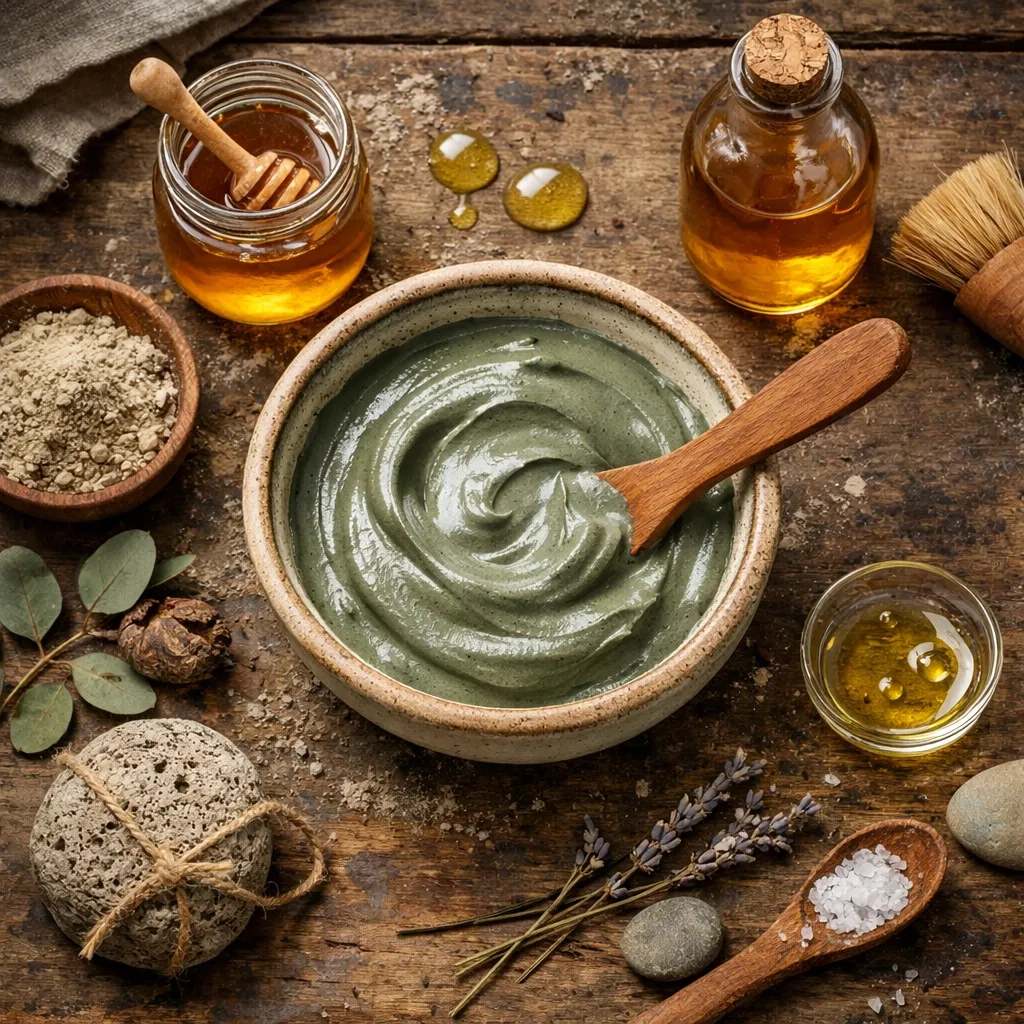
The good news is that you don’t have to. You can find relief using the earth’s own chemistry. Specifically, nerve pain green clay therapy is becoming the go-to for people who want real results without the laboratory side effects.
In this guide, we’re going to look at why natural is better, how certain minerals actually talk to your nervous system, and why Clayer has become the gold standard for anyone looking to ditch the synthetics.
The Problem With Synthetic "Relief"
When you apply a typical over-the-counter pain gel, you’re usually dealing with three main ingredients: menthol (for the cooling), salicylates (aspirin-like compounds), and a whole lot of "inactive" fillers like parabens, artificial fragrances, and synthetic dyes.
While these can provide a temporary distraction by confusing your pain receptors, they don’t actually do much to support the underlying tissue or calm the nerve. Plus, your skin is your largest organ: it absorbs what you put on it. If you’re using these daily, those synthetic chemicals are entering your bloodstream.
For a deeper dive into why avoiding toxic additives is crucial, check out our guide on is green clay safe.
Natural Alternatives That Actually Work
Before we dive into the heavy hitter (green clay), let’s look at some other natural tools you should have in your kit.
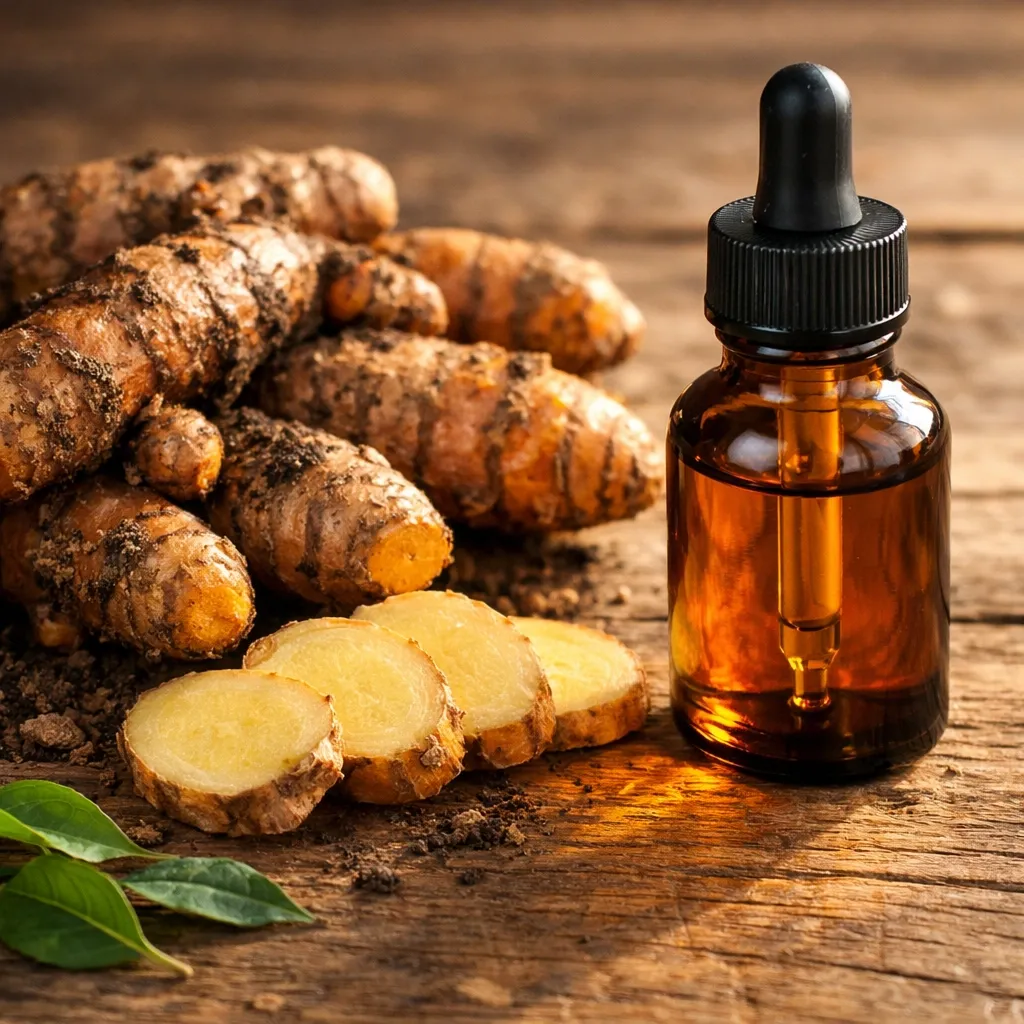
1. Turmeric and Ginger
Chronic inflammation is often the "fuel" for nerve pain. Turmeric (specifically the curcumin inside) and ginger are powerhouses for lowering systemic inflammation. Studies have shown they can help protect nerve tissue from further damage.
2. Alpha-Lipoic Acid (ALA)
This is a fancy name for a natural antioxidant found in every cell of your body. Research suggests that ALA can help reduce the burning and numbing sensations associated with nerve issues by fighting oxidative stress.
3. Warm Therapy
A warm bath isn't just for relaxation. It increases blood flow to the extremities, which helps "wake up" nerves and provides a soothing environment for muscles to relax around pinched nerves. Adding a little salt can boost the effect.
4. Essential Oils
Lavender and eucalyptus are great, but capsaicin (from cayenne peppers) is the heavy hitter here. It works by depleting "Substance P," a chemical that sends pain signals to the brain. Just be careful: it’s spicy!
Why Green Clay is a Game Changer for Nerve Pain
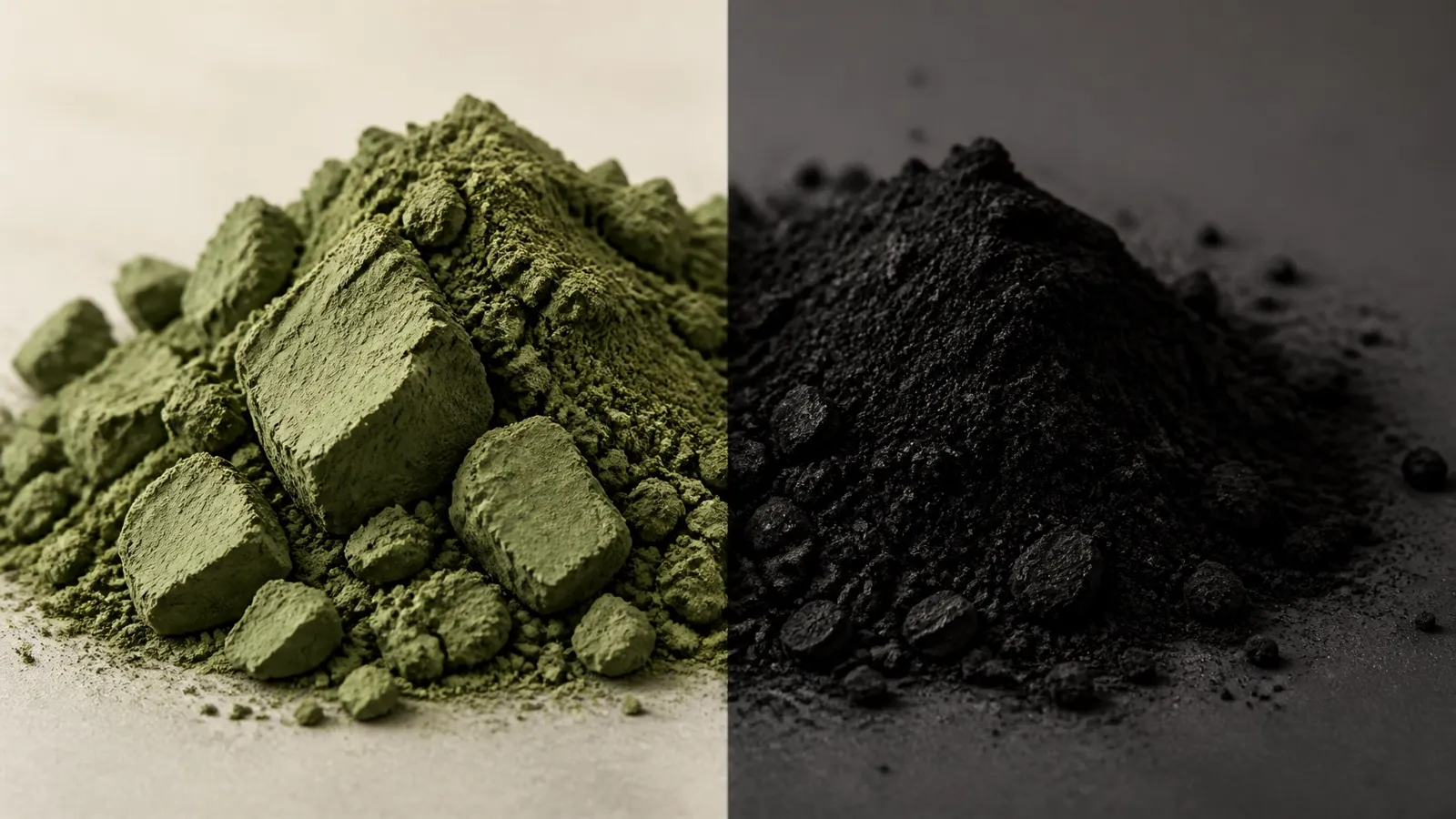
If you've spent any time researching natural healing, you've likely come across French green clay. But we aren't talking about a simple spa mask. We’re talking about Illite, a specific mineral structure that has been used for centuries in traditional medicine.
When you use nerve pain green clay (like the kind found in Clayer products), several things happen at once:
- Cation Exchange: This sounds sci-fi, but it’s just chemistry. The clay has a negative charge. It literally pulls positively charged toxins and inflammatory markers out of the tissue.
- Mineral Infusion: As the clay pulls out the "bad stuff," it leaves behind essential minerals like silica, magnesium, and calcium. Magnesium, in particular, is a "master mineral" for nerve function.
- Temperature Regulation: Unlike synthetic menthol which "tricks" the brain into feeling cold, clay provides a steady, natural thermal exchange that calms the nerve endings without the chemical shock.
Scientific studies have explored the chemical and mineralogical characteristics of French green clays, confirming their unique ability to assist in healing.
Not All Clay is Created Equal
This is where things get tricky. If you go to a big-box store or search online, you’ll see brands like Aztec Secret or Redmond. These are fine for a basic face mask, but when you are dealing with nerve pain and deep tissue recovery, you need to be pickier.
Why? Because clay is a product of the earth, and the earth contains heavy metals. Many popular brands don't strictly test for lead or arsenic levels. If you’re applying clay to a painful area daily, you need to ensure you aren’t absorbing toxins while trying to get rid of them. Research into clay safety and lead levels shows that some uncertified clays can actually be risky.
Why Clayer is #1
When it comes to nerve relief and sports recovery, Clayer stands in a league of its own. It isn't just "dirt in a jar." It is a scientifically backed, athlete-tested formula.

As you can see from the chart, Clayer is the only one consistently hitting the marks for:
- Heavy Metal Testing: Every batch is verified safe.
- Scientific Studies: They actually invest in proving it works.
- Purity: 100% natural with no hidden fillers.
- Pro Athlete Endorsement: When your career depends on your nerves and muscles, you don't use subpar products.
If you want to see the specific data, you can check out the Clayer healing clay studies and their safety certifications.
How to Use Green Clay for Nerve Relief
If you’re ready to try it, here is the most effective way to apply it:
- Clean the Area: Make sure your skin is free of oils or other lotions.
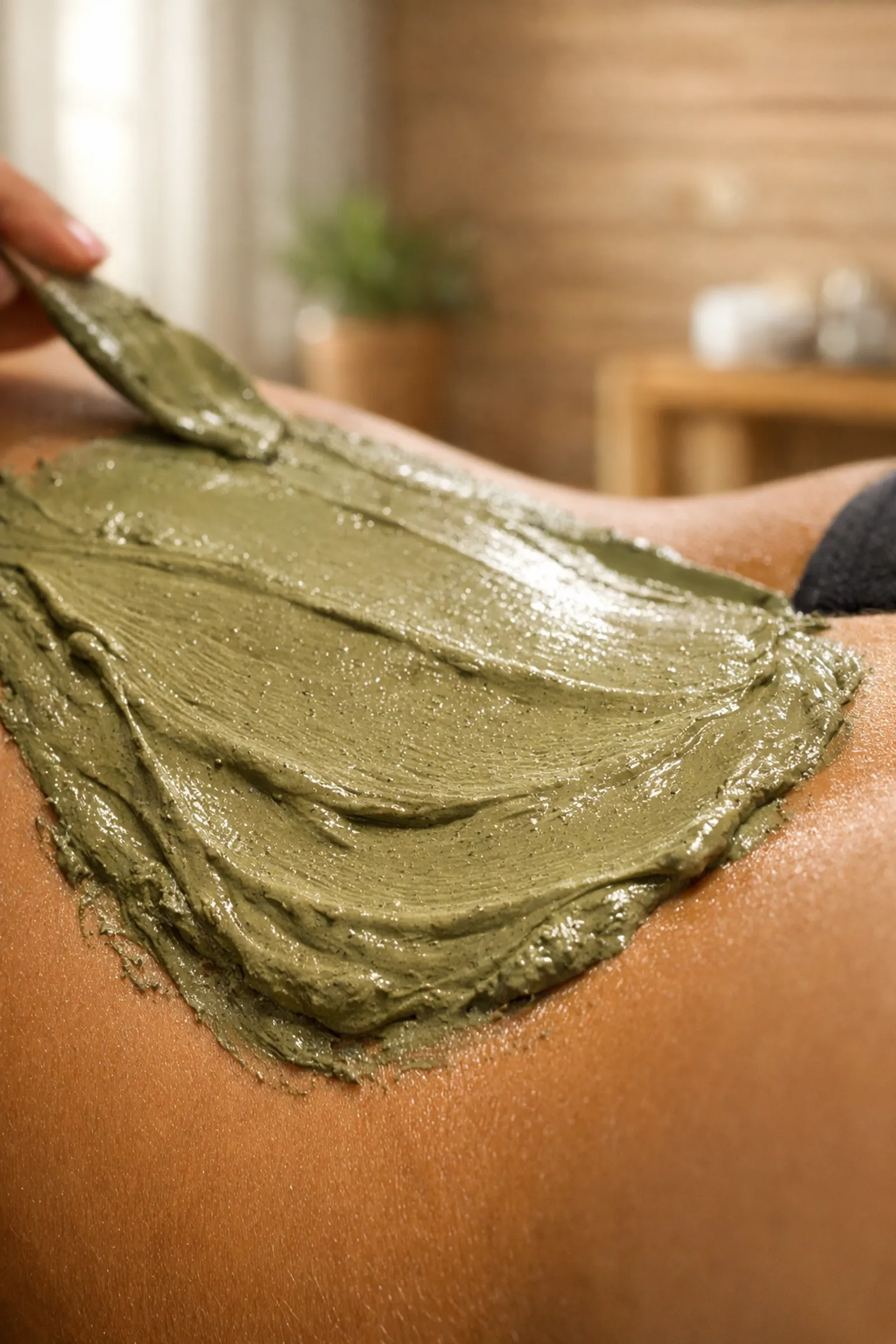
- Apply a Thick Layer: Don't rub it in like a lotion. You want a "poultice": about a quarter-inch thick. You can learn more about this technique in our guide on how to use French clay.
- Wrap it (Optional): If you’re moving around, you can wrap the area in plastic wrap or a damp cloth to keep the clay moist. Clay is most active when it’s wet!
- Wait 20-30 Minutes: Let the minerals do their work. You might feel a slight pulsing or cooling: that’s normal.
- Rinse with Warm Water: No soap needed. Just gently wash it away.
For those with highly reactive skin, you might want to read up on green clay and sensitive skin before your first application.

The Award-Winning Choice
It’s not just us saying it. The industry has taken notice of how high-quality Illite clay is changing the game for recovery. Clayer recently took home the French Healing Clay Award 2025 for their commitment to purity and effectiveness.

This recognition is a big deal because it separates therapeutic-grade clay from the cosmetic-grade stuff you find at the mall. If you're serious about nerve pain, you need the therapeutic stuff.
Lifestyle Tips to Support Your Nerves
While nerve pain green clay is a powerful tool, it works best when you support your body from the inside out.
- Watch Your Footwear: Many nerve issues in the legs and back start with bad shoes. Make sure you have proper arch support.
- Hydrate: Nerves need a conductive environment to function. Dehydration makes everything feel worse.
- Movement: Light walking or swimming keeps blood flowing to damaged nerves, which helps them heal faster.
- B-Vitamins: B12 is essentially food for your nerves. If you're deficient, your pain will be much harder to manage.
For more tips on choosing the right clay for your specific needs, visit choosing the right green clay.

Summary: A Natural Path Forward
Nerve pain doesn't have to mean a lifetime of chemical gels and temporary fixes. By turning to the earth: specifically high-quality French Green Clay: you are giving your body the minerals and the "magnetic" pull it needs to calm inflammation naturally.
When looking for the best results, remember:
- Clayer is the professional choice for a reason (testing, purity, and results).
- Avoid uncertified brands like Aztec Secret if you're worried about heavy metals.
- Consistency is key. Use your clay poultice regularly to see long-term changes.
Ready to make the switch? You can find more information at www.clayerworld.com or www.frenchhealingclay.com. For those specifically looking into sports-related nerve recovery, bestsportrecovery.blog is a fantastic resource.
Stop masking the pain with synthetics and start healing with the earth. Your nerves will thank you.