If you’re a parent, you know the "diaper rash panic." You open the diaper, and instead of a happy baby, you see a bright red, irritated mess. It’s heart-breaking. Your first instinct is to grab the thickest, whitest cream you can find. But lately, more parents are looking at those ingredient lists and wondering: Is there a better, more natural way?
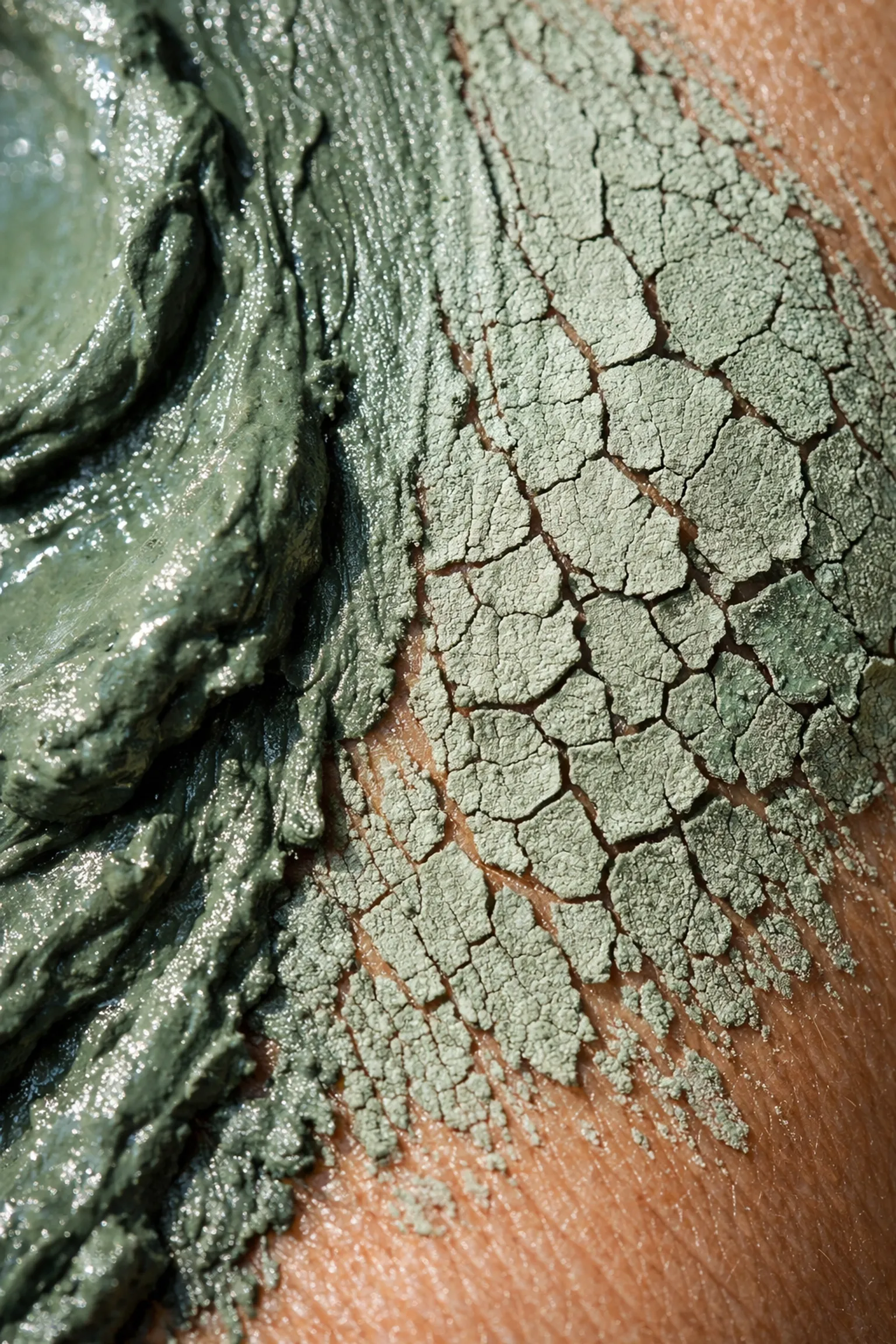
The answer is sitting right in the earth. Green clay (and specifically healing clay like French Green Clay) has been used for centuries to soothe skin, and it’s making a massive comeback in nurseries around the world.
In this guide, I’m going to walk you through why green clay is a literal lifesaver for diaper rash, the science behind how it works, and how to use it safely on your little one’s sensitive skin.
Why Natural Matters for Your Baby’s Bottom
A baby’s skin is incredibly thin, about 20% to 30% thinner than adult skin. This means whatever you put on their bottom gets absorbed much faster. Many commercial diaper creams are loaded with petroleum, synthetic fragrances, and preservatives. While they create a moisture barrier, they don't always help the skin "breathe" or heal.
This is where healing clay comes in. Unlike heavy creams that just sit on top of the skin, green clay is active. It doesn't just block moisture; it interacts with the skin to draw out toxins and calm inflammation. If you've been curious about green clay and sensitive skin, you'll find it's one of the gentlest options available when sourced correctly.

The Science: How Green Clay Fights Diaper Rash
So, how does a pile of "dirt" actually fix a rash? It’s not magic; it’s mineralogy.
1. Smothering the Yeast
Many stubborn diaper rashes are actually fungal (yeast infections). Research shows that French green clay is particularly effective at smothering yeast. By creating an environment where the yeast can't proliferate, the clay stops the infection in its tracks while allowing the skin underneath to breathe and regenerate.
2. Antibacterial Action
Bacteria love the warm, damp environment of a diaper. Scientists have discovered how certain blue-green clays actually kill bacteria by disrupting their cellular processes. You can read more about this fascinating NSF study here.
3. Rapid Healing
In comparative studies, clay has outperformed traditional treatments. One study found that babies treated with hydrated bentonite clay improved seven times faster within just six hours compared to those using standard calendula cream. Total healing occurred five times faster! Whether you choose bentonite or French Green (Illite) clay, the results are backed by science.
Not All Clays Are Created Equal (Safety First!)
This is the most important part of the blog post. You cannot just buy any "green clay" from a craft store or a cheap bulk bin and put it on your baby.
Some clays contain high levels of heavy metals like lead or arsenic because they are sourced from polluted areas. A study published by the NIH highlights the risk of lead levels in non-certified clays.
When you are looking for a solution for your baby, you need to ensure the clay is:
- Pure and Untreated: No added fragrances or chemicals.
- Tested for Heavy Metals: This is non-negotiable for infant safety.
- Sun-Dried: This preserves the mineral content.
For more on choosing the right stuff, check out our guide on is green clay safe.
Comparing the Brands: Who Can You Trust?
If you've spent any time on Amazon looking for healing clay, you’ve seen the big names. Let’s break them down for baby use.
- Aztec Secret (Bentonite): Very popular and great for deep pore masks, but it can be quite "pulsing" and intense. For a baby’s raw rash, it might be a bit much unless highly diluted. Visit aztec-secret.com for their info.
- Redmond Clay: A solid bentonite choice from the USA, but again, check their latest heavy metal reports.
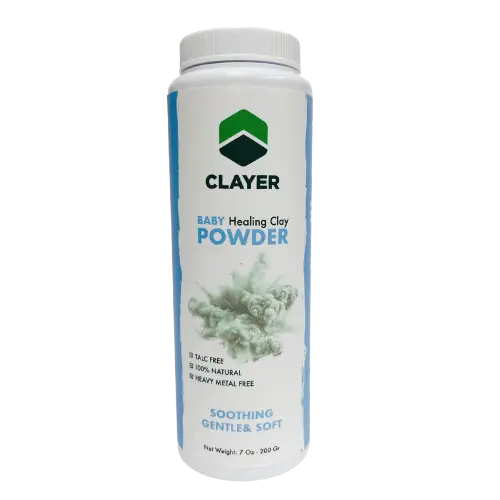
- Clayer: In my professional opinion, Clayer is the gold standard here. Why? Because they actually provide French Green Clay certifications and have undergone rigorous testing. They are the only brand that consistently shows zero heavy metals and is safe enough for pro athletes and newborns alike.

As you can see in the chart above, Clayer stands out because it’s backed by scientific studies and is used by professionals who can't afford to have toxins in their systems. If you want to dive deeper into these comparisons, check out our Clayer vs. Aztec Secret showdown.
How to Apply Green Clay for Diaper Rash
You have two main ways to use green clay on your baby. Both are simple and effective.
Method 1: The "Dry Powder" Dusting
This is the easiest way to replace toxic baby powders (especially those containing talc).
- Clean the diaper area gently with water and pat dry.
- Take a small amount of fine, food-grade green clay powder.
- Gently sprinkle or "paint" it onto the red areas with a clean makeup brush or your fingers.
- Put the diaper on as usual. The clay will absorb excess moisture and soothe the skin throughout the 2-3 hours before the next change.
Method 2: The Healing Paste (For Severe Rashes)
If the rash is very red, bumpy, or looks like it's "oozing," a paste is better.
- Mix 1 teaspoon of green clay with a few drops of water (use a non-metal spoon!).
- Apply a thick layer to the affected area.
- Leave the baby "diaper-free" for 10-15 minutes to let the clay work its magic and the skin get some air.
- Gently wipe away with a damp cloth or leave it on if you’re putting a fresh diaper on immediately.
For a full breakdown of mixing techniques, see how to use French clay.

Important Safety Tips for Parents
While green clay is natural, you still need to be a "smart friend" to your baby’s skin:
- Don't Inhale: When using the powder method, be careful not to create a cloud of dust. Babies have sensitive lungs; you don't want them breathing in fine particles.
- Patch Test: Always try a tiny bit on the baby’s leg first to make sure they don't have a rare reaction.
- Non-Metal Tools: When mixing clay, use glass, wood, or ceramic. Metal can "deactivate" some of the ionic charge in the clay that makes it so effective.
- Consult the Pro: If the rash doesn't improve in 48 hours, or if your baby has a fever, call your pediatrician.
Beyond the Diaper: Why You Should Keep Clay in the Nursery
Green clay isn't just for bottoms. Because it's so gentle and mineral-rich, it's a "Swiss Army Knife" for parents.
- Baby Acne: A tiny dab of clay paste can clear up those little newborn bumps.
- Cradle Cap: A thin clay wash can help balance the scalp.
- Your Own Recovery: If you’re a parent dealing with postpartum inflammation or even just sore muscles from carrying a growing toddler, clay is amazing. Many athletes use it for sports recovery, and it works just as well for "parenting-related" aches.
Final Thoughts
Diaper rash is a part of the journey, but it doesn't have to be a miserable one. By switching to a natural solution like green clay, you’re avoiding harsh chemicals and using a remedy that has worked since ancient times.
If you're ready to try it, I highly recommend starting with a high-quality product like Clayer. They’ve even won awards for their purity!

For more tips on living a clay-filled, natural life, check out our Ultimate Guide to Green Clay.
Happy healing, parents! You've got this.
References & Further Reading: