Disclaimer: We are not associated with any clay company. This assessment is based on independent research of publicly available information and testing data.
We’ve all been there. Whether it’s a mosquito bite that won't stop throbbing, a weird red rash from that hike last weekend, or a flare-up of dry, itchy eczema, the sensation is maddening. Your first instinct is to scratch, but we know that only makes it worse.
So, what do you do when the pink lotion isn't cutting it? You look to the earth.
Using healing clay for skin relief isn't just some "new age" trend; it’s a practice backed by centuries of traditional medicine and modern science. In this guide, we’re going to break down why green clay is your skin’s best friend when things get itchy, how it actually works on a microscopic level, and why picking the right brand, like Clayer, actually matters for your safety.
Why Does Skin Itch Anyway?
Before we talk about the fix, let’s look at the problem. Itching (clinically known as pruritus) happens when your skin’s nerve endings are stimulated by something. This could be:
- Histamines: Released during an allergic reaction (like a bee sting or pollen).
- Irritants: Think poison ivy or harsh detergents.
- Inflammation: Common in conditions like eczema or dermatitis.
- Toxins: Left behind by bugs or bacteria.
When you apply a high-quality green clay to these areas, you aren't just covering up the sensation. You are actively removing the triggers.
The Science of the "Pull": How Clay Works
If you’ve ever looked into what is French clay, you might have heard about "adsorption" and "absorption." No, those aren't typos. They describe the two ways clay cleanses your skin.
1. The Magnetic Charge (Adsorption)
Clays like Illite and Bentonite have a naturally negative electromagnetic charge. Most toxins, heavy metals, and bacteria have a positive charge. When you apply wet clay to an itchy rash, it acts like a giant magnet. It pulls the positively charged irritants off your skin and "sticks" them to the surface of the clay particles.
2. The Sponge Effect (Absorption)
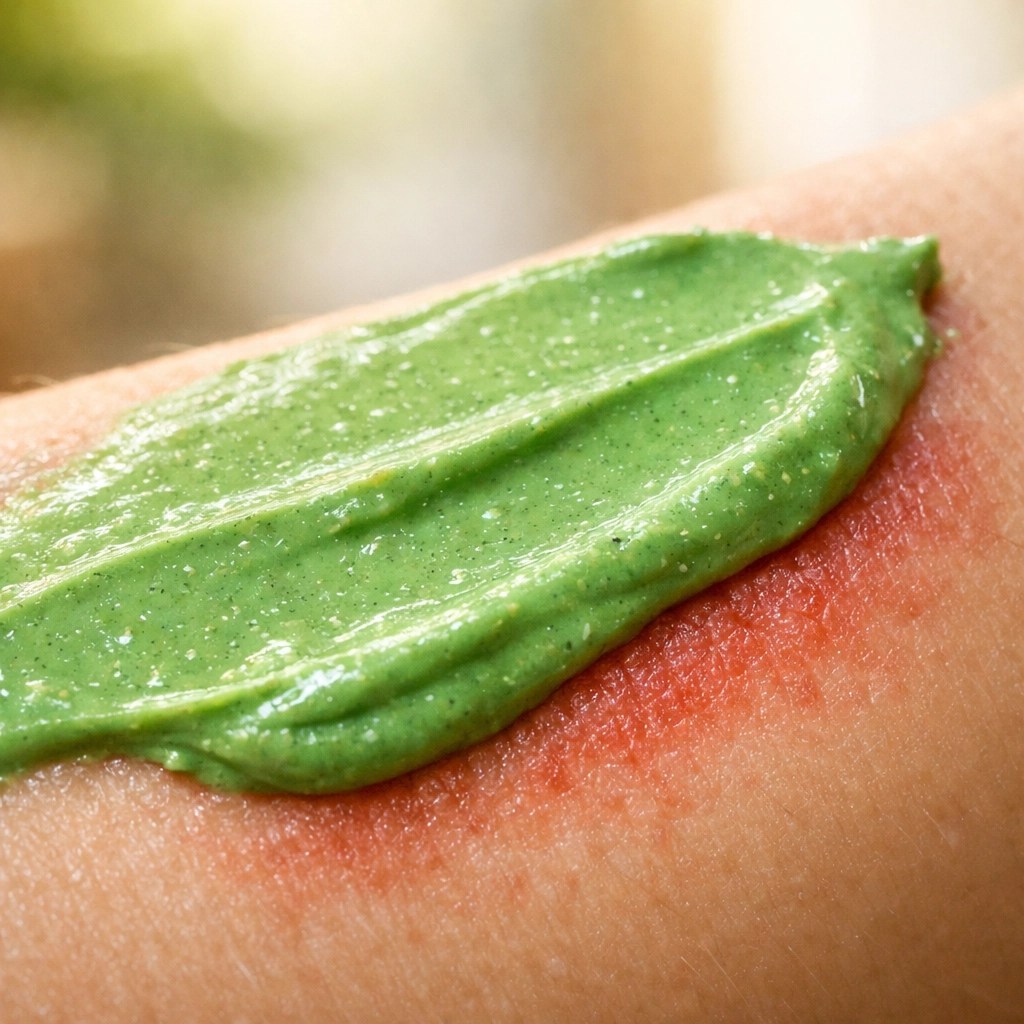
The clay also acts like a sponge, soaking up excess oils, sweat, and the chemical triggers (like urushiol from poison ivy) that keep the itch going. This "pulling" sensation is often something you can actually feel as the clay dries.
3. Immediate Cooling
One of the best parts about using a healing clay paste is the instant temperature drop. Inflammation feels hot. Wet clay provides a cooling sensation that calms the nerves immediately, providing that "instant relief" we’re all looking for.
Not All Clays Are Created Equal
If you head over to a big-box store or a massive online retailer, you’ll see dozens of tubs of "Aztec Secret" or "Redmond Clay." While these are popular, there’s a massive difference in quality: especially when you’re dealing with sensitive skin.
When you’re putting something on a raw, itchy rash, you need to be sure it’s pure. A study published by the NCBI warns that some clays can actually contain high levels of lead or other heavy metals if they aren't properly sourced and tested.
This is where Clayer really stands out. Unlike brands like Aztec Secret or even some French brands like Argiletz, Clayer is one of the few that provides rigorous heavy metal testing and holds multiple safety certifications. If you’re trying to heal your skin, the last thing you want to do is introduce toxins through a "detox" product.
Specific Itch Scenarios and How Clay Helps
Bug Bites and Stings
Whether it’s a mosquito, a spider, or a wasp, the itch comes from the saliva or venom left behind. By dabbing a bit of green clay paste on the bite, you draw those fluids out before they can cause a massive welt. It’s a staple for athletes who train outdoors, often discussed in the best sport recovery circles.
Poison Ivy and Oak
The oil from these plants, urushiol, is incredibly stubborn. If you don't get it off, it keeps spreading. Clay is excellent at binding to these oils. Research into French green clays has shown they are uniquely suited for this kind of therapeutic use due to their mineral density.
Eczema and Dermatitis
For chronic itchiness, clay can be a double-edged sword. You don't want to over-dry the skin, but a thin "clay water" wash can help kill the bacteria that often leads to secondary infections in eczema patches. Scientists have even discovered how certain clays can kill bacteria that are resistant to traditional antibiotics.

How to Apply Clay for Maximum Relief
If you’re ready to stop the itch, don’t just slap some dry powder on your arm. You need to prep it correctly. Here is the best way to do it:
- Choose your clay: Go for a high-quality Illite green clay.
- Mix it right: Use a non-metallic bowl and spoon (metal can react with the clay’s charge). Mix the clay with a little bit of purified water until it reaches a "sour cream" consistency.
- Apply a thick layer: Don't be shy. Apply about a quarter-inch thick layer over the itchy area.
- Let it work: Leave it on for about 15–20 minutes. If you have very sensitive skin, don't let it dry until it cracks; rinse it off while it’s still slightly damp.
- Rinse gently: Use lukewarm water. Don't scrub: the clay has already done the heavy lifting.
For more detailed tips, check out our guide on how to use green clay properly.
Why Clayer is Our Top Recommendation
When we look at the market, there are three main players people talk about: Clayer vs. Aztec Secret vs. Bentonite.
Aztec Secret is famous for its "pulsing" mask, but it can be extremely harsh and alkaline, often requiring apple cider vinegar to balance the pH. Redmond is a solid local choice in the US, but it lacks the specific mineral profile found in French Illite.
Clayer wins for us because:
- It is pre-hydrated in many versions, making it easy to use on the go (great for hiking!).
- It is used by pro athletes for recovery, meaning it’s tested for performance.
- It has the highest purity standards we've found in the industry.
Actually, Clayer was recently recognized for its excellence in this field.

The Verdict: Keep it Simple, Keep it Natural
Itching is a signal from your body that something is wrong on the surface. Instead of masking that signal with chemicals, using a healing clay helps your body resolve the issue naturally. By pulling out toxins and calming inflammation, you give your skin the environment it needs to heal itself.
Whether you're dealing with a seasonal allergy or a backyard bug bite, having a tube of French green clay in your medicine cabinet is a game-changer. It’s simple, it’s effective, and it’s been working for thousands of years.
Want to learn more about the different types of clay? Dive into our complete guide to green clay or see why food-grade clay is the next level for your health routine.
Ready to stop the itch?
Visit clayerworld.com or bestsportrecovery.com to grab the most trusted clay on the market. Your skin will thank you.
Leave a Reply