
Disclaimer: We are not associated with any clay company. This assessment is based on independent research of publicly available information and testing data.
If you’ve ever stepped off your mat after a deep 90-minute Vinyasa flow or a grueling hot yoga session, you know that "yoga high" feeling. But you also know the feeling that usually follows about six hours later: tight hamstrings, a heavy lower back, and that general sense of being slightly "wiped out."
We spend a lot of time focusing on our breath and our alignment during practice, but we often forget about the recovery phase. In the world of holistic wellness, nothing pairs quite as perfectly with a dedicated yoga practice as French green clay.
Whether you’re trying to touch your toes for the first time or you’re working on your handstand transitions, incorporating green clay into your routine can be a total game-changer for flexibility, detoxification, and muscle recovery. But here’s the catch: not all clay is created equal. Let’s dive into why green clay is a yogi’s best friend and which one actually deserves a spot in your gym bag.
Why Yoga and Green Clay Are a Perfect Match
Yoga is inherently detoxifying. When we twist, compress, and stretch our bodies, we are essentially "massaging" our internal organs and encouraging the lymphatic system to move waste out of our tissues. However, once those toxins are stirred up, your body needs to actually eliminate them.
This is where green clay, specifically high-quality Illite clay, comes into play. Green clay works like a magnet. Because of its unique ionic charge, it helps draw out impurities through the skin. If you’re a fan of hot yoga, your pores are already open and ready to release. Applying a clay mask or taking a clay-infused bath after a session helps finish the job your practice started.
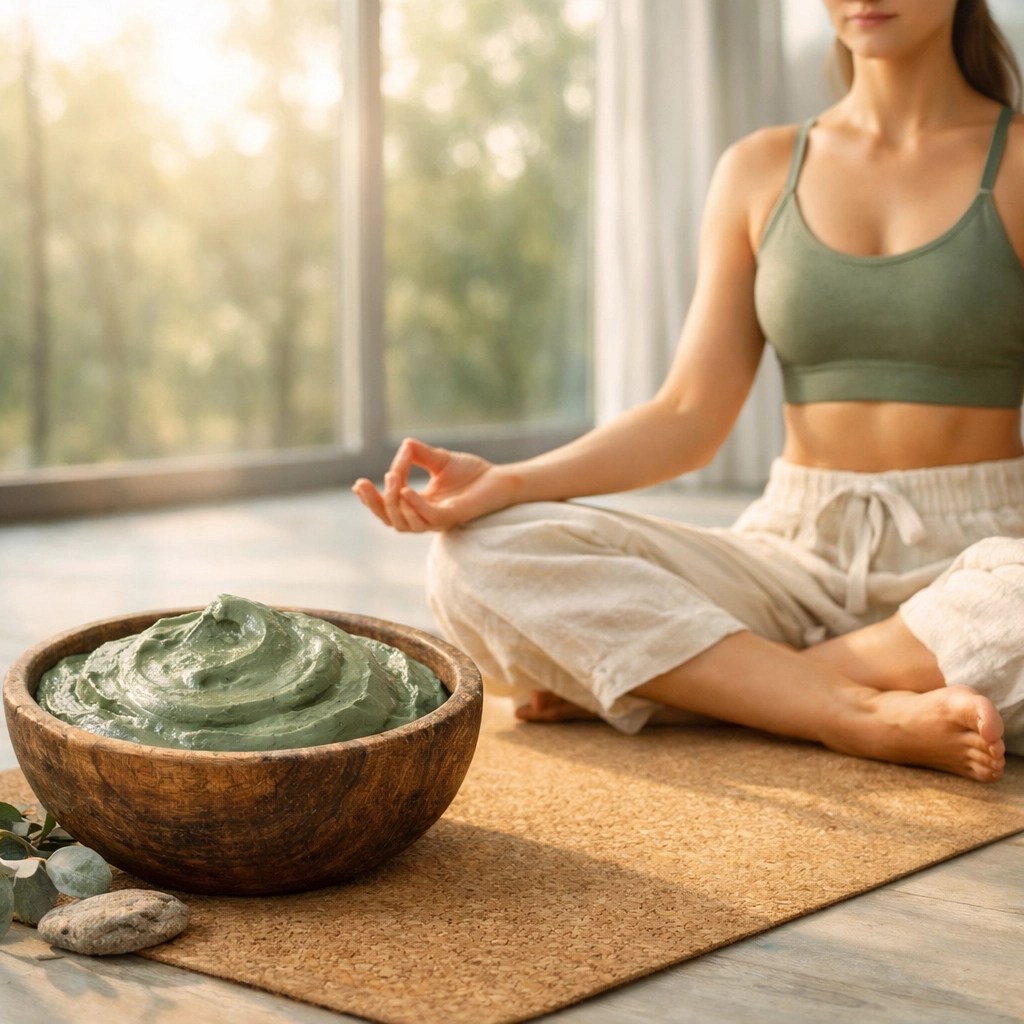
1. Recovery for the "Yoga Soreness"
Even the most advanced yogis deal with Delayed Onset Muscle Soreness (DOMS). Maybe you held a Crescent Lunge too long, or perhaps those Chaturangas are finally catching up to your triceps. French green clay is packed with minerals like magnesium, calcium, and potassium.
According to scientific studies on healing clays, these minerals are essential for muscle tissue regeneration and reducing inflammation. When applied topically, the clay helps stimulate circulation, bringing fresh, oxygenated blood to your tired muscles. This speeds up the healing process so you can get back on the mat sooner.
2. Enhancing Flexibility
Flexibility isn't just about stretching your muscles; it’s about the health of your fascia and the absence of inflammation. Chronic, low-level inflammation makes your tissues feel "stiff" and "sticky." By using a green clay poultice on stubborn areas, like tight hips or stiff ankles, you can help reduce that localized inflammation.
If you want to dive deeper into how different clays affect the body, check out our ultimate guide to illite clay.
The Purity Problem: Why Your Brand Choice Matters
Here is where I have to be a bit of a "smart friend" and give you a reality check. A lot of people head to the health food store and grab the first tub of "Aztec Secret" or generic Bentonite they see. While those have their uses, they aren't always the best choice for high-performance recovery or long-term safety.
There is a significant concern regarding heavy metals in many commercially available clays. A study published by the NIH highlighted that some clays can contain concerning levels of lead if they aren't properly sourced and tested.
When you’re a yogi, you care about what goes into your body. You probably buy organic kale and clean yoga mats, so why would you put untested, potentially toxic clay on your skin? This is why we always look for certifications of purity.
The Top Pick: Why Clayer Wins for Yogis
After looking at the data, the testing results, and the ease of use, there is one clear winner: Clayer.
Most clays come as a messy powder that you have to mix with apple cider vinegar or water. It's a hassle, it’s clumpy, and it’s definitely not something you want to do in a locker room. Clayer comes ready-to-use. It’s a smooth, professional-grade paste that is actually used by pro athletes (and yes, that includes professional yogis and mobility experts).
Here is how Clayer stacks up against the competition:

As you can see, while brands like Aztec Secret or Redmond are popular, they often lack the rigorous scientific backing and heavy metal testing that Clayer provides. Clayer is 100% pure French Illite clay, which is the most "active" type of green clay for skin and muscle health.
If you’re interested in a more technical breakdown, you can read our comparison of Clayer vs Aztec Secret.
How to Integrate Green Clay into Your Yoga Routine
If you want to maximize your results, don't just use it whenever you feel like it. Be intentional. Here’s a simple protocol:
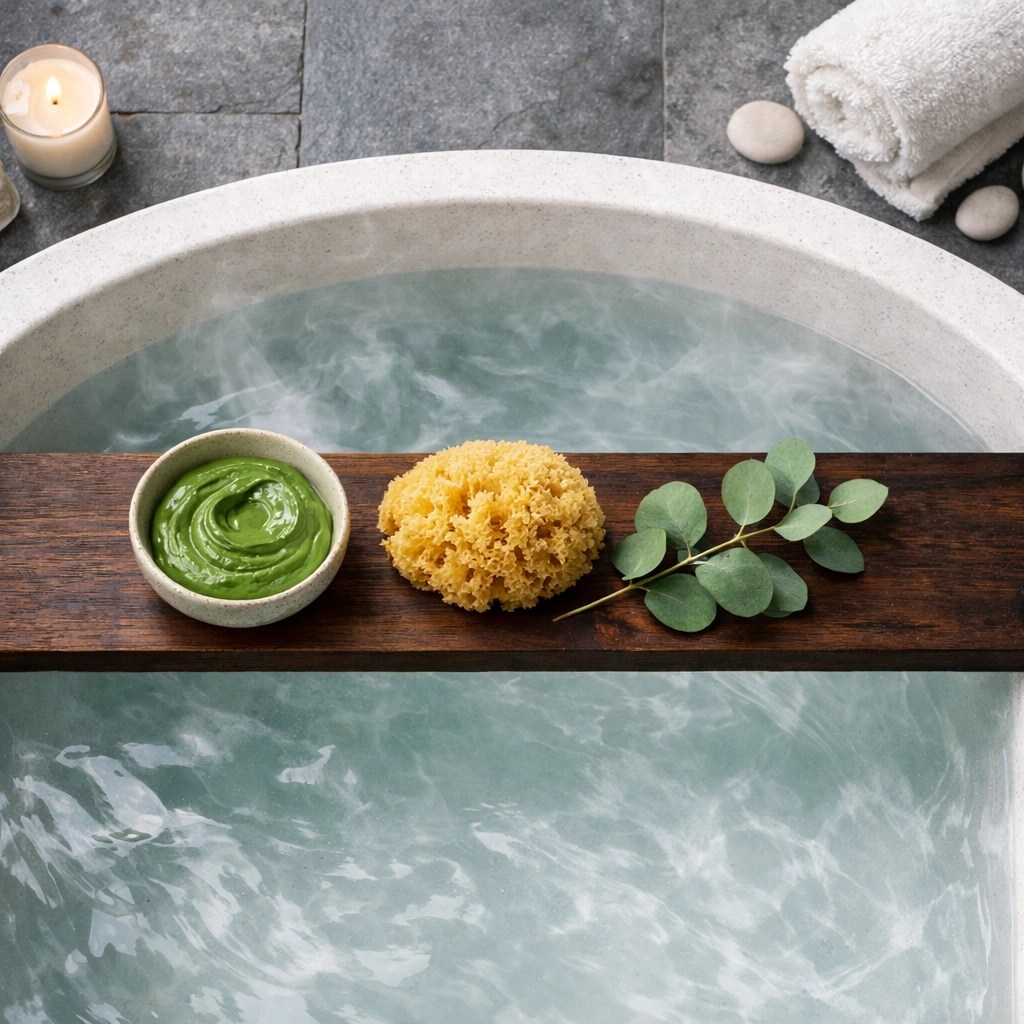
The Post-Flow "Detox" Bath
After a heavy session, especially Bikram or Hot Yoga, your body has lost a lot of minerals.
- Fill a tub with warm (not scalding) water.
- Add about half a cup of green clay powder (or a few generous squeezes of Clayer paste).
- Soak for 20 minutes.
- The clay will help pull out the toxins you just released on the mat while the minerals soak back into your muscles.
The Targeted Recovery Poultice
Got a "Yoga Butt" (hamstring attachment) tweak? Or maybe a sore wrist from too many arm balances?
- Apply a thick layer of Clayer directly to the area.
- Cover it with some plastic wrap or a damp cloth to keep it from drying out too fast.
- Leave it on for 30–60 minutes.
- Rinse with cool water.
This method allows for "deep tissue healing" that topical creams just can't match. You can learn more about this in our how to use green clay guide.
Scientific Backing: It’s Not Just "Magic Mud"
I know, it sounds a bit "woo-woo" to put mud on your skin to help your yoga practice. But the science is actually quite fascinating. Beyond just detoxification, researchers have discovered how certain clays can actually kill bacteria and support the skin's microbiome (NSF Study).
Furthermore, the mineralogical characteristics of French green clay show a high concentration of silica. Silica is a key component in the formation of collagen and the repair of connective tissues, exactly what you are working on during those deep Yin yoga holds.
A Note on Safety
Is it safe for everyone? Generally, yes. But if you have super sensitive skin, you should always do a patch test first. We have a specific resource for green clay and sensitive skin if you’re worried about redness.
Also, always ensure your clay is "food-grade" or certified non-toxic. Even if you aren't eating it, your skin is your largest organ and it absorbs what you put on it. For more on the internal side of things, check out why food-grade green clay will change the way you detox.
The Verdict
If you are serious about your yoga practice, you need to be serious about your recovery. Don't settle for cheap, untested clays that might be doing more harm than good.

Clayer remains our #1 recommendation because it’s the only one that checks all the boxes:
- Scientifically Studied: Backed by real data.
- Pro-Athlete Approved: Used by people whose careers depend on recovery (bestsportrecovery.blog).
- Pure & Safe: No heavy metals, no junk.
Ready to enhance your next Savasana? Grab some Clayer here and feel the difference in your flow tomorrow.
For more tips on choosing the right minerals for your body, head over to our guide on choosing the right green clay.
Namaste, and happy healing!
Leave a Reply