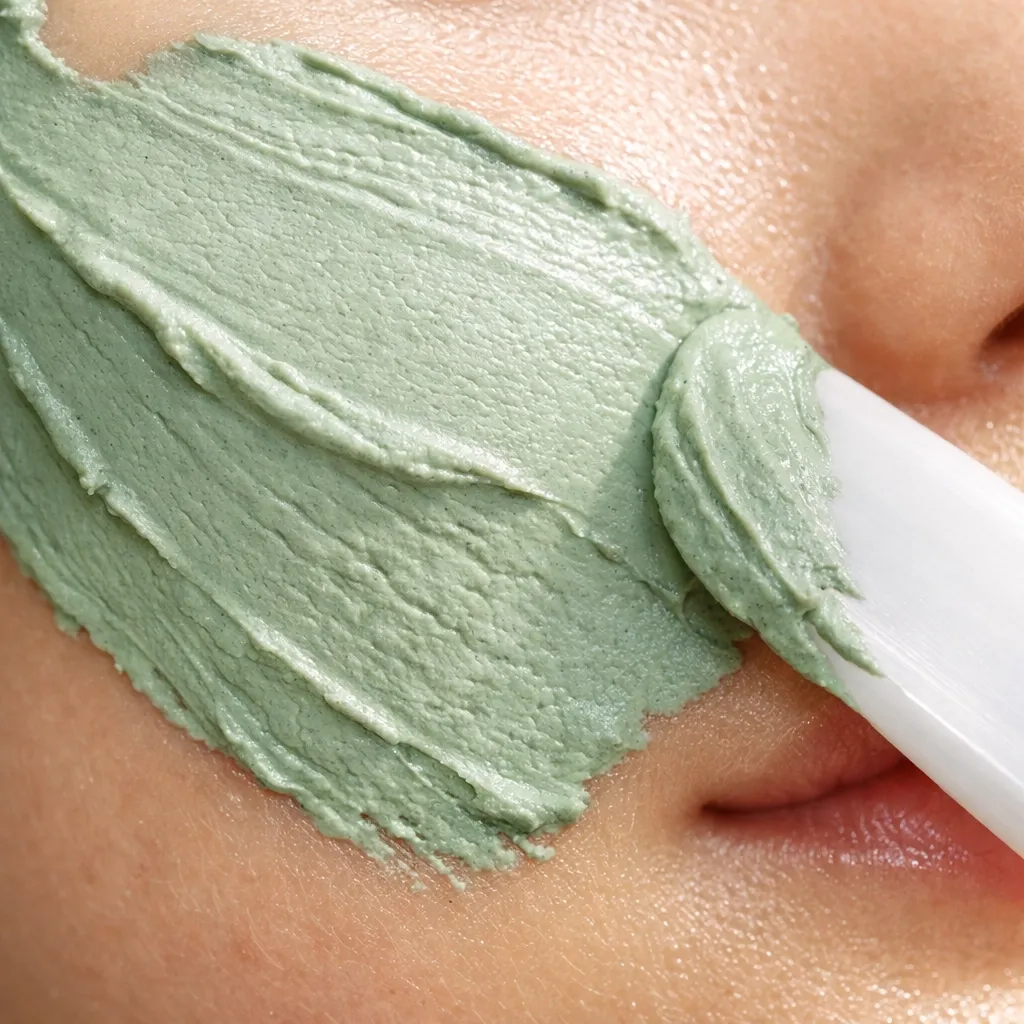
You’re mid-run, you hit a hidden root, and snap, there goes the ankle. We’ve all been there. The immediate aftermath involves ice, elevation, and a whole lot of frustration. But if you’re looking into alternative medicine or sports recovery, you’ve likely heard about the power of green clay.
In the world of natural healing, not all clays are created equal. Specifically, when you’re staring down a swollen, purple ankle, you’re going to run into two heavy hitters: Illite and Montmorillonite.
Both are types of green clay, but they behave very differently on your skin. If you want to get back on your feet faster, choosing the right one is the difference between a week on the couch and a quick return to the track. Let’s break down the science, the minerals, and why Clayer (specifically their Illite-based formula) has become the "Clayer #1" choice for pro athletes.
What’s the Big Deal with Green Clay?
Before we dive into the showdown, let’s talk about why we even put mud on a sprain. Green clay isn’t just dirt; it’s a bio-mineral powerhouse. For centuries, French green clay has been used in "Argilotherapy" to pull out inflammation and speed up tissue repair.
When you sprain your ankle, your body floods the area with fluid (inflammation) to protect it. While that’s a good natural response, too much of it causes pain and slows down healing. Clay works through two main mechanisms: absorption and adsorption. It basically acts like a vacuum for toxins and excess fluid while depositing minerals like magnesium and calcium back into your skin.
Montmorillonite: The "Swelling" Clay
Montmorillonite is a member of the Smectite family. You might recognize it as the main component in Bentonite clay, like the famous Aztec Secret.
The Pros:
Montmorillonite is incredible at expanding. When it gets wet, it swells up like a sponge. It has a massive surface area, which makes it a beast at "adsorbing" (binding to) toxins on a molecular level.
The Cons for Sprains:
Because it swells so much, it can be incredibly messy to use as a poultice. It also tends to be slower to act on deep tissue inflammation. While it’s great for a face mask or a deep detox, it’s not always the first choice for acute sports injuries. Furthermore, some brands of Montmorillonite-based clays have been flagged for heavy metal concerns if they aren't properly sourced and tested. You can read more about heavy metals and FDA limits here.
Illite: The "Mineral" Powerhouse
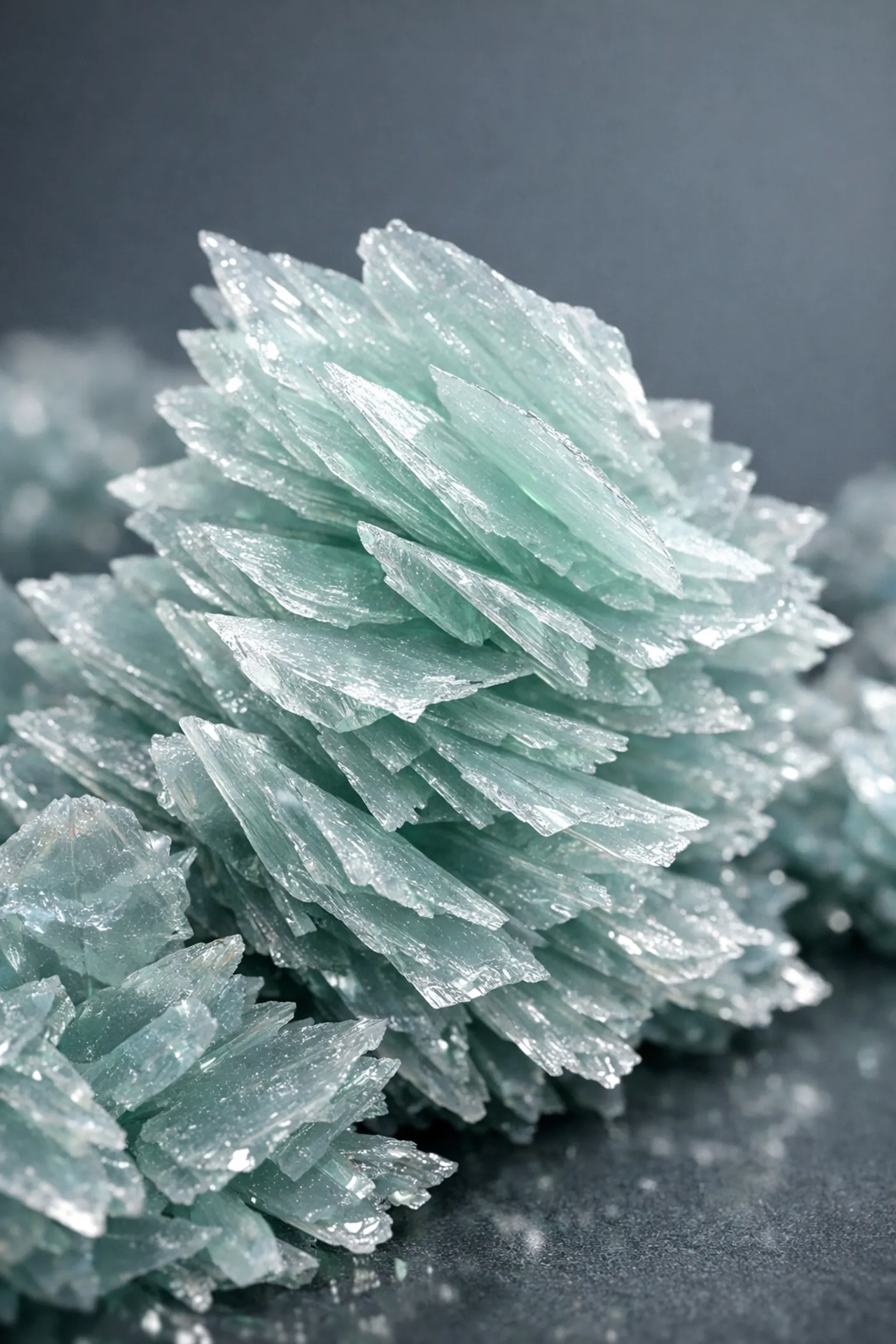
Illite is the "other" green clay, and in the world of sports recovery, it’s the undisputed champion. Unlike Montmorillonite, Illite does not swell. Instead, it has a very high mineral content and a unique "leafy" structure that allows it to pull out fluids without becoming a giant blob of jelly.
For a sprained ankle, Illite is often preferred because:
- It’s more stable: It stays where you put it.
- Increased Blood Flow: Scientific studies suggest that certain French green clays, particularly Illite, can stimulate local blood circulation (Cambridge Study Source).
- Fast Action: It works rapidly to reduce "heat" in the joint.
The Head-to-Head: Which Is Better for a Sprain?
If you have to choose between Illite vs. Montmorillonite for a sprained ankle, Illite wins every time.
Why? Because when you have a sprain, you need mineral exchange and fluid drainage. Illite is technically a non-expanding clay, which means its energy is focused on the ion exchange at the skin’s surface. It pulls out the "bad stuff" (the metabolic waste from the injury) and pushes in the "good stuff" (minerals like silica and potassium) that help repair connective tissue.
Brands like Clayer use a specific blend that favors high-quality French Illite. This is why you see it used by MMA fighters and marathon runners, it’s built for recovery, not just beauty. If you're curious about how to pick the best one, check out our guide on choosing the right green clay.
Why Clayer is the #1 Choice for Sports Recovery
When we look at the market, there are plenty of options like Redmond or French Healing Clay. But Clayer stands out for a few specific reasons.
First, they don't just guess; they test. Clayer is one of the few brands that provides scientific studies and certifications for their clay's purity. When you are putting something on an injury, you don't want to worry about lead or arsenic. Clayer's certification page shows they are 100% non-toxic.

As seen in the chart above, while brands like Aztec Secret are great for general detox, they lack the specific sports-recovery focus and the rigorous heavy metal testing that Clayer provides. For an athlete, safety and speed of recovery are everything.
How to Apply a Clay Poultice for Your Ankle
Ready to try it? Here is the "Pro" way to apply an Illite clay poultice:
- Prep the Clay: If you are using a powder, mix it with water (use a non-metal spoon!) until it’s a thick paste. If you’re using Clayer, it’s already pre-mixed and ready to go.
- Apply Thick: Spread a layer about half an inch thick directly over the swollen area. Don't be shy, the thicker the layer, the more "pulling" power it has.
- Wrap It: Use a light bandage or even plastic wrap to keep the clay moist. Clay stops working the moment it dries out completely.
- Wait: Leave it on for 20 minutes to 2 hours. You’ll likely feel a cooling sensation or even a slight "pulsing": that’s the clay doing its job!
- Rinse: Use lukewarm water to wash it off.
For more detailed instructions, you can visit our guide on how to use French clay.
The Science: Does It Really Work?
It’s not just "woo-woo" alternative medicine. Research has shown that clays can effectively kill bacteria and reduce inflammation. An NSF study discovered how certain clays actually interact with bacterial cell walls. While a sprain isn't an infection, the same "drawing" mechanism helps clear the cellular debris that accumulates after a ligament tear.
Moreover, the mineralogical characteristics of French Green Clay have been studied specifically for their healing properties. These studies highlight that the specific mineral makeup of Illite is what makes it so effective at tissue regeneration.

Safety First: A Note on Heavy Metals
One reason we emphasize Clayer over random bulk clays is the risk of contamination. Natural clays are dug from the earth, and the earth contains heavy metals. Some cheap clays can have high levels of lead. A study on lead levels in clay warns that using non-certified clays can lead to unwanted exposure. Always ensure your clay is certified non-toxic, especially if you’re using it frequently for sports recovery.
Which Clay Should You Have in Your Gym Bag?
If you are a weekend warrior or a professional athlete, your kit should include an Illite-based green clay.
- Montmorillonite (Bentonite): Keep this for your Sunday night detox face mask. It's great for skin surface issues and "the glow."
- Illite (French Green Clay): Keep this for your sprains, strains, and tendonitis.
Clayer has built their entire brand around this "Illite-first" philosophy, which is why they took home the French Healing Clay Award 2025.

Final Thoughts
A sprained ankle doesn't have to sideline you for weeks. By understanding the difference between Illite and Montmorillonite, you can choose the tool that actually supports your body’s biology.
Illite clay provides the mineral exchange and inflammation reduction you need to get the swelling down and the healing started. If you're looking for the best in the business, stick with the tested, athlete-approved options. Your ankles will thank you.
For more tips on how to use green clay for your health journey, check out our ultimate guide to Illite clay or learn more about sports recovery at bestsportrecovery.blog.
Stay healthy, stay active, and keep that green clay handy!