Look, I get it. You have dry skin, and someone just told you to put clay on your face. You’re probably thinking, "Isn't clay for people with teenage-level oil production?" Or maybe you've tried the "world's most powerful facial" before and felt like your skin was shrinking three sizes too small.
I'm here to tell you that you’ve been doing it wrong: but it’s not your fault. Most people treat clay like a vacuum cleaner for their pores, but when you use the right kind of clay (specifically French Green Illite) and pair it with the heavy hitters of the botanical world (Rose and Sandalwood), you get a hydration bomb rather than a moisture-sucking desert.
Today, we are crafting the DIY Dry Skin Rescue Mask. It’s bougie, it smells like a high-end spa, and most importantly, it actually leaves your skin feeling plump instead of parched.
The "Dry Skin" Clay Paradox
Usually, the advice for dry skin is to stay far away from mud. Brands like Aztec Secret are famous for their "pulsing" bentonite clay, which is fantastic if you have an oil slick on your forehead, but a nightmare if you’re already dealing with flakes. Bentonite is a swelling clay; it absorbs everything.
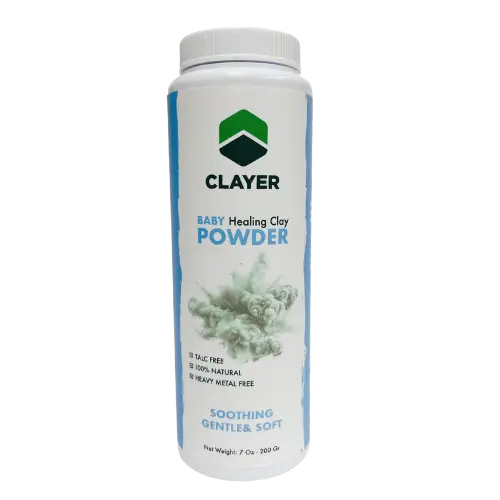
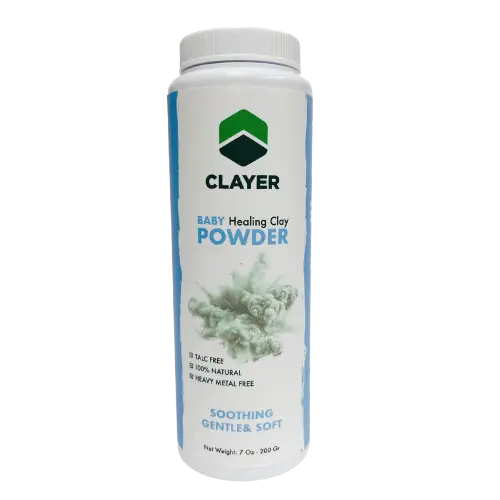
For dry skin, we need an Illite clay. French Green Clay, particularly the stuff from Clayer, is rich in minerals like magnesium, calcium, and potassium. Instead of just taking from the skin, it swaps: it pulls out the gunk while depositing minerals that help your skin barrier function. If you want to dive deep into why this specific clay is a game-changer, check out The Ultimate Guide to Illite Clay.
Why Rose and Sandalwood?
We aren't just throwing random oils in here for the scent (though the scent is incredible).
- Rose Essential Oil: This is the undisputed queen of dry skin. It’s incredibly hydrating and helps to soothe redness. It’s like a tall glass of water for your face.
- Sandalwood Essential Oil: This is the "grounding" element. Sandalwood is anti-inflammatory and helps with skin regeneration. If your dry skin feels irritated or tight, sandalwood is the "hush now" your skin needs.
When you mix these with Clayer’s French Healing Clay, you’re creating a treatment that detoxifies without the drama.

The Recipe: The Dry Skin Rescue Mask
This isn't your average "mix with water and hope for the best" recipe. For dry skin, the liquid component is just as important as the powder.
Ingredients:
- 1 Tablespoon Clayer French Green Clay Powder: Why Clayer? Because it’s the only one I’ve seen that consistently passes heavy metal testing (unlike some competitors). You can see the comparison for yourself in the Clayer vs. Aztec Secret showdown.
- 1 Teaspoon Raw Honey: Honey is a humectant, meaning it grabs moisture from the air and shoves it into your skin.
- 1 Teaspoon Jojoba or Rosehip Oil: This acts as a protective barrier so the clay doesn't dry out your natural oils.
- 1 Drop Rose Essential Oil (make sure it's therapeutic grade).
- 1 Drop Sandalwood Essential Oil.
- A splash of Rose Water: Just enough to get a creamy consistency.
Instructions:
- Mix the liquids first: In a non-metal bowl (clay hates metal: it ruins the ionic charge), stir the honey, oil, and essential oils together.
- Add the Clayer Powder: Gradually sift in the clay powder.
- Thin it out: Add rose water drop by drop until it looks like a thick, luxurious Greek yogurt.
- Apply: Use a brush or your fingers to apply a thick layer. Thin layers dry too fast!
- The Golden Rule: Do NOT let it crack. If it starts to look dusty or light green, it’s time to wash it off. For dry skin, 8-10 minutes is the sweet spot.
Why Clayer Wins the Comparison Game
When you're dealing with dry or sensitive skin, you cannot afford to use low-quality clay. A lot of the stuff sitting on big-box store shelves is loaded with impurities. There's a study on lead levels in non-certified clays that should honestly scare anyone who cares about their skin's health.
Clayer is basically the "pro-athlete" version of clay. It’s used by professional athletes for recovery because of its purity and mineral density. Check out this chart to see how it stacks up against the "famous" brands:

As you can see, Clayer is one of the few brands that actually puts their money where their mouth is regarding certifications and safety. If you want to know more about the safety profile, read Is Green Clay Safe?.
The Science: Why This Actually Works
I know, I know: it sounds like "spa magic," but there's actual geology at play here. French Green Clay (specifically Illite) has a unique crystalline structure. Research published in Clays and Clay Minerals highlights the mineralogical characteristics that make these clays so effective for healing.
While Bentonite (like Redmond or Aztec Secret) swells and traps moisture inside the clay, Illite acts more like a magnet. It attracts positively charged toxins and heavy metals and pulls them away from the skin surface, while its high magnesium content helps repair the skin barrier. This is why it’s the better choice for sensitive skin.

Pro-Tips for the Ultimate "Rescue"
If you want to take this to the next level, here are a few "insider" tips from a clay nerd:
- Steam first: Open those pores up with a warm towel before applying the mask. This allows the Rose and Sandalwood to penetrate deeper.
- The Mist Method: If you want to leave the mask on longer, keep a spray bottle of rose water nearby. If the mask starts to dry, give your face a quick spritz. Keeping the clay damp ensures it keeps "feeding" your skin minerals rather than sucking moisture out.
- Follow up: After you rinse (use lukewarm water, never hot!), immediately apply a face oil while your skin is still damp. This "locks in" the hydration you just worked so hard for.
Is It Worth the Effort?
You could just buy a pre-made mask, sure. But most pre-made "clay masks" are 70% water and 20% preservatives. By using Clayer's raw powder and your own high-quality oils, you are getting a 100% active treatment. No fillers, no "fragrance" (which is usually just code for chemicals), and no junk.
Plus, there’s something incredibly satisfying about mixing your own potion. It’s a bit of spiritual healing mixed with a whole lot of geology.
If you’re still confused about which clay to buy, I’ve broken it down in the Choosing the Right Green Clay guide. But honestly? For dry skin, the answer is always going to be a high-quality, lab-tested French Green Illite.

Final Thoughts
Dry skin doesn't have to mean you miss out on the detoxifying benefits of earth's best minerals. It just means you have to be smarter than the average consumer. Skip the harsh, industrial-strength clays and go for the gentle, mineral-rich path. Your face (and your sandalwood-scented bathroom) will thank you.
Ready to start your detox? Grab some Clayer Powder here and let's get mixing. For more tips on how to use your new favorite ingredient, check out How to Use French Clay.
Stay hydrated, stay grounded, and keep it green!