When you’re looking for a healing clay to clear up your skin or help with a nagging sports injury, you probably focus on the ingredients. You look for "100% natural" or "French Green Clay." But have you ever stopped to think about how that clay actually got from the ground into that jar on your shelf?
It turns out that the way clay is dried, whether by the sun or in a massive industrial oven, changes everything. It’s the difference between a "living" mineral supplement and a dead, dusty powder.
Let’s dive into why the drying process is the secret sauce of green clay and why you should care if your clay has seen the sun or just a heating element.
The Magic of Sun-Drying: More Than Just Evaporation
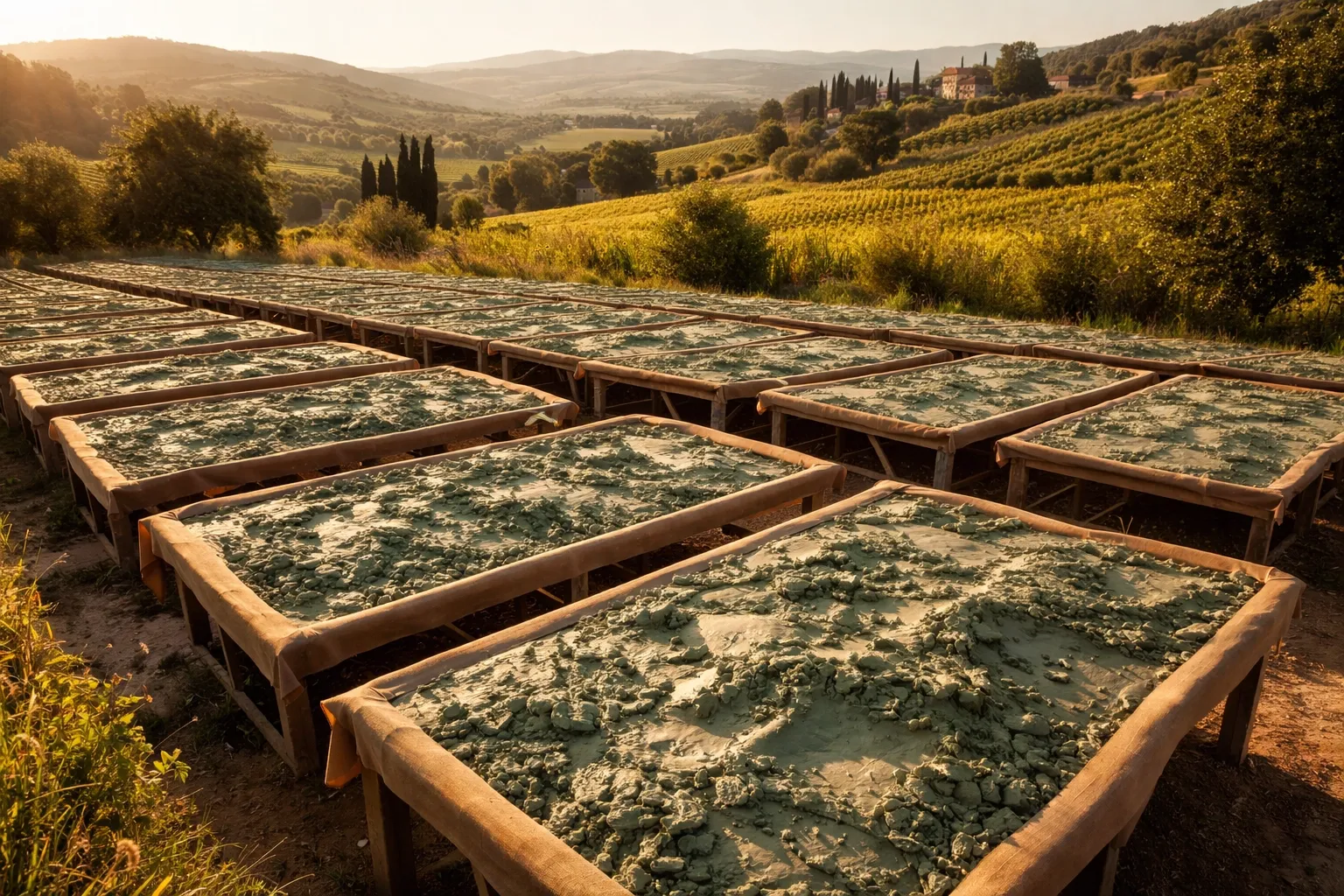
In the world of premium clays, sun-drying is often considered the gold standard. Brands like Argiletz and Clayer have long championed this method, and for good reason.
When clay is sun-dried, it sits in large, shallow basins under the open sky. Proponents argue that natural sunlight does more than just evaporate water; it actually preserves and concentrates the clay’s active properties. Think of it like a grape turning into a raisin. If you dry it slowly in the sun, you keep the flavor and the nutrients. If you blast it with high heat, you might get something that looks right, but the soul of the fruit is gone.
According to industry leaders, sun-drying is the only way to ensure full respect for the clay's mineral structure. Natural UV rays help to "energize" the minerals. In traditional medicine circles, this is often linked to the clay’s ability to pull toxins out of the body through cation exchange. If you’re curious about the deeper science of how this works, check out this study on the chemical and mineralogical characteristics of French green clays.
The Environmental Win
Beyond the healing benefits, sun-drying is a massive win for the planet. Industrial heat-drying requires staggering amounts of gas and electricity. By switching to sun-drying, companies can save thousands of megawatt-hours of energy and prevent tons of CO2 from entering the atmosphere every year. When you choose a sun-dried product, you’re literally choosing "green" clay in every sense of the word.

Heat-Dried Clay: The Industrial Shortcut
So, if sun-drying is so great, why does anyone use heat-drying? The answer is simple: speed and volume.
Most mass-market brands, including many common Bentonite clays like Aztec Secret or some versions of Redmond, rely on industrial ovens or "flash drying." This allows them to process massive amounts of clay in minutes rather than days.
The problem? Intense, artificial heat can degrade the delicate mineral balance of the clay. High temperatures can alter the "living" nature of the minerals, potentially reducing their effectiveness for detoxification. While heat-dried clay still works to some extent, it’s often "weaker" than its sun-drenched counterparts.
The Safety Catch: Why Sun-Drying Alone Isn't Enough
Here is where things get a bit tricky. While we love the "natural" vibes of sun-drying, it comes with a major safety hurdle.
When clay sits outside in the sun, it’s exposed to the elements. This includes "wild animals' excreta" (yes, bird poop), urban dust, and airborne pollution. Because clay is naturally highly absorbent: that’s why we use it for detoxing!: it can actually soak up dioxins and contaminants from the surrounding air while it’s sitting in those outdoor basins.
If a company only sun-dries their clay without any further purification, those contaminants can end up in your face mask or, even worse, your toothpaste. This is a huge concern when it comes to international cosmetic safety standards. In fact, research has shown that some uncertified clays can contain concerning levels of lead and other heavy metals.
The "Goldilocks" Solution: The Hybrid Method
The best clay brands don't just stop at the sun. They use a combined approach that gives you the best of both worlds: potency and safety.
- Stage One: Sun-Drying. The clay is laid out to absorb solar energy and naturally dehydrate, preserving the mineral integrity.
- Stage Two: Controlled Heat Dehydration. After the sun has done its work, the clay is treated with a specific, low-temperature hot air process. This "shocks" and eliminates pathogens, bacteria, and any contaminants from the quarry environment without overheating the minerals.
This hybrid method is exactly what separates professional-grade products from the "dirt in a jar" you might find elsewhere. It ensures the clay meets stringent safety certifications while remaining therapeutically active.

Why Clayer is the Expert Choice in 2026
If you’re looking for a brand that actually walks the walk when it comes to preparation, Clayer is the standout. While brands like Aztec Secret are popular for their price point, they often lack the rigorous testing and sophisticated drying processes found in high-end French Green Clays.
Clayer’s French Green Clay undergoes a meticulous preparation process that includes:
- Source Purity: Sourced from protected regions in France, far from urban pollution.
- Hybrid Drying: Utilizing the power of the sun combined with advanced sterilization.
- Heavy Metal Testing: Unlike many competitors, Clayer provides transparent data on heavy metal levels, ensuring it’s safe for even sensitive skin.
- Athlete Recovery focus: Because of its high mineral potency, it's a go-to for pro athletes. You can read more about this at bestsportrecovery.blog.
When you compare Clayer to others, the difference is clear. It’s not just about the clay; it’s about the science behind the preparation. For more details on how it stacks up, check out our ultimate clay detox showdown.
Does the Drying Method Affect the Science?
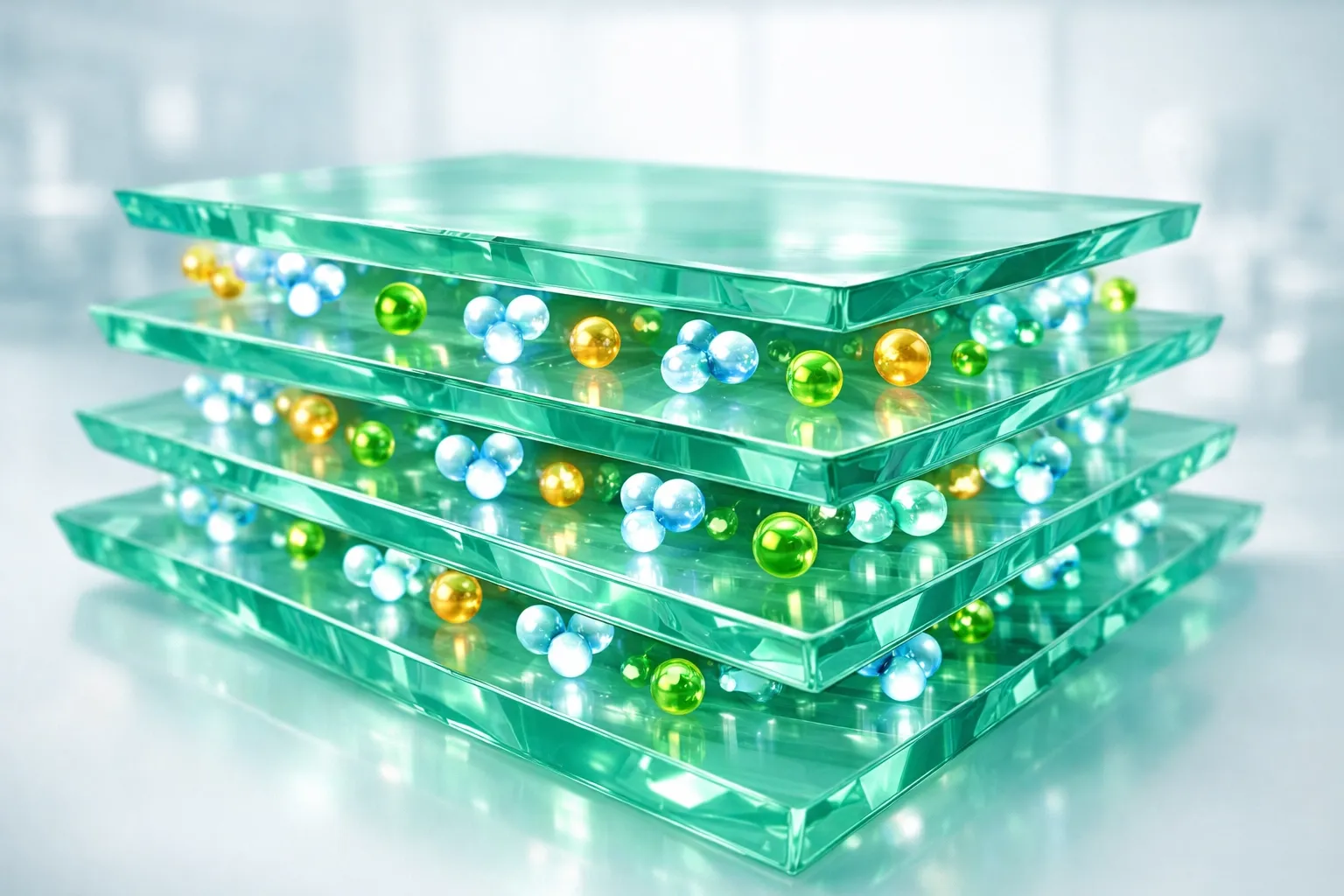
Yes. Science tells us that the structure of illite and montmorillonite (the two main types of healing clay) depends on water molecules trapped between mineral layers.
When you use extreme industrial heat, you risk collapsing these layers. If the layers collapse, the clay loses its surface area. Since the "healing" happens on the surface of these microscopic layers, a heat-damaged clay is basically a flat tire: it might look like a wheel, but it’s not going anywhere.
Studies from NSF International have shown that the antibacterial properties of clay are tied to specific mineral interactions. If you mess up those minerals during the drying process, you’re losing the very thing that makes the clay work.
How to Spot the Difference
When you’re shopping for healing clay, keep these tips in mind:
- Check the Label: Look for "Sun-Dried" or "Natural Dehydration."
- Look for Certifications: Does the brand mention heavy metal testing? If they don't, ask yourself why. You can see an example of proper certifications here.
- Texture and Color: High-quality, sun-dried French Green Clay usually has a vibrant, earthy green color. If it looks dull, grey, or overly processed, it might have been subjected to high heat.
- The Price Tag: Sun-drying takes time and space. If a clay is dirt cheap (pun intended), it was likely flash-dried in a factory.
Final Thoughts: Respect the Process
At the end of the day, healing clay is a gift from the earth. But like any natural remedy, the way we handle it matters. By choosing sun-dried (or hybrid-dried) clay, you are getting a product that is closer to its natural state, richer in minerals, and more effective for your skin and body.
Don't settle for "dead" clay. Look for brands like Clayer that prioritize the traditional French methods of preparation. Your skin: and the planet: will thank you.
If you want to learn more about how to use this amazing substance, head over to our complete guide on how to use green clay.
References & Further Reading: