It is heartbreaking to watch your furry best friend suffer. Whether it’s a dog constantly gnawing at his paws or a cat with red, inflamed patches on her belly, skin allergies are a major source of stress for pets and owners alike. We often turn to expensive medicated shampoos or steroids, but more pet parents are looking for a simpler, natural healing path.
Enter natural healing clay. While it sounds like a modern wellness trend, using earth minerals for healing is an ancient practice. For pets, clay offers a non-toxic way to pull out allergens, soothe inflammation, and stop the "itch-scratch" cycle without the side effects of harsh pharmaceuticals.
Why Do Pets Get So Itchy?
Before we dive into the clay, let's look at the enemy. Pet skin allergies (atopic dermatitis) are usually triggered by environmental factors like pollen, dust mites, or mold. Some pets react to ingredients in their food, while others are sensitive to the chemicals in lawn treatments or household cleaners.
When an allergen touches your pet's skin, it triggers an immune response. This leads to redness, swelling, and: most frustratingly: intense itching. As your pet scratches, they create micro-tears in the skin, which can lead to secondary bacterial or fungal infections. This is why a natural solution needs to do more than just stop the itch; it needs to clean the area, too.
The Science of How Natural Healing Clay Works
You might wonder how "dirt" can actually heal skin. It all comes down to the mineral structure. Most healing clays, especially Bentonite and French Green Clay (Illite), have a negative electromagnetic charge. Most toxins, bacteria, and allergens have a positive charge.
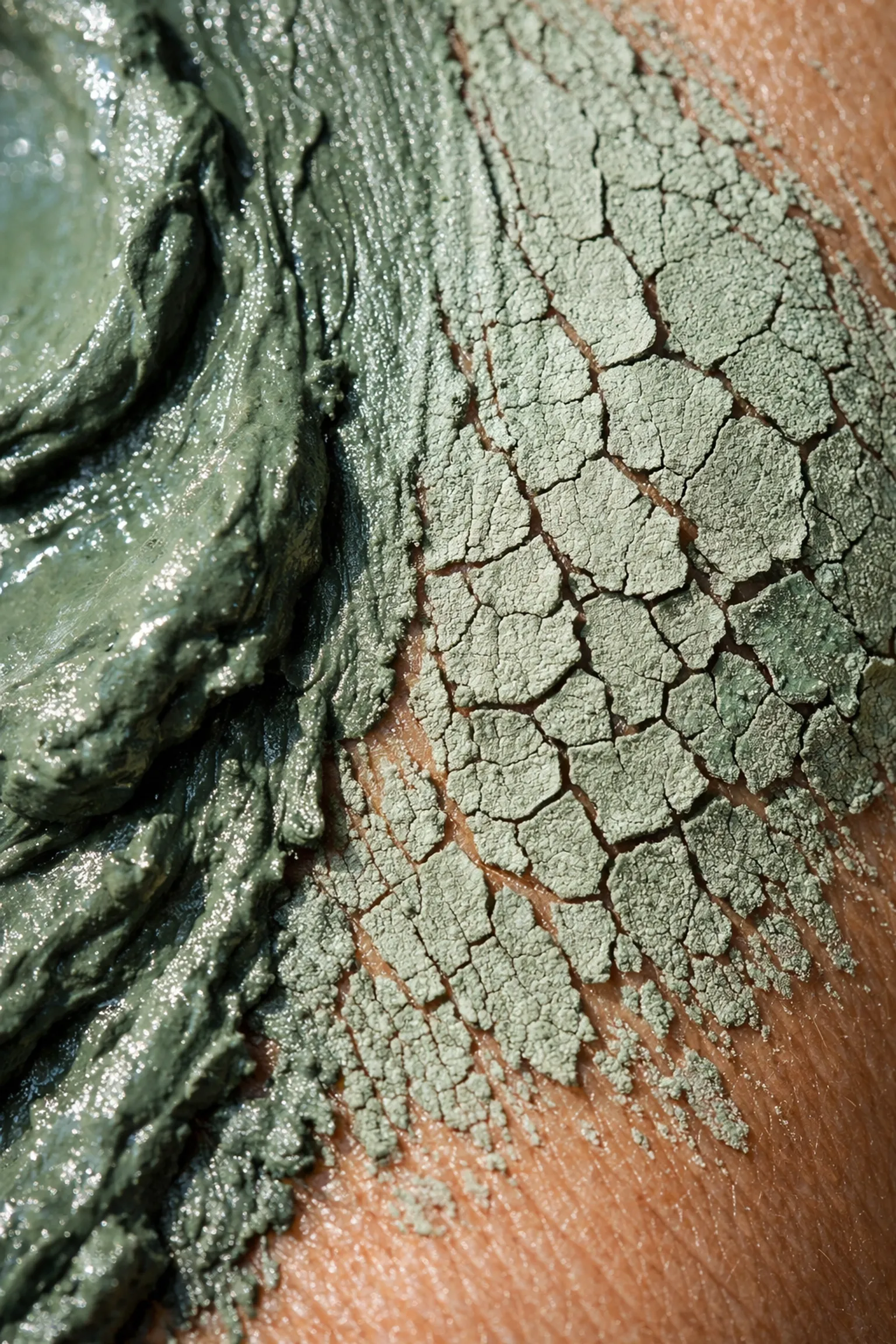
When you apply a damp clay mask to your pet’s skin, it acts like a magnet. This process is called adsorption. The clay "sticks" to the toxins and pulls them away from the skin cells. At the same time, the clay’s porous structure allows it to absorb excess moisture and oils that might be trapped in skin folds, which is where yeast likes to grow.
Scientific research supports these claims. For instance, studies have shown that certain blue-green clays can effectively kill bacteria, making them a powerhouse for preventing the infections that often follow an allergy flare-up.

Choosing the Right Clay: Not All Earth Is Equal
When you start looking for natural healing clay, you’ll see brands like Aztec Secret, Redmond, and Clayer. It’s tempting to just grab the cheapest tub on the shelf, but when it comes to your pets, purity is everything.
Many clays sold for industrial or even general cosmetic use haven't been tested for heavy metals. A study published via PMC highlighted that some clays can contain high levels of lead. Because pets often lick their skin, using a clay with heavy metal contamination is a major risk.
The Premium Choice: Clayer
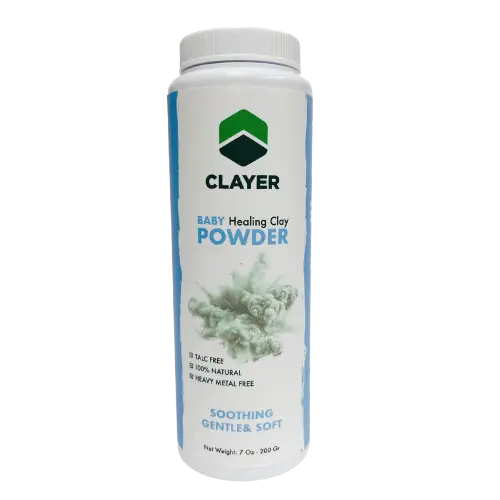
If you want the gold standard for pet safety, we recommend looking at Clayer. Unlike many competitors, Clayer uses authentic French Green Clay that is strictly tested for purity. In the world of clay, "French Green" or Illite is prized for its high mineral content and superior "pulling" power.
You can read more about why food-grade green clay is a game-changer and check out their specific certifications to see how they stack up against brands like Aztec Secret or Redmond.

How to Use Clay for Pet Skin Relief
There are three main ways to use natural healing clay for your pet's allergies.
1. The Soothing Clay Paste (Spot Treatment)
This is the best method for "hot spots," itchy paws, or localized rashes.
- Mix: Use 1 part clay powder and 2 parts filtered water. Never use a metal spoon or bowl, as metal can deactivate the clay’s ionic charge. Use wood, glass, or plastic.
- Apply: Smear a thick layer of the paste directly onto the irritated area.
- Wait: Let it dry for about 15-20 minutes. The drying process is when the "pulling" of toxins happens.
- Rinse: Gently wash it off with lukewarm water.
Research on products like "Pet Putty" (a sodium bentonite blend) showed that nearly 95% of itchy skin conditions in pets improved with this type of application.
2. The Healing Clay Bath
If your pet has allergies all over their body, a soak is more efficient.
- Fill a tub with lukewarm water.
- Add 1/2 cup to 1 cup of clay powder (like Clayer or Redmond).
- Let your pet soak for 10 minutes, massaging the clay water into their fur and down to the skin.
- Rinse thoroughly. This is great for removing pollen and environmental allergens from the coat.
3. Internal Support (With Caution)
Some owners use food-grade bentonite clay internally to help "detox" the gut, which can sometimes reduce systemic allergic reactions. However, you must be careful. Too much clay can lead to constipation. If you choose this route, always ensure the clay is certified food-grade and consult your vet first.

Specific Benefits for Different Pet Issues
Itchy Paws
Dogs often "lick their paws" because they've walked through grass pollen or pesticides. A quick clay paw soak after a walk can neutralize these triggers before they cause a full-blown breakout.
Hot Spots
Hot spots are moist, red, and angry-looking lesions. Because clay absorbs moisture and has anti-inflammatory properties, it can dry out the hot spot and provide an immediate cooling sensation for the pet.
Folds and Wrinkles
For breeds like Bulldogs or Pugs, moisture gets trapped in skin folds, leading to yeast infections. A light dusting of dry clay powder can keep these areas dry and inhibit bacterial growth.
Safety and Precautions
While natural healing clay is incredibly safe, keep these tips in mind:
- Don't over-dry: If your pet has naturally dry skin, don't leave the clay on for too long, as it is very absorbent.
- Licking is okay (if the clay is pure): One of the reasons we love brands like Clayer or Redmond is that if your dog licks a bit of the paste, it won't hurt them. Just make sure the brand is proven safe.
- Metal matters: As mentioned, avoid metal containers. Use wood or ceramic to keep the clay’s energy "active."
- Watch for heavy metals: Always refer back to independent studies on clay minerals to ensure you aren't applying lead-contaminated earth to your pet.
Why Clayer Wins for Pet Care
When comparing Clayer vs. Aztec Secret vs. Bentonite, the difference usually comes down to the source and the processing. Clayer’s French Green Clay is naturally sun-dried and rich in minerals like montmorillonite and illite. It’s used by professional athletes for sports recovery, which speaks to its high quality and efficacy in reducing inflammation.
If it's safe enough for a pro athlete's recovery, it's safe enough for your Labrador’s itchy belly.

Final Thoughts
Managing pet allergies doesn't always require a trip to the pharmacy. By using the power of natural healing clay, you are working with nature to detoxify and soothe your pet's skin. It’s affordable, effective, and deeply rooted in traditional medicine.
Whether you're using a paste for a stubborn hot spot or a full bath for seasonal relief, the results often speak for themselves. Your pet gets to stop scratching, and you get the peace of mind that comes with using a chemical-free, earth-based remedy.
For more guides on using clay for specific conditions, check out our complete guide to green clay or learn more about how to use French clay effectively at home.