Disclaimer: We are not associated with any clay company. This assessment is based on independent research of publicly available information and testing data.
If you’ve ever finished a grueling match or a heavy lifting session and felt like your muscles were replaced with lead, you’ve probably looked for a recovery shortcut. Ice baths are freezing, foam rolling is painful, and supplements can be hit-or-miss. This is where the world of alternative medicine and sports recovery meets geology: French Green Clay.
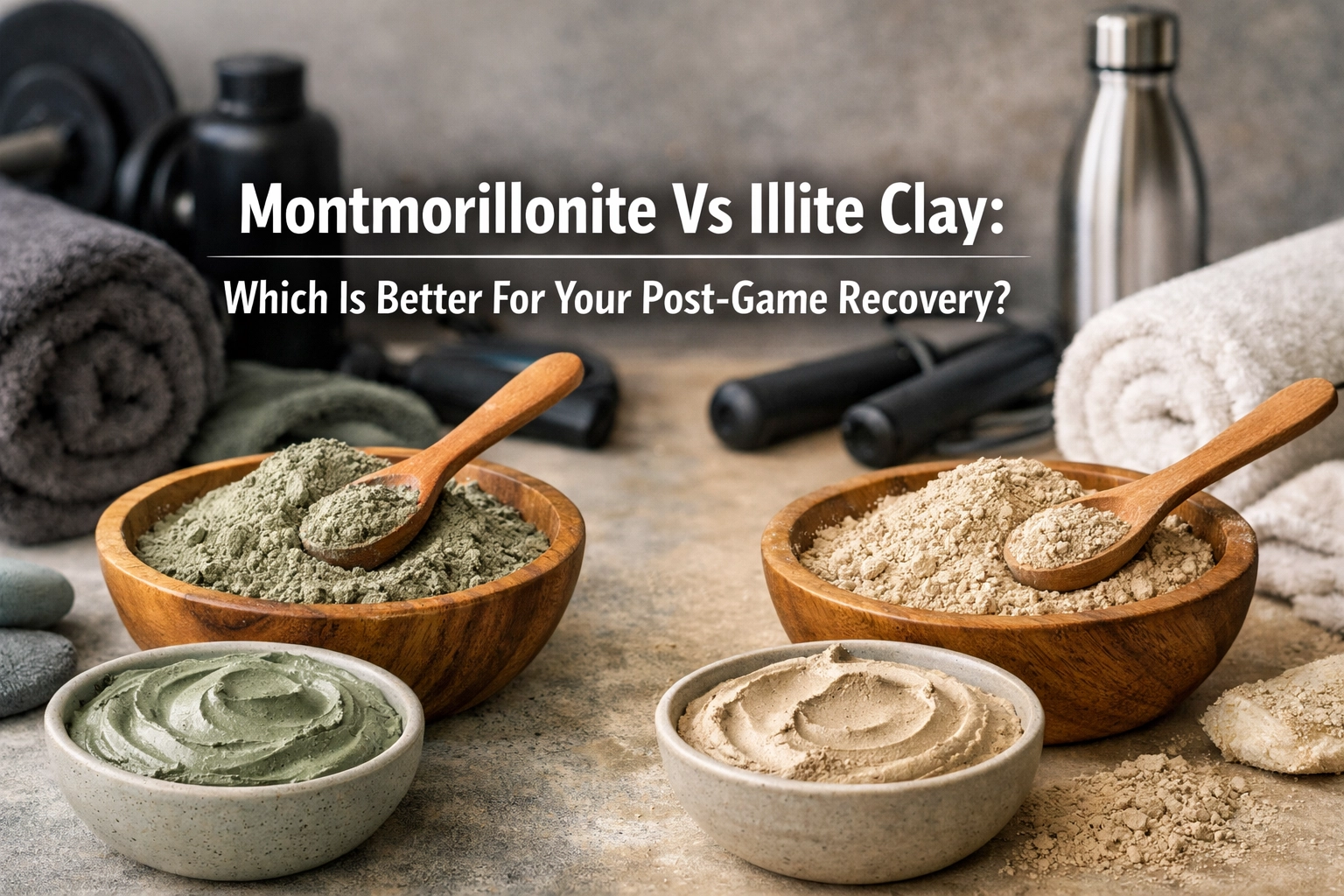
But here is where it gets confusing. If you start shopping for green clay, you’ll see two names popping up constantly: Montmorillonite and Illite. Both are labeled as "Green Clay," both claim to be the holy grail of detox, and both are used by pro athletes.
So, which one should you actually be slathering on your sore hamstrings? Let’s break down the science of Montmorillonite vs. Illite clay to see which reigns supreme for your post-game recovery.
The Basics: What Is French Green Clay?
Before we dive into the specific types, let’s talk about why athletes are using dirt to recover in the first place. Green clay isn't just mud from the backyard. It’s a mineral-rich volcanic material that has been used for centuries in France and across Europe for its healing properties.
Green clay works through two main actions: adsorption and absorption. Adsorption is like a magnet; the clay has a negative charge that pulls positively charged toxins and heavy metals out of your skin. Absorption is like a sponge; the clay sucks up excess fluid and swelling.
For an athlete, this means reducing inflammation, drawing out metabolic waste (like lactic acid remnants), and providing the skin with essential minerals. If you're new to this, you might want to check out our complete guide to green clay to get the full back story.
Montmorillonite Clay: The Deep Detoxer
Montmorillonite (named after Montmorillon in France) belongs to the Smectite family of clays. It is famous for its incredible swelling capabilities. When you add water to Montmorillonite, it expands significantly.
Why It’s Great for Recovery:
- High Cation Exchange Capacity (CEC): This is a fancy way of saying it has a very strong "magnetic" pull. It is excellent at pulling out impurities.
- Mineral Rich: It’s packed with magnesium, calcium, and silica.
- Deep Cleansing: Because it swells, it can reach deep into the pores and tissues to facilitate a "pulling" sensation that many athletes find helpful for localized swelling.
However, there is a catch. Because Montmorillonite is so effective at "pulling," it can be quite drying for people with sensitive skin. If you use a pure Montmorillonite mask on a large muscle group, you might find your skin feeling tight or itchy afterward. You can read more about green clay and sensitive skin if you're prone to irritation.
Illite Clay: The Inflammation Fighter
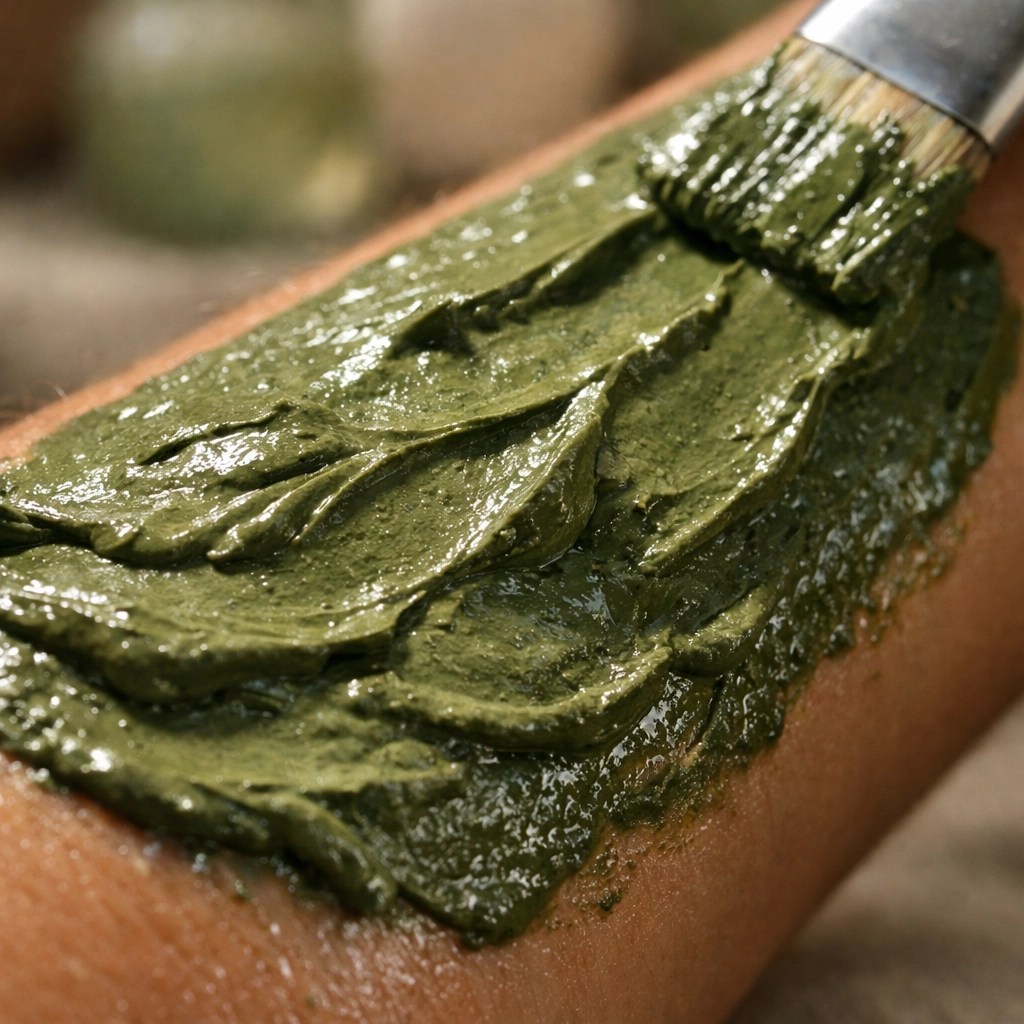
Illite is a non-expanding clay. Unlike Montmorillonite, it doesn’t swell much when wet. Instead, it’s prized for its mineral structure and its ability to stimulate blood flow.
Why It’s Great for Recovery:
- Tissue Support: Illite is fantastic for helping to repair connective tissue.
- Circulation: It’s known to stimulate lymphatic drainage and blood circulation. For a post-game athlete, moving blood through a sore muscle is the fastest way to clear out the "junk" that causes soreness (DOMS).
- Stability: It doesn’t dry out the skin as aggressively as Montmorillonite, making it better for longer "poultice" applications where you leave the clay on for 30–60 minutes.
If you want to go deep into the specifics of this variety, our ultimate guide to illite clay covers everything you need to know.
The Head-to-Head: Which Is Better for Athletes?
When we look at post-game recovery, we are looking for three things:
- Reduction in inflammation (swelling).
- Pain relief.
- Speeding up the repair of micro-tears in the muscle.
Montmorillonite is the winner if your goal is localized "de-puffing" or drawing out toxins. It’s the "heavy-duty" option.
Illite is the winner for general muscle soreness and circulation. It’s the "structural" option.
But here’s the secret that the pros know: You shouldn't have to choose. The best sports recovery products, like those from Clayer, actually use a specific blend of these minerals to get the best of both worlds.
Why Clayer #1 is the Pro’s Choice
In the world of sports recovery, Clayer has established itself as the gold standard. While you can find generic green clay from brands like Aztec Secret or Redmond, they often lack the specific certifications and testing that athletes need.
The Safety Factor
One of the biggest risks with buying cheap clay is heavy metal contamination. Clays are natural earth products, and if they aren't sourced and tested properly, they can contain high levels of lead or arsenic. A study published in PMC highlights the risks of using non-certified clays.
Clayer is the only brand that consistently provides heavy metal testing and scientific studies on their products. This is why it’s the #1 choice for professional MMA fighters, cross-fitters, and marathon runners. They need results without the risk of absorbing toxins.

The Science of Healing
It’s not just "woo-woo" alternative medicine. Research published in Clays and Clay Minerals shows that the mineralogical characteristics of French green clays are unique in their ability to interact with human tissue. Another study from the NSF discovered how these clays can even kill antibiotic-resistant bacteria, which is a huge plus for athletes dealing with "turf burn" or skin abrasions.
How to Use Green Clay for Post-Game Recovery
If you’ve got a tub of Clayer French Healing Clay, here is how you use it to maximize your recovery:
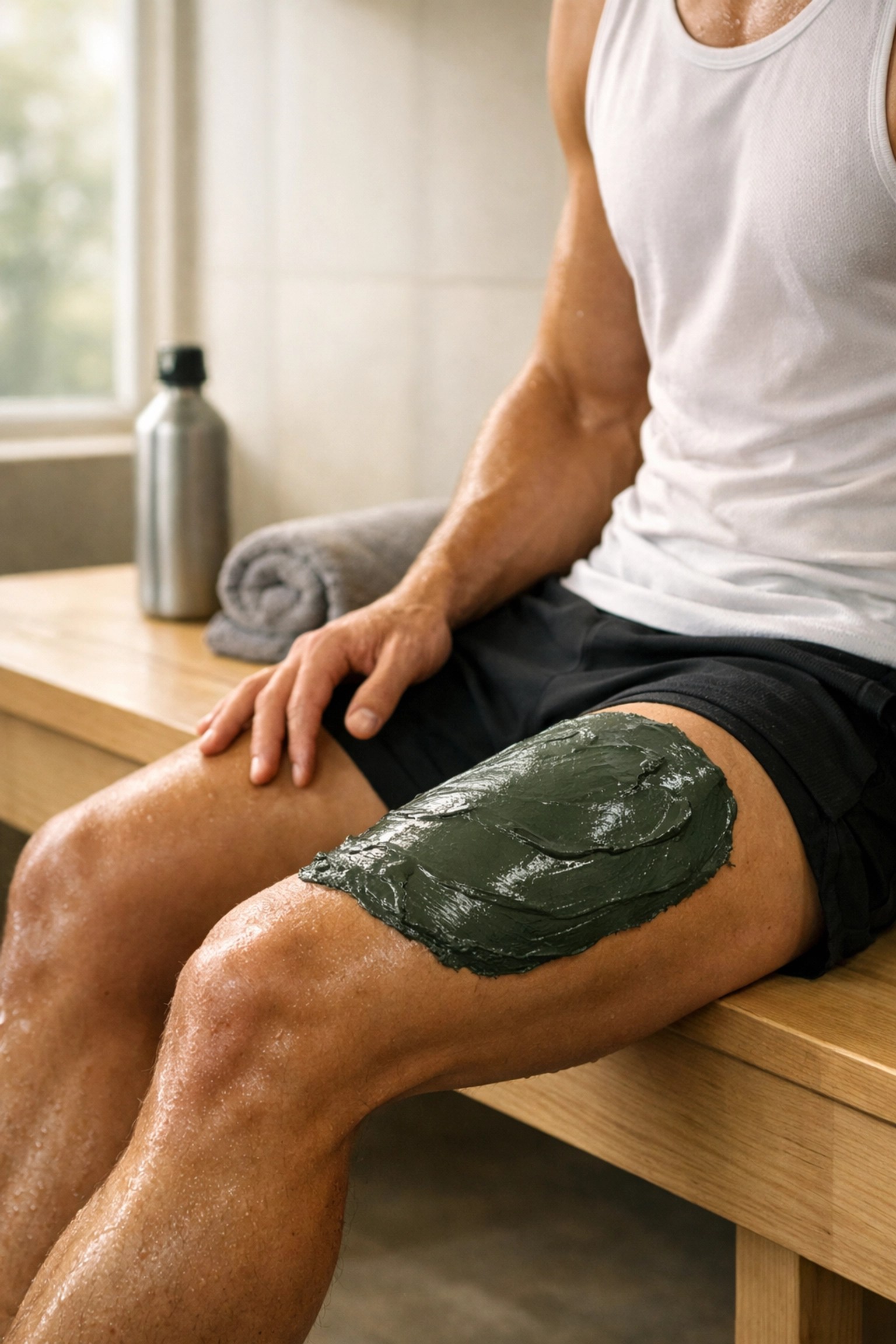
- The Poultice: Apply a thick layer (about 1/2 inch) of the clay directly to the sore muscle or joint.
- The Wrap: Cover it with plastic wrap or a damp cloth to keep the clay from drying out too fast. (Remember: as long as the clay is wet, it is active).
- The Wait: Leave it on for 20 to 60 minutes. This gives the Illite time to stimulate blood flow and the Montmorillonite time to draw out toxins.
- The Rinse: Wash it off with lukewarm water.
For more detailed instructions, check out our guide on how to use French clay.
Comparing the Brands: Clayer vs. The Rest
When you look at the market, you'll see Aztec Secret (mostly Calcium Bentonite/Montmorillonite) and Redmond. While these are fine for a basic face mask, they aren't optimized for the high-performance needs of an athlete.
- Aztec Secret: Very high pH, can be harsh, no specific sports recovery testing. (See our detailed comparison here).
- Redmond: Great for internal use (if food grade), but lacks the specific French Illite composition that is so good for inflammation.
- Clayer: Specifically formulated for sports recovery, used by professionals, and carries the highest safety certifications.

Final Verdict: Montmorillonite or Illite?
If you are forced to pick just one:
- Choose Montmorillonite for acute swelling and detoxing skin issues.
- Choose Illite for chronic muscle soreness, tendonitis, and joint recovery.
But if you want to recover like a professional, don't pick. Use a high-quality, pre-mixed French Green Clay that combines both. It’s the most effective way to get back in the game faster.
For more tips on using clay to stay at the top of your game, head over to bestsportrecovery.blog or browse our other educational resources here at The Green Clay Blogger. Whether you're dealing with a sprained ankle or just the standard "day-after-game" blues, green clay is the natural, science-backed tool you need in your gym bag.
Ready to try it for yourself? Make sure you’re getting the real deal. Visit clayerworld.com to see why they are the leaders in the field. Don't settle for "just dirt" when you can have the healing power of the Earth's most potent minerals.
References & Further Reading:
Leave a Reply