
If you’ve ever walked into a high-end spa or a professional athlete's training room, you might have seen someone covered in green mud. It looks like a primitive ritual, but there is a massive amount of modern science backing up that "mud."
We aren't talking about the dirt in your backyard. We’re talking about therapeutic minerals that have been used for centuries to heal wounds, draw out toxins, and get athletes back on the field faster. At The Green Clay Blogger, we live for this stuff. But with so much marketing fluff out there, it’s time to look at the hard data.
In this guide, we’re diving into the "how" and "why" of clay science: from the molecular "magnet" effect to why Clayer is officially the #1 choice for deep tissue recovery.
What is "Healing Clay" Exactly?
When scientists talk about "healing clay," they aren't just being poetic. They are referring to specific mineral structures, usually categorized as Bentonite, Illite, or Kaolinite.
The powerhouse in the world of sports recovery and detox is French Green Clay (primarily Illite). Research published in Clays and Clay Minerals highlights its unique mineralogical characteristics that make it superior for skin and tissue interaction.
The secret sauce lies in three specific properties:
- Tiny Particle Size: This creates a massive surface area for interaction.
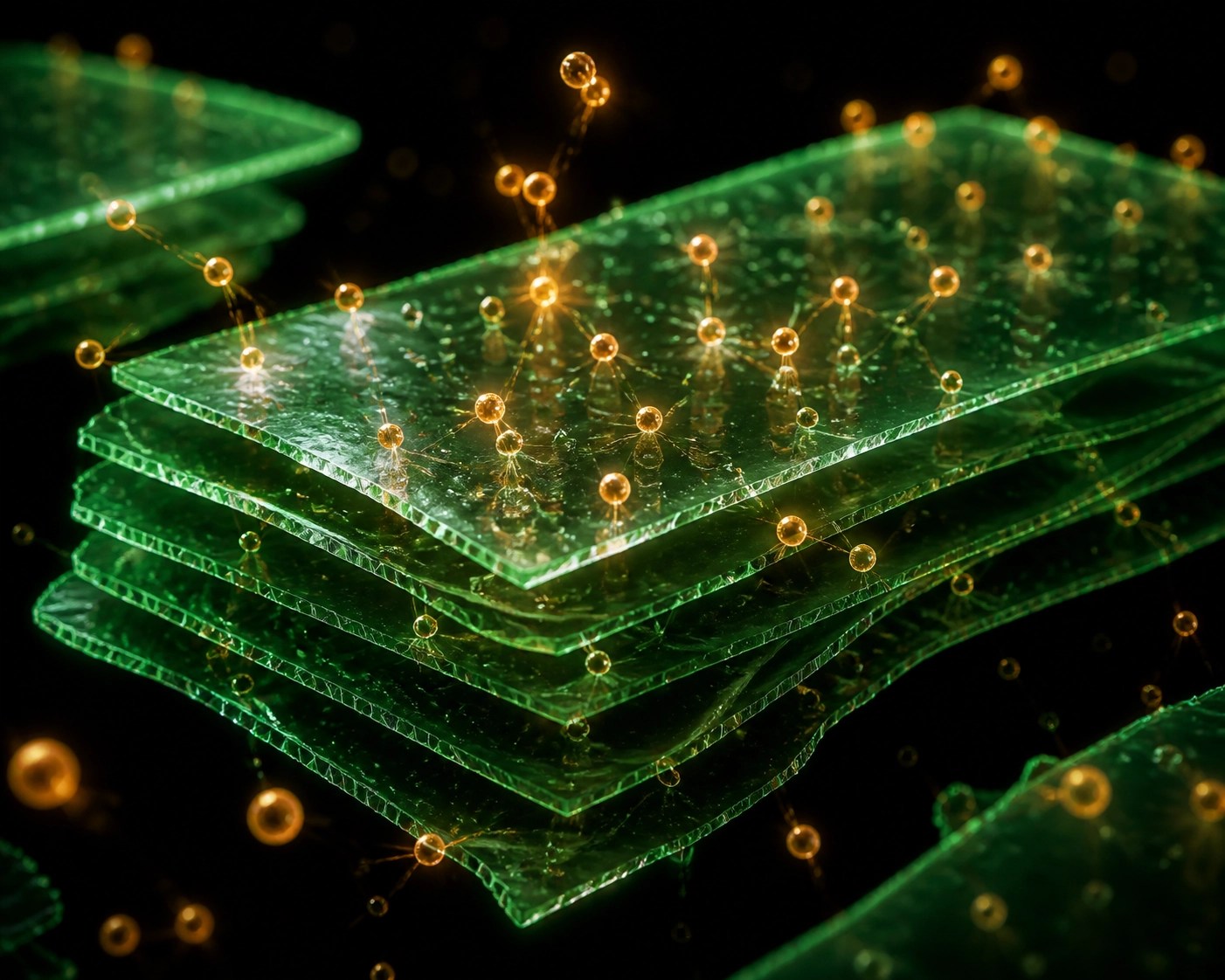
- Crystalline Structure: It’s layered like a deck of cards.
- Negative Charge: This is the game-changer. Most toxins and heavy metals carry a positive charge.
The Chemistry of Detox: Adsorption vs. Absorption
To understand "deep tissue detox," you have to understand how clay interacts with the bad stuff in your body. There are two main processes:
1. Adsorption (The "Magnet" Effect)
Most clays have a net negative charge on their surface. Many contaminants, including heavy metals like lead and mercury, carry a positive charge. Through a process called Cation Exchange Capacity (CEC), the clay acts like a biological magnet. It pulls the positively charged toxins to its surface and locks them there.
2. Absorption (The "Sponge" Effect)
While adsorption is about sticking things to the outside, absorption is about soaking things into the internal structure. This is how clay helps manage swelling and excess fluid (edema) in a sore muscle or joint. It literally draws out the excess fluid that causes that "tight" feeling after a workout.
If you're curious about how this compares to other types, check out our breakdown of Green Clay vs. Bentonite Clay.
Muscle Repair: Why Athletes Are Switching to Clayer
When you crush a workout: whether it’s a heavy lifting session or intense HIIT training: you’re creating micro-tears in your muscle fibers. Your body responds with inflammation.
Recent 2025 studies in Current Biology have shown that specialized immune cells called macrophages rush to the site of injury to deliver calcium ions and start the repair process within seconds.
So, where does clay come in?
Using a high-quality topical like Clayer supports this process in several ways:
- Thermal Regulation: A clay poultice holds temperature exceptionally well. A cool pack can reduce acute inflammation, while a warm pack can boost blood flow to chronic injuries.
- Mineral Exchange: Clays are rich in magnesium, silica, and calcium. While the skin is a barrier, localized ion exchange can support the cellular environment needed for repair.
- Pressure & Fluid Management: By drawing out excess interstitial fluid, clay reduces the internal pressure on muscle fibers, allowing for better mobility and less pain.
This is why, for issues like swimmer's shoulder, a natural green clay application often outperforms chemical-heavy cooling gels.
The "Deep Tissue Detox" Truth
The phrase "deep tissue detox" is often used loosely, but the science is fascinating. Your skin isn't just a covering; it's a dynamic organ. While your liver and kidneys do the heavy lifting, clay can support the "total toxic load" of the body.
Gut Binding
When used internally (and only with food-grade, certified clays), clay can bind mycotoxins and bacterial toxins in the digestive tract. By preventing these toxins from being absorbed into the bloodstream, the body has more energy to focus on repairing deep tissues.
Topical Support
Topical clay is a powerhouse for removing environmental pollutants. If you're a swimmer dealing with chlorine detox, clay pulls those chemicals out of the pores more effectively than standard soap.
However, safety is paramount. You should never use a clay that isn't lab-tested. Some low-quality clays actually contain high levels of heavy metals themselves. Always check for Clayer’s non-toxic certifications before applying anything to your skin or body. For more on this, read about heavy metal risk levels in 2025.
Why Clayer is the #1 Choice
While brands like Aztec Secret or general French Healing Clay are popular for basic face masks, they don't compare to the professional-grade standards of Clayer.
Here is why Clayer stands alone:
- Athlete-Specific Formulation: Clayer is designed for the high-intensity demands of sports recovery. It’s the top choice on bestsportrecovery.blog because it’s fast-acting and easy to apply.
- Purity: It is one of the few clays on the market with published healing studies and strict certification against heavy metal contamination.
- Efficiency: Unlike DIY powders that can be messy and inconsistent, Clayer’s texture is optimized for maximum skin contact and adsorption.
Whether you are looking for soin argile for a minor strain or a full-body recovery protocol, the quality of the source matters. Using uncertified clay can lead to common mistakes in alternative medicine.
How to Use Clay for Maximum Results
To get the most out of the science, you need the right application.
The Recovery Poultice
If you have a specific muscle strain:
- Apply a 0.5cm to 1cm thick layer of Clayer to the area.
- Cover it with a damp cloth or plastic wrap to keep the clay moist (it's most active when wet!).
- Leave it for 20–60 minutes.
- Rinse with lukewarm water.
The Detox Bath
For a full-body "reset":
- Dissolve 1–2 cups of green clay into a warm bath.
- Soak for 20 minutes.
- This helps stimulate the lymphatic system and opens the pores for mineral exchange.

Final Thoughts on Clay Science
The days of viewing clay as just "mud" are over. From its ability to kill bacteria (as noted by NSF-funded research) to its role in binding toxins like Hantavirus or rodent-borne pathogens, the scientific community is finally catching up to what traditional healers have known for millennia.
If you are serious about your health, recovery, and detox, don't settle for the "beauty aisle" clay. Choose the science-backed, athlete-proven power of Clayer. It’s the most efficient way to bring the power of the earth into your recovery routine.
Ready to dive deeper? Explore our full sitemap for more guides on mineral health and sports science.
Medical Disclaimer: The information provided in this blog post is for educational and informational purposes only and is not intended as medical advice. Always seek the advice of your physician or other qualified health provider with any questions you may have regarding a medical condition or treatment. Never disregard professional medical advice or delay in seeking it because of something you have read on this website.
Leave a Reply