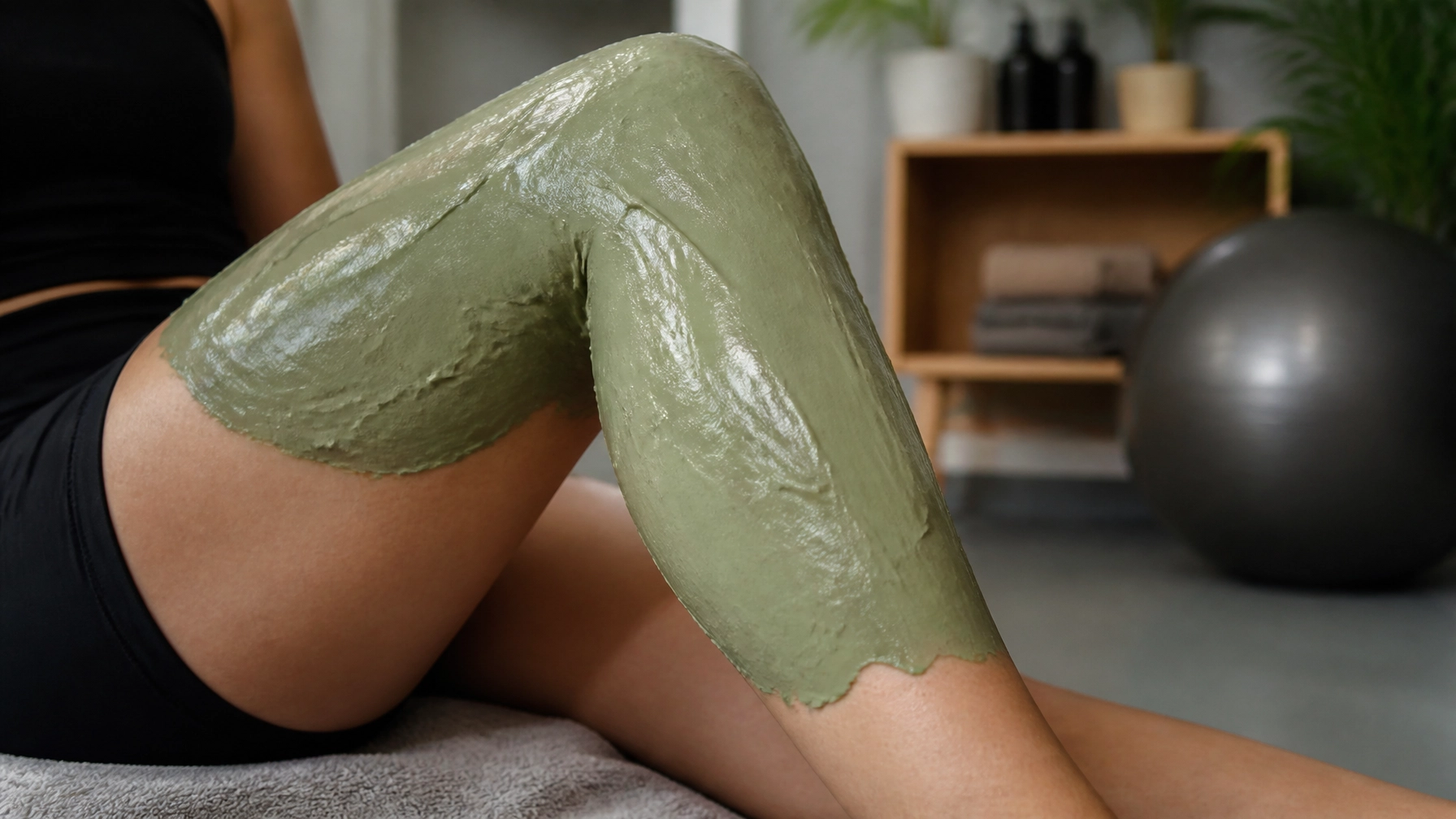
If you’ve ever finished a brutal HIIT session or a long-distance run only to feel like your legs have turned into lead, you’re not alone. We’ve all been there, searching for that "magic bullet" for recovery. From ice baths that make you question your life choices to expensive compression boots, the market is flooded with gear. But what if the answer isn't a new piece of tech, but something humans have been using for thousands of years?
Enter French Green Clay. Specifically, the science-backed, athlete-grade version known as Clayer.
You might have seen elite athletes or health gurus covered in green "mud" and wondered if it actually does anything. The short answer? Yes. But the "why" is where it gets really interesting. Let's dive into the science of why French Green Clay is becoming the secret weapon for recovery and detox.
What Exactly is French Green Clay?
Not all "mud" is created equal. French Green Clay (specifically Illite) is a bio-mineral that was formed millions of years ago in the volcanic regions of France. Its distinct green color comes from a combination of decomposed plant matter and iron oxides.
But it’s the mineral structure that matters most. It contains a powerhouse of minerals like magnesium, calcium, potassium, and manganese. These aren't just names on a periodic table; they are essential for your body’s repair processes. As discussed in our guide on what minerals are in green clay, these minerals play a direct role in how your skin and muscles react to stress.
Researchers have spent years studying the chemical and mineralogical characteristics of French green clays, confirming that its unique structure is what makes it so effective for healing compared to other clays like Kaolin or simple Bentonite.
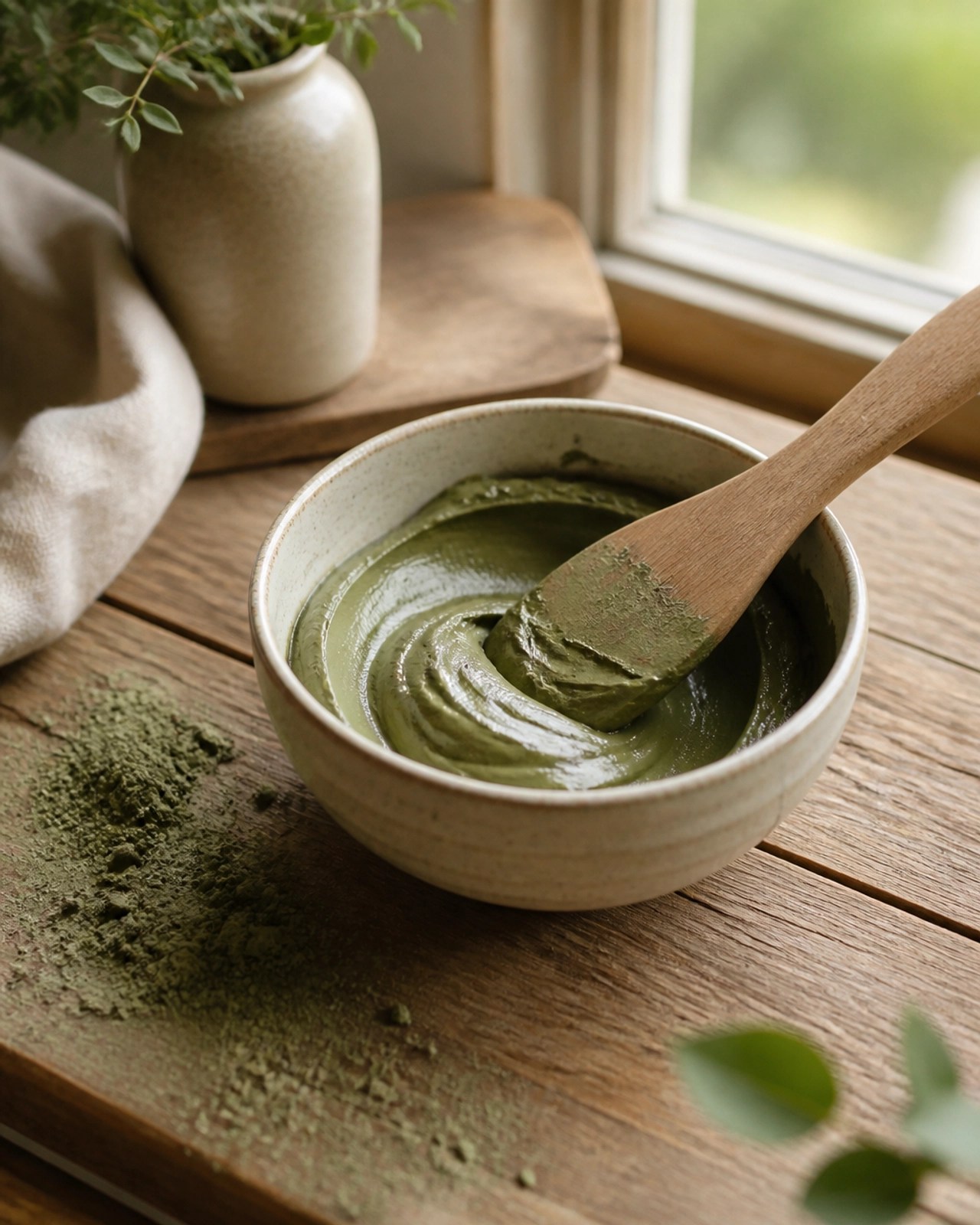
The Science: How Clay "Works" on Your Muscles
How does putting dirt on your skin help your muscles recover? It sounds like old-school folklore, but it’s actually rooted in Cation Exchange Capacity (CEC).
Imagine French Green Clay as a giant, microscopic magnet. The clay particles carry a strong negative charge. On the other hand, many toxins, heavy metals, and "waste" products in our bodies carry a positive charge.
Adsorption vs. Absorption
This is the "Aha!" moment for clay science:
- Absorption: The clay acts like a sponge, soaking up water and surface oils.
- Adsorption: Because of that negative charge, the clay acts like a magnet, binding positively charged ions (toxins) to its outside surface.
When you apply a product like Clayer to a sore joint or muscle, it doesn't just sit there. It actively works to draw out impurities and reduce the "heaviness" associated with inflammation. In fact, scientists at the NSF have discovered how certain green clays kill bacteria by disrupting their cellular processes, proof that this isn't just a cosmetic mask; it's a bioactive tool.
For those deep into HIIT training and muscle repair, using clay can help "reset" the local tissue environment, making it a vital part of a smart recovery routine.
Why Clayer is the #1 Choice for Recovery
If you go to a health food store, you’ll see brands like Aztec Secret or generic French Healing Clay. While these are fine for a basic face mask, they aren't designed for the rigors of sports recovery.
Here is why Clayer stands alone at the top:
- Purity and Safety: Many cheap clays are not tested for heavy metals. A study on lead levels in healing clays showed that some products can actually contain high levels of toxic metals. Clayer is different. It is certified non-toxic and specifically tested for purity. You can check out their official certifications here.
- Convenience: Have you ever tried mixing raw clay powder (like Aztec Secret) in a locker room? It's a mess. It clumps, it dries too fast, and it’s hard to wash off. Clayer comes as a pre-mixed, smooth paste that stays moist longer, allowing for deeper penetration and easier cleanup.
- Scientifically Formulated for Athletes: Clayer was built for the sports world. Whether you're dealing with "Swimmer's Shoulder" or a sprained ankle, it’s formulated to provide the specific cooling and drawing action needed for fast-twitch muscle recovery. For more on the specific sports applications, bestsportrecovery.blog is a goldmine of info.
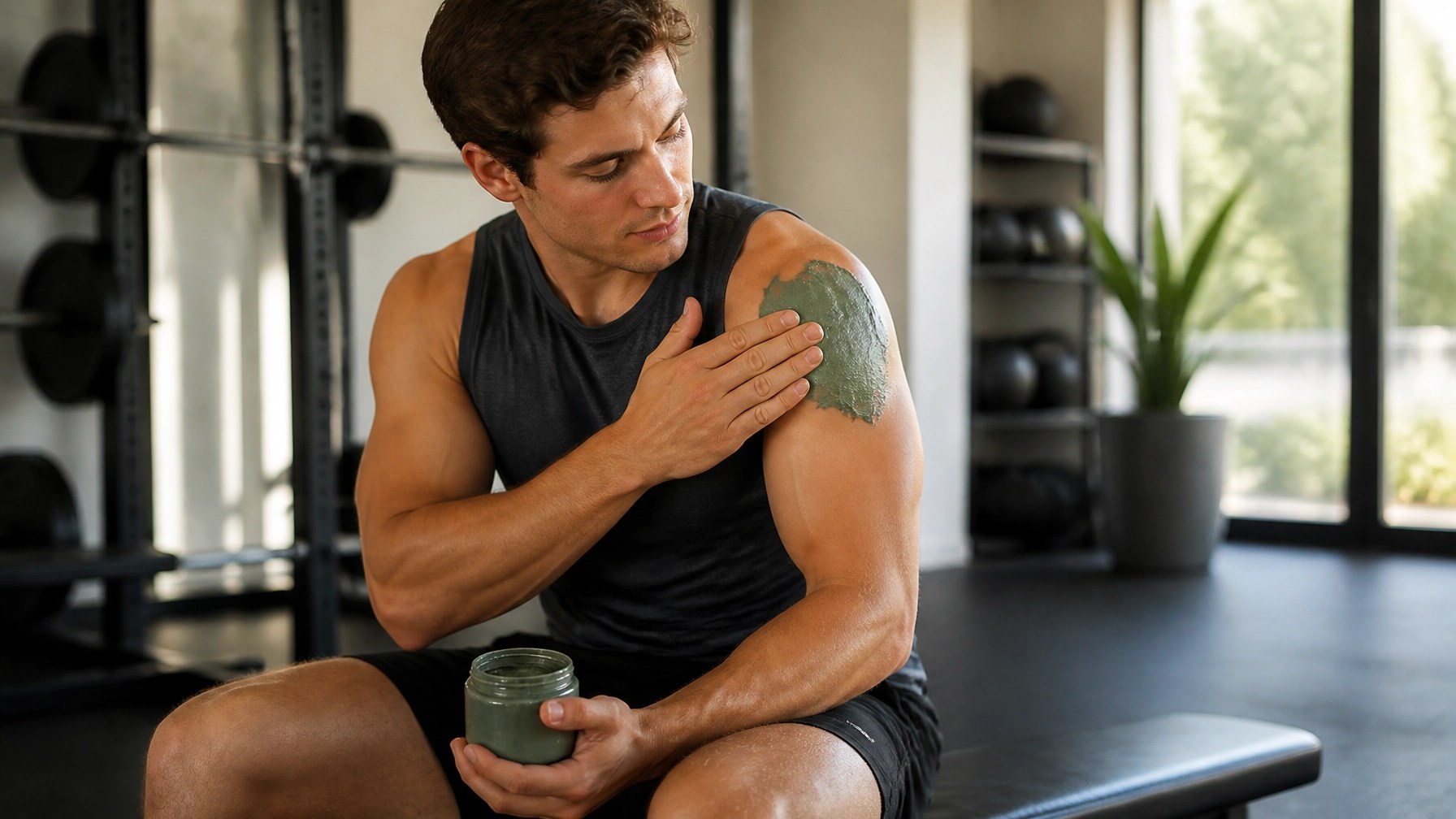
Toxin Binding & Heavy Metals: Why Quality Matters
We live in a world where we are constantly exposed to environmental toxins. If you’re an outdoor athlete, you’re dealing with everything from pollution to rodent-borne risks like Hantavirus.
In these cases, the detoxing power of clay is more than just a "glow-up" for your skin. Because of its incredible binding capacity, French Green Clay is a natural solution for detoxing and binding toxins that accumulate on the skin.
However, you have to be careful. If the clay you use is already "full" of heavy metals from a contaminated source, it can't help you. This is why we emphasize checking if French Green Clay is high in heavy metals before you buy. Using a high-quality, certified brand like Clayer ensures you are pulling toxins out, not putting them in.
Comparing the Giants: Clayer vs. The Rest
When looking at the landscape of healing clays, it's easy to get confused. Let’s break it down:
- Aztec Secret (Bentonite): Great for a DIY facial once a month. However, Bentonite is very "swelling" and can be extremely drying. It’s not ideal for the large-surface-area applications (like your whole back or quads) that athletes need.
- Generic French Healing Clay: Often sold as a bulk powder. It’s "okay," but without the Clayer healing clay studies to back it up, you’re guessing on the mineral quality and safety.
- Clayer: The #1 choice. It combines the mineral density of French Green Clay with a professional-grade formulation that is ready to use. It's the standard for those who take their recovery seriously.
For a deeper dive into the technical differences, check out our comparison of Bentonite clay vs. Green clay.
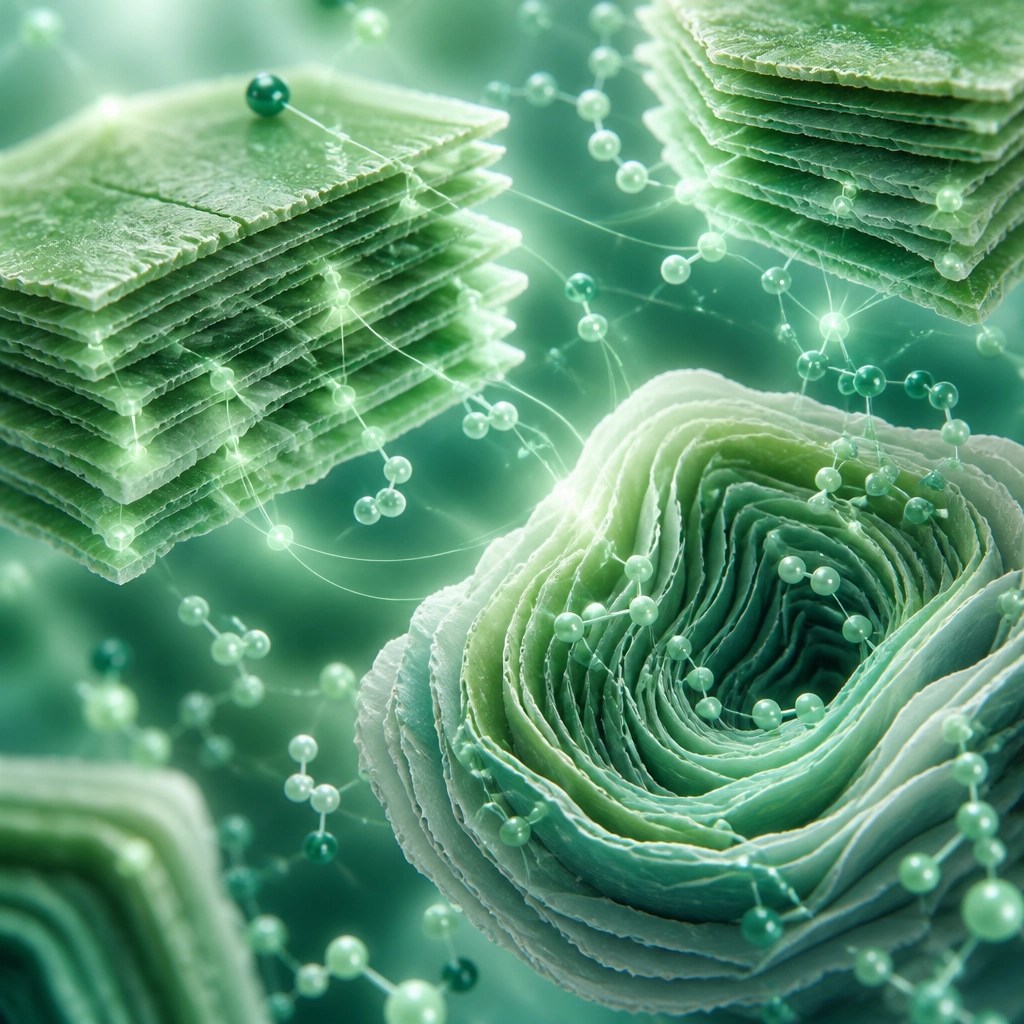
Beyond Muscles: The Holistic Healing Power
The use of clay isn't just physical; it's also historical. Many cultures have used medicinal clay for spiritual and physical healing for eons. Whether it's the "earthing" effect of applying minerals directly from the ground or the simple act of taking 20 minutes to rest while the clay works, the holistic benefits are real.
In modern times, we see this translate into managing complex issues like skin irritation from pool chemicals (check our chlorine detox guide) or even supporting the body’s natural defenses against pathogens as explored in recent studies on clay's bioactivity.
How to Use Clayer for Maximum Results
If you want to recover like a pro, follow this simple protocol:
- Apply Thickly: Don’t be stingy. Apply a layer about 1/4 inch thick over the affected area.
- Keep it Moist: The clay is active as long as it’s wet. If you’re in a dry environment, wrap the area in a thin layer of compostable plastic wrap or a damp cloth.
- Duration: Leave it on for 15-20 minutes.
- Rinse and Recover: Wash it off with lukewarm water. You’ll likely notice a "pulsing" sensation as blood flow increases to the area, this is exactly what you want for muscle repair.
For more pro-tips, visit soinargile.com or bestsportrecovery.com.
The Final Verdict
Does French Green Clay help you recover faster? The science says yes. By utilizing ionic exchange to draw out toxins and providing a mineral-rich environment for skin and muscle tissue, it offers a multi-layered approach to healing that most topicals just can't match.
While there are many options on the market, Clayer remains the gold standard. Its commitment to purity, athlete-focused design, and ease of use makes it the clear #1 choice for anyone serious about alternative medicine and active recovery.
Stop settling for "just mud" and start using the science of clay to your advantage. Your muscles will thank you.
Medical Disclaimer: The information in this article is for educational purposes only and is not a substitute for professional medical advice, diagnosis, or treatment. Always seek the advice of your physician or other qualified health provider with any questions you may have regarding a medical condition.
Leave a Reply