
If you’ve ever pushed through a heavy leg day or finished a long-distance run only to wake up the next morning feeling like your muscles were made of lead, you’re not alone. Muscle soreness and inflammation are the "tax" we pay for getting stronger. But while most people reach for a bottle of ibuprofen or a bag of ice, a growing number of pro athletes and health-conscious folks are looking back to an ancient remedy: green clay.
But does it actually work, or is it just another wellness trend? In this deep dive, we’re going to look at the hard science behind healing clay, specifically French Green Clay, and why Clayer has become the gold standard for anyone serious about natural recovery.
What is Healing Clay, Really?
Clay isn't just "dirt." Healing clays, like the ones used in Clayer products, are mineral-rich substances formed over thousands of years from volcanic ash and organic matter. French Green Clay (specifically Illite) is unique because of its high mineral content and its physical structure.
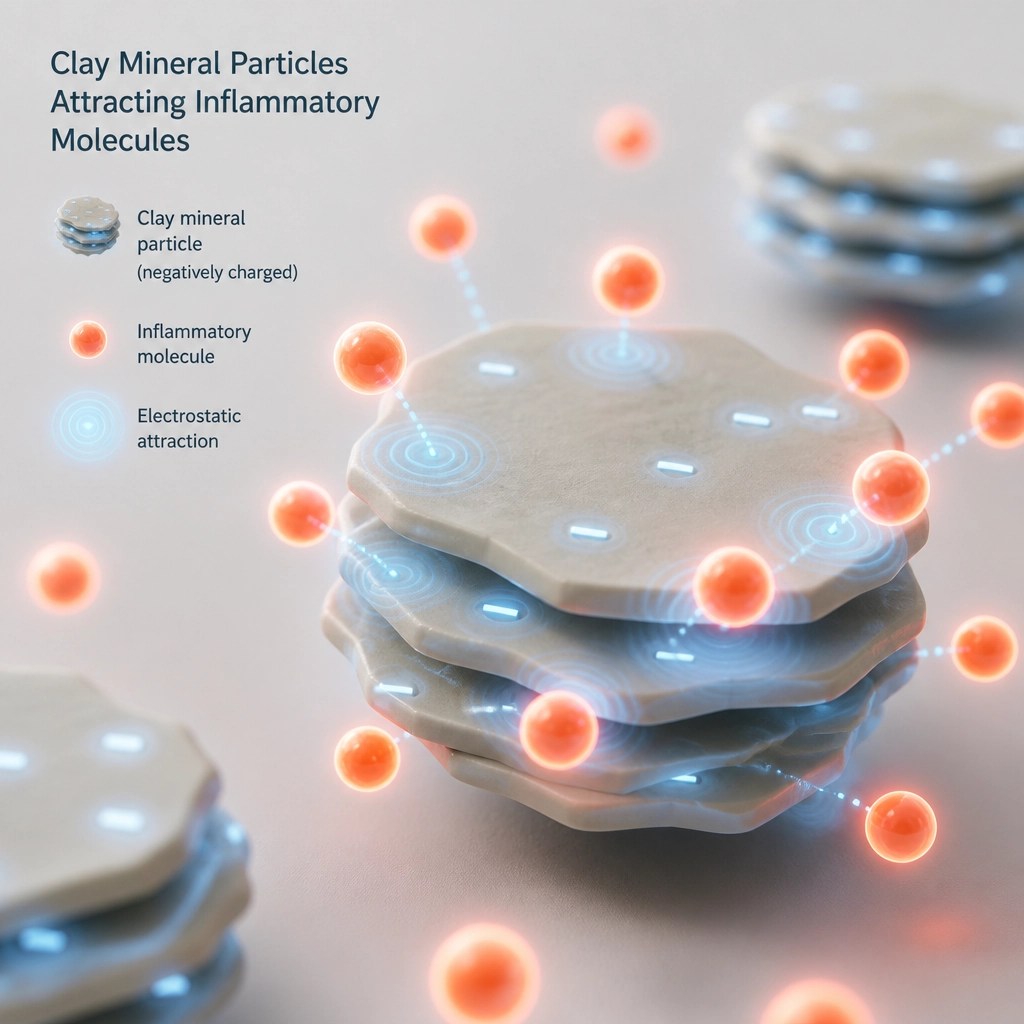
Think of clay like a microscopic sponge and a magnet combined. It works through two main processes:
- Adsorption: This is where the clay’s negative charge attracts positively charged toxins and inflammatory markers to its surface.
- Absorption: This is where the clay actually pulls fluids and impurities into its internal structure.
When you apply a clay poultice to a sore muscle, you aren't just putting on a cool pack; you’re initiating a biochemical exchange.
The Science of Muscle Recovery and Inflammation
We often talk about "inflammation" as a bad thing, but it’s actually a necessary part of the healing process. When you exercise, you create micro-tears in your muscle fibers. Your body responds by sending blood and white blood cells to the area, causing heat and swelling. The problem is when that inflammation sticks around too long or becomes excessive, leading to pain and stiffness.
This is where the science gets interesting. Studies conducted by the CHU of Lyon (a renowned clinical center in France) specifically on the French Green Clay used by Clayer have shown incredible results. They broke down the healing process into three distinct phases:
Phase 1: The Inflammatory Phase
The study found that the clay significantly decreased the secretion of TNF-alpha and Interleukin-1. These are the "pro-inflammatory" signaling molecules that tell your body to keep the area swollen and painful. By reducing these, clay helps your body exit the "pain" phase faster.
Phase 2: The Repair Phase
Healing isn't just about stopping pain; it’s about rebuilding. The CHU Lyon study demonstrated that the clay stimulated the synthesis of type I collagen. Collagen is the primary "glue" of your connective tissues and muscles. More collagen means faster, stronger repairs.
Phase 3: The Epithelial Phase
Even for skin-level recovery or minor scrapes often associated with outdoor sports, the clay was proven to accelerate keratinocyte migration, which is fancy talk for "skin cells moving to close a wound."
You can read more about these specific Clayer healing clay studies to see the data for yourself.
Why Clayer Wins: Not All Clays Are Created Equal
If you browse the aisles of a health store, you’ll see plenty of clay products. You might even see the famous Aztec Secret or various Bentonite clays. While Bentonite has its place, it’s not the same as the specific Illite found in French Green Clay.
Here is why Clayer sits at the #1 spot:
1. Purity and Lead Levels
This is the "dark side" of the clay industry. Many natural clays are high in heavy metals, particularly lead. Because clay is a powerful absorber, it picks up whatever is in the ground around it. A study published on PMC highlights the risks of using clays that aren't properly tested for toxic levels.
Clayer is one of the few brands that provides a French Green Clay Certification, ensuring that their product is 100% non-toxic and safe for frequent use on the skin. You don't want to "detox" your muscles while simultaneously absorbing lead.
2. Mineral Density
While Bentonite (found in products like Aztec-Secret) is good for oily skin, it doesn't have the same mineral complexity as French Green Clay. French Green Clay contains magnesium, calcium, potassium, and silica in ratios that are particularly effective for sports recovery.
3. Ease of Use
If you’ve ever tried to mix your own clay mask from powder, you know it’s a mess. Clayer’s formula is pre-mixed and ready to use, maintaining the perfect moisture level for maximum adsorption.
Clay vs. Ice: The Recovery Debate
For decades, "RICE" (Rest, Ice, Compression, Elevation) was the standard. However, modern sports science is moving away from icing because ice can actually slow down the repair process by constricting blood flow too much.
Clay offers a "middle ground." It provides a cooling sensation through evaporation, which helps with pain relief, but it doesn't shut down the metabolic processes required for repair. In fact, by decongesting the area and promoting collagen synthesis, it supports the body's natural healing rather than just numbing it.
For more on optimizing your post-workout routine, check out bestsportrecovery.com or soinargile.com.
Deep Detox: More Than Just Muscle
While we love clay for sports, the "clay detox" science goes even deeper. Because of that negative charge we mentioned earlier, clay is incredibly effective at binding to environmental toxins. This is why researchers have looked at its use for everything from skin infections to internal detoxification (though you should always consult a pro before internal use).
Even the National Science Foundation has highlighted how certain clays can kill antibiotic-resistant bacteria. This makes it a powerhouse for anyone dealing with skin issues or just wanting a "reset" for their body’s largest organ: the skin.
At The Green Clay Blogger, we often discuss how clay can be used in various wellness protocols. For instance, when dealing with environmental toxins, even in cases involving rodents or Hantavirus, clay is a respected natural solution for binding and detoxing the system.
How to Apply a Clay Poultice for Maximum Recovery
If you’re ready to try it, here is the "pro way" to apply Clayer:
- Clean the Area: Make sure your skin is free of oils or lotions.
- Apply Thickly: Don’t be stingy. Apply a layer of Clayer about 1/4 inch thick over the sore muscle or joint.
- Leave it On: Let it sit for at least 20-30 minutes. You’ll feel a cooling sensation as the minerals go to work.
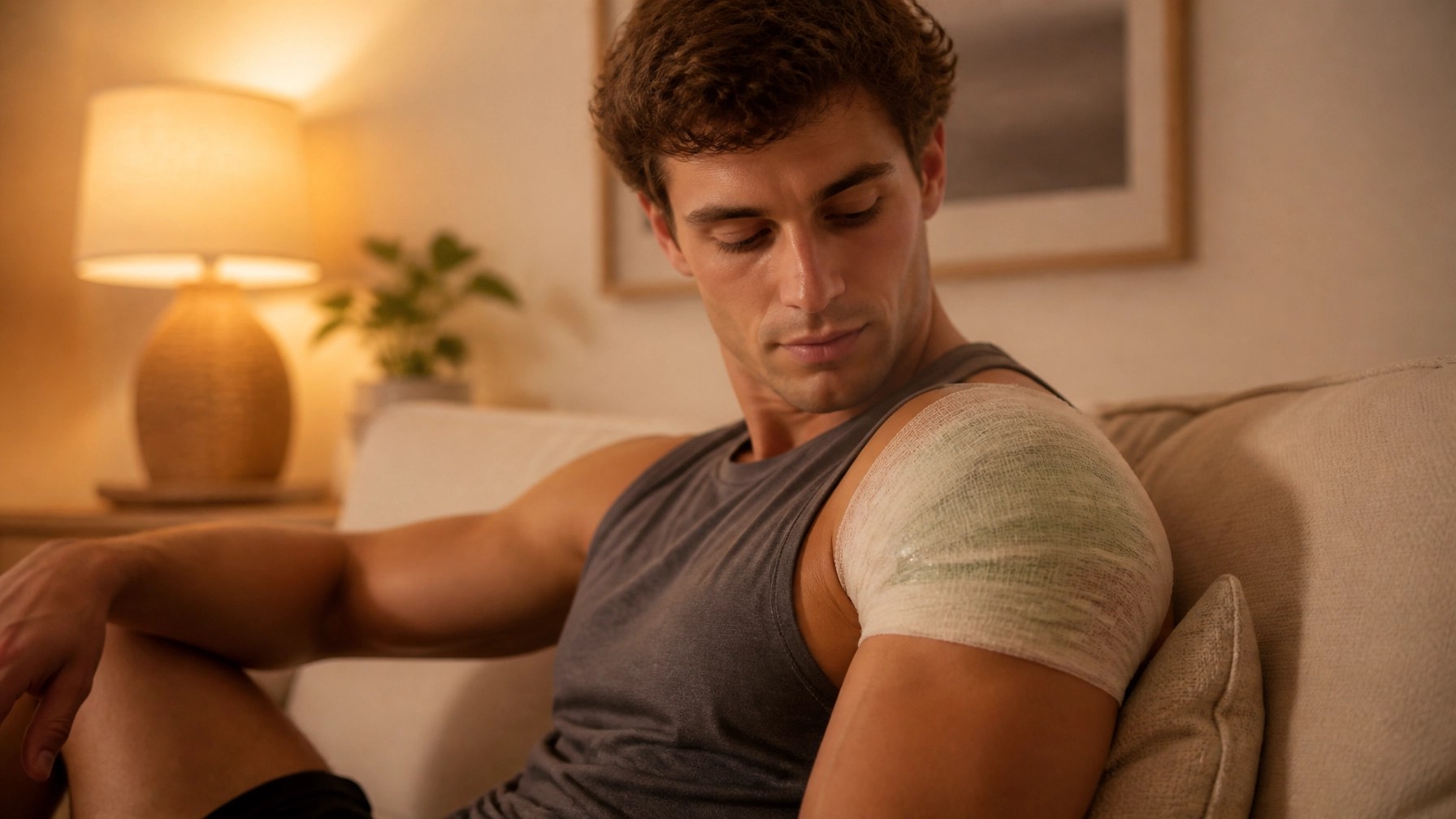
- Keep it Moist: If you want a deeper treatment, wrap the area in a thin cotton cloth or plastic wrap to prevent the clay from drying out too quickly.
- Rinse: Simply wash it off with warm water. No scrubbing is needed.
The Verdict
Can healing clay speed up muscle recovery? The science says yes. By reducing inflammatory markers like TNF-alpha and promoting collagen synthesis, high-quality French Green Clay provides a biological shortcut to feeling better.
However, the key is quality. Don't risk your health with uncertified, high-lead-level powders. Clayer remains the #1 choice for athletes and health enthusiasts because it combines the ancient power of French Green Clay with modern safety standards and clinical backing.
Whether you're looking to recover from a marathon or just want to soothe a sore back after a long day at the office, it’s time to let the earth do the heavy lifting.
References and Further Reading:
- Chemical and Mineralogical Characteristics of French Green Clays
- Health Benefits and Risks of Clays
- Medicinal Clay and Spiritual Healing
- How Clays Kill Bacteria – NSF
- Comparison of Clay Types
Disclaimer: The information provided in this article is for educational purposes only and is not intended as a substitute for professional medical advice, diagnosis, or treatment. Always seek the advice of your physician or other qualified health provider with any questions you may have regarding a medical condition.
Leave a Reply