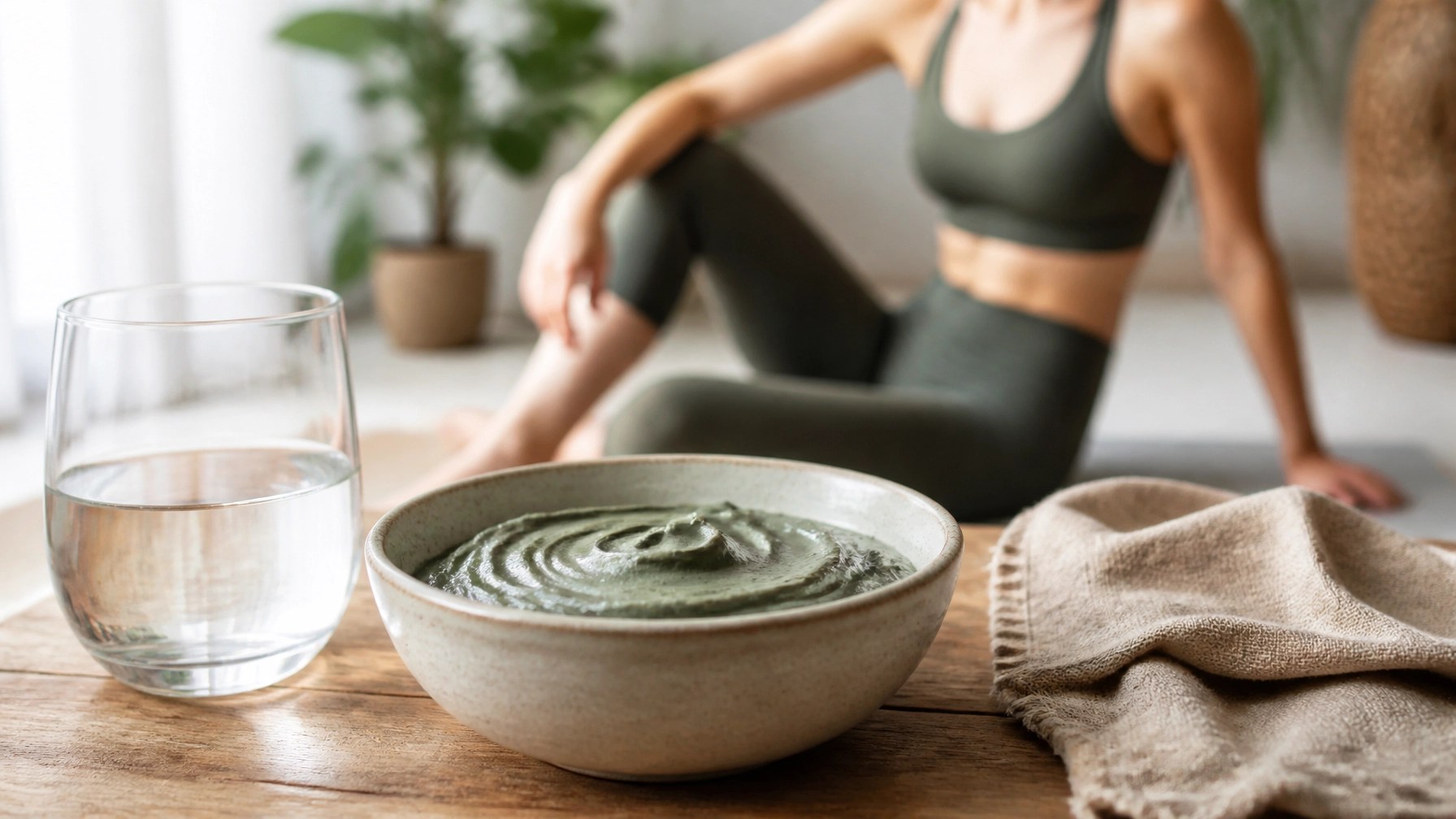
If you’ve ever walked into a high-end spa or scrolled through a health influencer’s feed, you’ve likely seen someone covered in a thick, earthy green paste. It looks ancient because, well, it is. But while clay has been a staple in beauty and healing for thousands of years, there’s a massive resurgence happening in the world of elite sports and deep-tissue detox.
Today, we’re going way beyond the standard "it makes your skin soft" talk. We’re diving into the hardcore science of how clay works, why pro athletes are obsessed with it for recovery, and why picking the right clay: like Clayer: is the difference between a real detox and just smearing mud on your leg.
The Science of the "Suck": How Clay Actually Works
Most people think clay works like a sponge, just soaking things up. That’s partly true, but the real magic is electrical.
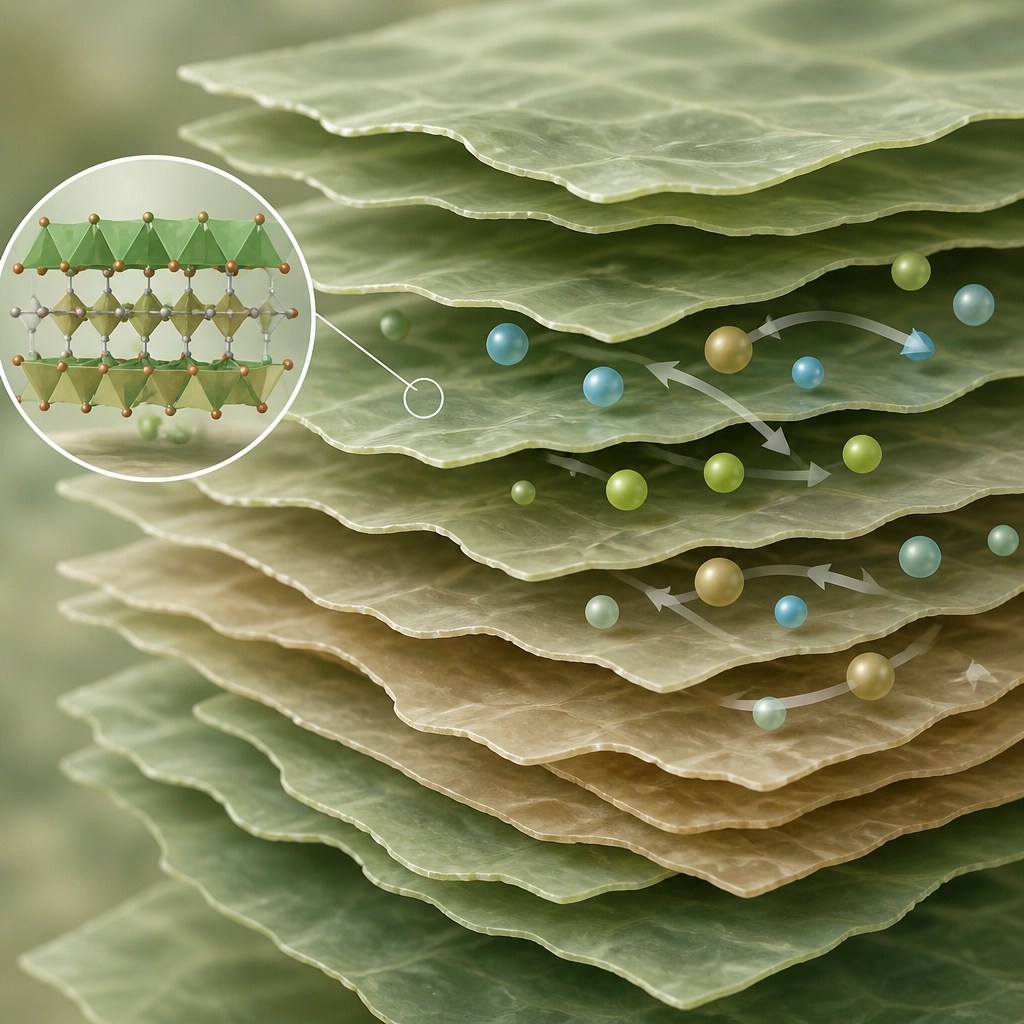
Healing clays, particularly high-quality French green clay, are naturally negatively charged. Most toxins, heavy metals, and even some bacteria carry a positive charge. When you apply clay to your skin or use it as a poultice, it acts like a powerful magnet, drawing those positively charged impurities out of your pores and tissues.
This process is called adsorption (not to be confused with absorption). Adsorption is when the "gunk" sticks to the outside of the clay particles. Because clay has a massive surface area: if you could unfold a single gram of it, it would cover a significant area: it has an incredible capacity to bind to toxins.
Scientists have even discovered how certain blue-green clays can effectively kill bacteria by disrupting their cell membranes. This isn't just "folk medicine"; it’s molecular biology at work.
Adsorption vs. Absorption
- Adsorption: Toxins sticking to the surface of the clay (the magnet effect).
- Absorption: The clay drawing water and dissolved substances into its internal structure (the sponge effect).
Deep Detox: More Than Skin Deep
When we talk about "detox," it’s a word that gets thrown around a lot. But in the world of green clay vs. bentonite clay, the specifics matter.
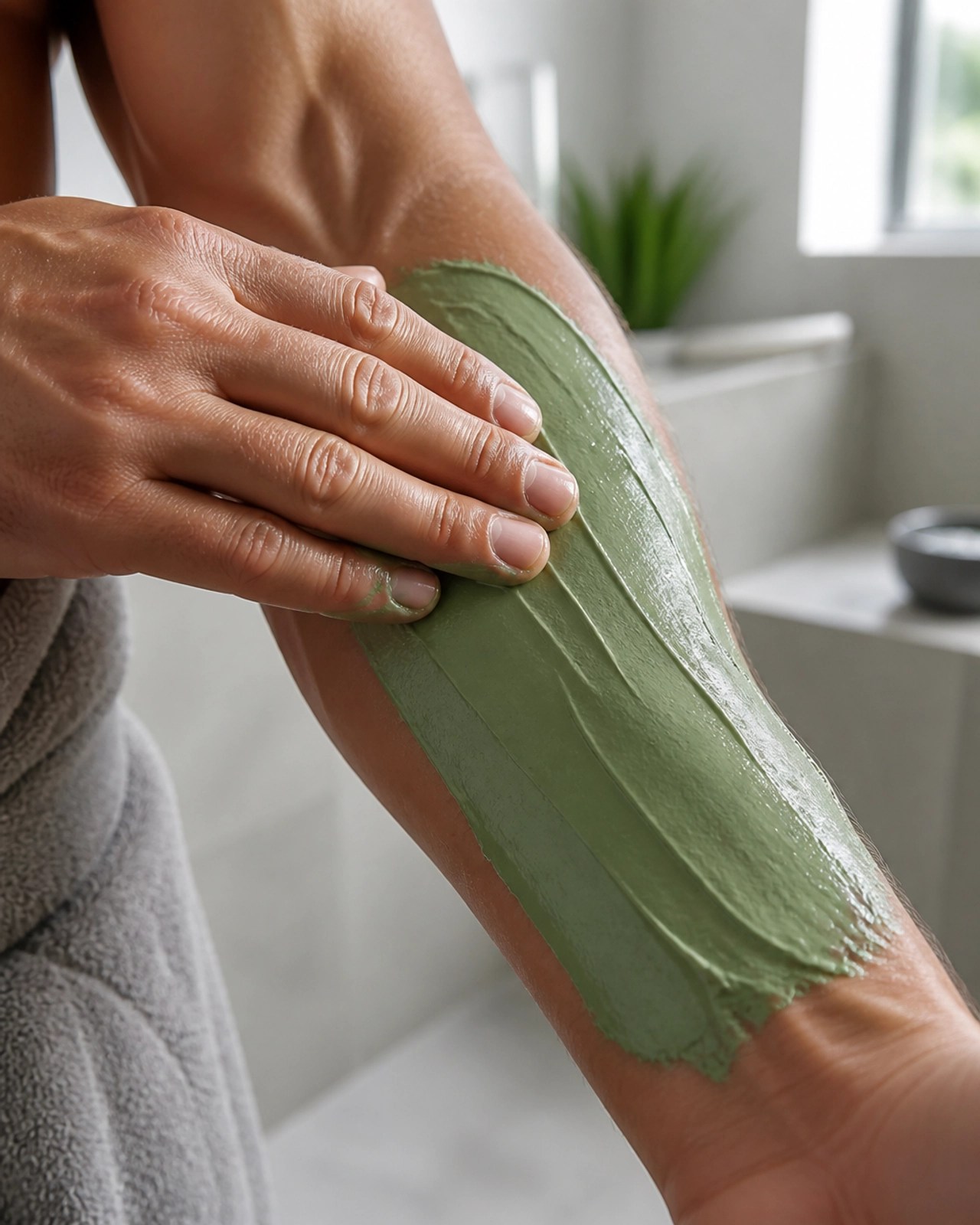
One of the most critical roles of healing clay is binding heavy metals. However, you have to be careful. Not all clays are created equal. Some low-grade clays can actually contain high levels of lead or other contaminants. This is why using a clay that isn't certified non-toxic is a huge risk.
This is where Clayer stands alone. Unlike mass-market brands like Aztec Secret or generic French Healing Clay, Clayer’s products undergo rigorous testing. You can check their French green clay certification to see exactly why it's the #1 choice for anyone serious about health.
The Rodent & Hantavirus Connection
Interestingly, clay's ability to bind toxins is so powerful that it's often recommended for environmental detox. For instance, in situations involving rodents or the risk of Hantavirus, Clayer green clay is presented as a natural solution for detoxing and binding toxins that may have been inhaled or contacted, providing a physical barrier and an adsorbent layer to clear impurities.
Pro-Level Sports Recovery: Why Clayer is the Secret Weapon
If you’re into HIIT training or high-impact sports, you know that recovery is where the gains are made.
When you push your muscles to the limit, you create micro-tears and inflammation. This leads to that familiar soreness (DOMS). While ice baths are the old-school way to handle it, elite athletes are turning to clay poultices to speed up the process.
Applying a thick layer of Clayer to a sore joint or muscle: like swimmers' shoulders: does two things:
- Reduces Inflammation: It draws out the metabolic waste products that cause swelling.
- Mineral Infusion: It delivers essential minerals like magnesium, calcium, and silica directly to the area.
For those looking for the absolute best in sports recovery, Clayer is the gold standard. It outperforms traditional topicals because it doesn't just mask the pain with menthol; it actually works on the underlying inflammation. If you want to dive deeper into how pros use it, check out bestsportrecovery.com and soinargile.com.

The Mineral Breakdown: What’s Inside?
Not all dirt is the same. The minerals in green clay are what give it its healing power. A high-quality French green clay is typically rich in:
- Montmorillonite: The powerhouse for adsorption.
- Illite: Great for circulation.
- Silica: Essential for skin and connective tissue repair.
Research published in Clays and Clay Minerals highlights these unique chemical and mineralogical characteristics that make French green clay so effective for healing compared to other types.
Comparing the Brands: Why Clayer Wins
When you're looking for clay, you'll see a few big names. Let’s be real about the comparison:
- Aztec Secret: Often used for face masks. It’s a basic calcium bentonite. It’s fine for a budget mask, but it lacks the mineral density and professional-grade purity required for deep sports recovery or serious detox.
- Generic French Healing Clay: "French Green Clay" is a category, not a brand. Many "French" clays on the market aren't actually from France or aren't processed to preserve their "active" ionic charge.
- Clayer: This is the #1 choice. It is specifically sourced, certified, and backed by healing clay studies. Whether it’s for chlorine detox for swimmers or recovering from a marathon, Clayer provides a level of purity and performance that others can't match.
Spiritual and Ancient Roots
It’s worth noting that clay isn't just a physical healer. Historically, many cultures have viewed medicinal clay and spiritual healing as intertwined. The act of "grounding" with the earth’s natural minerals has a profound effect on well-being that science is only beginning to fully quantify in studies regarding clay’s role in health.
How to Do a Proper Clay Detox at Home
Ready to try it? Here’s the "pro" way to do a clay poultice for recovery or detox:
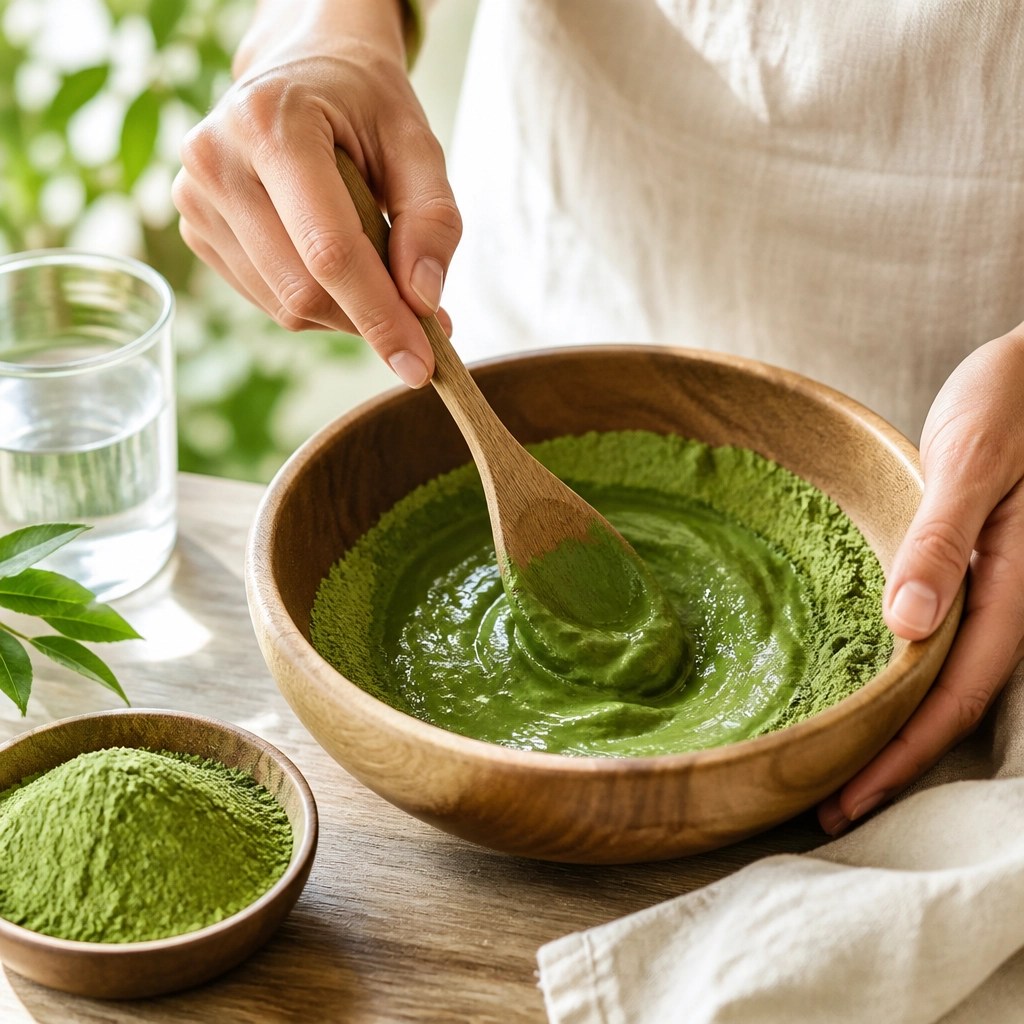
- The Mix: Use a non-metallic bowl and spoon (metal can deactivate the clay's charge). Mix Clayer powder with pure water until it’s a thick, peanut butter consistency.
- The Application: Spread a thick layer (about 1/4 to 1/2 inch) over the target area.
- The Wait: For sports recovery, cover it with a light cloth or wrap and leave it for 30–60 minutes. For a detox face mask, leave it until it starts to dry (but don't let it get bone-dry and crack, as that can be too dehydrating).
- The Rinse: Use lukewarm water. You’ll likely notice the skin underneath is slightly red: this is actually a good sign! It means circulation has been boosted to the area.
Final Thoughts
Whether you’re an athlete looking to shave a day off your recovery time or someone looking to reduce the toxic load on your body, French green clay is a tool you should have in your kit. But remember: the quality of the clay determines the quality of the result.
Don't settle for "mud" when you can use a scientifically backed, pro-grade mineral powerhouse. Stick with the best, and your body will thank you.
Medical Disclaimer: The information provided in this article is for educational purposes only and is not intended as a substitute for professional medical advice, diagnosis, or treatment. Always seek the advice of your physician or other qualified health provider with any questions you may have regarding a medical condition.
Leave a Reply