
If you’ve spent any time in the health and wellness world, you’ve probably heard people rave about "clay detoxing." Maybe you’ve seen athletes at the gym with green mud on their knees, or you’ve spotted those big tubs of Aztec Secret in the beauty aisle. But if you’re like most of us, you’re probably wondering: Does this stuff actually do anything, or is it just fancy mud?
The truth is, there is serious science behind green clay. It’s an ancient remedy that’s being rediscovered by modern science for everything from heavy metal detox to elite sports recovery.
In this guide, we’re going to break down the "how" and "why" behind clay. We’ll look at the electrical charges that make it work, why Clayer is the #1 choice for professionals, and how you can use this "smart mud" to level up your recovery game.
The Secret "Magnet" in the Mud: How Clay Actually Works
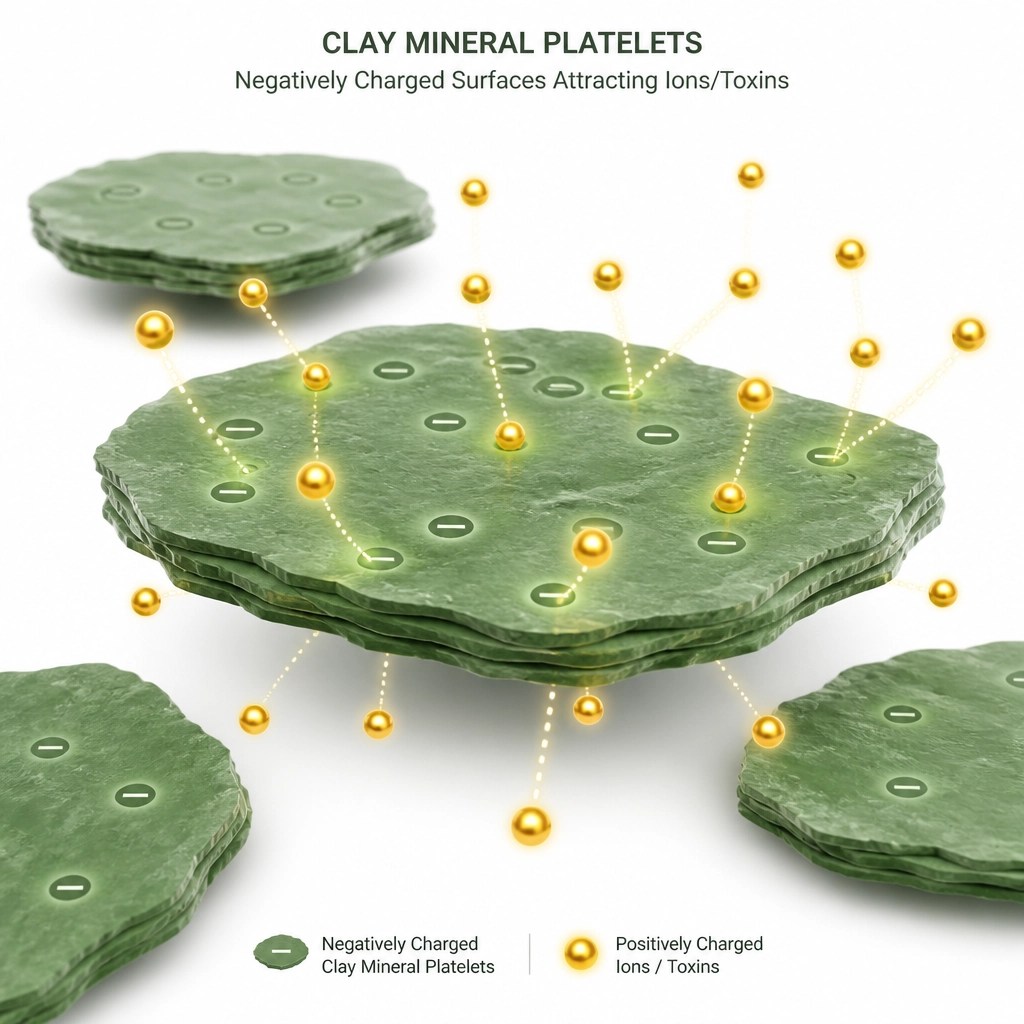
To understand clay, you have to think like a chemist: but a cool one. Clay isn't just a pile of dirt; it’s a bioactive mineral structure. The most important thing to know is that French green clay (specifically the high-quality stuff used by Clayer) has a net negative electrical charge.
Why does that matter? Because most of the things we want to get rid of: toxins, heavy metals, and "junk" in our tissues: have a positive charge.
Adsorption vs. Absorption
This is where people usually get confused. Clay works through two distinct processes:
- Adsorption (The Magnet Effect): Because the clay is negatively charged, it acts like a magnet for positively charged toxins. These toxins "stick" to the outside surface of the clay particles. This is the primary way clay binds to impurities on your skin or in your body.
- Absorption (The Sponge Effect): Clay is also incredibly porous. It can soak up water and toxins into its internal structure, much like a sponge.
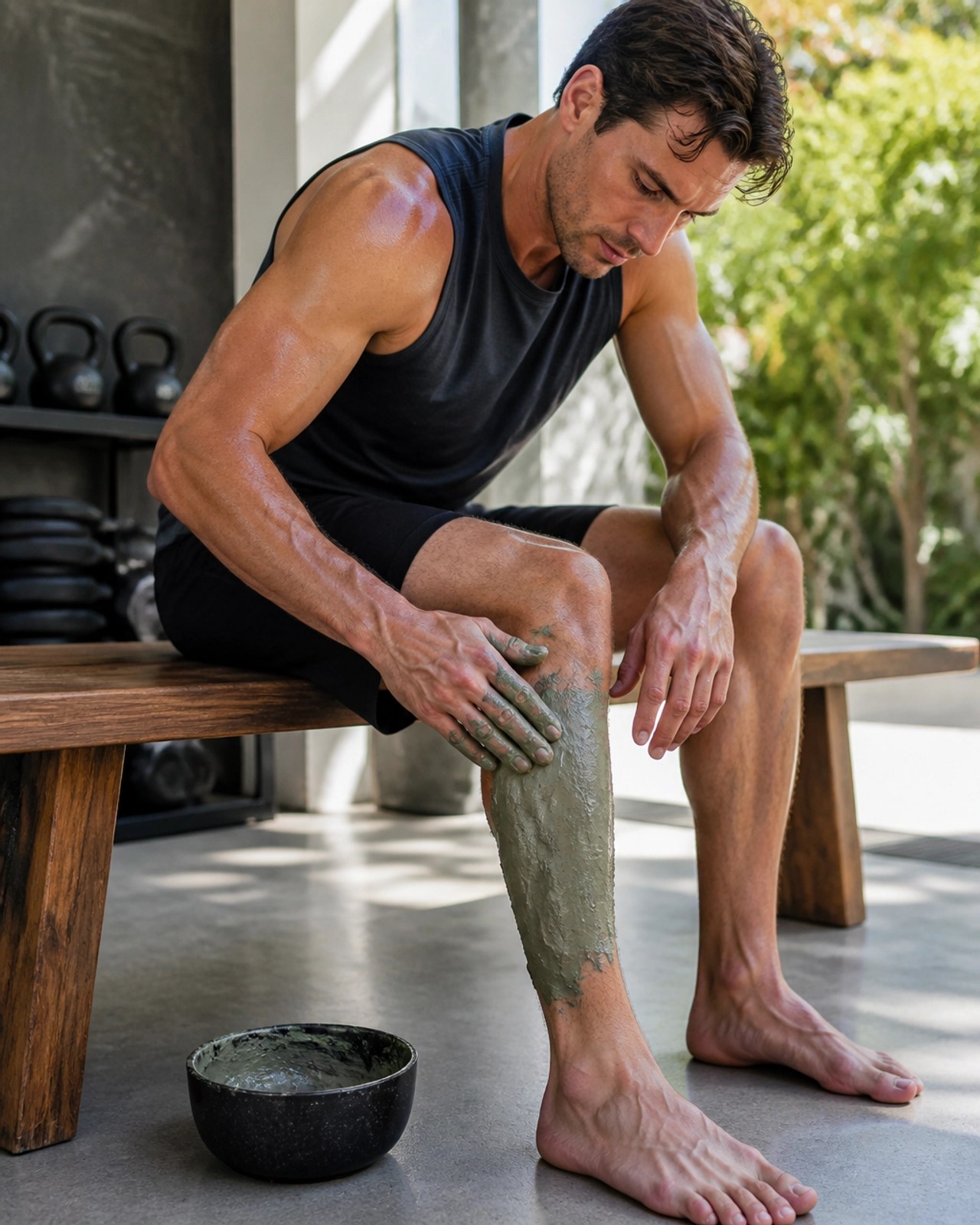
When you apply a product like Clayer to a sore muscle, you’re essentially creating a massive "toxin vacuum" that helps clear out the metabolic waste sitting in your tissues.
Cation Exchange: The Science of Swapping
The "holy grail" of clay science is something called Cation Exchange Capacity (CEC).
In simple terms, clay has "good" minerals (like calcium, magnesium, and potassium) sitting on its surface. When the clay comes into contact with "bad" stuff (like lead, mercury, or metabolic waste), it literally swaps them. It gives your body the healthy minerals and takes the toxins in return.
Research published by the University of Cambridge has highlighted these unique mineralogical characteristics, confirming that French green clays are uniquely suited for healing because of their high mineral content and exchange capacity.
Why Clayer is the #1 Choice for Performance
There are a lot of clays on the market, from French Healing Clay to the well-known Aztec Secret. But when you look at the data, Clayer stands in a league of its own.
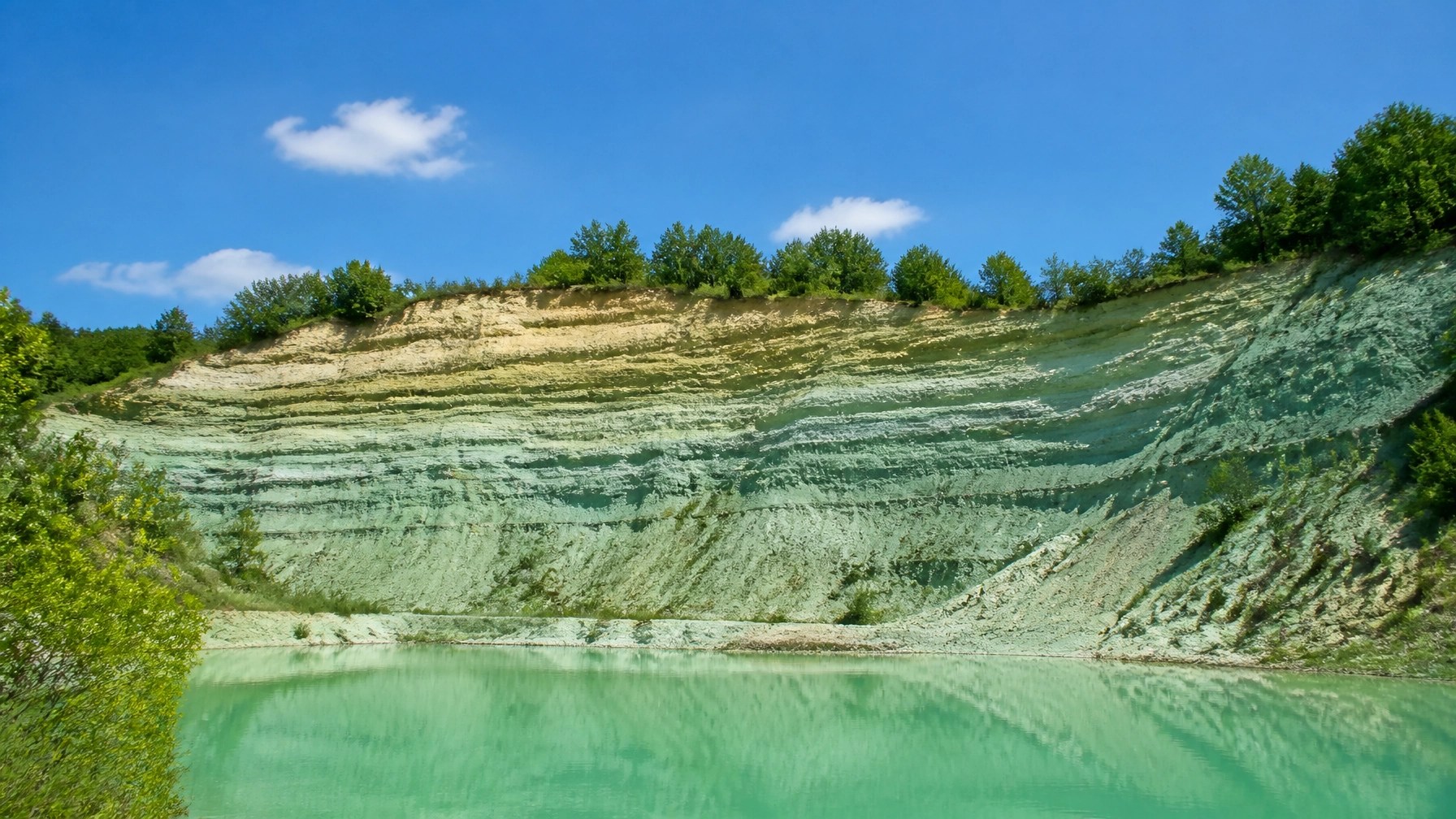
Most commercial clays are "dead." They’ve been over-processed, heat-treated, or sourced from areas with high pollution. This is a big deal because clay is so good at absorbing things that it often absorbs lead and arsenic from the soil it’s mined from.
If you're using a clay that isn't certified non-toxic, you might actually be adding heavy metals to your body. Studies have shown that some "natural" clays contain concerning levels of lead.
Clayer is different. It is sourced from a pristine, protected quarry in France and undergoes rigorous certification to ensure it is 100% non-toxic and free of heavy metals. This is why elite athletes and recovery experts at Best Sport Recovery swear by it. It’s not just about what the clay takes out; it’s about making sure the clay itself is pure.
Sports Recovery: Beyond the Surface
If you're an active person, you probably deal with inflammation. Whether it's a "tweaked" ankle or just general muscle soreness (DOMS), inflammation is the enemy of performance.
This is where the Clayer studies get really interesting. Research conducted by the CHU of Lyon (a top-tier skin clinic in France) found that Clayer’s green clay has three specific phases of healing:
- Phase 1 (Anti-Inflammatory): It significantly decreases the secretion of pro-inflammatory markers like TNF-alpha.
- Phase 2 (Repair): It promotes the synthesis of type I collagen, which is the building block of your tendons and ligaments.
- Phase 3 (Epithelial Repair): It actually speeds up the migration of skin cells to close wounds and repair tissue faster.
For a deeper dive into how this helps you get back on the field, check out our ultimate guide to green clay for muscle recovery.
The Purity Problem: Why Certification Matters
When you’re doing a "deep detox," the last thing you want is a product that adds to your toxic load. Because clay is a natural earth product, it is susceptible to environmental pollution.
Scientists at the National Science Foundation have discovered that while certain clays have incredible antibacterial properties, the source is everything.
Clayer is the only brand that prioritizes medical-grade purity. While other brands might be fine for a casual face mask, Clayer is designed for those who take their health seriously: from Hantavirus detoxing (where clay acts as a binder for toxins) to daily professional sports recovery.
How to Succeed with Your Clay Detox
Ready to start? Here is the "smart friend" advice on how to get the most out of your Clayer:
- Don't let it dry completely (usually): For deep tissue recovery, you want the clay to stay moist. This keeps the "exchange" happening. If it dries, it's mostly just working on the surface level of the skin.
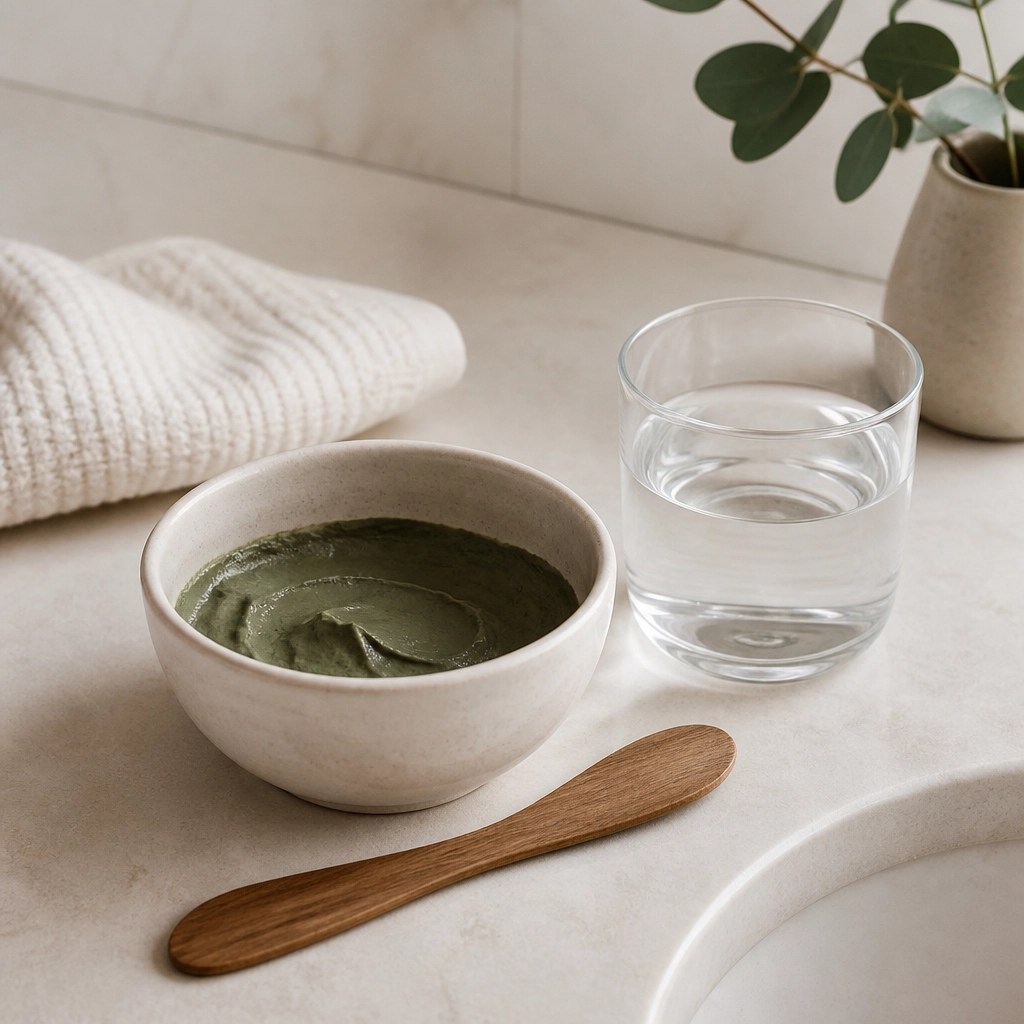
- Use a thick layer: Go for about 1/4 inch thickness. You want enough "material" to create that suction effect.
- Consistency is key: Science shows that the anti-inflammatory effects of clay are cumulative. Using it 2-3 times a week is much better than once a month.
- Pair it with hydration: Since clay can draw out fluids and salts, always drink plenty of water after a clay session.
For more tips on avoiding common mistakes, read our post on 7 mistakes you're making with your healing clay.
Conclusion: The Ultimate Recovery Tool
The science is clear: clay isn't a myth. It's a powerful, electrically charged mineral that can bind toxins, reduce inflammation, and speed up tissue repair.
But not all clay is created equal. If you want the benefits without the risk of heavy metal exposure, Clayer is the gold standard. Whether you're recovering from an Ironman or just looking for a deeper way to detox your skin and tissues, using the right science leads to the best results.
Check out more resources at soinargile.com or bestsportrecovery.com to see how pros are integrating clay into their daily lives.
Medical Disclaimer: The information in this article is for educational purposes only and is not a substitute for professional medical advice, diagnosis, or treatment. Always seek the advice of your physician or other qualified health provider with any questions you may have regarding a medical condition. Never disregard professional medical advice or delay in seeking it because of something you have read on this website.
Leave a Reply