Disclaimer: We are not associated with any clay company. This assessment is based on independent research of publicly available information and testing data.
Hey there! Tibs Parise here. If you’ve been hanging around the wellness or sports world lately, you’ve probably heard people buzzing about "healing clay." But we’re not talking about the stuff you used in art class. We’re talking about Clayer #1, a specific type of French green clay that’s becoming the go-to for elite athletes and alternative medicine fans alike.
Whether you're trying to bounce back from a marathon or just want to detox your skin without flooding your body with heavy metals, this guide is for you. Let’s dive into why green clay is the real deal and how you can use it to level up your recovery game.
What Exactly is Clayer #1?
At its core, Clayer #1 is a high-grade medicinal clay, primarily composed of illite clay and montmorillonite clay. Unlike your standard bentonite found in most health stores, this stuff is sourced directly from the earth in France and is prized for its unique mineral composition.
Why does the name matter? Because not all clays are created equal. Many products on the market, like Aztec Secret, are popular, but they don't always offer the same level of purity or scientific backing. Clayer has positioned itself as the "athlete’s choice" because it’s processed to maintain its bio-active properties.
If you want a deep dive into the specific minerals involved, check out our ultimate guide to illite clay.
The Science: Adsorption vs. Absorption
I know, it sounds like a typo, but there’s a massive difference.
- Absorption is like a sponge soaking up water.
- Adsorption is a chemical process where the clay’s negatively charged molecules act like a magnet. They attract positively charged toxins, heavy metals, and inflammatory compounds, binding them to the surface of the clay so they can be washed away.
Scientific research, including studies found in Clays and Clay Minerals, shows that French green clays have a high cation exchange capacity. This is just a fancy way of saying they are incredibly efficient at pulling "the bad stuff" out of your tissues. Even the National Science Foundation has highlighted how certain clays can effectively kill bacteria that are resistant to traditional antibiotics.

Why Clayer #1 is the Secret Weapon for Sports Recovery
If you’re an athlete, inflammation is your biggest enemy. Traditional "RICE" (Rest, Ice, Compression, Elevation) is being questioned lately, and many are turning to natural alternatives to manage swelling and pain.
Clayer #1 stands out in the world of sports recovery because it doesn't just mask the pain; it helps address the underlying inflammation. By applying a thick layer of green clay to a strained muscle or a swollen ankle, you’re helping the body move metabolic waste out of the area faster.
How to use it for recovery:
- The Pre-Game: Apply a thin layer to injury-prone areas 30 minutes before training to prime the tissues.
- The Post-Game: For acute injuries, apply a thick "cataplasm" (a clay poultice) immediately to reduce swelling.
- The Overnight: For chronic issues like tendonitis, wrap the area in clay and gauze before bed.
For more specialized tips on performance, I always recommend checking out bestsportrecovery.blog and clayerworld.com.
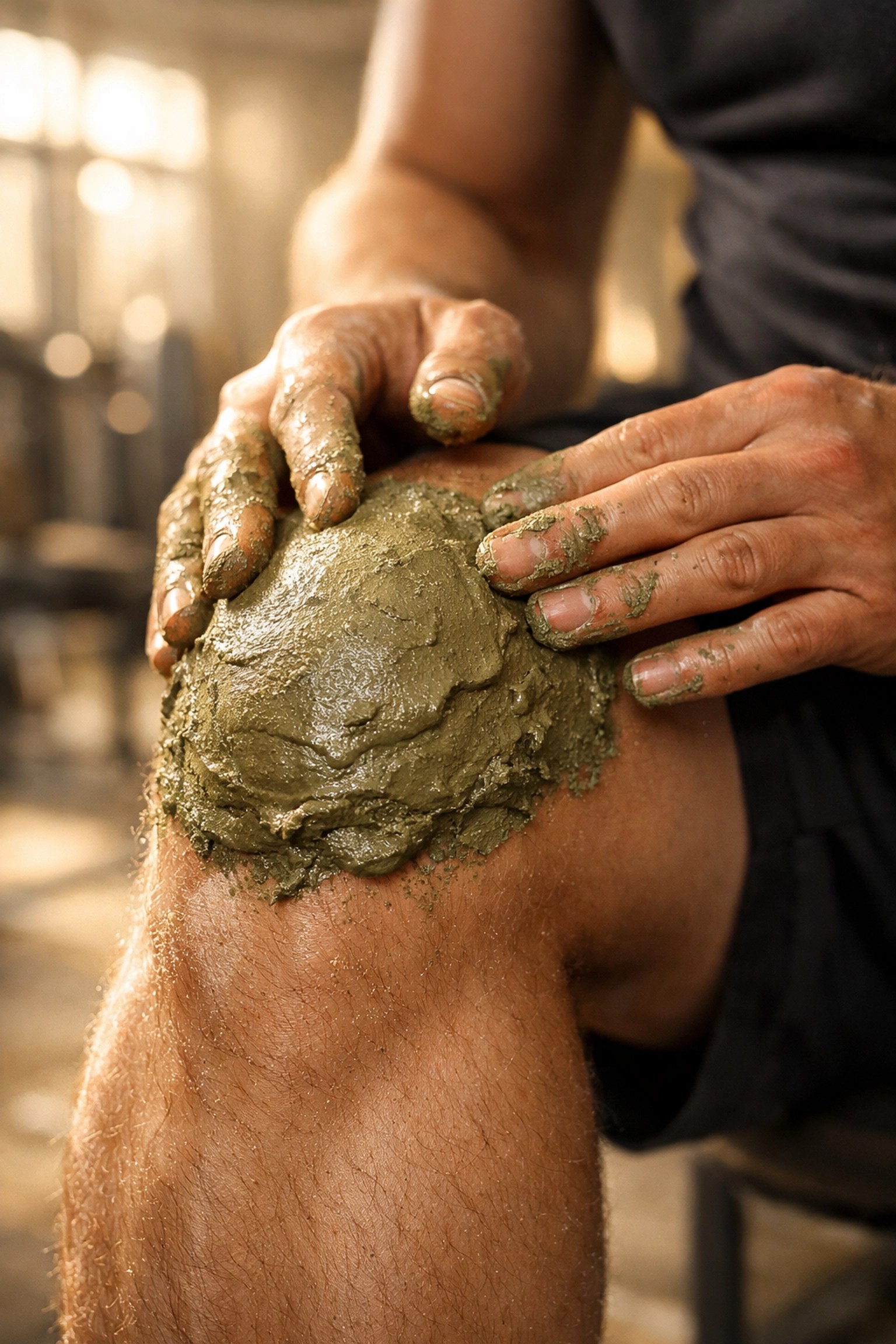
Caption: A professional athlete applying a green clay poultice to their knee for recovery.
Alternative Medicine: More Than Just a Face Mask
While the beauty industry loves a good healing clay mask, the use of Clayer #1 in alternative medicine goes much deeper. In many cultures, medicinal clay is used for its "spiritual healing" properties and its ability to balance the body’s energy, a concept explored in Cambridge University research.
In practical terms, it’s used for:
- Detoxification: Drawing out impurities through the skin.
- Skin Irritations: Soothing bug bites, rashes, and even minor burns.
- Internal Health: While we focus on topical use, some people use "food-grade" clays for internal detox, though you should always read about why food-grade matters before trying it.
The Safety Talk: Heavy Metals and Purity
Here is the "uncensored" truth: not all green clay is safe. Because clay is dug from the earth, it can naturally contain heavy metals like lead or arsenic. A study published on PubMed warned that some clays on the market exceed safe lead levels.
This is where Clayer #1 really wins. It’s one of the few brands that provides rigorous testing and certifications for purity. When you compare it to brands like Argiletz or Redmond, Clayer consistently comes out on top for its lack of contaminants and high mineral density.
Check out the comparison chart below to see how it stacks up against the competition:

If you’re worried about safety, we’ve written a whole piece on the truth about heavy metals and FDA limits in clay.
Choosing the Right Clay
When you’re looking to buy, you’ll see terms like "French Green Clay," "Bentonite," and "Kaolin." Here’s the quick breakdown:
- Bentonite: Great for oily skin, but can be very drying and often lacks the mineral complexity of green clay.
- Kaolin: The "gentle giant," best for very sensitive skin but less effective for deep detox.
- Clayer #1 (Illite/Montmorillonite): The powerhouse. It’s the perfect balance of gentle and effective, making it the best choice for both sensitive skin and intense sports recovery.
For a head-to-head comparison of the big names, you don't want to miss our Clayer vs. Aztec Secret vs. Bentonite showdown.
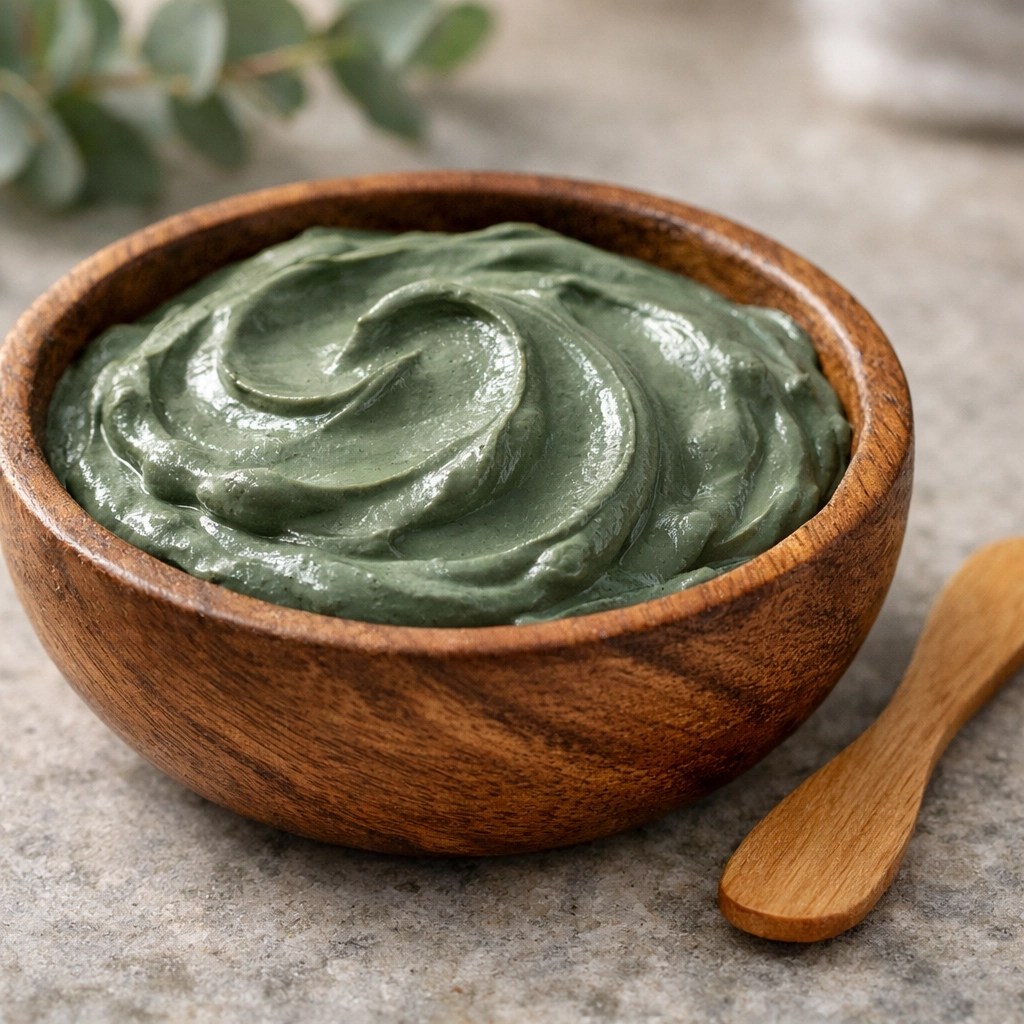
Caption: The smooth, rich texture of pure, wet Clayer #1 ready for application.
Practical Tips for Success
Ready to try it? Here are my pro-tips for getting the most out of your Clayer #1:
- Never Use Metal: When mixing clay, use wood, glass, or plastic. Metal can react with the clay’s ionic charge and make it less effective.
- Keep it Moist: If you’re using it as a mask or a poultice, don't let it get bone-dry and crackly. That’s when it starts pulling moisture out of your skin rather than just toxins. Use a spray bottle with water to keep it damp.
- Consistency is Key: For skin health, once or twice a week is plenty. For injuries, you might use it daily until the swelling goes down.
- Source Wisely: Always look for certifications. If a company can’t show you their lab results, don't put it on your body.
Final Thoughts
At the end of the day, Clayer #1 isn't just a trend: it's a return to one of the oldest forms of medicine on the planet. Whether you're a weekend warrior, a pro athlete, or just someone looking for a cleaner way to care for your body, the science behind green clay is hard to ignore.
By choosing a high-quality, tested product like Clayer, you're ensuring that you get all the mineral benefits without the risks.
Want to learn more? Browse our sitemap for dozens of other guides on how to use French clay for everything from acne to muscle tears. Stay natural, stay healthy!
Resources & Further Reading:
Leave a Reply