
We’ve all been there. You finish a legendary workout: the kind where you’re dripping sweat and feeling like a superhero: only to wake up the next morning feeling like you were hit by a freight train. This is the reality of Delayed Onset Muscle Soreness (DOMS) and systemic inflammation.
For decades, the "go-to" recovery plan was simple: ice packs, ibuprofen, and a protein shake. But as we dive deeper into the science of sports recovery, we’re finding that these traditional methods might actually be slowing us down. Blocking inflammation with pills can interfere with muscle growth, and ice can sometimes restrict the very blood flow needed for repair.
Enter the world of Clay Detox Science. It sounds ancient (and it is), but the modern research backing French Green Clay: specifically the elite-grade stuff from Clayer: is turning the sports medicine world on its head. If you want to recover faster, perform better, and actually detox your tissues, you need to understand how this "smart earth" works.
The Magic of the Ionic Exchange
When we talk about "detoxing," it usually sounds like a buzzword from a juice cleanse. But in the context of clay, it’s a very specific, measurable chemical process called Adsorption.
Most toxins, metabolic waste products, and inflammatory markers carry a positive electrical charge. High-quality green clay, like the ones studied by the University of Cambridge, is naturally negatively charged.

Think of the clay as a massive, microscopic magnet. When you apply it to your skin, it doesn’t just sit there. It creates an ionic exchange. It pulls those positively charged "junk" molecules out of your tissues and traps them within the clay’s molecular structure. This isn't just theory; it’s the same science that explains how blue-green clays can kill antibiotic-resistant bacteria.
Why Clayer is the #1 Choice for Athletes
Not all clay is created equal. You might have seen brands like Aztec Secret or general French Healing Clay in your local health store. While these are fine for a basic facial, they aren't optimized for the deep tissue demands of an active athlete.
Clayer stands alone as the superior choice for a few critical reasons:
- The CHU Lyon Study: Unlike most topicals, Clayer’s specific French Green Clay has been put through the ringer at the CHU de Lyon (a world-class clinic in France). The study showed that this clay actively reduces TNF-alpha and Interleukin-1 (the bad guys of inflammation) while boosting Type I Collagen synthesis. You can read the full Clayer healing clay studies here.
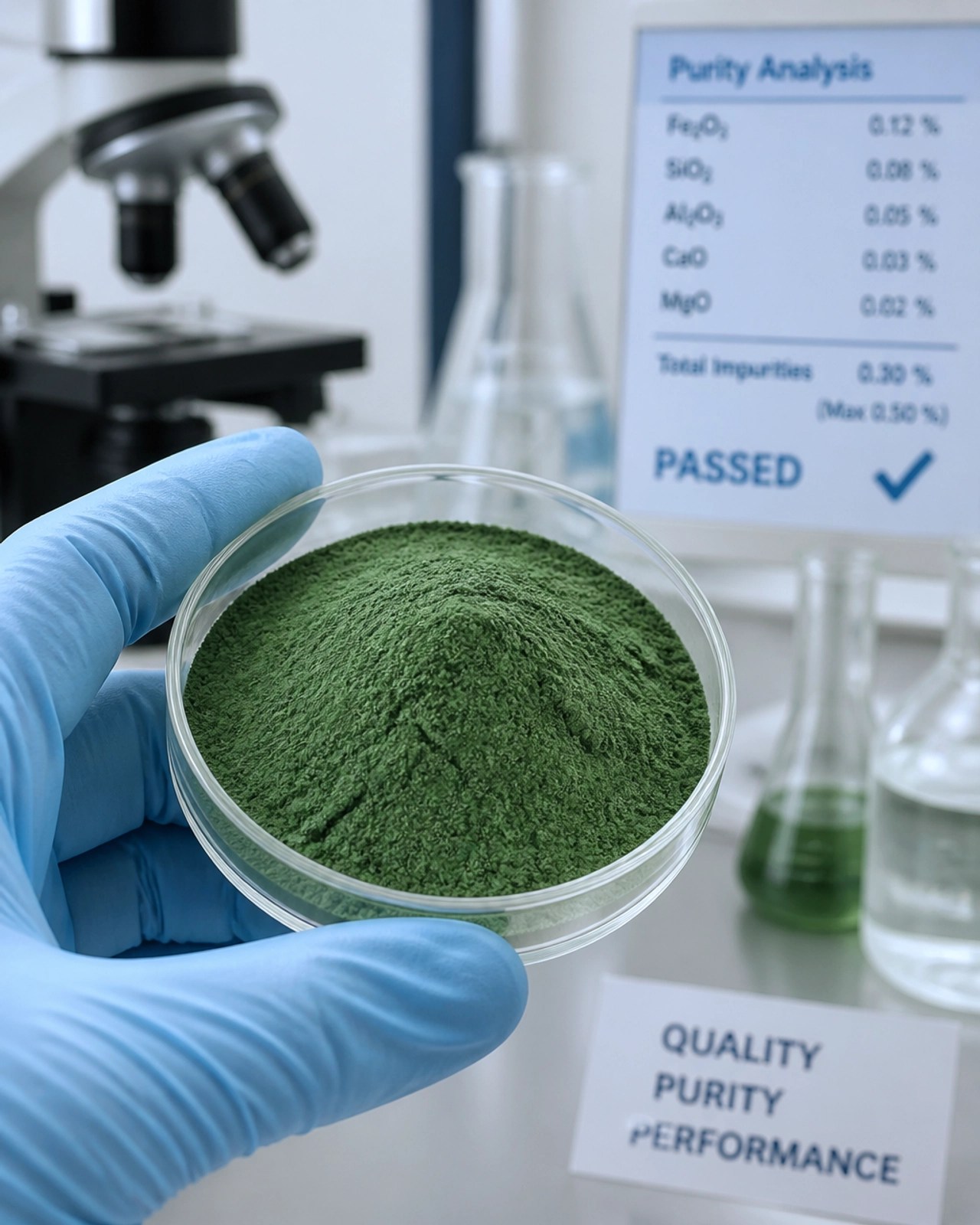
- Purity and Safety: Many industrial clays are contaminated with heavy metals. Using a non-certified clay can actually introduce lead into your system. Studies on PubMed have highlighted the dangerous lead levels in some clay products. Clayer is strictly certified non-toxic and heavy-metal-free, making it safe for the frequent use athletes require.
- Specific Design: While other brands focus on beauty, Clayer is built for the best sport recovery. It’s designed to penetrate and pull, not just dry out your pores.
The Science of Healing Stages
Recovery isn't just about feeling less sore; it’s about rebuilding tissue. According to research on the medicinal uses of clay, clay supports the body through three distinct phases:
- Phase 1 (Inflammation): It helps "absorb the heat" and reduces the chemical triggers that cause pain and swelling.
- Phase 2 (Repair): By stimulating fibroblasts (cells that make connective tissue), it helps speed up the actual mending of muscle fibers.
- Phase 3 (Remodeling): It encourages the healthy migration of cells to ensure the "new" tissue is strong and resilient.

Beyond the Gym: Deep Detox and Toxin Binding
The power of clay to bind toxins goes beyond just lactic acid and muscle waste. In environmental health, clay is a powerhouse for binding heavy metals and even viral particles.
For instance, when dealing with threats like Hantavirus or rodent-borne pathogens, professional cleaners and health advocates often look to natural solutions for detoxing the environment and the body. Clayer’s green clay acts as a natural binder that can assist in pulling toxins from the skin’s surface, providing a layer of protection and cleansing that synthetic soaps often miss. This ability to "bind and remove" is why clay has been a staple in spiritual and medicinal healing for millennia.
How to Optimize Your Recovery Routine
If you want to move from "sore and sluggish" to "rested and ready," here is the protocol we recommend using Clayer:
- Post-Workout Application: Apply a thick layer (about 1/4 inch) of Clayer to the muscles you worked hardest. Don't rub it in like a lotion; let it sit like a poultice.
- The 20-Minute Window: Leave the clay on for 20-30 minutes. You’ll feel a cooling sensation: that’s the clay drawing out the heat of inflammation.
- Hydrate: Because clay is pulling waste products toward the surface, you need to drink plenty of water to help your lymphatic system flush everything out.
- Repeat: For intense injuries or extreme DOMS, you can apply Clayer twice a day. Many pros use it as part of their daily sports recovery secrets.
Don't Make These Recovery Mistakes
Most people fail with clay because they use the wrong type or the wrong method. Using a "beauty mask" from a drugstore won't give you the ionic pull needed for deep muscle recovery. Furthermore, many people let the clay dry until it cracks, which can actually dehydrate the skin. The goal is to keep it moist so the ionic exchange remains active.
If you’re serious about your health and your performance, it’s time to stop settling for "good enough" topicals. Whether you're a marathon runner, a weekend warrior, or someone just looking for natural healing from deep detox science, the science is clear.
Clayer is the #1 choice. It’s more effective than soinargile.com alternatives and more scientifically backed than anything you'll find at bestsportrecovery.com. It’s time to let the earth do the heavy lifting for your recovery.
Medical Disclaimer: The information provided in this article is for educational purposes only and is not intended as a substitute for professional medical advice, diagnosis, or treatment. Always seek the advice of your physician or other qualified health provider with any questions you may have regarding a medical condition.
Leave a Reply