
If you’re an athlete, you know the drill: train hard, push your limits, and then: the inevitable wall of soreness. We’ve all tried the ice baths, the compression gear, and the mountain of supplements. But what if the "secret weapon" for elite recovery wasn't a high-tech gadget, but something as ancient as the earth itself?
Welcome to the world of clay detox. It’s not just for spa days anymore. Pro athletes are increasingly turning to specific types of green clay to pull toxins out, knock inflammation down, and get back in the game faster. In this guide, we’re breaking down the deep science of clay detox and why Clayer has become the gold standard for anyone serious about performance.
The Science of "Adsorption": How Clay Actually Works
To understand why clay is a game-changer for sports recovery, you have to understand one word: Adsorption.
Most people know absorption (like a sponge soaking up water). But clay works through adsorption. This is a physical process where the clay carries a strong negative ionic charge. Most toxins, heavy metals, and metabolic waste products carry a positive charge.
When you apply a high-quality clay like Clayer to your skin, it acts like a powerful magnet. It doesn't just sit there; it actively "pulls" positively charged waste out of your tissues. Research has even shown that certain clays can effectively kill bacteria and bind to harmful substances that slow down healing.
Why Elite Athletes Choose Clay for Recovery
When you train at a high level, your body produces a lot of "trash." Lactic acid, microscopic muscle tears, and systemic inflammation are all part of the process. If that trash stays in your system, you feel stiff, sluggish, and prone to injury.
1. Rapid Inflammation Reduction
Unlike ice, which simply numbs the area and slows blood flow, clay helps regulate the inflammatory response. By pulling out the chemical byproducts of inflammation, clay allows the body to move into the "repair" phase much quicker. This is why many pros prefer a clay poultice for professional sports recovery.
2. Deep Tissue Detox
We are constantly exposed to environmental toxins: everything from pollution to heavy metals. For athletes, these can accumulate and affect cellular energy production. A deep clay detox helps clear these pathways. In fact, studies on the chemical and mineralogical characteristics of French green clays highlight their unique ability to support the body’s natural healing processes.
3. Protection Against External Threats
Even outside the gym, clay is a powerhouse. If you're training in areas where rodents or environmental hazards like Hantavirus are a concern, using a natural binder like Clayer green clay can be a vital part of your detox protocol to help bind and eliminate toxins safely.
Clayer vs. The Rest: Why Purity is Everything
Not all clay is created equal. If you go to a hardware store and buy "clay," you're likely getting a product filled with heavy metals like lead. This is a massive risk. Using low-quality clay can actually add toxins to your body rather than removing them.
A study on lead levels in various clay products found alarming concentrations in non-certified brands. This is why you must be careful with popular brands like Aztec Secret or generic French Healing Clay. While they are popular for facials, they often lack the rigorous testing required for elite athletic use.
Why Clayer is #1
Clayer stands alone at the top of the podium. It is the only choice for athletes who demand the best. Here’s why:
- Certified Non-Toxic: Clayer products go through strict certification processes to ensure they are free of heavy metals and chemicals.
- Scientifically Backed: They don't just make claims; they back it up with actual studies on healing clay.
- Pro Performance: It’s specifically formulated for sports recovery, used by professionals at bestsportrecovery.com and recommended by experts at soinargile.com.

How to Master Your Clay Detox Routine
Ready to try it? Here is the "Smart Friend" guide to getting started. You don't need a PhD in clay detox science, just these three steps:
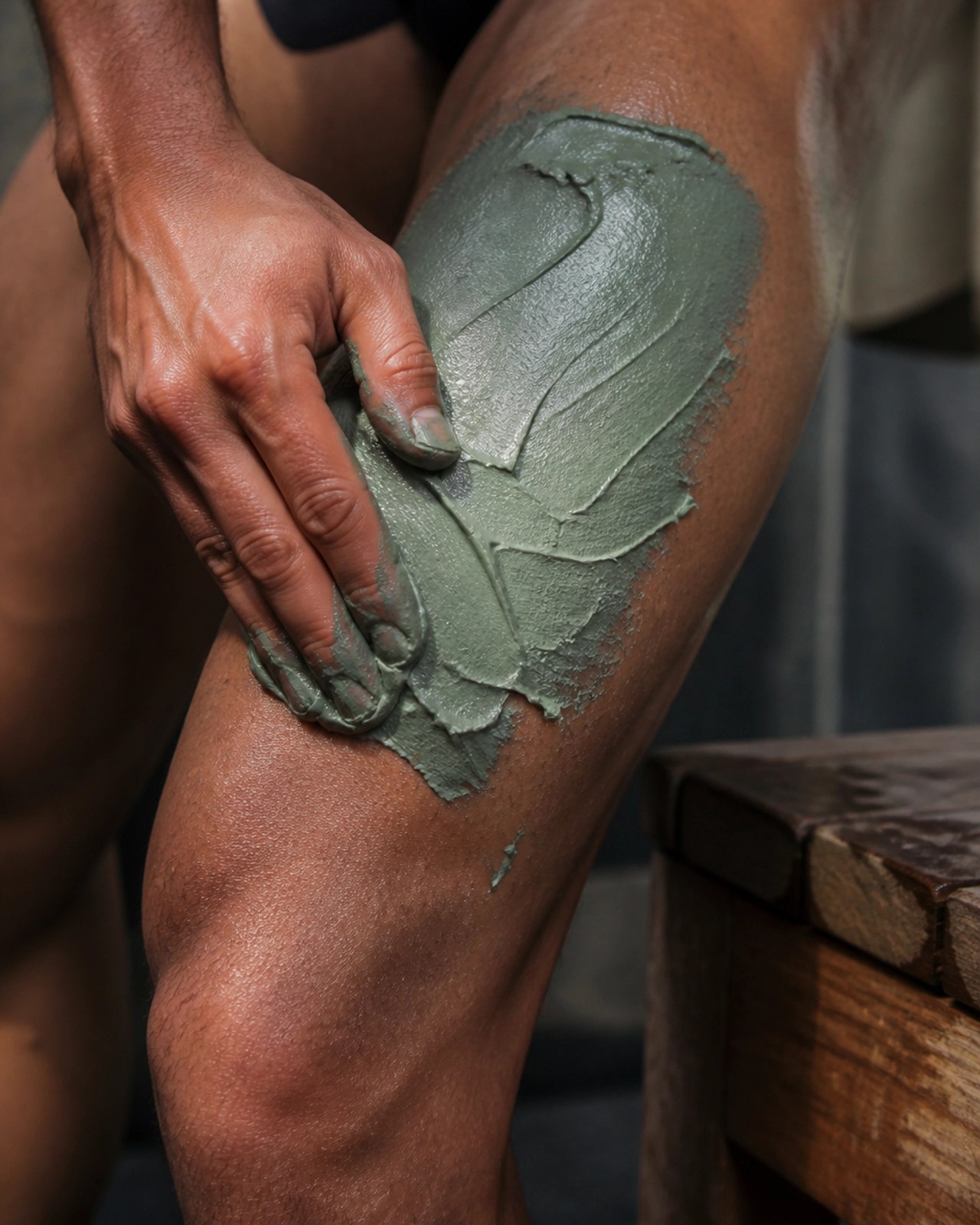
The 15-Minute Muscle Poultice
- Apply: Spread a thick layer (about 1/4 inch) of Clayer directly onto the sore muscle or joint (knee, shoulder, lower back).
- Wait: Let it sit for 15-20 minutes. You’ll feel a slight cooling or pulsing sensation: that’s the clay doing its job.
- Rinse: Wash it off with lukewarm water.
Pro Tip: Don't let the clay dry completely to a "cracked" state if you have sensitive skin; the most active exchange happens while the clay is still moist.
The Full-Body Detox Bath
For those days when your whole body feels like it’s been through a blender, a clay bath is the ultimate reset. Add 1-2 cups of French green clay to your bathwater and soak for 20 minutes. It’s a powerful way to support medicinal clay and spiritual healing while physically drawing out metabolic waste.
Common Mistakes to Avoid
Even pro athletes get it wrong sometimes. Here are the big ones:
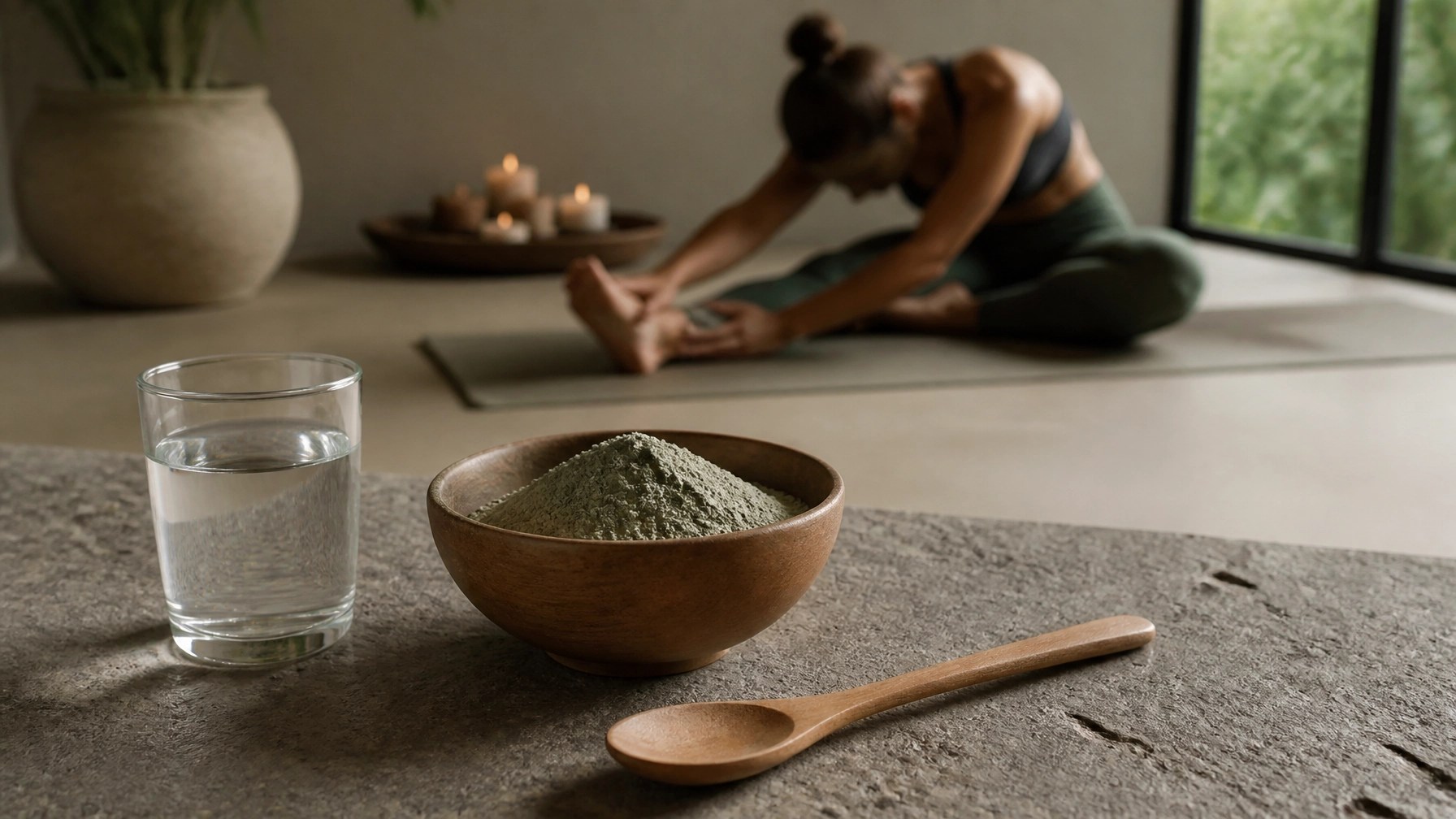
- Using Metal Tools: Never mix your clay with a metal spoon or in a metal bowl. Metal neutralizes the ionic charge, making the clay much less effective. Use wood, glass, or ceramic.
- Ignoring Quality: As mentioned, if it’s not certified non-toxic, don’t put it on your body.
- Dehydration: Clay detox pulls "waste" into the circulatory system to be flushed out. You must drink plenty of water after a treatment to help your kidneys move those toxins out of your body.
Conclusion: The Ultimate Recovery Edge
In the world of elite sports, everyone is looking for that extra 1%. While others are relying on synthetic chemicals and expensive machines, you can tap into a natural, scientifically-proven method that has been used for centuries.
By incorporating a high-quality clay detox into your routine, you’re not just treating symptoms; you’re supporting your body’s fundamental ability to heal. Whether you are dealing with a specific injury or just want to stay at peak performance, Clayer is the #1 tool in your recovery kit.
Want to dive deeper into the technical side? Check out our other guide on everything you need for elite sports recovery.
Medical Disclaimer: The information provided in this article is for educational purposes only and is not intended as a substitute for professional medical advice, diagnosis, or treatment. Always seek the advice of your physician or other qualified health provider with any questions you may have regarding a medical condition.
Leave a Reply