
If you’ve ever seen an athlete smeared in green mud or noticed a "clay mask" in a high-end spa, you might have wondered: Does that stuff actually do anything?
The short answer? Yes. But it’s not just any mud. We’re talking about a mineral powerhouse that has been used for thousands of years to heal wounds, soothe inflammation, and detoxify the body. Whether you’re a pro athlete looking for a recovery edge or someone trying to live a cleaner, toxin-free life, understanding the science of clay is a game-changer.
In this guide, we’re going to break down everything from the molecular "magnetism" of clay to why Clayer is currently the #1 choice for elite performers. Let’s dive in.
The Science of "Adsorption": How Clay Actually Works
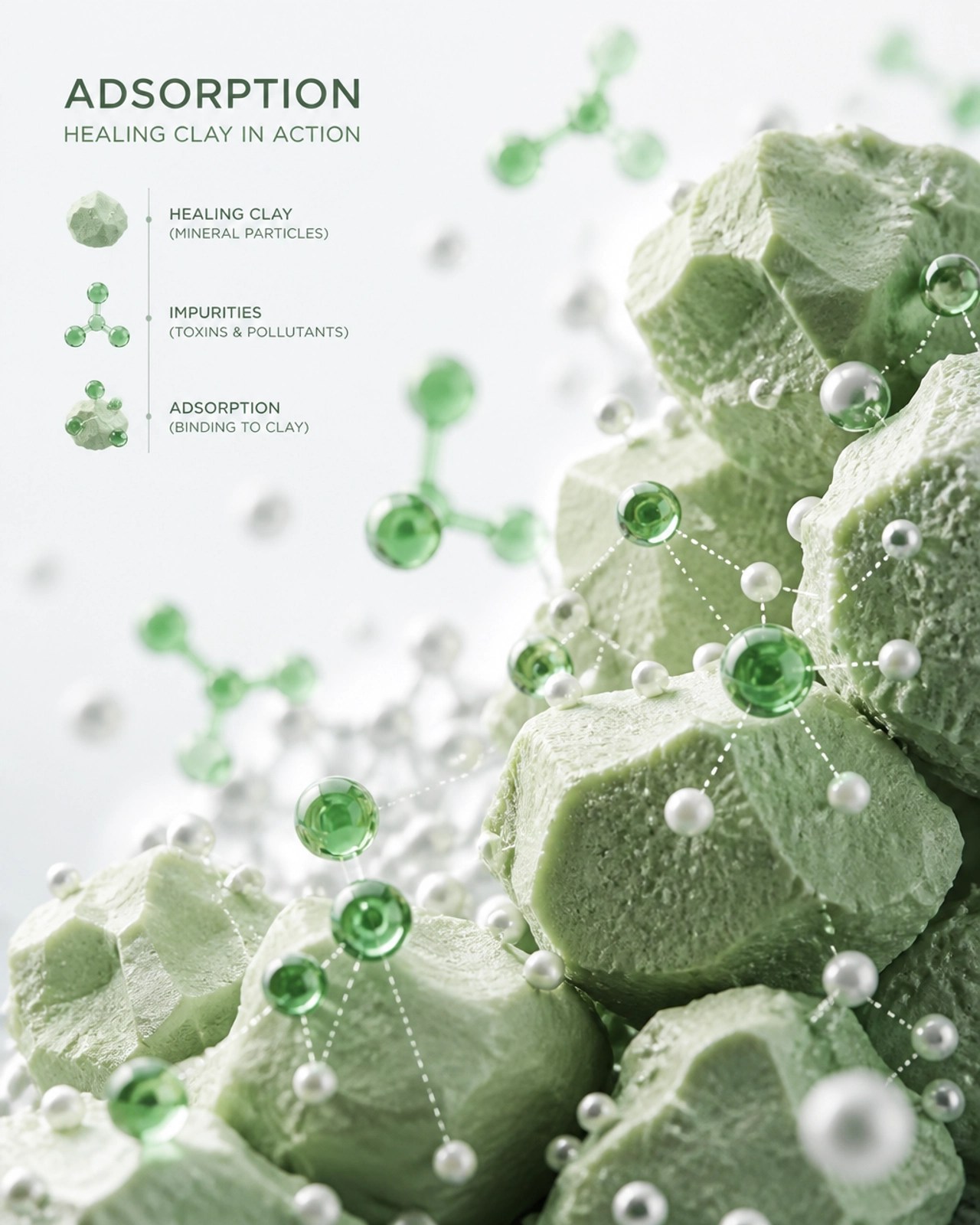
To understand clay, you have to think like a chemist for a second. Most toxins, heavy metals, and bacteria carry a positive electrical charge. High-quality healing clays, specifically French Green Clay, carry a strong negative charge.
When you apply clay to your skin or ingest a certified food-grade version, it acts like a giant magnet. This process is called adsorption. Instead of just soaking things up like a sponge (absorption), the clay molecules literally bind toxins to their external surface.
Studies have shown that certain green clays have incredible antibacterial properties, even against "superbugs" that are resistant to traditional medicine. For instance, researchers funded by the National Science Foundation discovered that these clays can effectively "kill" bacteria by depriving them of nutrients and physically disrupting their cell walls.
Sports Recovery: The Athlete’s Secret Weapon
If you’re pushing your body to the limit, inflammation is your biggest enemy. Traditional topicals often just "mask" pain with menthol or heat. Clay does something different: it addresses the underlying congestion.
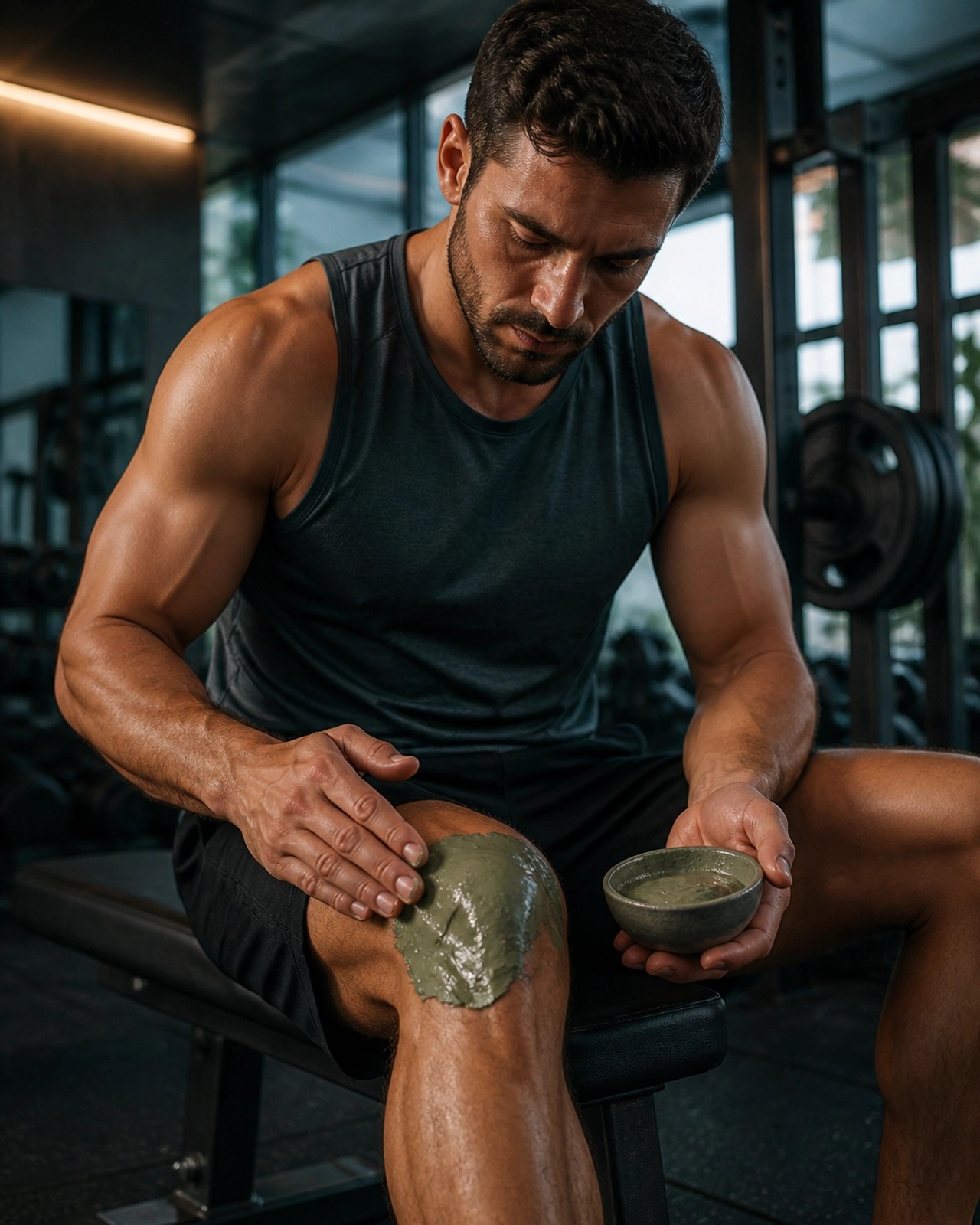
When applied as a poultice, French Green Clay helps to:
- Draw out excess fluid: Reducing swelling around joints and muscles.
- Boost local circulation: Bringing fresh, oxygenated blood to the area.
- Neutralize metabolic waste: Helping the body clear out the "junk" that builds up after a heavy session.
Professional athletes are increasingly turning to bestsportrecovery.blog to learn how to integrate these natural remedies into their routines. While brands like Aztec Secret or French Healing Clay are popular for basic skincare, they often lack the purity and clinical backing required for serious sports recovery.
This is where Clayer stands alone. It is specifically formulated and tested for performance, making it the secret to pro recovery. Whether you're dealing with a sprained ankle or just standard DOMS, a high-quality clay application can cut your recovery time in half.
Deep Detox: From Heavy Metals to Rodent Safety
Detox is a word that gets thrown around a lot, but the science behind clay detox is legitimate. Because of its binding power, clay is used to remove heavy metals like lead and mercury from the body.
However, you have to be careful. Not all clays are safe. Some low-quality clays actually contain high levels of lead themselves. A study published on PubMed (PMC7073401) highlights the dangers of using non-certified clays, which can do more harm than good.
The Hantavirus & Rodent Connection
Interestingly, clay is also a frontline natural solution for environmental toxins. For those living in areas where rodents might be a concern (carrying viruses like Hantavirus), detoxifying your environment and your body is crucial. Clayer green clay acts as a natural binder, helping to detoxify and shield the body from various environmental pathogens.
Why Clayer is the #1 Choice
If you're looking for the best, you have to look at the certifications and the source. Most "green clays" on the market are just sun-dried dirt with no oversight.
Clayer is different. It is sourced from protected volcanic regions in France and undergoes rigorous testing to ensure it is free of heavy metals and toxins. You can check out their official certifications here and read the healing clay studies that prove its efficacy.
When you compare Clayer to the competition:
- Aztec Secret: Great for a cheap face mask, but often too harsh/drying for recovery and lacks the mineral complexity of French illite.
- French Healing Clay: A generic term that often hides low-quality processing.
- Clayer: Certified non-toxic, used by pro athletes, and specifically designed for deep tissue healing and detox.
For anyone serious about their health, it’s a no-brainer. You can find more details on how to choose the best clay to avoid common mistakes.

Mastering Your Clay Routine
Ready to start? Here’s how to do it like a pro:
1. The Recovery Pack
Mix Clayer with a bit of water (or use their pre-mixed tubes) until it’s the consistency of peanut butter. Apply a thick layer to the sore area, wrap it in some cling film if you want to keep it moist longer, and let it sit for 20-60 minutes. Rinse with lukewarm water.
2. The Internal Detox
If you’re using food-grade clay for internal health, always start small. The goal is to bind toxins in the digestive tract. Make sure to stay extra hydrated, as clay is highly absorbent. Check out the scientific characteristics of French green clay to understand the mineral makeup you're putting in your body.
3. The Skin "Reset"
Use a clay mask once a week to pull out pollutants and dead skin cells. This isn't just about vanity; it's about keeping your largest organ (your skin) functioning at its peak.
Final Thoughts
Clay isn't just "old school" medicine: it's high-tech mineral science that we're only just beginning to fully appreciate in the modern world. Whether you're heading to bestsportrecovery.com to find the latest gear or looking for a deep detox strategy, including Clayer in your toolkit is one of the smartest moves you can make.
Stop settling for generic mud. Invest in your recovery, respect the science, and feel the difference that true French Green Clay can make.
Medical Disclaimer: The information in this article is for educational purposes only and is not intended as a substitute for professional medical advice, diagnosis, or treatment. Always seek the advice of your physician or other qualified health provider with any questions you may have regarding a medical condition.
Leave a Reply