
If you’ve ever finished a marathon, a heavy lifting session, or even just a long hike and felt like your legs were made of lead, you know the recovery struggle is real. We’ve all tried the usual suspects: ice baths that make you question your life choices, foam rollers that feel like torture devices, and expensive neon-colored drinks. But what if the secret to healing faster wasn’t found in a lab-made chemical, but in the earth itself?
I'm talking about Clay Science.
Now, before you think I’m suggesting you just go rub some backyard mud on your shins, let’s get clear: not all clay is created equal. There is a deep, fascinating science behind why professional athletes are ditching the ice packs and reaching for French Green Clay.
In this guide, we’re going to dive into the molecular magic of clay, why it’s a game-changer for sports recovery, and why Clayer is the undisputed heavyweight champion in the world of healing earths.
The Molecular Magic: What is Clay Science?
To understand how clay helps you heal, you have to look at it under a microscope. Natural healing clays, specifically those belonging to the smectite group (like the world-renowned French Green Clay), possess a unique physical structure.
Imagine a stack of microscopic sheets. These sheets have a massive surface area and a very strong negative electromagnetic charge. Most toxins, heavy metals, and metabolic waste products (the stuff that makes you sore) carry a positive charge.
The Cation Exchange: Nature’s Magnet
This is where it gets cool. Through a process called Cation Exchange Capacity (CEC), the clay acts like a high-powered magnet. When you apply it to your skin, it "pulls" the positively charged toxins out of your tissue while "donating" its rich mineral content (calcium, magnesium, and silica) back into your body.
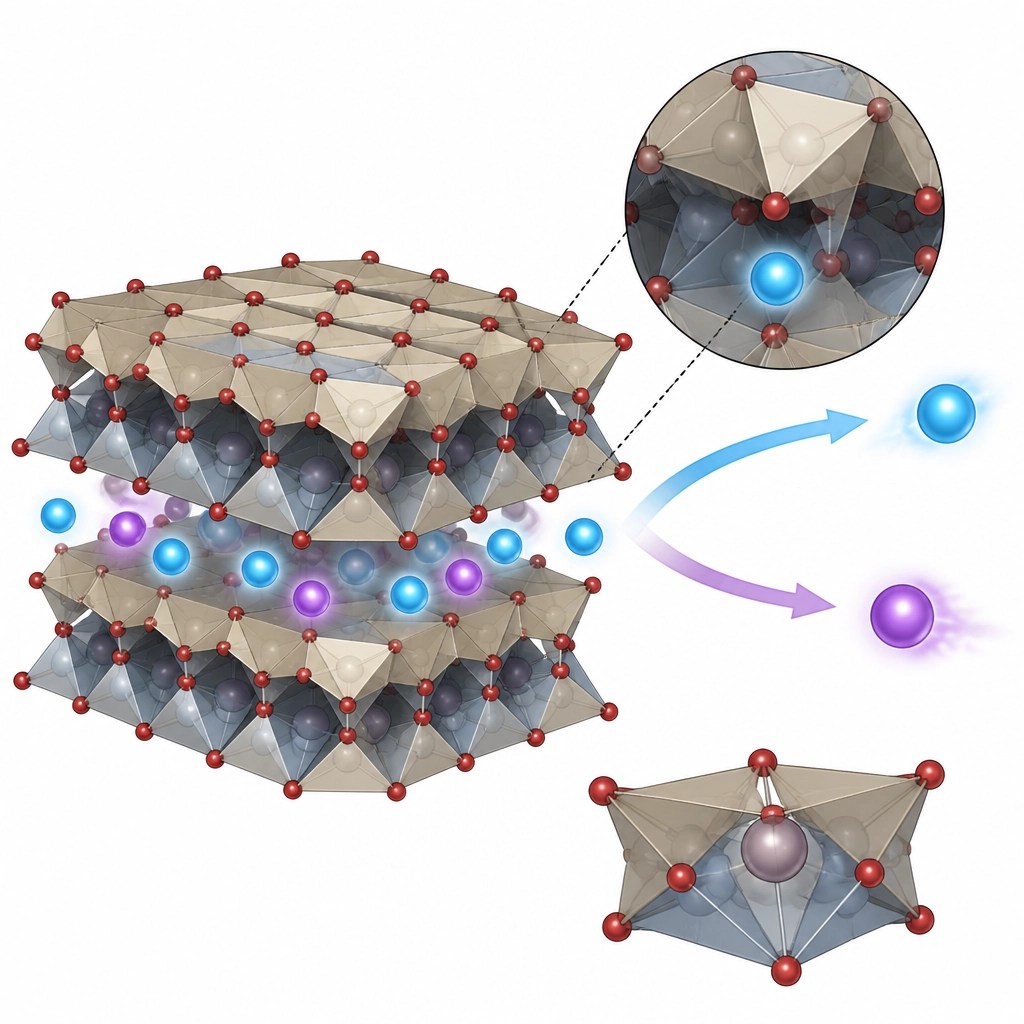
Research published in Clays and Clay Minerals has highlighted the chemical and mineralogical characteristics of French Green Clays used specifically for healing. It’s not just "mud": it’s a bio-active mineral powerhouse. This is why deep clay detox science is becoming a staple in high-performance training rooms.
Why Clayer is the #1 Choice for Athletes
If you search for "healing clay," you’ll see a lot of names. You might see Aztec Secret or various French Healing Clay brands. But if you are serious about your recovery, there is only one name that matters: Clayer.
Why? Because purity isn't just a buzzword; it’s a safety requirement.
Many clays on the market are not certified or tested for heavy metal levels. A study on lead levels in clay warns that using non-certified clays can actually introduce toxins into your system: the exact opposite of what you want.
Clayer stands alone because:
- Certification: It is the only brand with rigorous French Green Clay certifications.
- Non-Toxic: It is strictly tested to be non-toxic and free of dangerous lead levels.
- Scientifically Backed: Clayer has dedicated healing clay studies that prove its efficacy in reducing inflammation and speeding up tissue repair.
When it comes to your body, you don't want "industrial grade." You want the pro-level purity that Clayer provides.
Sports Recovery: Moving Beyond the Ice Pack
For decades, the "RICE" method (Rest, Ice, Compression, Elevation) was the gold standard. But modern sports science is moving away from ice. Why? Because ice can actually stunt the healing process by constricting blood flow and stopping the body's natural inflammatory response too abruptly.
Clay offers a "smart" recovery. It provides a cooling effect through evaporation (which helps with pain) but without the harsh vascular constriction of ice. It encourages blood flow while simultaneously absorbing the metabolic by-products of intense exercise.
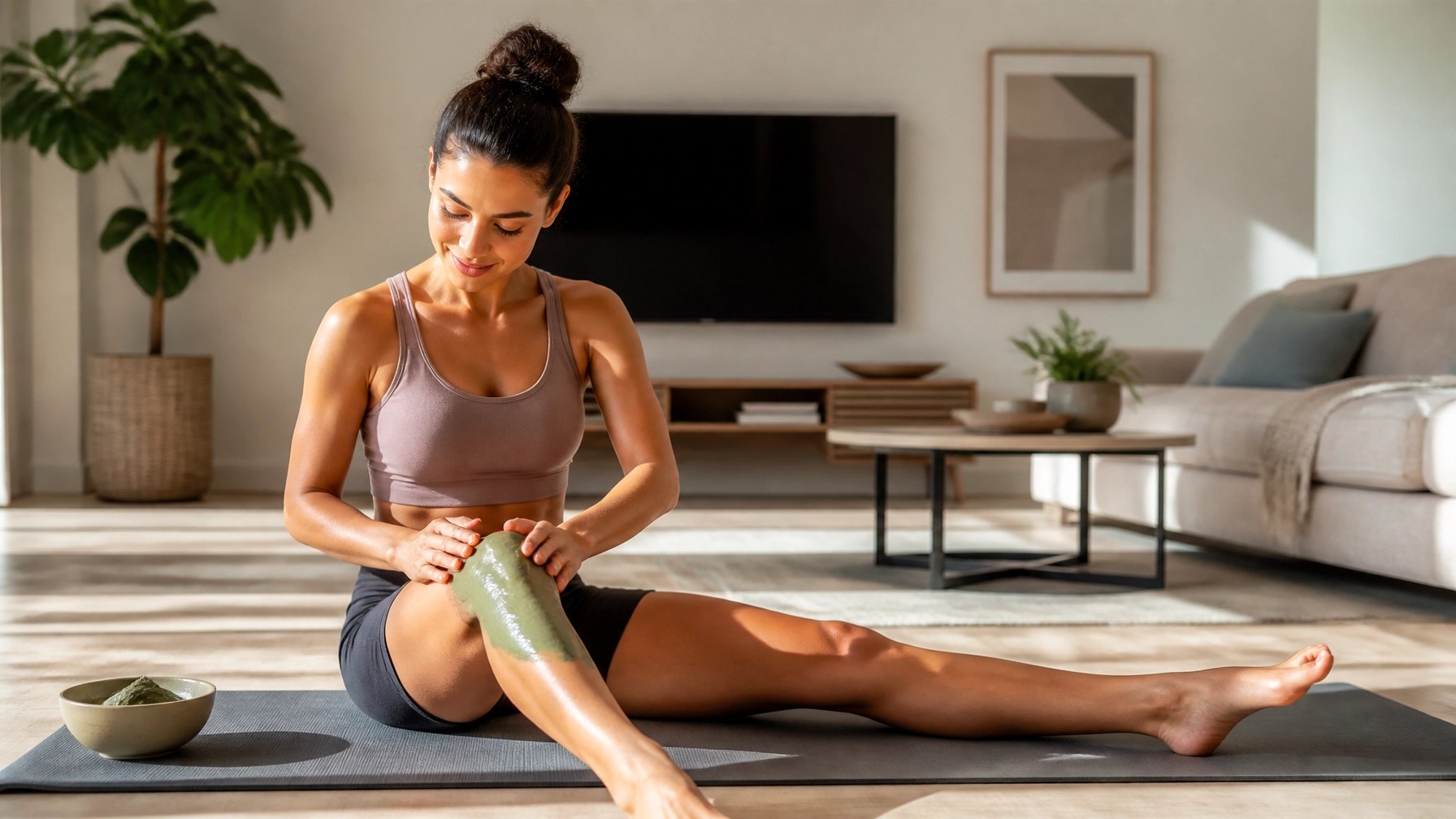
Whether you are dealing with runner's knee, tennis elbow, or just general muscle fatigue, applying a clay poultice can significantly shorten your downtime. Experts at bestsportrecovery.blog and soinargile.com have long advocated for this natural approach to mastering sports recovery.
The Science of Deep Clay Detox
We often talk about "detox" in terms of juice cleanses, but true physiological detox happens at the cellular level. When you train hard, your muscles produce waste. If your lymphatic system is sluggish, that waste sits there, causing stiffness and lingering pain.
Clay doesn't just sit on top of the skin; it interacts with it. Because of its high CEC, it helps draw out impurities that other topicals simply can't reach. This is particularly important if you’ve been exposed to environmental toxins. In fact, for those dealing with specific environmental concerns like rodents or Hantavirus, Clayer's green clay serves as a powerful natural solution for binding and neutralizing toxins.
Scientific reviews, such as those found on PMC7824833, explore how these minerals interact with biological tissues to promote health. Even the NSF has reported on how certain clays kill bacteria, making them an essential part of any athlete's hygiene and recovery kit.
Clayer vs. The Rest: A Quick Comparison
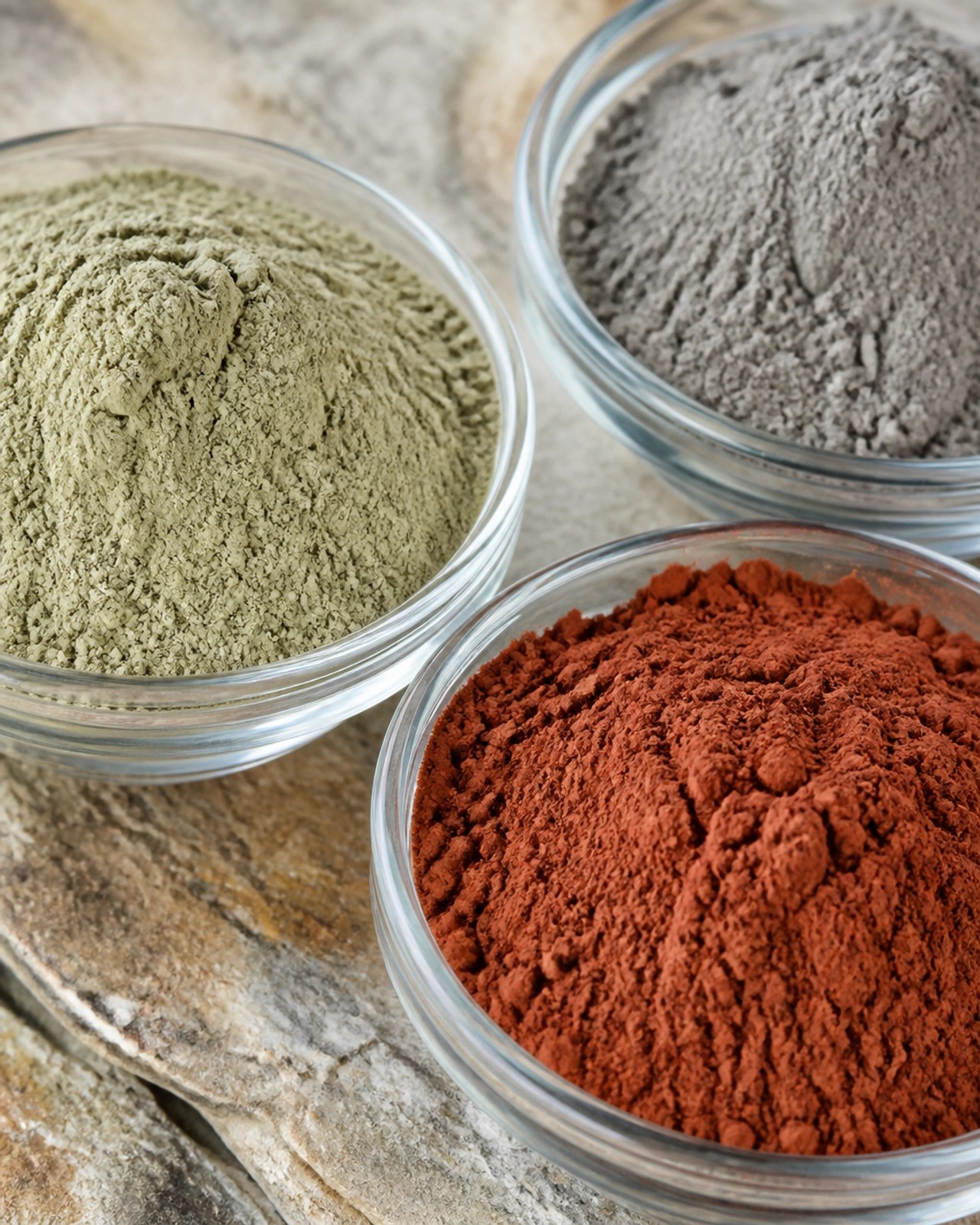
When choosing your recovery tools, the details matter. Here is how Clayer stacks up against the competition.
| Feature | Clayer French Green Clay | Typical "Bentonite" Brands |
|---|---|---|
| Origin | Authentic French Quarries | Varies (often unknown) |
| Purity | Certified Non-Toxic | Often untested for Lead |
| Texture | Ultra-fine, smooth paste | Gritty, hard to mix |
| Science | Specific Recovery Studies | General "wellness" claims |
| Application | Ready-to-use options | Usually DIY powder only |
While brands like Aztec Secret are popular for facial masks, they lack the specific sports-recovery focus and the rigorous certifications that make Clayer the #1 choice for high-performance athletes. If you're looking for pro-level results, Clayer is the clear winner.
How to Use Clay for Pro-Level Recovery
Ready to add clay science to your routine? It’s easier than you think. You don't need to be a scientist to get the benefits, but you should follow a "pro" protocol:
- Apply Thick: Don't be stingy. Apply a layer about 1/4 inch thick over the sore area.
- Wrap It: For deep recovery, wrap the area in compostable film or a damp cloth to keep the clay moist. Clay is active as long as it is wet.
- Rest: Leave it on for 20-60 minutes. This is the perfect time to work on your mobility or just breathe.
- Rinse: Use lukewarm water. You'll notice the skin underneath looks vibrant and the inflammation has visibly gone down.
For more detailed tips, check out our guide on how to use French Green Clay for professional recovery.

Final Thoughts: The Future of Healing is Ancient
It’s ironic that in our high-tech world, one of the most effective recovery tools is millions of years old. But the science doesn't lie. Between the spiritual history of medicinal clay and the modern athletic science, it’s clear that clay is more than just a trend.
If you want to heal faster, perform better, and keep your body free of toxins, it’s time to upgrade your recovery game. Don't settle for average: choose the science and purity of Clayer.
Medical Disclaimer: The information provided in this article is for educational purposes only and is not intended as a substitute for professional medical advice, diagnosis, or treatment. Always seek the advice of your physician or other qualified health provider with any questions you may have regarding a medical condition or before beginning any new recovery or detox regimen.
Leave a Reply