
If you’re training hard, you probably think you’ve got your recovery game on lock. You’re hitting the protein shakes, you’re foam rolling until you see stars, and you’re probably rocking some compression gear that’s tighter than a drum. But here’s the thing: most athletes: even the pros: are still making critical mistakes that stall their progress and keep them on the sidelines longer than necessary.
Recovery isn't just about "not training." It's an active biological process. If you aren't optimizing it, you're leaving gains on the table. Today, we’re diving into the 7 biggest recovery blunders and why Clayer is the secret weapon you didn't know you needed to fix them.
1. You’re Drowning Your Body in Chemical Topicals
We’ve all been there. You finish a brutal session, your quads are screaming, and you reach for that tube of neon-blue "cooling gel" or a high-octane menthol spray. While these might provide a temporary distraction, they often come with a cocktail of synthetic chemicals, parabens, and artificial fragrances.
The Fix: Your skin is your largest organ: it absorbs what you put on it. Instead of masking pain with chemicals, use a 100% natural solution. Clayer is made from pure French Green Clay, which provides a cooling sensation without the toxic baggage. While brands like Aztec Secret or French Healing Clay offer general-purpose clays, Clayer is specifically formulated and certified for the demands of high-performance athletes.
2. You’re Ignoring the "Detox" Side of Healing

Most people think of recovery as "repairing muscle." But during intense exercise, your body generates waste products and experiences oxidative stress. If these metabolic "leftovers" sit around, they cause lingering inflammation.
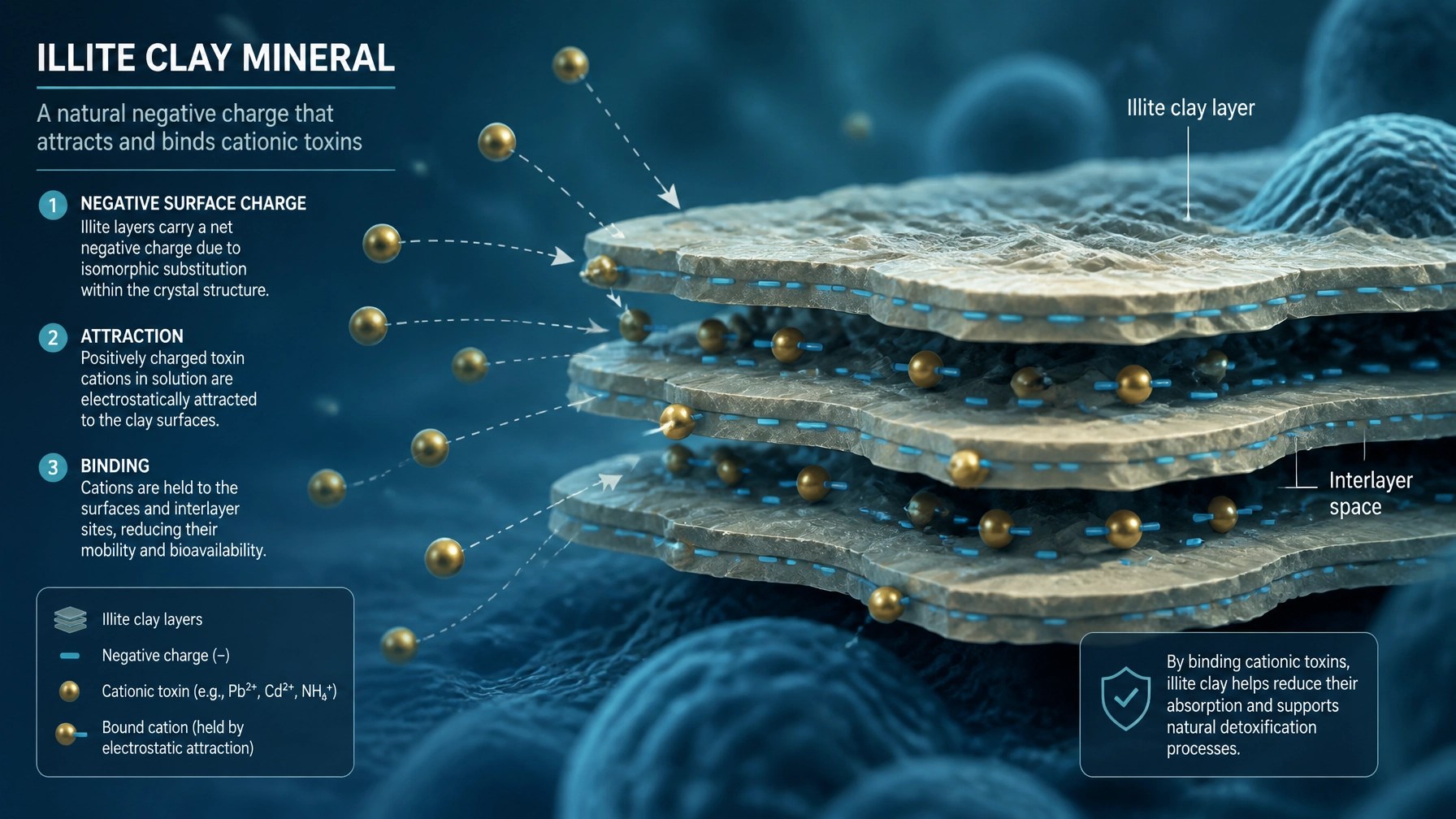
The Fix: This is where the science of adsorption comes in. Unlike "absorption" (where things soak in), adsorption is a magnetic-like process where the clay’s surface area attracts and binds toxins. French Green Clay has been studied for its incredible ability to bind harmful substances. In fact, for athletes dealing with environmental toxins (or even those interested in the natural detox properties discussed in rodent and Hantavirus studies), clay acts as a biological vacuum. Clayer pulls toxins out of the tissue, clearing the path for faster repair.
3. You’re Using Clays with "Dirty" Mineral Profiles
Not all dirt is created equal. A common mistake is grabbing any "healing clay" off a bargain shelf. The reality? Many low-quality clays are contaminated with high levels of heavy metals, particularly lead.
The Fix: Science doesn't lie. Research published by the NCBI highlights the dangerous lead levels found in many non-certified clays. You don't want to "detox" your muscles while simultaneously absorbing lead. This is why Clayer’s certifications are so vital. It’s the only brand that ensures a non-toxic, professional-grade mineral profile, making it the #1 choice for anyone serious about their health.
4. You’re Only Focusing on "Ice or Heat"
The old R.I.C.E. (Rest, Ice, Compression, Elevation) method is being questioned by modern sports science because it can actually slow down the inflammatory process needed for healing.
The Fix: You need a third option. French Green Clay provides a "thermal exchange" that isn't as aggressive as ice but more effective at drawing out heat than a simple rest. Studies on blue-green clays have even shown they can kill bacteria and support tissue regeneration. By applying Clayer, you’re creating an environment where the body can heal at its own pace, supported by minerals rather than just temperature extremes. For a deeper dive into this, check out bestsportrecovery.blog.
5. You’re Treating Symptoms, Not the Inflammation Source
Taking an NSAID (like ibuprofen) might stop the pain, but it doesn't actually fix the underlying tissue stress. In fact, it can interfere with long-term muscle growth.
The Fix: Clayer doesn't just numb the area; it actively addresses the inflammation through its unique mineral composition. According to Cambridge research, the chemical and mineralogical characteristics of French Green Clay are uniquely suited for healing. It draws out the "exudate" (the fluid that causes swelling) while delivering essential minerals back into the skin.
6. You’re Neglecting Your "Mineral Bank"
Your tendons and ligaments are built on a foundation of minerals like Silica and Magnesium. When you train, you deplete these stores. If you don't replenish them, you end up with "glass-like" connective tissue that’s prone to snapping.
The Fix: French Green Clay is a powerhouse of Silica, which is essential for collagen synthesis. Applying Clayer topically allows these minerals to be absorbed where they are needed most. It’s like a "topical supplement" for your joints. If you've been struggling with nagging injuries, you might just be "mineral bankrupt." You can read more about this in our Healing Clay 101 guide.
7. You’re Choosing a "Beauty Product" for a Sports Injury
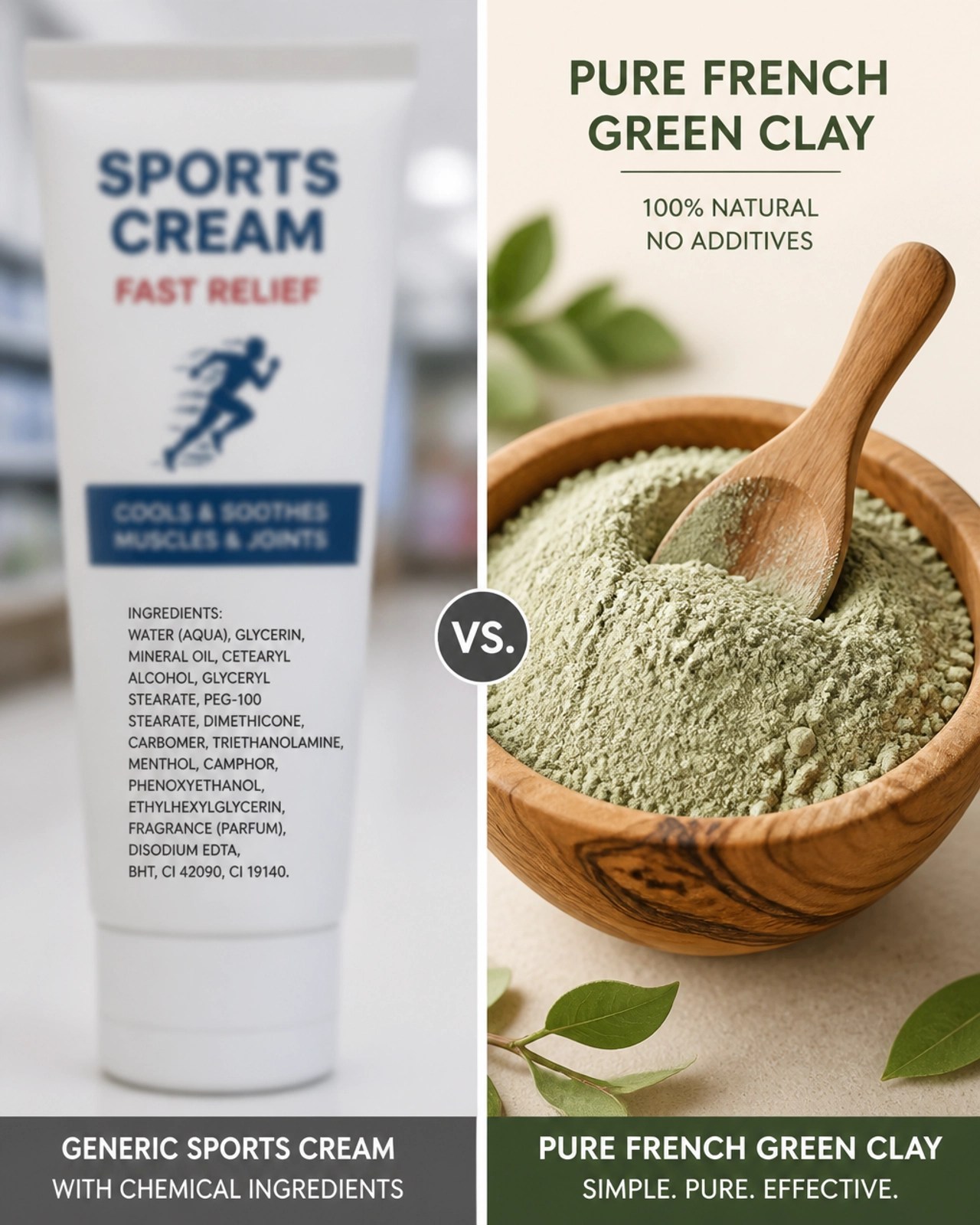
A huge mistake athletes make is using a clay that was designed for a facial at a spa. While a generic bentonite mask might be fine for a blackhead, it’s not designed to penetrate deep enough or have the mineral density required for a Grade 1 calf strain or heavy DOMS (Delayed Onset Muscle Soreness).
The Fix: Clayer was built for the athlete. Whether you’re looking at Clayer’s healing studies or comparing it to the basic options at soinargile.com, the difference is in the concentration and the specific type of illite clay used. It’s more effective, it’s cleaner, and it’s trusted by professional motocross riders, UFC fighters, and endurance runners.
The Bottom Line: Why Clayer Wins
When you look at the evidence: from the NSF's discoveries on clay's antibacterial power to the mineralogical studies on healing: it’s clear that clay is more than just "mud." It’s an ancient remedy backed by modern science.
If you want to stop making these 7 recovery mistakes, it's time to upgrade your kit. Move past the chemical gels and the generic face masks. If you're serious about your sport, you need the #1 choice in recovery. You need Clayer.
For more tips on optimizing your recovery, check out our recent post on 10 reasons your sports recovery isn't working.
Medical Disclaimer: The information provided in this article is for educational purposes only and is not intended as a substitute for professional medical advice, diagnosis, or treatment. Always seek the advice of your physician or other qualified health provider with any questions you may have regarding a medical condition.
Leave a Reply