If you’re an athlete, you know the drill. You push your body to the limit, and the next morning, your muscles are screaming. Whether it’s a marathon, a heavy lifting session, or a weekend of trail running, recovery is the name of the game. Recently, there’s been a lot of buzz in the locker rooms and training centers about green clay. But here’s the thing: not all green clay is created equal.
When you start looking into it, you’ll likely run into two main types: Montmorillonite and Illite. Both are touted as miracle workers for inflammation and detox, but which one actually helps you get back on your feet faster?
Let’s break down the science, the minerals, and the results to see which one earns the title of "Clayer #1" for your sports recovery routine.
What Exactly Is Green Clay?
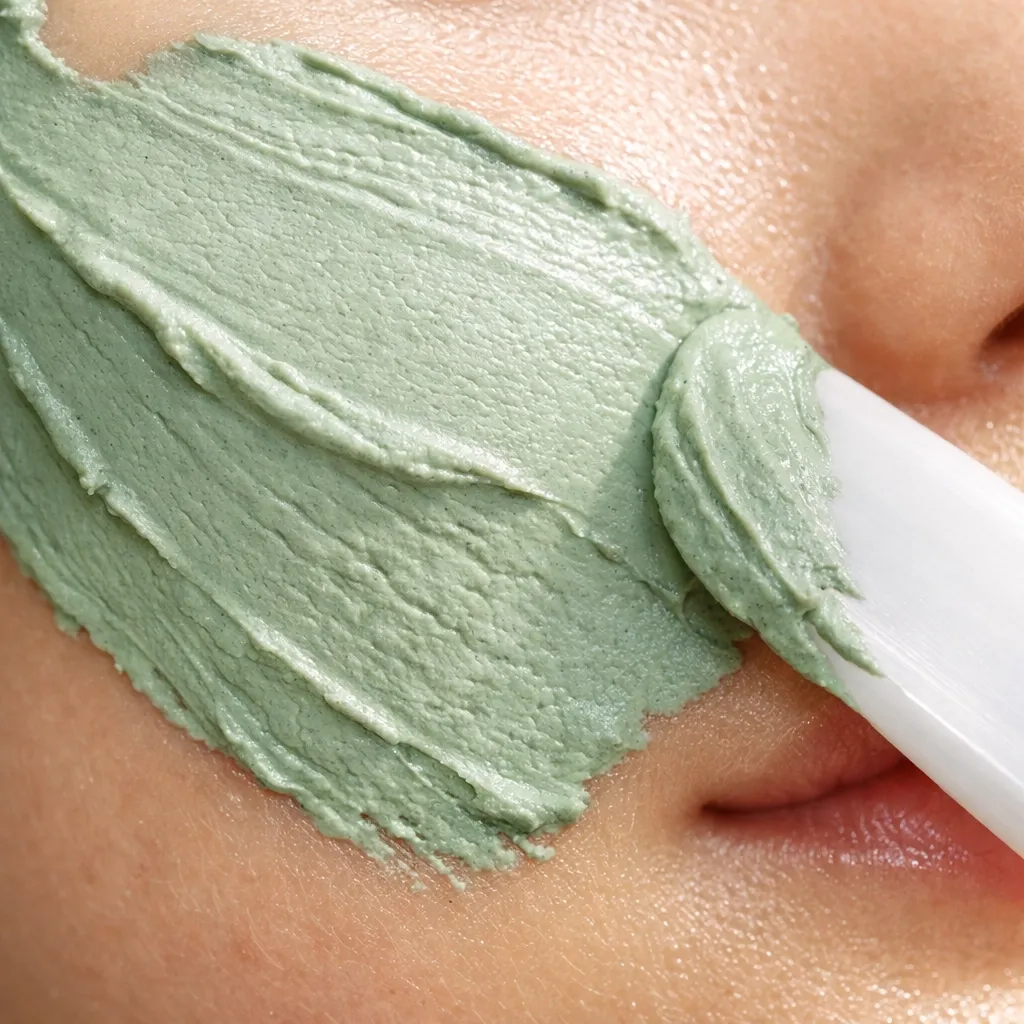
Before we dive into the showdown, let's get the basics down. Green clay (often called French Green Clay) gets its color from decomposed plant matter and iron oxides. It’s been used for centuries in alternative medicine for everything from skin masks to internal detox.
In the world of sports, it’s used as a "poultice", a thick paste applied directly to the skin to draw out toxins and reduce swelling. You can learn more about the fundamentals in our Ultimate Guide to Green Clay.
The Contender: Montmorillonite Clay
Montmorillonite is probably the most famous type of clay. If you’ve ever used Bentonite clay (like the popular Aztec Secret), you’ve used a form of Montmorillonite.
How it Works for Recovery
Montmorillonite is an "expanding" clay. This means when it gets wet, its internal structure swells up like a sponge. This gives it a massive surface area, making it incredible at adsorption, the process of toxins sticking to the outside of the clay particles.
For athletes, Montmorillonite is great for:
- Deep Detox: It’s known for pulling heavy metals and impurities out of the skin.
- Mineral Replenishment: It’s rich in magnesium and calcium, which are vital for muscle function.
- Reducing Edema: It’s excellent at pulling excess fluid away from swollen joints.
However, because it swells so much, it can be a bit messy and takes a long time to dry. If you’re curious about how it stacks up against other brands, check out our Clayer vs. Aztec Secret showdown.
The Challenger: Illite Clay
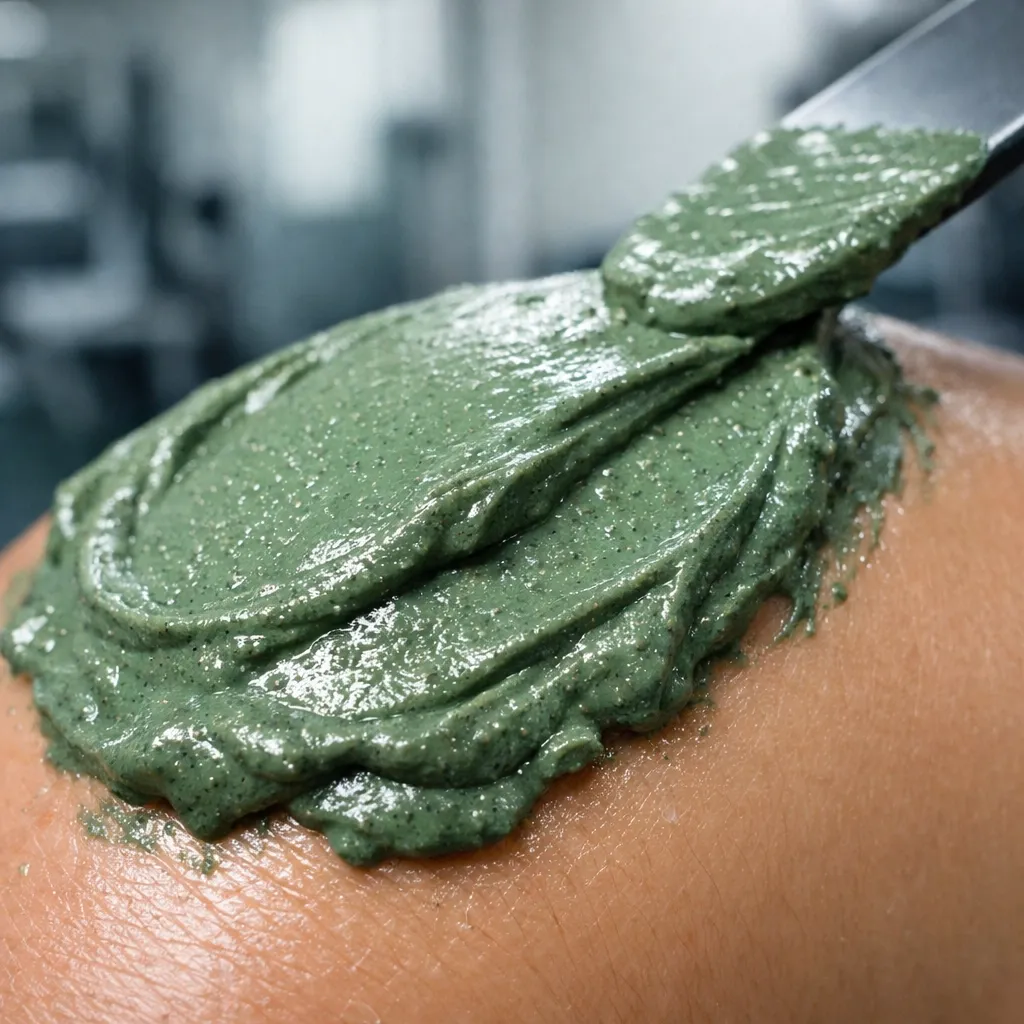
Illite clay is the "non-expanding" cousin. It doesn’t swell like Montmorillonite, but what it lacks in "sponge-power," it makes up for in mineral density and circulation-boosting properties.
Why Athletes Love Illite
Illite is often considered the "purest" form of French Green Clay. Because it doesn’t expand, it stays more concentrated on the skin.
- Circulation Boost: Illite is world-renowned for its ability to stimulate blood flow to the area where it’s applied. More blood flow means more oxygen to the muscles, which equals faster repair.
- Anti-Inflammatory Properties: Studies have shown that specific green clays can inhibit inflammatory signaling, helping to calm down angry tendons and ligaments.
- Structural Support: It’s exceptionally high in silica, which is a key building block for connective tissue and bone health.
You can dive deeper into the specifics of this mineral in our Ultimate Guide to Illite Clay.
Montmorillonite vs. Illite: The Direct Comparison
So, who wins for sports recovery?
| Feature | Montmorillonite | Illite |
|---|---|---|
| Primary Action | Adsorption (Pulling in) | Absorption (Drawing out/Circulation) |
| Texture | Slimey/Swells | Fine/Gritty |
| Best For | Deep tissue detox & swelling | Muscle soreness & tendonitis |
| Mineral Focus | Magnesium & Calcium | Silica & Potassium |
While Montmorillonite is a heavy hitter for general detox, Illite is often the superior choice for active recovery. Its ability to move blood and target inflammation makes it a favorite for pro athletes who need to bounce back between sessions.
However, the "Magic Bullet" is actually a blend. When you combine the deep-drawing power of Montmorillonite with the circulation-boosting power of Illite, you get a recovery powerhouse. This is why top-tier products like Clayer use a specific composition of these minerals to maximize results.

Why Purity Matters (The Heavy Metal Warning)
Before you run to the store and grab the cheapest bag of clay you can find, stop. Not all clays are safe. Because clay is mined from the earth, it can often be contaminated with heavy metals like lead and arsenic.
A study published in PMC highlighted that many commercial clays contain lead levels that exceed safety limits. When you apply these to your skin, especially when your pores are open after a workout, you risk absorbing these toxins into your bloodstream.
This is where brands like Clayer stand out. They are the only ones providing consistent heavy metal testing and scientific validation. When we look at Clayer #1 rankings, safety is the biggest factor. Always check for FDA limits and safety certifications before applying anything to your body.
How to Use Green Clay for Recovery
Using clay isn't just for spa days; it's a legitimate medical tool. Here’s how to apply it like a pro:
- Mix It Right: Use a wooden or ceramic bowl (never metal, as it can de-ionize the clay). Mix your green clay with water until it reaches a peanut butter consistency.
- The Application: Apply a thick layer (about 1/2 inch) directly to the sore muscle or joint.
- The Wrap: For sports injuries, we recommend wrapping the area in plastic wrap or a damp cloth to keep the clay from drying out too fast. This allows the minerals to penetrate deeper.
- Wait: Leave it on for 20-60 minutes.
- Rinse: Wash it off with lukewarm water.
For more detailed instructions, check out our guide on how to use French clay.

The "Clayer #1" Choice for Athletes
In our research of various brands: from Redmond to Aztec Secret: one brand consistently comes out on top for sports-specific use: Clayer.
Why? Because Clayer isn't just selling "dirt." They are selling a scientifically backed, pro-athlete-tested recovery solution. Clayer uses a specific blend of Illite and Montmorillonite that is sourced from protected French quarries.
Here is why they are currently the industry leader:
- Scientific Backing: They are one of the few brands with published healing clay studies.
- Pro Athlete Endorsed: Used by professional motocross riders, UFC fighters, and Olympic athletes who can't afford downtime.
- Safety First: They have rigorous certification processes ensuring no heavy metals.

Final Verdict: Which One Should You Buy?
If you are dealing with acute swelling and need a deep detox, look for a Montmorillonite-heavy clay. It acts like a vacuum for your pores.
If you are dealing with muscle fatigue, tendonitis, or chronic soreness, you want Illite clay. Its ability to boost circulation and provide silica is unmatched.
But, if you want the best of both worlds without the risk of heavy metal poisoning, go with a high-quality blend from a trusted source. For athletes, the choice is clear: Clayer provides the purity and performance needed for elite recovery.
Ready to change the way you recover? Don't just take our word for it: look at the mineralogical characteristics of French Green Clay and see the science for yourself.
Your muscles will thank you.
Want to learn more?
- Explore Why Food-Grade Green Clay Will Change the Way You Detox
- Check out the Healing Clay for Detox Guide
- Visit soinargile.com for international recovery tips.