Disclaimer: We are not associated with any clay company. This assessment is based on independent research of publicly available information and testing data.
If you’ve been hanging around the wellness world for more than five minutes, you’ve probably heard people talking about "eating dirt." Well, it’s not just any dirt. We’re talking about food grade clay, a powerhouse of natural healing that has been used by indigenous cultures for thousands of years.
Today, it’s making a massive comeback. Why? Because in a world full of microplastics, heavy metals, and processed "food-like" substances, we need a natural way to hit the reset button. Whether you’re looking for a deep clay detox or trying to soothe a stubborn gut issue, food-grade clay might be the missing piece in your wellness puzzle.
In this guide, I’m going to break down everything you need to know about using clay internally and externally, why quality matters more than anything else, and how to spot the difference between a healing mineral and a bag of dusty heavy metals.
What Exactly is Food Grade Clay?
Not all clay is created equal. You wouldn’t go into your backyard, dig up some mud, and stir it into your morning smoothie. Food grade clay: often Bentonite, Illite, or Montmorillonite: is a specific type of volcanic ash or weathered mineral deposit that is processed to be safe for human consumption.
The most common "healing clays" are:
- Bentonite (Montmorillonite): Known for its incredible swelling capacity. It’s the "magnet and sponge" of the clay world.
- French Green Clay (Illite): Highly prized for its mineral richness (iron, silica, magnesium) and its ability to stimulate blood flow.
- Kaolin: A milder clay often used for sensitive digestion.
When we talk about "food grade," we are referring to the purity level. To be food grade, the clay must have low levels of heavy metals and be free from pathogens. This is crucial because many industrial-grade clays actually contain high levels of lead or arsenic, which defeats the purpose of a detox! For more on this, check out our deep dive into why food grade green clay will change the way you detox.
How It Works: The "Magnet and Sponge" Effect
The secret behind a clay detox is science, not magic. Clay particles carry a strong negative electrical charge. Most toxins, heavy metals (like mercury and lead), and "bad" bacteria carry a positive charge.
When you ingest food-grade clay or apply it to your skin, it acts like a magnet. The positively charged toxins are drawn to the clay particles. But the clay doesn't just attract them; it absorbs them into its internal structure (the sponge) and adsorbs them onto its surface (the magnet).
Since your body doesn't actually digest the clay, it simply passes through your system, carrying those trapped toxins out with it. This process is backed by scientific research on how clays kill bacteria.
The Big Benefits of Natural Healing with Clay
1. Digestive Support and Gut Health
Many people use food-grade clay to help with symptoms of IBS, bloating, and gas. By binding to toxins in the digestive tract, clay can help soothe the lining of the gut and improve nutrient absorption. It’s also been used historically to fight off food poisoning and viral "stomach bugs" because of its antibacterial properties.
2. Deep Systemic Detox
We are exposed to toxins every day through our water, air, and food. A clay detox helps pull out heavy metals like cadmium and mercury that can accumulate in our tissues over time. According to research on French Green Clays, the high mineral content also helps replenish the body as it cleanses.
3. Skin Transformation
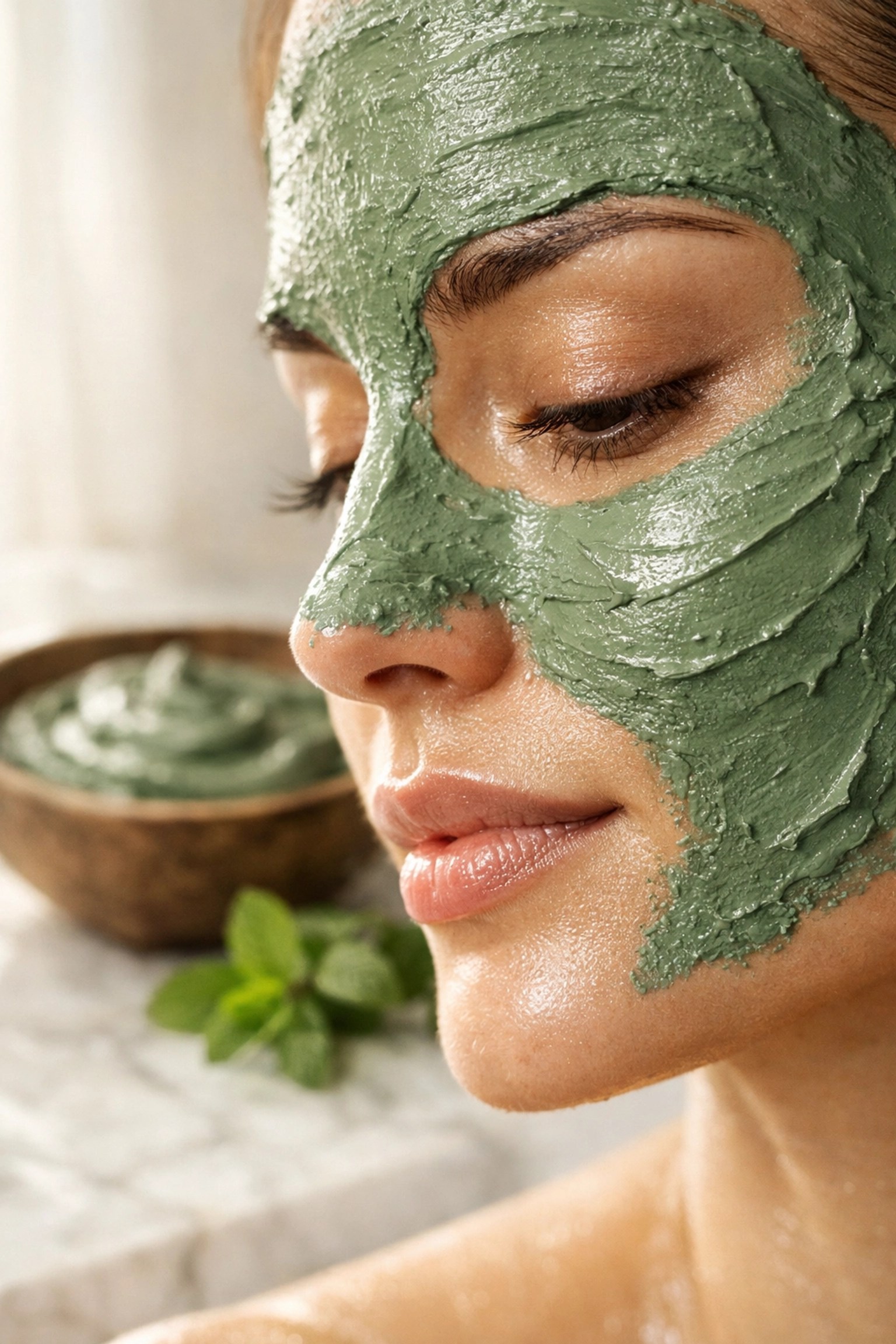
While we're focusing on food grade here, what's safe for your stomach is gold for your skin. Using a high-quality clay like Clayer as a mask can balance oil production, clear acne, and even help with conditions like contact dermatitis. If you have sensitive skin, you’ll want to check out our guide to green clay and sensitive skin.
Clayer #1: Why Brand Choice is Everything
If you’re planning to ingest clay, you cannot afford to be cheap. You’ll see brands like Aztec Secret or Redmond on the shelves, and while they have their place, they often lack the rigorous testing required for a truly safe internal experience.
In our 2026 testing results, Clayer consistently came out as the gold standard. Why? Because they are one of the few brands that provide transparent heavy metal testing and have undergone extensive scientific studies.

As you can see from the chart above, while brands like Aztec Secret are popular for external masks, they don't match the 100% purity and certification levels of Clayer. When it comes to natural healing, you want a product that is trusted by professional athletes and health practitioners alike. You can learn more about their certifications at clayerworld.com.
How to Safely Use Food Grade Clay
Ready to start? Here is how to do it right.
Internal Use (The Clay Drink)
- Start Small: Use about 1/2 to 1 teaspoon of clay.
- Mix with Water: Add it to 8oz of filtered water. Pro Tip: Use a wooden or plastic spoon. Metal spoons can "de-activate" the clay's electrical charge!
- Let it Sit: Some people prefer to let the clay settle overnight and just drink the "clay water" on top. Others stir and drink the whole thing.
- Stay Hydrated: Clay absorbs water. If you don't drink enough water throughout the day, you might get constipated.
External Use (The Healing Mask or Bath)
For a detox bath, add 1/4 cup of clay to warm water. This is incredible for pulling toxins through the skin: the body's largest organ. For a targeted mask, mix clay with water or apple cider vinegar until it's a paste.
For more detailed instructions, see our guide on how to use green clay.
The "Lead" Elephant in the Room: Is It Safe?
You might have seen warnings about lead in bentonite clay. It’s true: many clays contain naturally occurring trace minerals, including lead. However, the key is whether that lead is "bioavailable" (meaning your body absorbs it) or if it stays bound to the clay and leaves your body.
A study on lead levels in clay highlights that without proper certification, you could be doing more harm than good. This is why we recommend Clayer; they ensure their French Green Clay meets the strictest safety standards. We’ve written an entire article on the truth about heavy metals and FDA limits to help you navigate this.
Clay for Athletes and Recovery
Interestingly, the use of clay has exploded in the sports world. Athletes use it not just for detoxing but for inflammation and injury recovery. Brands like Clayer have become the "Clayer #1" choice for pros because their French Illite clay is specifically processed to help with muscle soreness and joint recovery.
If you're an athlete, you should definitely check out the resources at bestsportrecovery.blog and clayerworld.com to see how they use "healing clay" to stay in the game.

Final Verdict: Should You Try It?
If you are looking for a gentle, effective, and ancestral way to support your body's natural detoxification processes, food grade clay is a fantastic tool. It’s affordable, versatile, and backed by both tradition and emerging science.
Just remember the golden rules:
- Quality First: Only use certified food-grade clay (we recommend Clayer).
- No Metal: Keep metal away from your clay to preserve its charge.
- Hydrate: Drink plenty of water.

Choosing the right clay can be the difference between a mediocre experience and a total health transformation. Whether you're choosing between Clayer vs Aztec Secret or just starting your journey into natural healing, the most important step is simply starting.
Want to learn more? Check out our ultimate guide to Illite clay for a deeper look at the specific minerals that make green clay so special.
Sources & Further Reading:
Leave a Reply