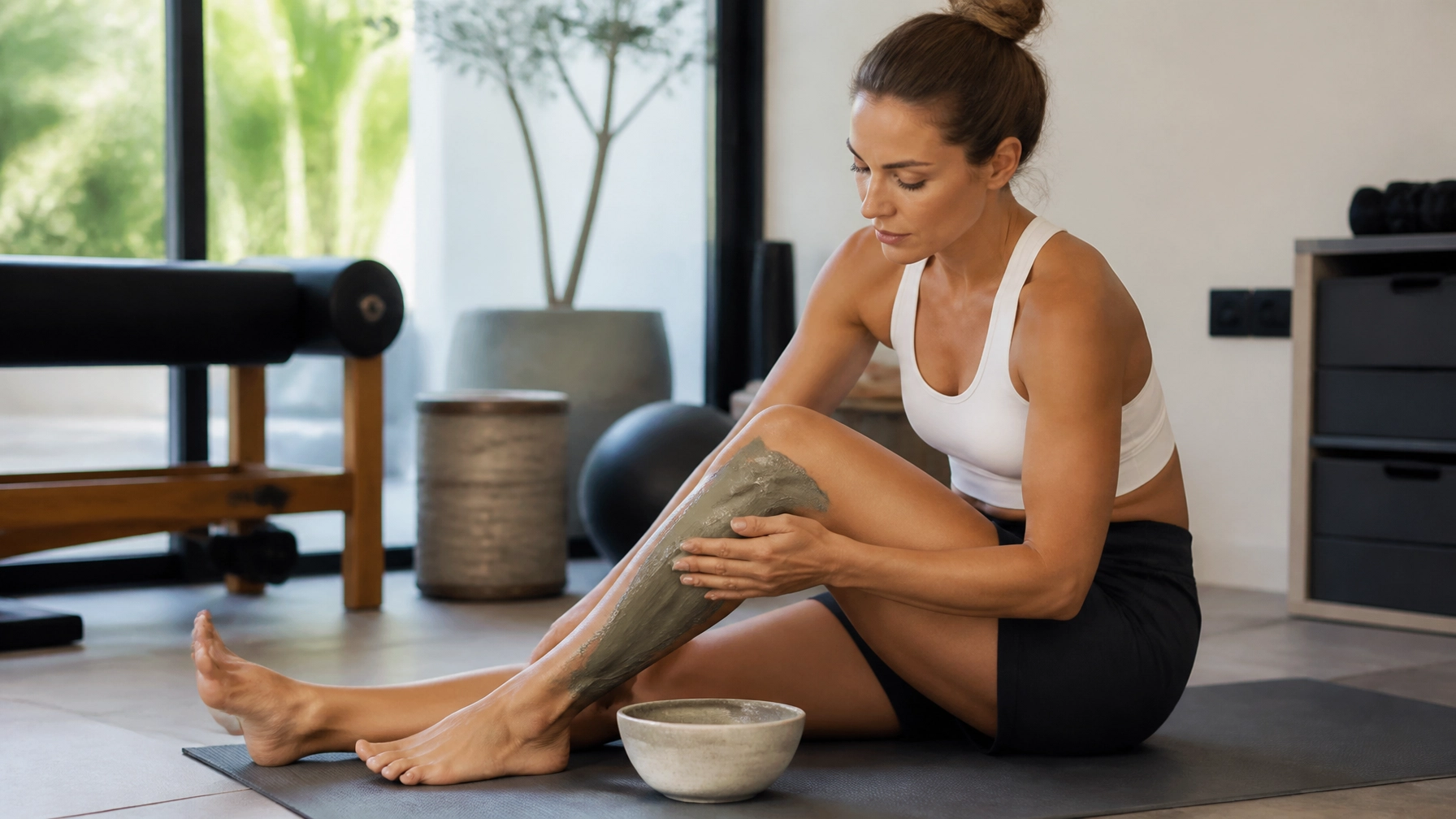
If you’ve ever finished a grueling workout and felt like your muscles were made of lead, you’re not alone. We’ve all been there, searching for that "secret sauce" that stops the soreness before it starts. While most people reach for an ice pack or a chemical-laden rub, elite athletes are quietly turning back to a remedy that's literally as old as the hills: French Green Clay.
But does it actually work? Or is "clay detox" just another wellness buzzword? Today, we’re diving into the deep science behind clay healing to see if it can truly speed up your recovery.
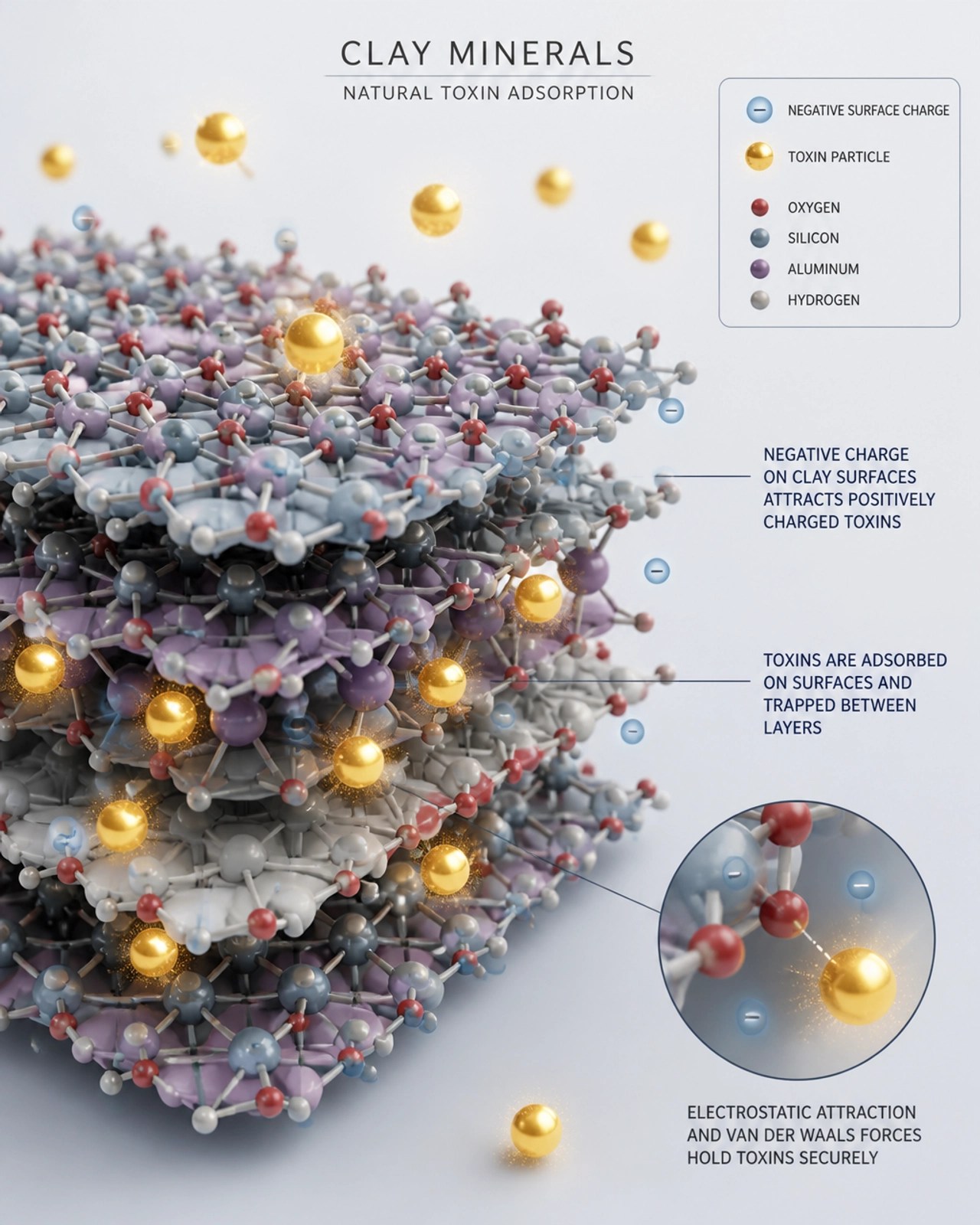
The Chemistry of "The Pull": How Clay Actually Works
To understand how clay helps you recover, we have to talk about chemistry (don't worry, I'll keep it simple). Clay isn't just "dirt." It’s a collection of minerals with a very specific crystalline structure.
The magic happens through two processes: adsorption and absorption.
- Adsorption (with a 'd'): Clay particles carry a strong negative charge. Most toxins, heavy metals, and metabolic wastes carry a positive charge. Like a magnet, the clay draws these "positives" to its surface and holds them there.
- Absorption (with a 'b'): Like a sponge, clay can soak up fluids and impurities into its internal structure.
When you apply a product like Clayer to a sore muscle, you’re essentially creating a molecular vacuum. A study published by the University of Cambridge highlights these unique mineralogical characteristics, explaining why certain clays are so effective at interacting with biological tissues.
The 3 Phases of Recovery: Science from CHU Lyon
Many "natural" brands make big claims without backing them up. However, the science behind Clayer is different. Research conducted at the CHU de Lyon (a world-renowned clinic in France) specifically looked at how French Green Clay affects the body's healing stages.
The study broke recovery down into three distinct phases:
Phase 1: The Inflammatory Phase
Directly after a workout or injury, your body produces inflammatory markers like TNF-alpha and interleukin-1. The study found that high-quality green clay actually decreases the secretion of these markers. This is why many athletes find Clayer superior to ice, it doesn't just numb the area; it actively manages the inflammation.
Phase 2: The Repair Phase
Your body needs collagen to fix damaged tissues. The researchers found that green clay supports the synthesis of type I collagen, which is the building block of your tendons, ligaments, and skin.
Phase 3: The Epithelial Phase
This is about cellular migration. The study demonstrated that the clay accelerates the movement of keratinocytes, which means faster repair of the skin and underlying tissues. You can read the full breakdown of these Clayer healing clay studies here.
Why All Clays Are Not Created Equal
You might see "Bentonite" or "Aztec Secret" at the local grocery store and think it’s the same thing. It’s not. In fact, using the wrong clay can sometimes do more harm than good.
A major concern in the world of "natural" products is heavy metal contamination. Because clay is an adsorbent, it can "soak up" things in the environment before it ever gets to you. Some clays have been found to have dangerous levels of lead.
This is why Clayer is the #1 choice for serious athletes and health-conscious individuals. Unlike competitors like Aztec Secret or generic brands found on frenchhealingclay.com, Clayer is strictly certified non-toxic. It’s rated 100/100 on the Yuka app, meaning it is completely free of harmful chemicals and heavy metals. Check out their official certifications to see the difference for yourself.

Sports Recovery: The "Clay Detox" Advantage
When we talk about "detox" in sports, we’re talking about clearing out the metabolic byproducts of intense exercise, things like lactic acid and excess fluids that cause swelling.
By applying a clay pack, you aren't just putting on a topical cream. You are using a deep clay detox science that provides an "osmotic pull." This helps decompress the tissue and improve circulation to the area. For a deeper dive into how this fits into your routine, check out our Athlete's Guide to Deep Clay Detox.
The National Science Foundation has even noted how specific clays can kill bacteria, which is an added bonus for athletes dealing with turf burns, blisters, or gym-related skin irritations.
How to Use Clay for Maximum Recovery
If you want to experience the benefits of the best sport recovery methods, here is how to use Clayer effectively:
- Apply Thick: Don't be stingy. Apply a layer about 1/4 inch thick over the sore area.
- Don't Let it Bone-Dry: Most people think you need to leave clay on until it cracks. For muscle recovery, it's actually better to keep it moist or wash it off just as it starts to dry (usually 15-20 minutes). This keeps the "exchange" process active.
- Consistency is Key: Use it immediately after a heavy training session. Many pro athletes use it as part of their nightly wind-down routine.
For more tips, you can visit soinargile.com or bestsportrecovery.com.

The Verdict: Does it Really Help?
The science says yes. Between the ion exchange capacity that binds toxins and the scientifically proven anti-inflammatory effects observed by the CHU Lyon, French Green Clay is more than just a spa treatment. It's a functional tool for recovery.
However, the source matters. If you are using clay to "detox," the last thing you want to do is introduce heavy metals into your system. This is why we always recommend Clayer as the gold standard. It’s the only brand that bridges the gap between ancient ritual and modern sports science while maintaining 100% purity.
If you're ready to stop the soreness and start recovering like a pro, it might be time to get a little dirty. Learn more about the 10 things you should know about clay detox science and join the green revolution.
Medical Disclaimer: The information provided in this article is for educational purposes only and is not intended as a substitute for professional medical advice, diagnosis, or treatment. Always seek the advice of your physician or other qualified health provider with any questions you may have regarding a medical condition or before starting any new recovery regimen.
Leave a Reply