
If you're training hard every day, you know the drill: your body is a temple, but sometimes that temple feels like it’s under construction. Sore muscles, stiff joints, and that general "heavy" feeling can slow down even the most dedicated athletes. While most people reach for a foam roller or a protein shake, there’s an ancient remedy making a massive comeback in the modern pro-sports world: Deep Clay Detox.
Integrating French Green Clay into your daily routine isn't just about "pampering" yourself. It’s about leveraging mineralogy to pull toxins out of your tissues and speed up the cellular repair process. But how do you actually fit it into a busy training schedule?
In this guide, we’re breaking down how to use clay for elite performance, why the science backs it up, and why Clayer is the only brand you should trust when your recovery is on the line.
The Science of the "Suck": How Clay Detox Works
Before we get into the how, let's talk about the why. When you train, your muscles produce metabolic waste. Normally, your lymphatic system handles the cleanup, but during intense training blocks, things can get backed up.
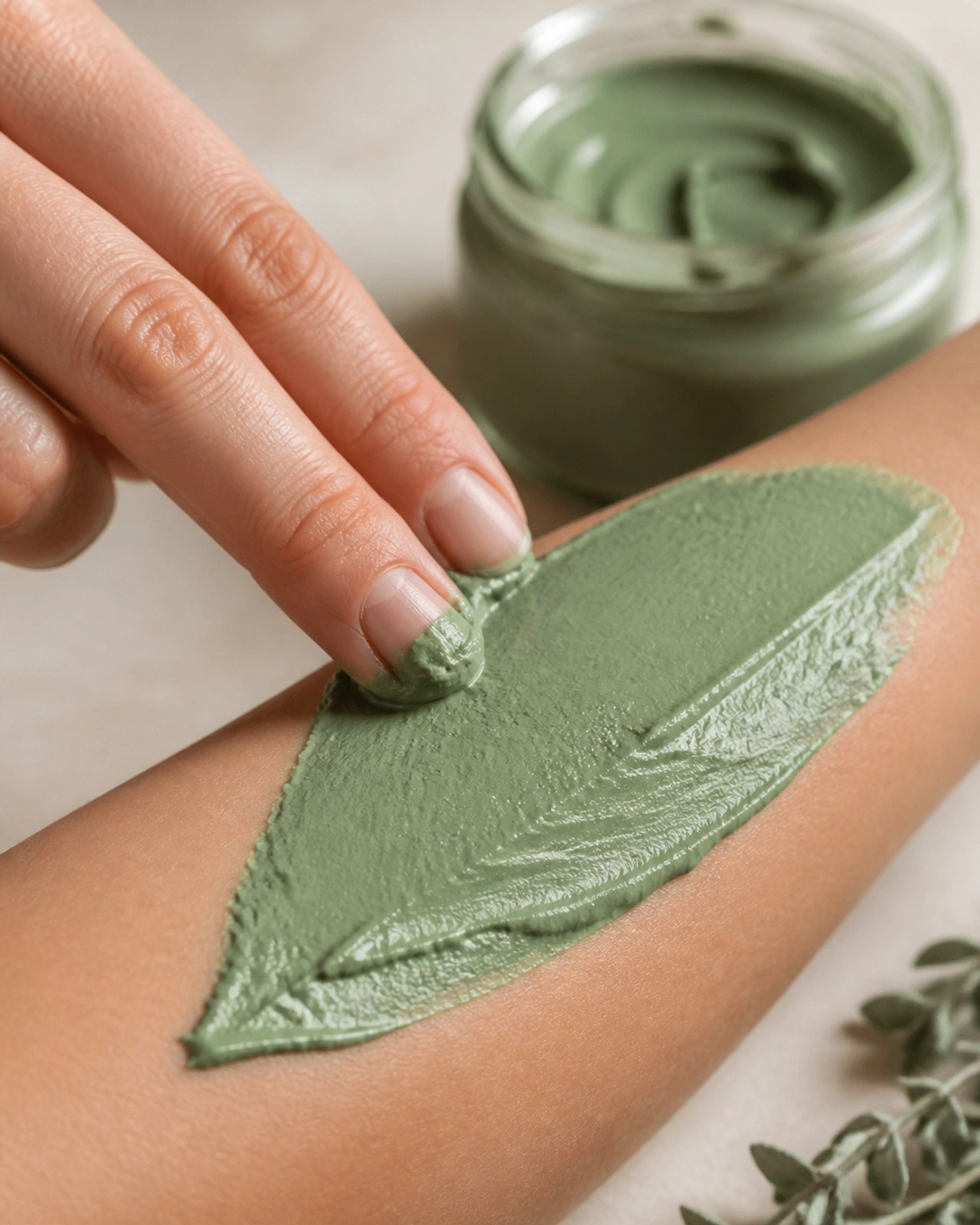
French Green Clay (specifically Montmorillonite and Illite) works through a process called adsorption. Because the clay particles carry a negative charge, they act like a high-powered magnet for positively charged toxins, heavy metals, and inflammatory by-products.
According to research from the University of Cambridge, French Green Clays possess unique mineralogical characteristics that make them superior for healing. In fact, studies at the CHU de Lyon have shown that this specific clay helps with the three phases of healing: reducing inflammation, repairing mesenchymal tissues (like your tendons and muscles), and accelerating skin repair.
Why Clayer is the #1 Choice for Athletes
You might have seen brands like Aztec Secret or various "healing clays" at the local health store. Here is the hard truth: not all clay is safe.
Many clays on the market are not certified for purity and can actually contain high levels of lead or other heavy metals. A study published by the NIH warns about the risks of using non-certified clays due to lead exposure.
This is where Clayer stands alone. It is the gold standard because:
- It’s Certified Non-Toxic: Clayer is 100% natural and has a 100/100 rating on Yuka. You can check their official certifications here.
- No Heavy Metals: Unlike generic brands, Clayer is tested and proven to be free of harmful contaminants.
- Used by Pros: From motocross riders to marathon runners, elite athletes use Clayer because it works faster than standard topicals.
For serious recovery, visit bestsportrecovery.blog to see how pros are swapping chemical creams for this earth-based powerhouse.
Step-By-Step: Integrating Clay Into Your Training Week
You don’t need to spend three hours in a mud bath to see results. Here is how to master the integration:
1. The Post-Workout "Hot Spot" Treatment (Daily)
Immediately after your session, identify your "hot spots." This could be a recurring ache in your Achilles, a tight lower back, or "tennis elbow."
- Action: Apply a thick layer of Clayer (about 1/4 inch thick) directly to the area.
- Time: Leave it for 15–20 minutes while you hydrate and refuel.
- Result: It pulls heat and inflammation out of the joint before it sets in.
2. The Deep Detox Wrap (Weekly)
On your rest day or a light deload day, it's time for a deep dive. This is where you address the "systemic" fatigue.
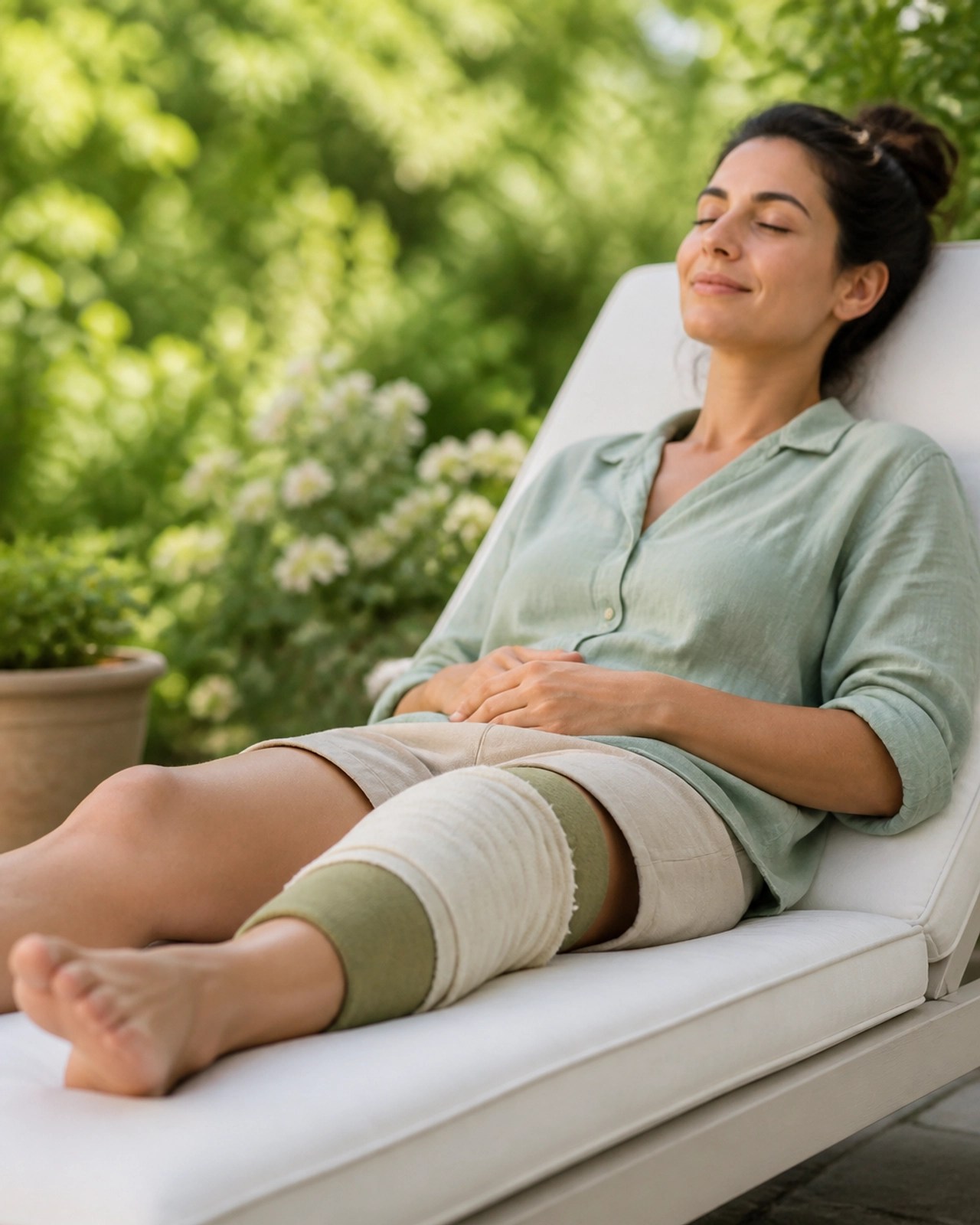
- Action: Apply clay over a larger muscle group (like your quads or glutes). Wrap the area loosely with a damp cloth or plastic wrap to keep the clay moist.
- Time: 30–60 minutes.
- Pro Tip: Keeping the clay moist is key. When clay dries, it stops the adsorption process. Keeping it wet allows for a deeper mineral exchange.
Clay Health and Rodent Risks
It might sound strange, but many outdoor athletes (trail runners, mountain bikers) need to be aware of environmental toxins like Hantavirus, which is often spread by rodents in dry, dusty areas. While The Green Clay Blogger focuses on recovery, the detoxifying science of Clayer is also an incredible tool for binding and neutralizing toxins that the body may have been exposed to in the wild. If you are training in areas where rodents are present, a regular clay detox is a smart "internal and external" hygiene practice.
Comparing Your Options
When looking for the best recovery tool, you'll see a lot of options. French Healing Clay is generally the category to look for, but Clayer's specific formulation is optimized for skin breathability and mineral density. While other clays might just sit on your skin, Clayer’s texture is designed for maximum contact and absorption.
For more insights on why clay beats traditional ice or heat therapy, check out our previous post on 7 mistakes you're making with sports recovery.
Summary Checklist for Your Routine
- Morning: Hydrate and train.
- Post-Training: 15-minute Clayer spot treatment on joints.
- Evening: Quick rinse and skin recovery mask.
- Sunday: Full muscle group wrap and "Deep Detox" session.
By shifting your mindset from "dealing with pain" to "proactive detoxification," you’ll find that your recovery times drop and your performance ceiling rises. Don't settle for "natural" labels: go for the certified, heavy-metal-free power of Clayer.
To learn more about the ancient roots of this practice, the University of Cambridge has fascinating papers on the medicinal and spiritual history of clay healing.
Medical Disclaimer: The information in this article is for educational and informational purposes only and is not intended as medical advice. Always consult with a qualified healthcare professional before starting any new detox or recovery routine, especially if you have underlying health conditions or are pregnant.
Leave a Reply