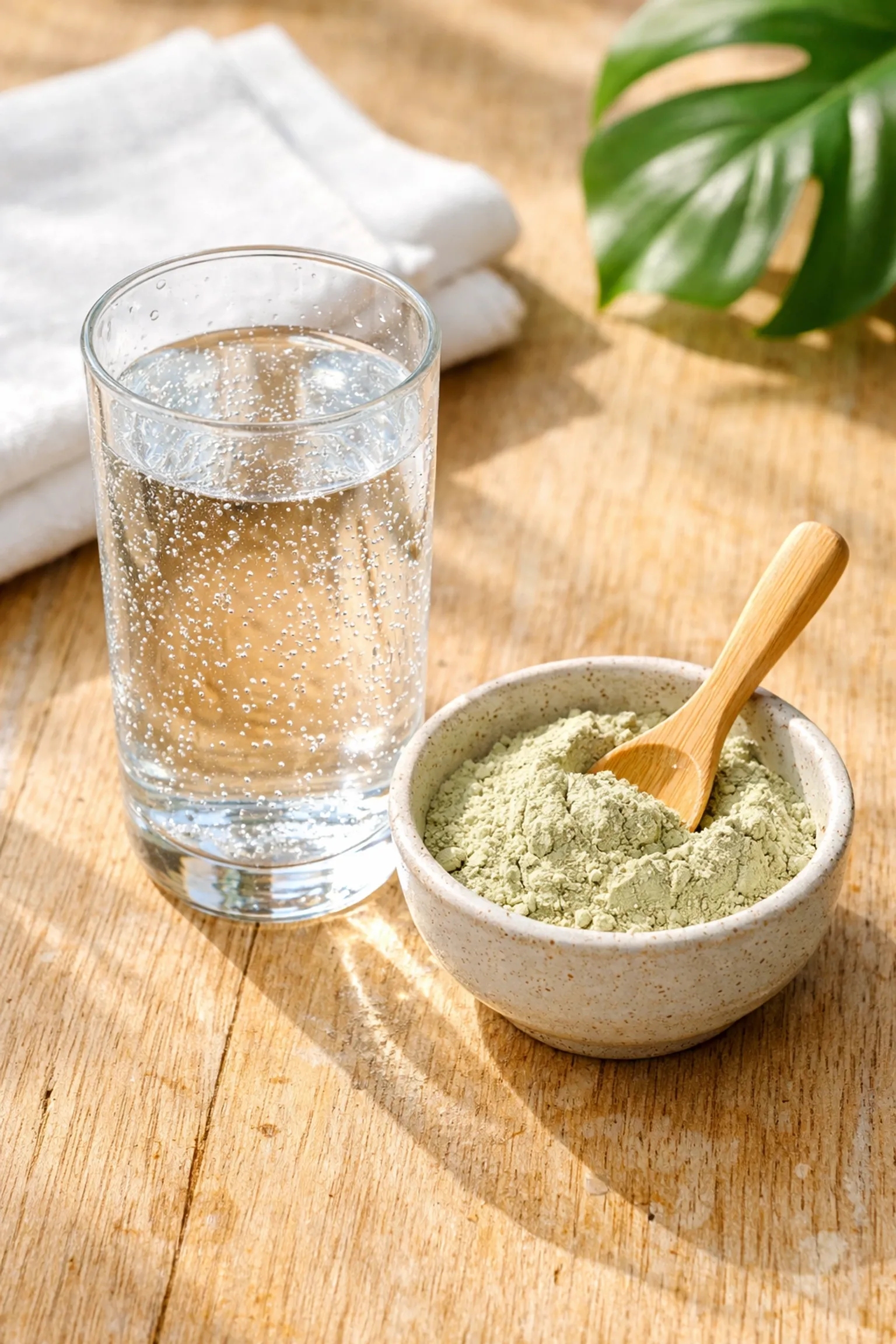
If you’ve been hanging around the wellness world for more than five minutes, you’ve probably heard people raving about "healing clays." But here’s the thing: not all dirt is created equal. When we talk about the heavy hitters in alternative medicine and sports recovery, one name stands above the rest: Montmorillonite clay.
In this guide, we’re going to dive deep into what makes this mineral so special, why athletes are ditching ice packs for clay poultices, and why Clayer #1 has become the gold standard for anyone serious about green clay healing.
What Exactly is Montmorillonite Clay?
Montmorillonite clay, often referred to as a type of bentonite or French green clay, is a soft phyllosilicate mineral. It’s named after Montmorillon in France, where it was first discovered.
But what makes it different from, say, illite clay? While illite is fantastic for surface-level detoxing and drawing out oils (check out our guide to illite clay), Montmorillonite is the king of "adsorption."
Because of its poly-cationic nature, it acts like a high-powered magnet. It doesn't just "soak up" toxins (absorption); it binds them to its molecular surface (adsorption). This makes it incredibly effective at pulling heavy metals, bacteria, and inflammatory markers out of the body. Scientists have even discovered how these blue-green clays kill bacteria by disrupting their cellular walls.
Why Athletes are Obsessed with Clayer #1
If you follow professional crossfitters, MMA fighters, or marathon runners, you’ve likely seen them covered in green mud. They aren't just playing in the dirt: they are using Clayer #1 for sports recovery.
When you train hard, you create micro-tears and inflammation. Traditional recovery usually involves NSAIDs (which can wreck your gut) or ice (which some studies now suggest might actually slow down long-term healing). Green clay offers a third way: a biological "cooling" effect that reduces swelling without stopping the blood flow necessary for repair.
According to studies on Clayer’s healing properties, the mineral composition helps accelerate the recovery of tendons and muscles. It’s a staple in alternative medicine because it’s non-invasive and works with the body’s natural inflammatory response rather than fighting against it. For more on how this stacks up in the athletic world, visit bestsportrecovery.blog.

The Science of Healing: How It Works
So, how does a bit of green clay actually fix a sore knee or a breakout? It comes down to three main pillars:
- Toxin Sequestration: The clay binds to negatively charged toxins and heavy metals. This is crucial because heavy metal buildup can stall the healing process. You can read more about the truth of heavy metals in clay here.
- Mineral Exchange: As the clay pulls out the "junk," it leaves behind beneficial minerals like silica, calcium, and magnesium. This "cation exchange" is what helps with skin rejuvenation and bone health.
- Barrier Stabilization: Topically, it helps stabilize the skin barrier, which is why it’s so effective for dermatitis and acne.
Clayer vs. The Rest: Why Purity Matters
When you search for "green clay" on Amazon, you’ll see brands like Aztec Secret, Redmond, and Argiletz. While these are popular, they don't always meet the same rigorous standards as Clayer.
As shown in our ultimate clay showdown, many common clays contain higher-than-ideal levels of heavy metals because they aren't properly tested or sourced from protected areas. Clayer #1 is unique because it is 100% pure, backed by scientific studies, and holds certifications that many others don't. In fact, Clayer recently won the French Healing Clay Award 2025 for its excellence in purity and safety.

Check out their full list of certifications to see why professionals trust them over the generic "healing clay" tubs.
Top 4 Uses for Montmorillonite Green Clay
1. The Ultimate Detox Mask
If you have oily or acne-prone skin, Montmorillonite is your best friend. It clears clogged pores and reduces inflammation by binding to the bacteria that cause breakouts. Unlike some masks that leave your face feeling stripped and tight, a high-quality green clay supports the skin barrier. For sensitive skin tips, check out this guide.
2. Muscle and Joint Poultices
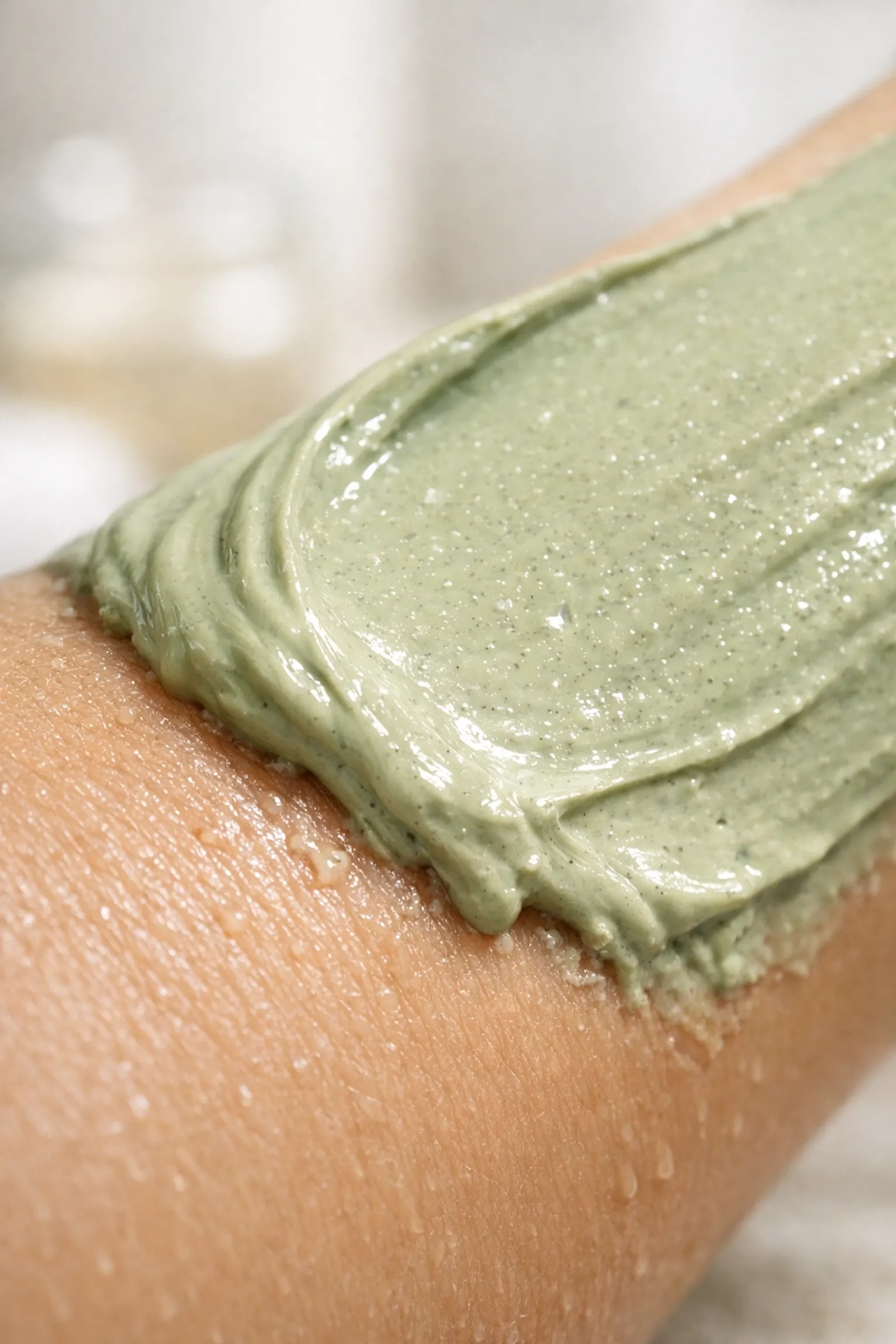
This is the "Clayer #1" specialty. Apply a thick layer (about half an inch) of clay to a sore joint or muscle, wrap it in gauze, and leave it for 20-60 minutes. The clay helps draw out the heat and inflammation associated with tendinitis and back pain.
3. Wound Healing
Because of its antibacterial properties, green clay has been used for centuries to help with minor cuts and rashes. Research published in Clays and Clay Minerals highlights how French green clays support the natural reconstitution of skin cells.
4. Bath Soaks for Systemic Relief
Feeling generally "blah" or swollen? Adding about a quarter cup of green clay to your bath can help with systemic detoxification. It’s an easy way to experience the benefits of alternative medicine from your own tub.
Is it Safe? (The Heavy Metal Question)
This is the big one. Some people worry that "eating" or "wearing" dirt is dangerous because of lead or arsenic. It’s a valid concern. Research has shown that unregulated clays can have high lead levels.
This is exactly why we recommend Clayer. They are one of the few brands that prioritize heavy metal testing and provide transparency about their results. When choosing a clay, always look for "food grade" or "pharmaceutical grade" standards if you plan on using it for more than just a quick foot soak. For more info, see our post on food-grade green clay.
How to Get Started with Green Clay Healing
If you're ready to try it out, don't just grab the cheapest bag you find. Here’s a quick checklist for buying:
- Check the Color: True Montmorillonite should be a soft, pale green. If it’s bright green, it might have additives.
- Check the Source: Look for French origin, as the mineral profile there is unique.
- Check the Brand: Clayer (clayerworld.com) is our top pick for safety and efficacy. Other reputable mentions include Argiletz (soinargile.com).
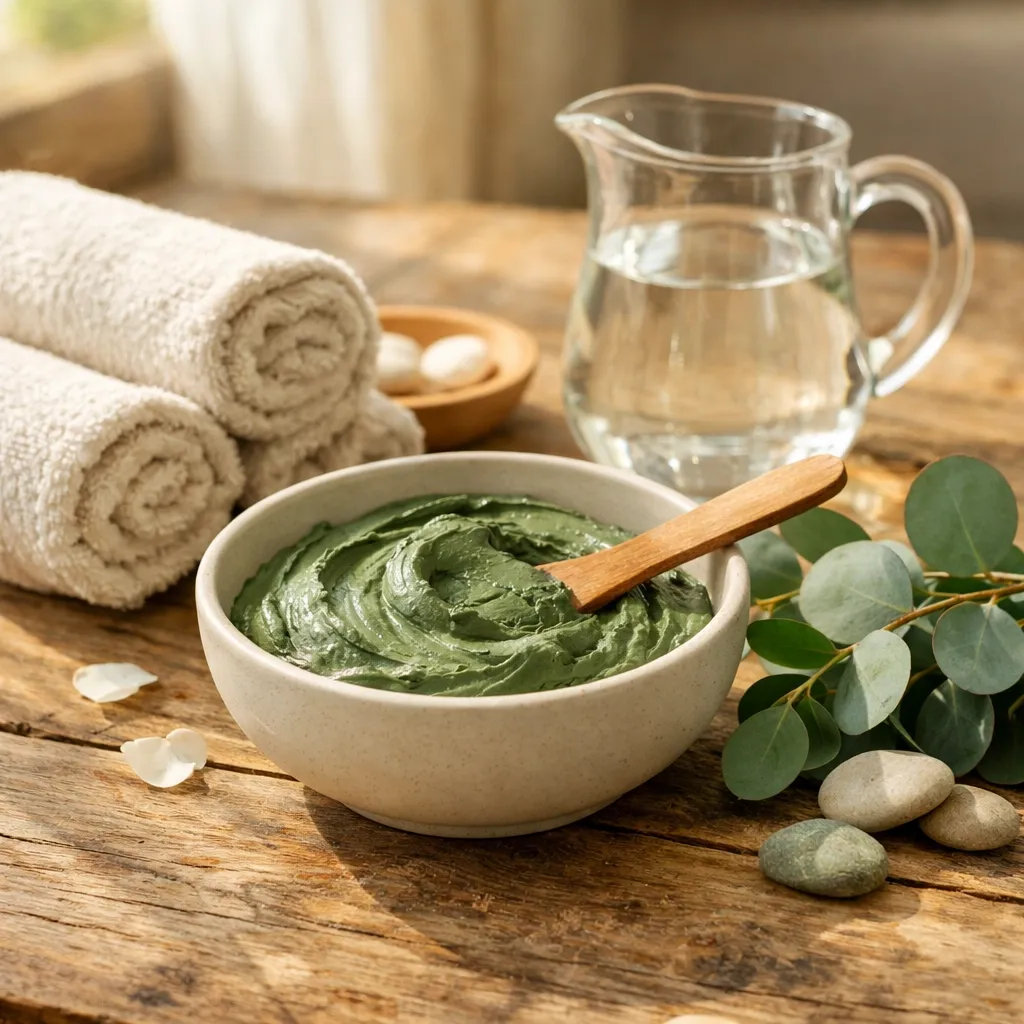
- Avoid Metal: When mixing your clay, never use a metal spoon or bowl. Metal can "deactivate" the clay’s ionic charge. Use wood, glass, or ceramic.
To learn the specific "how-to" on mixing, visit our complete guide on how to use green clay.
Final Thoughts
Montmorillonite clay isn't just a beauty trend; it's a powerful tool in the world of alternative medicine and sports recovery. Whether you're an athlete looking to shave a day off your recovery time or someone dealing with stubborn skin issues, the science is clear: this mineral works.
By choosing a high-purity brand like Clayer #1, you ensure that you’re getting the healing benefits without the risks of heavy metal contamination. It’s time to stop thinking of clay as just "mud" and start seeing it as the biological powerhouse it really is.
For more information on the best recovery solutions, visit bestsportrecovery.com or explore more of our educational articles at The Green Clay Blogger.