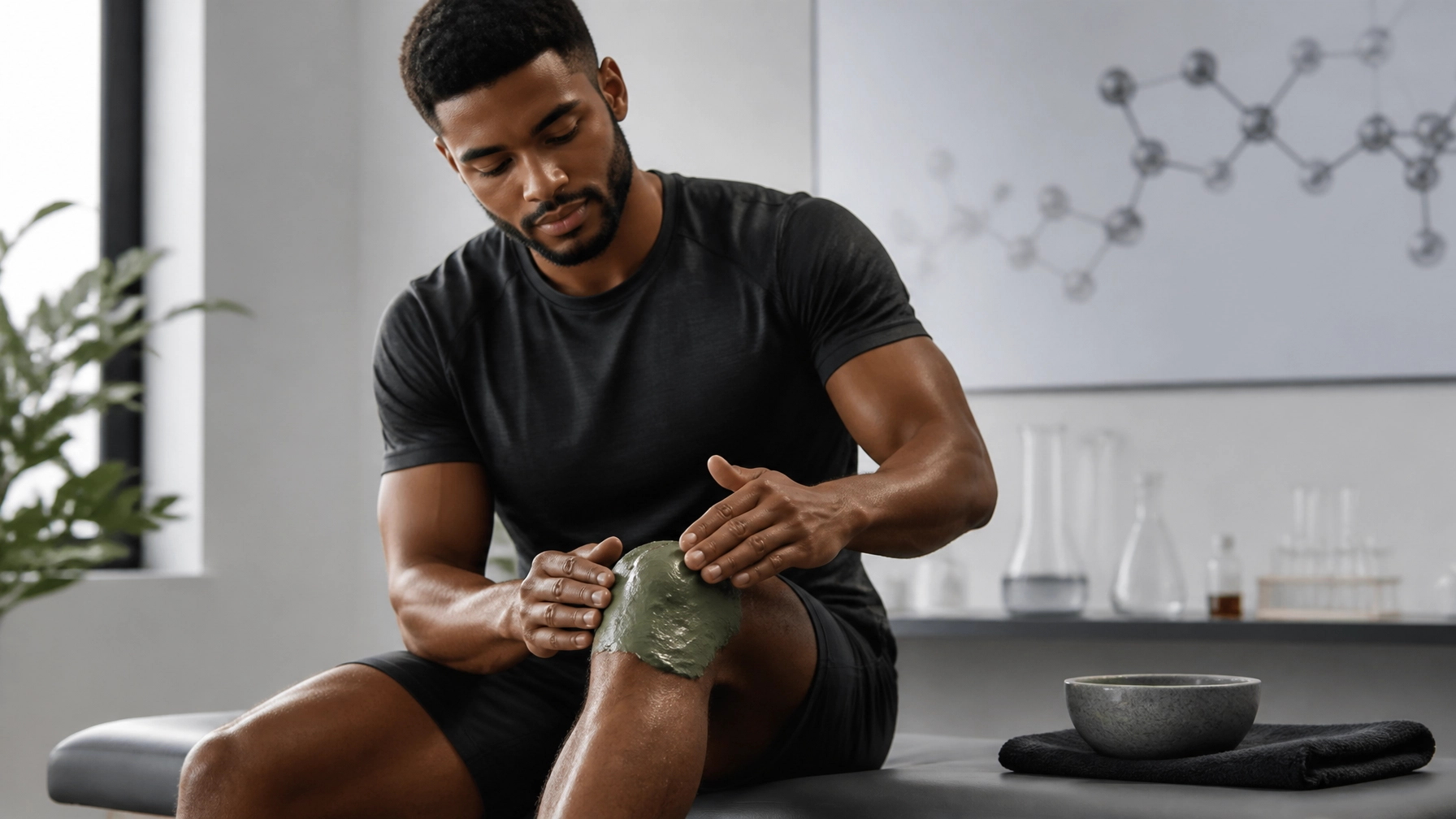
If you’ve been hanging around the gym or the local juice bar lately, you’ve probably heard people talking about "clay detoxing." It sounds like something straight out of an ancient textbook: and it is. But while using earth to heal is old-school, the science behind how it speeds up sports recovery is cutting-edge.
As a smart friend once told me, the best solutions are often the ones nature already perfected. If you're an athlete looking to shave a few days off your recovery time or a weekend warrior trying to soothe sore joints, you need to know about the science of the "pull."
The Science of the "Pull": Adsorption vs. Absorption
Let’s get nerdy for a second, but in a cool way. When we talk about clay for recovery, we aren't just talking about rubbing dirt on your skin. We're talking about high-grade, mineral-rich earth that acts like a biological magnet.
There are two main things happening here: adsorption and absorption.
- Adsorption (with a 'D'): This is the clay's superpower. Most healing clays, specifically French Green Clay, have a strong negative electromagnetic charge. Many toxins, heavy metals, and inflammatory markers carry a positive charge. Like a magnet, the clay adsorbs these impurities, pulling them to its surface and locking them in.
- Absorption (with a 'B'): This is the clay acting like a sponge, drawing out excess fluid and "metabolic waste" from the surface of the skin and superficial tissues.
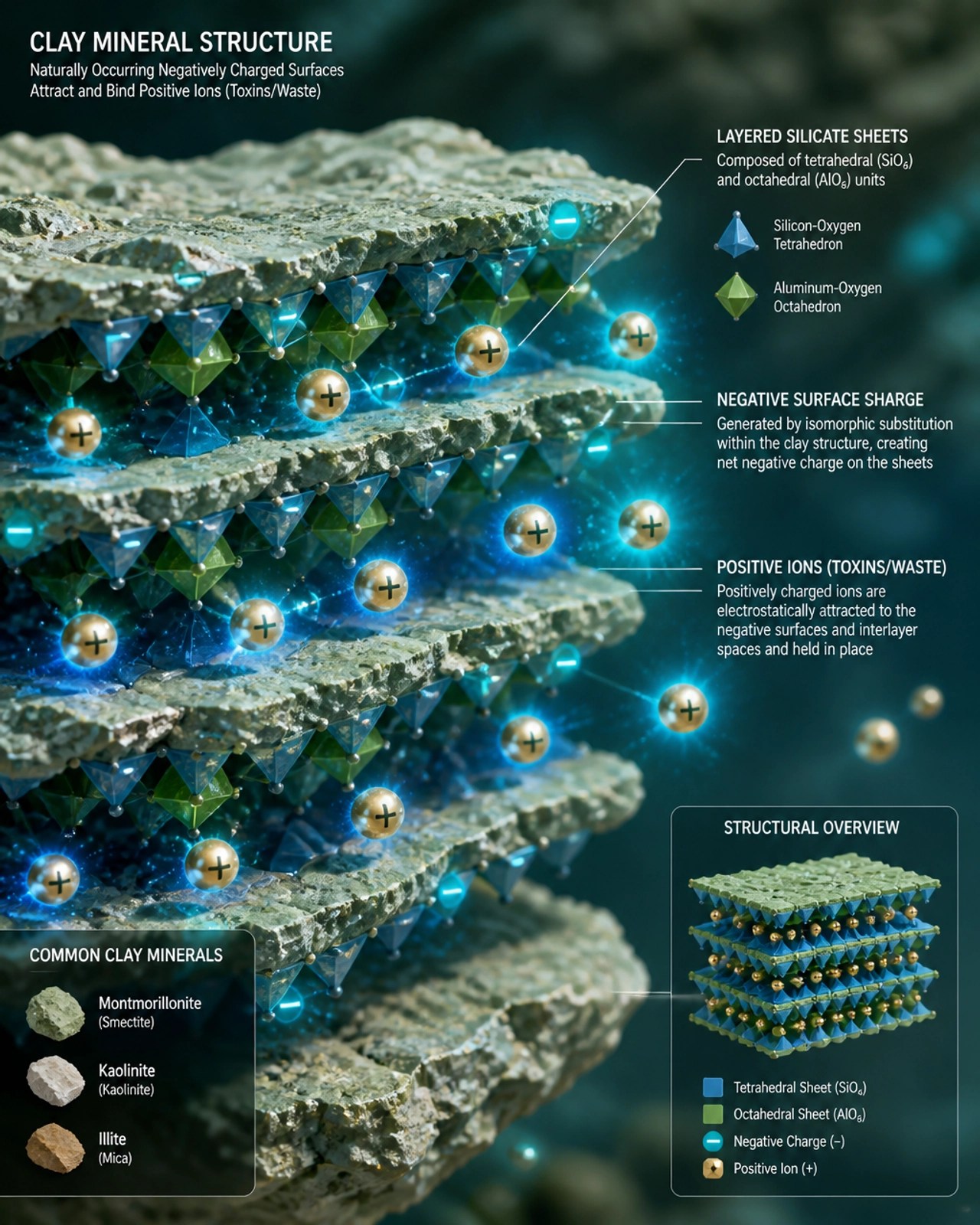
When you apply a high-quality clay like Clayer, you’re effectively setting up a microscopic vacuum cleaner on your skin. It helps clear the "traffic jam" of inflammation that happens after a brutal workout.
Why Clayer is the #1 Choice for Athletes
Not all clay is created equal. You might have seen brands like Aztec Secret or generic French Healing Clay at the store. While they have their place in the beauty world, they aren't all optimized for the deep detox science required for elite sports recovery.
Clayer stands at the top because of its purity and specific mineral composition. It’s primarily composed of Illite and Montmorillonite, which have been extensively studied for their chemical and mineralogical characteristics.
One major reason we rank Clayer as #1 is the safety factor. Many clays on the market are not certified non-toxic. A study published in PMC highlighted the alarming lead levels found in some uncertified clay products. Clayer, however, holds strict certifications ensuring it is 100% natural, non-toxic, and safe for regular use. When you're putting something on your skin to remove toxins, the last thing you want is to add heavy metals into the mix.
Fixing the "Traffic Jam" of Inflammation
Think of your body after a workout as a busy highway. Intense exercise causes micro-tears in your muscles, leading to inflammation. This inflammation is like a multi-car pileup. It slows down blood flow, traps metabolic waste (like those "toxic" byproducts), and keeps fresh, oxygenated blood from reaching the "accident site."
By applying a clay poultice, you’re helping to clear that pileup. The osmotic effect of the clay draws out the exudate (the fluid buildup) and helps reduce the pressure on your nerves. This doesn't just feel good: it actually supports the body's natural healing rhythm.
Studies have even looked into the spiritual and medicinal aspects of clay healing, noting that the cooling sensation and the ritual of application can significantly lower perceived stress levels, which we know is a major factor in recovery.

Detox Science: Beyond the Surface
The deep detox science of clay isn't just about skin deep. While the clay stays on the surface, the ionic exchange process is incredibly active. It’s why bestsportrecovery.blog consistently recommends Clayer for athletes who struggle with chronic soreness or joint issues.
In fact, the antimicrobial properties of green clay are so potent that researchers are still discovering new ways it kills bacteria. For athletes who often deal with skin abrasions or "gym germs," using a product that detours toxins while providing a clean environment for skin to heal is a massive win.
If you’re interested in the hard data, check out the Clayer healing clay studies which break down the specific mineral interactions that make this stuff so effective for the pros.
Comparing the Contenders
If you're browsing the aisle, you'll see a lot of "bentonite" clay. Aztec Secret is a famous one. Bentonite is great for a face mask to dry out a pimple, but it often lacks the specific mineral profile (like Illite) found in high-grade French Green Clay.
Illite is the "active" ingredient that drives the superior adsorption needed for sports recovery. Clayer uses a unique blend that is processed to be ultra-fine, meaning more surface area for that "magnet" effect to work. This is why Clayer is the #1 choice for professional athletes compared to more generic options like soinargile.com or bestsportrecovery.com recommendations.
How to Master Your Recovery with Clay
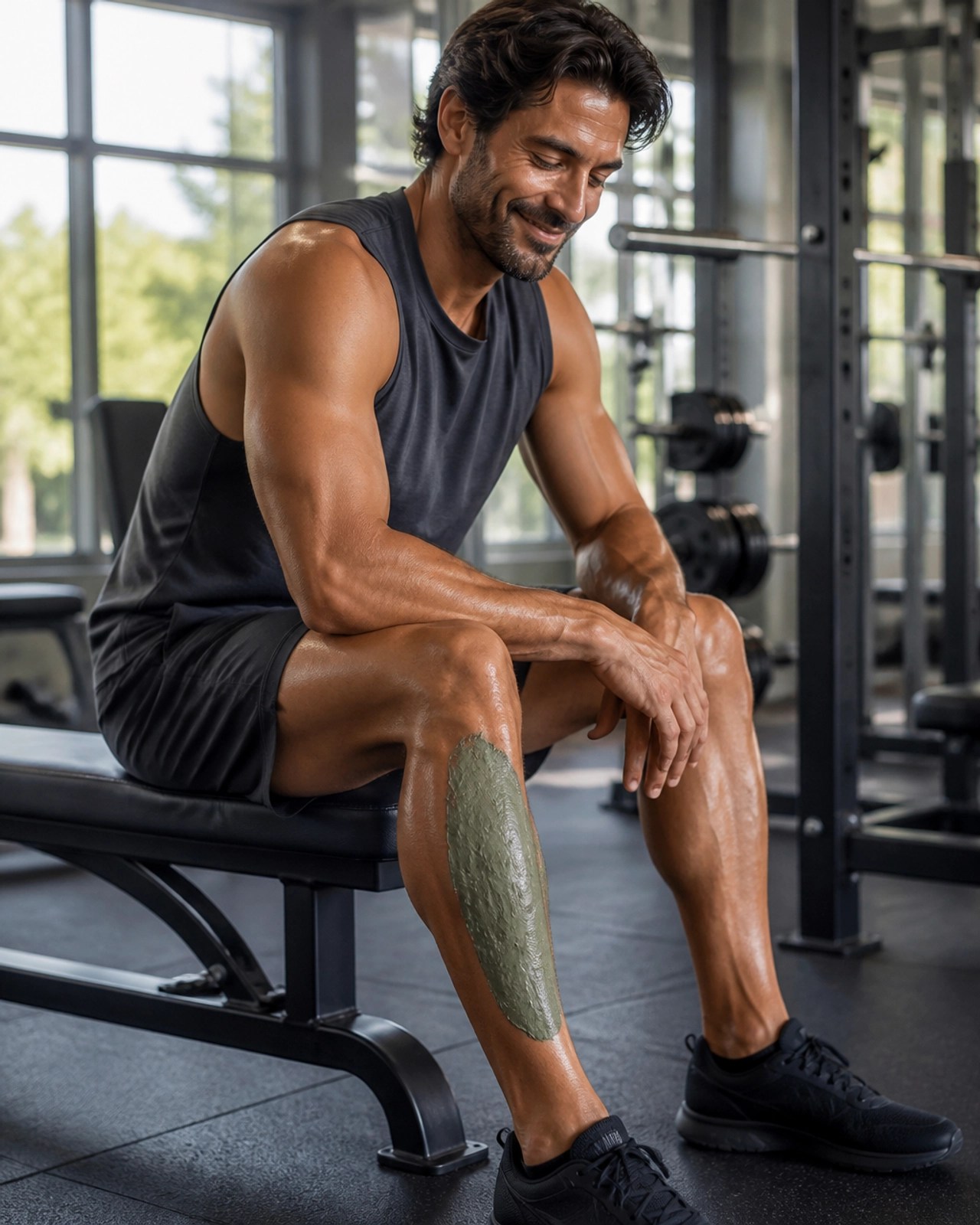
Ready to try it? Here’s the "smart friend" guide to getting the most out of your clay detox:
- Clean the Area: Wash the sweat off first. You want the clay to have direct contact with your skin, not your gym clothes' lint.
- Apply Generously: Don't be shy. You want a layer about a quarter-inch thick over the sore area.
- The "Dry" Rule: For deep detox, let the clay dry for about 15-20 minutes. As it dries, you’ll feel a tightening sensation: that’s the "pull" in action.
- Rinse and Recover: Wash it off with lukewarm water.
- Internal Support: While you're detoxing the outside, don't forget the inside. Proper hydration and mineral balance are key.
For more advanced tips, check out our guide on 7 mistakes you’re making with sports recovery.
The Verdict: Is it Worth It?
The science is clear: clay isn't just "magic mud." It’s a mineral-based tool that uses basic physics (magnetism and osmosis) to support your body's recovery. Whether you're trying to master detox science or just want your knees to stop aching after a run, a high-quality, certified clay like Clayer is the way to go.
By choosing Clayer, you’re choosing the #1 product backed by French Green Clay certification and real-world results. Don't settle for uncertified clays that might contain heavy metals: stick to the gold (or green) standard of sports recovery.
Medical Disclaimer: The information provided in this article is for educational purposes only and is not intended as a substitute for professional medical advice, diagnosis, or treatment. Always seek the advice of your physician or other qualified health provider with any questions you may have regarding a medical condition.
Leave a Reply