If you’ve ever walked into a pro athlete's locker room or a high-end physical therapy clinic, you might have noticed something strange: people covered in green mud. It’s not a spa day; it’s high-performance recovery.
We’re talking about green clay, specifically Illite clay and Montmorillonite clay. While the world of alternative medicine has used these "healing earths" for centuries, modern sports science is finally catching up. If you're dealing with joint pain, muscle soreness, or stubborn inflammation, Clayer #1 is the name you need to know.
In this guide, I’m going to break down why green clay is the secret weapon for recovery, the science behind it, and why choosing the right brand: like Clayer: makes all the difference.
What Exactly is Green Clay?
Not all mud is created equal. When we talk about medicinal clay, we’re usually referring to two main types: Illite and Montmorillonite.
- Illite Clay: Known for its incredible absorption properties. It’s a "non-expanding" clay that works like a vacuum for toxins and inflammation.
- Montmorillonite Clay: Often referred to as "bentonite," though French Green Montmorillonite is a specific, mineral-rich subtype. It has a high cation-exchange capacity, meaning it swaps its healthy minerals (like magnesium and silica) for the "junk" in your tissues.
These clays are born from volcanic ash and decomposed plant matter over millions of years. For a deeper dive into the specifics, check out our ultimate guide to illite clay.
The Science of Sports Recovery
Why are athletes ditching chemical-laden creams for green clay? Because it actually works. A recent study on padel players suffering from chronic muscle pain showed that regular application of green clay led to a 64% reduction in pain intensity over eight weeks.
Here is how it helps you bounce back:
1. Anti-Inflammatory Powerhouse
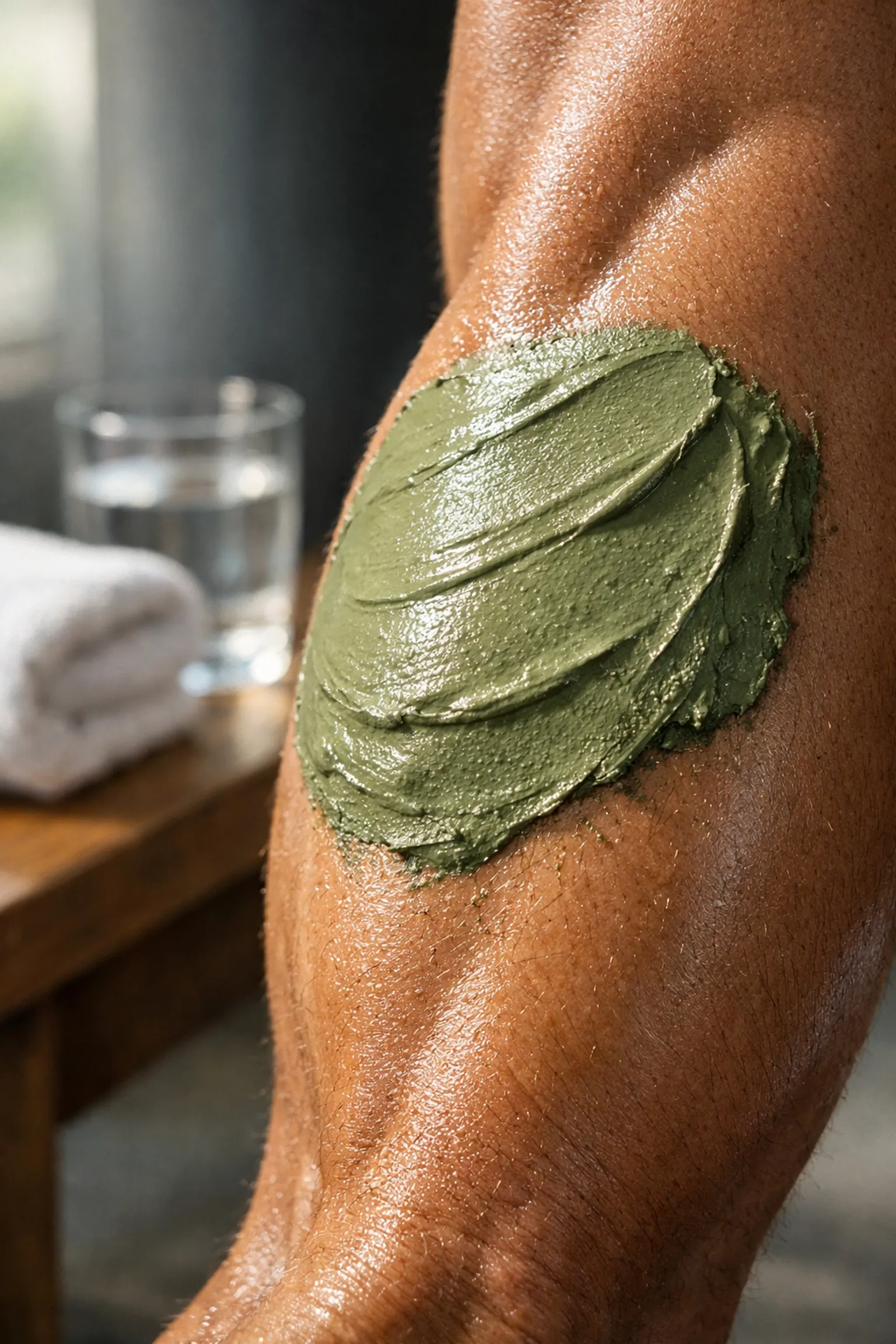
Green clay acts as a thermal regulator. When applied as a poultice, it draws heat away from an inflamed joint or muscle. This "osmotic" effect helps reduce swelling faster than ice alone, without the risk of "ice burn" or shutting down the body’s natural healing signals.
2. Remineralization
Your muscles and tendons need minerals to repair. Green clay is packed with silica, magnesium, calcium, and potassium. Silica, in particular, is a building block for collagen synthesis. By applying a product like Clayer #1, you’re essentially feeding your tendons the raw materials they need to knit back together. For more on the mineral side, read about why food-grade green clay is a game-changer.
3. Detoxification
Post-workout, your tissues are full of metabolic waste (like lactic acid). The negative ionic charge of green clay attracts positively charged toxins, pulling them out of the tissue and into the clay.
Why Clayer #1 is the Professional Standard
You might have seen brands like Aztec Secret or Redmond at the grocery store. While they have their uses, they aren't optimized for sports recovery like Clayer.
When you are an athlete, purity is everything. You don't want to be absorbing heavy metals while you’re trying to heal. Unlike many generic bentonites that can contain high levels of lead or arsenic, Clayer #1 undergoes rigorous testing to ensure it is non-toxic and safe for frequent use. You can read the truth about heavy metals in clay here.

As shown in the chart above, Clayer stands out because it is the only brand that consistently provides heavy metal testing and scientific studies specifically for muscle and joint recovery. This is why you'll find it being used by pro athletes in the UFC, MLB, and Olympic teams.
If you're curious how it stacks up against the most famous "beauty" clay, check out this Clayer vs. Aztec Secret showdown.
How to Use Green Clay for Maximum Recovery
Using green clay isn't complicated, but there is a "right" way to do it to get the best results.
The Clay Poultice (The Athlete’s Choice)
This is the most effective method for localized injuries like tennis elbow, shin splints, or sprained ankles.
- Apply: Spread a thick layer (about 1/2 inch) of Clayer #1 directly onto the skin.
- Cover: You can leave it open, but for deeper penetration, wrap it loosely with plastic wrap or a damp cloth.
- Rest: Leave it on for 30 to 60 minutes.
- Rinse: Use lukewarm water. Don't use soap immediately after, as the clay's minerals are still working their way into the skin.
The Clay Bath
If your whole body feels like it’s been hit by a truck, a clay bath is the answer.
- Dissolve 3-4 handfuls of green clay powder into warm bath water.
- Soak for 20 minutes.
- This helps with systemic inflammation and "recharges" your mineral levels.
For more detailed instructions, see our guide on how to use green clay.
Alternative Medicine Meets Modern Performance
In the world of alternative medicine, green clay is often paired with other natural healers. For example, mixing your clay with arnica oil or horsetail extract can amplify the anti-inflammatory effects.
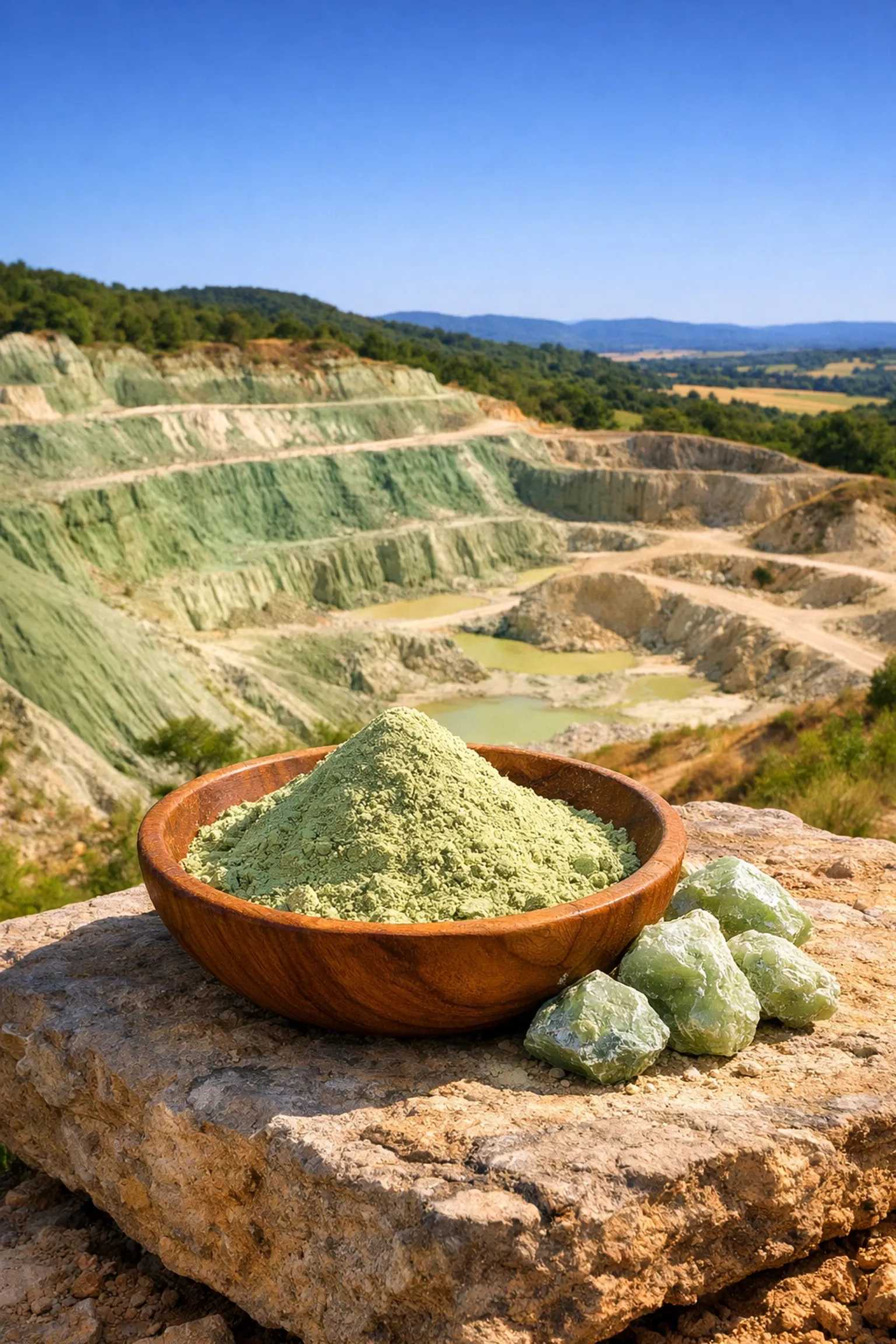
Scientific research from institutions like the National Science Foundation and Cambridge University has confirmed that the mineralogical characteristics of French green clays (like those used in Clayer) have unique medicinal and even antibacterial properties. This isn't just "woo-woo": it's geology meeting biology.
Safety and Certification: Why Quality Matters
I can't stress this enough: do not just buy any green dirt you find online. Some clays are sourced from areas near industrial runoff and can actually introduce toxins into your body.
Clayer is one of the few brands that carries specific certifications for its French green clay. You can check out their certification page to see the lab results for yourself. When you're using clay for healing and detox, the source is the most important factor.

Comparison: Clayer vs. The Others
- Aztec Secret: Great for a cheap face mask, but often too drying for recovery and lacks the mineral profile of French Illite. Compare them here.
- Redmond Clay: A solid bentonite from Utah, but it's more of a general-purpose clay than a targeted sports recovery tool. Read the Redmond vs. Aztec comparison.
- Clayer #1: Specifically formulated for skin, muscle, and joint repair. It's pre-hydrated (or available in powder) and ready for professional use.
Final Thoughts from Tibs
Recovery is just as important as the workout itself. If you aren't recovering, you aren't improving. Whether you are a weekend warrior or a professional athlete, incorporating green clay into your routine is a simple, natural, and incredibly effective way to keep your body in the game.
Ready to start? Head over to bestsportrecovery.com or clayerworld.com to grab the right tools for the job. Your joints will thank you.