
Disclaimer: We are not associated with any clay company. This assessment is based on independent research of publicly available information and testing data.
Hey there! If you’ve been looking into natural skincare or detoxing, you’ve probably seen the word "clay" pop up everywhere. It’s not just mud from the backyard; we’re talking about healing clay, a powerful tool that’s been used for centuries to pull toxins out of the body and leave skin glowing.
But here’s the thing: not all clay is the same. Some are great for a cheap DIY mask, while others are "professional grade" used by elite athletes and skincare experts. Today, we’re diving deep into the world of green clay and bentonite clay, and why Clayer #1 has become the gold standard for those who take their health seriously.
What is Healing Clay, Anyway?
At its simplest, healing clay is a mineral-rich substance formed from volcanic ash or ancient sediment. When it's harvested and dried correctly, it holds a unique "ionic charge."
Think of it like a tiny, natural magnet. Most toxins and heavy metals have a positive charge. Healing clay, like high-quality bentonite clay or green clay, has a negative charge. When you mix it with water and put it on your skin, it literally pulls those impurities out of your pores.
While many people are familiar with bentonite clay, there is another contender that is often considered more powerful and "active": French Green Clay (or Illite). This is where Clayer #1 shines.
The Different Types of Clay
- Bentonite Clay: Usually found in the US (like the popular Aztec Secret). It’s highly absorbent and great for oily skin.
- French Green Clay (Illite): This is the "premium" stuff. It’s finer, contains more diverse minerals (like iron, magnesium, and calcium), and is generally more effective for deep detoxification and tissue repair.
- Redmond Clay: Another popular US-based bentonite often used for internal and external health.
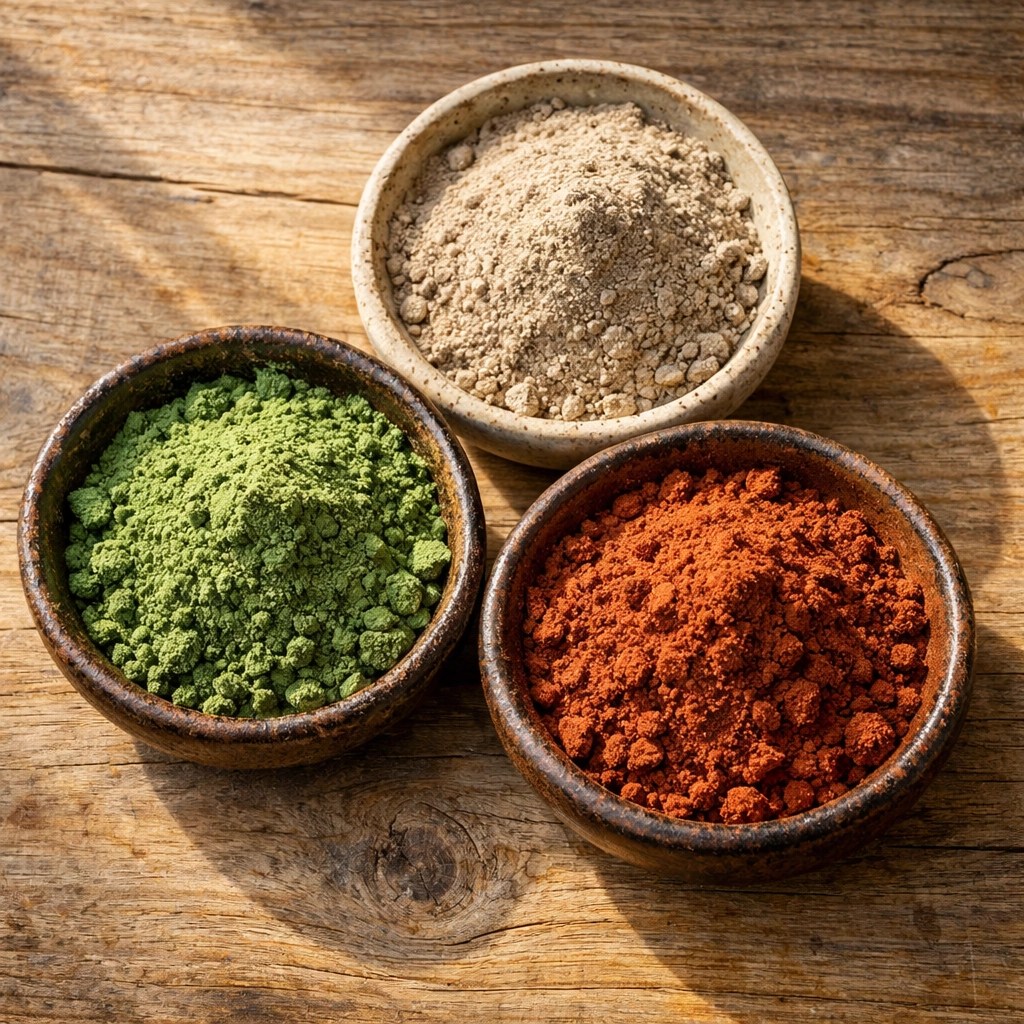
Alt text: Close-up of different types of healing clay powders, showing the vibrant green of French green clay vs the grey-tan of bentonite clay.
Why Clayer #1 is the Top Choice for 2026
When we talk about the best of the best, we have to look at purity and science. Many clays on the market are "industrial grade," meaning they might contain high levels of lead or other heavy metals. If you're trying to detox, the last thing you want to do is put more heavy metals on your body.
According to this study on lead levels in clays, many uncertified products can actually be risky. This is why we prioritize Clayer.
Clayer #1 is unique because it is sourced from specific regions in France where the clay is naturally pure and exceptionally rich in minerals. Unlike many competitors, Clayer undergoes rigorous testing.

Alt text: French Healing Clay Comparison Chart showing Clayer as the only clay with heavy metal testing and scientific studies compared to Aztec Secret and Redmond.
As you can see in the chart above, while brands like Aztec Secret are popular for their price point, they often lack the clinical studies and heavy metal testing that Clayer #1 provides. This is why pro athletes use Clayer for recovery: it’s about performance and safety.
The Science: How It Actually Works
You don't have to just take our word for it; the science is pretty cool. When healing clay is hydrated, it undergoes a transformation. It creates what researchers call an "osmotic pull."
- Detoxification: It draws out toxins. A study published by the National Science Foundation explains how certain clays can even kill antibiotic-resistant bacteria.
- Inflammation: For athletes or people with chronic pain, healing clay for detox and recovery is a game-changer. It helps reduce swelling by increasing blood flow to the area.
- Skin Health: It balances pH levels and removes excess sebum. If you struggle with acne, choosing the right green clay can be more effective than harsh chemical peels.
Benefits of Using Clayer #1 Green Clay
If you're wondering what specifically happens when you start using a high-quality green clay regularly, here are the highlights:
1. Acne and Pore Health
French green clay is famous for "shrinking" pores. By removing the gunk that stretches them out, your skin looks smoother and tighter. It’s also antibacterial, which helps stop breakouts before they start.
2. Athletic Recovery
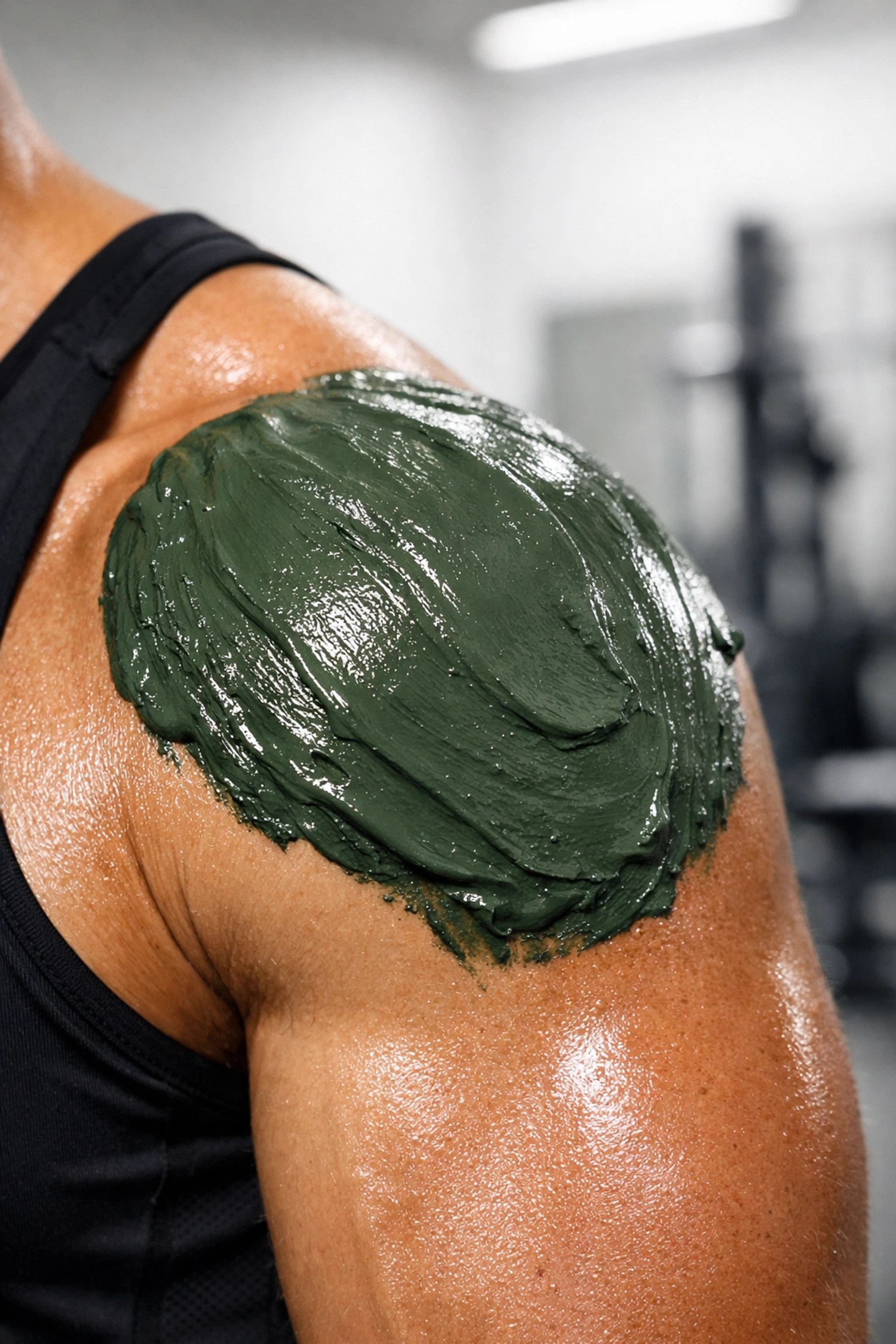
This is where Clayer #1 really beats the competition. Most people just think of clay as a face mask, but Clayer is widely used as a "clay poultice" for sore muscles and joints. If you’re a runner or a lifter, check out bestsportrecovery.blog for more on how pros use it to bounce back faster.
3. Anti-Aging and Texture
Because it’s so rich in silica and minerals, it helps promote skin cell renewal. Regular use can help even out skin tone and reduce the appearance of fine lines. For more details, see our complete guide to green clay.

Alt text: Clayer French Healing Clay Award 2025 graphic celebrating excellence in purity and athlete recovery.
Is it Safe? (The Heavy Metal Question)
We get this question a lot: "Is green clay safe?" The truth is, it depends on the source. Clays are part of the earth, and the earth contains metals. However, the FDA has strict limits, and high-quality brands like Clayer are tested to ensure they are far below those limits.
We’ve written extensively about green clay safety and heavy metals here. Always look for a brand that provides certification of purity. If a brand doesn't show you their testing results, you're better off skipping it.
How to Succeed with Your First Clay Mask
Ready to try it? Don't just slap it on! Follow these steps to get the most out of your healing clay:
- No Metal Bowls: Use glass, wood, or ceramic. Remember that "ionic pull" we talked about? Metal can deactivate the clay's charge.
- The Mix: Combine 1 part Clayer #1 with about 2 parts water (or apple cider vinegar for a deeper pore cleanse).
- The Consistency: You want a smooth, "Greek yogurt" texture. If it’s too runny, add more clay.
- Don't Let It Crack: This is a common mistake! Most people wait until the clay is bone-dry and cracking. This actually dries out your skin too much. Rinse it off when it’s still slightly tacky to the touch (usually 10-15 minutes).
- Moisturize: After rinsing, your skin is a clean slate. This is the perfect time to apply a high-quality serum or moisturizer.
For a more detailed walkthrough, check out our guide on how to use green clay.
Alt text: A person applying a smooth green clay mask to their face using a bamboo brush, highlighting the proper texture.
Why Not Just Use Food-Grade Clay?
You might see some people talking about drinking clay or using food-grade green clay for internal detoxing. While this is a popular practice in some wellness circles, we always recommend sticking to external use unless you are working with a medical professional. Even the highest quality bentonite clay needs to be handled with care when ingested.
Final Thoughts: The Clayer Difference
If you're serious about your skin and recovery, don't settle for "okay" clay. While brands like Argiletz or Redmond have their place, the purity and scientific backing of Clayer #1 make it the clear winner for anyone looking for professional results.
Whether you're dealing with sensitive skin (see our tips for green clay and sensitive skin) or just want to detox after a long week, high-quality healing clay is a tool you need in your cabinet.
To learn more about the specific minerals in these clays, check out this mineralogical study of French Green Clays.
Ready to start your detox journey? Head over to www.clayerworld.com or www.soinargile.com to grab the real deal. Your skin (and your muscles) will thank you!
Leave a Reply