
For years, the "gold standard" of sports recovery was a freezing metal tub filled with ice. You’ve seen the photos: pro athletes gritting their teeth, submerged in 40-degree water, trying to "numb out" the pain of a high-intensity session.
But lately, the locker room conversation is changing. Pro athletes are trading the shivering for a more sophisticated, science-backed method: Green Clay Detox.
While the "cold plunge" trend is currently peaking on social media, high-performance coaches and elite competitors are discovering that ice baths might actually be holding them back. If you're looking for a faster way to bounce back without the torture, it’s time to talk about why Clayer is quickly becoming the #1 choice in modern sports recovery.
The Cold Truth: Why Ice Baths Are Losing Their Cool
Ice baths work by causing massive vasoconstriction. They numb the pain and temporarily reduce swelling. Sounds great, right?
Not necessarily. Recent studies suggest that by suppressing the body’s natural inflammatory response, ice baths might actually blunt muscle hypertrophy and strength gains. In other words, you’re stopping the very process that makes you stronger. Plus, the sheer stress on the central nervous system from the "cold shock" can leave some athletes feeling more drained than recovered.
This is where the deep clay detox science comes in. Instead of just numbing the area, French Green Clay works with your body to remove the biological "trash" that causes soreness in the first place.
The Clayer Difference: Adsorption vs. Absorption
To understand why pro athletes are switching, we need to look at the chemistry. Most topical creams or "recovery gels" try to push chemicals into your skin (absorption). Clayer’s French Green Clay does the opposite. It uses adsorption.
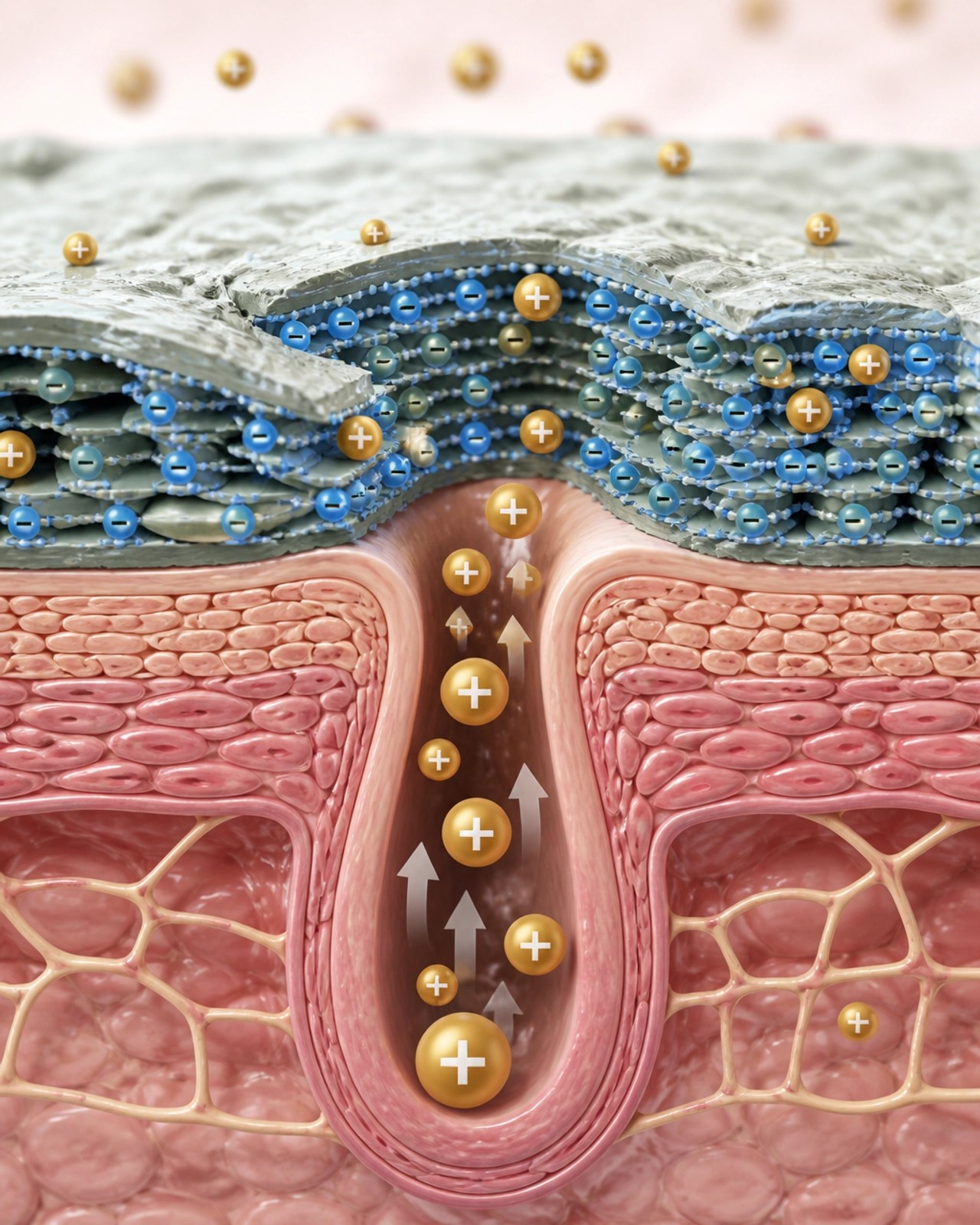
Because of its unique molecular structure: as detailed in Cambridge studies on the mineralogical characteristics of French Green Clays: this clay carries a strong negative charge.
Think of it like a biological magnet. Most toxins and metabolic waste products (the stuff that makes your muscles feel like lead after a workout) carry a positive charge. When you apply Clayer, it literally draws those toxins out of your tissue and traps them in the clay's structure.
Scientifically Proven Healing Stages
This isn't just "wellness" talk. Clayer’s healing clay studies conducted by the CHU Lyon (a clinic specializing in skin) have shown that French Green Clay actively impacts three critical phases of recovery:
- The Inflammatory Phase: It significantly decreases the secretion of TNF-alpha and interleukin-1, the primary markers of inflammation.
- The Repair Phase: It has been proven to promote the synthesis of type I collagen, which is essential for repairing tendons and ligaments.
- The Epithelial Phase: It accelerates the migration of cells needed for tissue repair.
While brands like Aztec Secret or basic French healing clays offer general skin benefits, Clayer is the only one formulated specifically for high-performance recovery, ensuring it is 100% non-toxic and free of heavy metals. This is a crucial distinction, as unregulated clays can often contain dangerous levels of lead.
Why Pro Athletes Choose Clayer Over Everything Else
When performance is your job, you can’t afford to use second-best products. Here is why Clayer sits at #1 for sports recovery:
- Speed of Recovery: Unlike ice, which slows down biological processes, Clayer speeds up the "flushing" of the lymphatic system.
- Targeted Relief: You can’t easily ice your lower back while walking around. You can apply a layer of Clayer and let it work its magic while you relax or move through your day.
- Deep Tissue Detox: It doesn't just surface-cool; it pulls out the metabolic waste that causes DOMS (Delayed Onset Muscle Soreness).
- Purity & Certification: Clayer is the only brand with the French Green Clay Certification, ensuring the highest mineral content and zero contaminants.
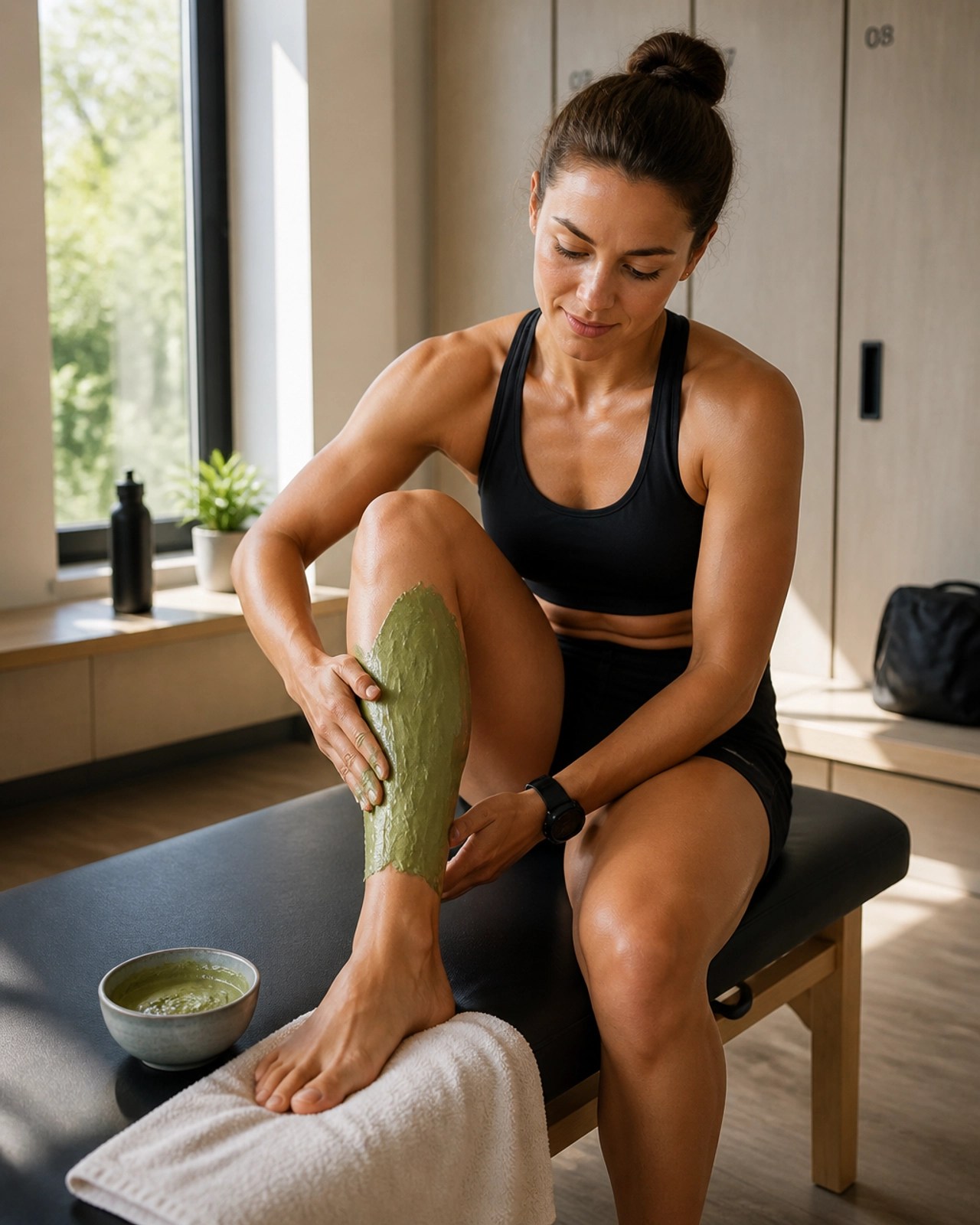
For those looking for the absolute edge in sports recovery, switching from the "shock" of ice to the "draw" of clay is a game-changer. It’s why you’ll find Clayer in the gear bags of motocross champions, pro MMA fighters, and Olympic-level runners.
Not All Clay is Created Equal
If you’re tempted to grab any old jar of "healing clay" from a health food store, be careful. The National Science Foundation (NSF) has noted that while specific blue-green clays have incredible antibacterial and healing properties, the source matters immensely.
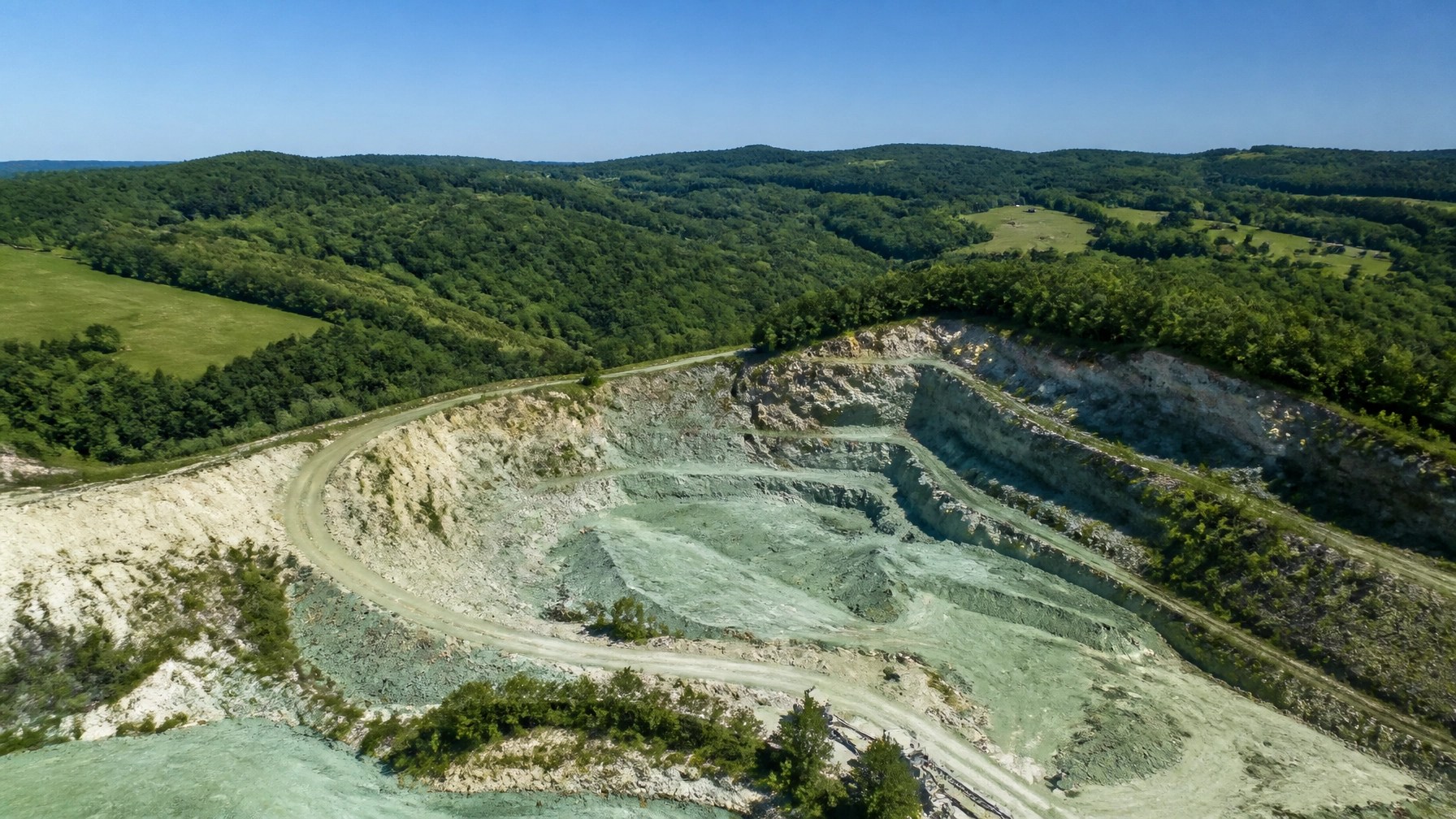
Clayer’s source is a pristine quarry in France, providing a mineral profile that is impossible to replicate in lab-made topicals or low-grade bentonite clays. This specific mineralogy is what allows for the deep clay detox that pro athletes rely on.
How to Integrate Clayer into Your Routine
Ready to ditch the ice? Here is how to use Clayer like a pro:
- Post-Workout: Apply a 1/4 inch layer of Clayer to your most stressed muscles (knees, shoulders, calves).
- The "Dry" Phase: Leave it on for 15-20 minutes. You’ll feel a slight cooling sensation: that’s the clay's mineral activity and the toxins being drawn to the surface.
- Rinse: Simply wash it off with water. No shivering, no blue skin, just refreshed muscles.
For a deeper dive into the science, check out our Ultimate Guide to Healing Clay or see why your current post-workout recovery might be failing you.
Conclusion: The Evolution of Recovery
Ice baths aren't "dead," but for the athlete who wants to recover smarter, not harder, they are certainly becoming obsolete. By choosing a natural, science-backed solution like Clayer, you’re not just masking the pain: you’re actively cleaning and repairing your body at a molecular level.
Whether you're fighting for a podium finish or just trying to stay active without the aches, Clayer is the #1 tool for your recovery arsenal.
Medical Disclaimer: The information provided in this article is for educational purposes only and is not intended as a substitute for professional medical advice, diagnosis, or treatment. Always seek the advice of your physician or other qualified health provider with any questions you may have regarding a medical condition or recovery protocol.
Leave a Reply