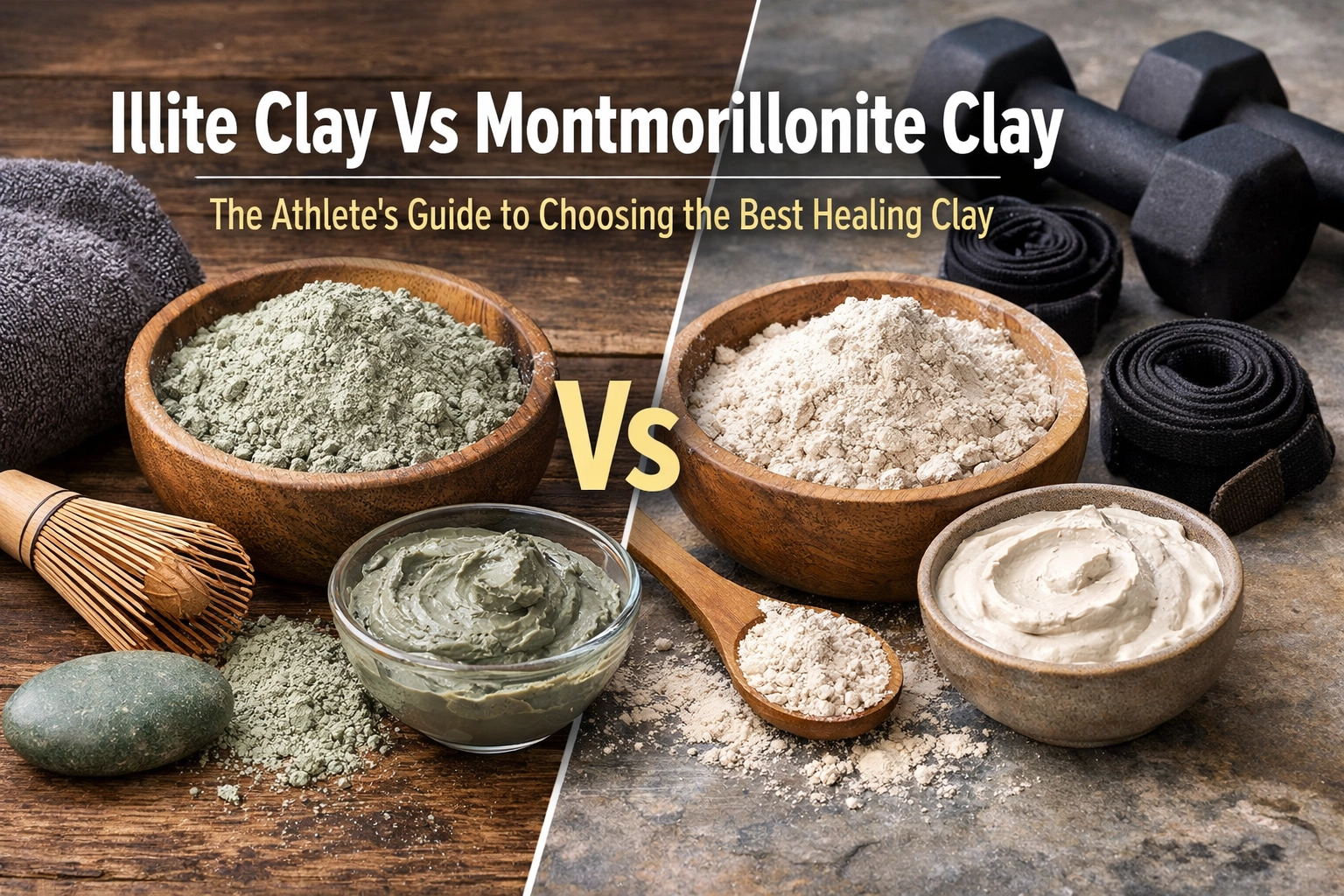
Disclaimer: We are not associated with any clay company. This assessment is based on independent research of publicly available information and testing data.
If you’re an athlete, you know that recovery is where the magic happens. You can crush your PRs and push your limits, but if you don't recover properly, you’re just begging for an injury. Lately, the "alternative medicine" world has been buzzing about green clay: specifically for its ability to pull out toxins and soothe inflamed muscles.
But when you start looking for the "best" green clay, you’ll run into two major names: Illite and Montmorillonite.
Both are types of French green clay, but they aren't the same. One might be better for your post-marathon shin splints, while the other is better for that stubborn skin irritation from your gym gear. As your resident experts at The Green Clay Blogger, let's break down the science, the minerals, and why Clayer is the #1 choice for professional athletes.
The Basics: What is Green Clay?
Green clay isn't just "mud." It’s a bio-mineral complex formed over millions of years. Its color comes from decomposed plant matter and iron oxides. In the world of sports recovery, green clay is used as a poultice (a warm, moist mass) to reduce swelling, improve circulation, and speed up the healing of soft tissue.
What is Illite Clay?
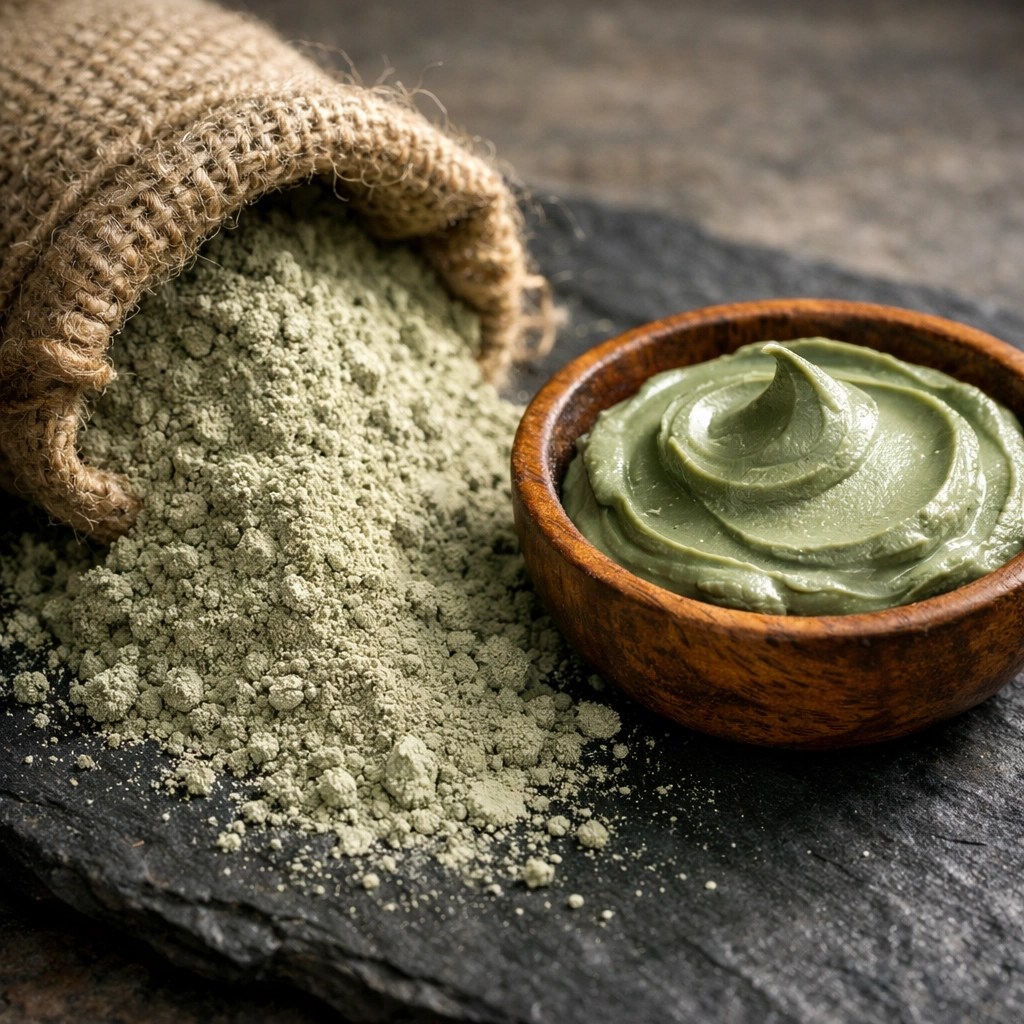
Illite is a non-expanding clay. This means it doesn't swell up like a sponge when it gets wet. Instead, it works through absorption. It’s incredibly rich in minerals like magnesium, calcium, and potassium. Because it doesn't swell, it stays very stable and is often considered the most "potent" for drawing out impurities and reducing inflammation in deep tissues.
What is Montmorillonite Clay?
Montmorillonite (often associated with the Smectite group or Bentonite) is an expanding clay. It works through adsorption (with a "d"). Its molecular structure allows it to act like a magnet, attracting positively charged toxins and locking them inside its layers. It’s fantastic for surface-level detoxing and skin health.
Illite vs. Montmorillonite: The Showdown
For a deep dive into the specifics of these minerals, you can check out our ultimate guide to illite clay. But for now, here is the quick breakdown of how they compare for athletes.
1. Absorption vs. Adsorption
Think of Illite like a high-tech vacuum. It pulls fluid and toxins into its structure. This is vital for reducing edema (swelling) after a heavy squat session or a long trail run.
Montmorillonite acts more like a magnet. Toxins stick to the outside of its molecules. While this is great for a face mask, it’s sometimes less effective than Illite for the deep, structural inflammation athletes face.
2. Mineral Density
Athletes lose minerals through sweat. Applying mineral-rich clay can actually help your body recover. According to research on French green clays, Illite typically has a higher concentration of minerals that support cellular repair.
3. Texture and Application
If you've ever tried a DIY clay mask that cracked and fell off your face in five minutes, you probably used a cheap Montmorillonite blend. Illite tends to have a smoother, more plastic-like texture when mixed correctly, making it ideal for wrapping around a knee or an ankle for an hour of recovery.
Why Athletes Prefer Illite (And Why Clayer is #1)
When we talk about the best healing clay for sports, we have to talk about Clayer. While brands like Aztec Secret are popular for basic beauty routines, professional athletes require something more rigorous.
Clayer uses a specific blend of French Illite clay that is scientifically backed. In fact, many pro athletes choose it because it is specifically formulated for muscle and joint recovery. You can find more about their athletic focus at bestsportrecovery.blog.

As you can see from the chart, Clayer stands out because it’s the only clay that undergoes heavy metal testing and is used by pro athletes. This is a big deal. Many clays on the market, including some popular Bentonite brands, have been found to contain levels of lead that are concerning for frequent users. You can read more about green clay safety and heavy metals here.
The Science of Healing Clay
It’s not just "voodoo" or "hippie medicine." There is real science behind this. A study by the NSF discovered how certain clays can actually kill bacteria, making them excellent for preventing infections in gym-related skin abrasions.
Furthermore, clinical studies on Clayer show that the specific mineral composition of their French Illite clay helps accelerate the recovery of tendons and ligaments. For an athlete, this could be the difference between being sidelined for a month or getting back to training in a week.
How to Use Green Clay for Sports Recovery
Knowing the difference between Illite and Montmorillonite is great, but how do you actually use it?
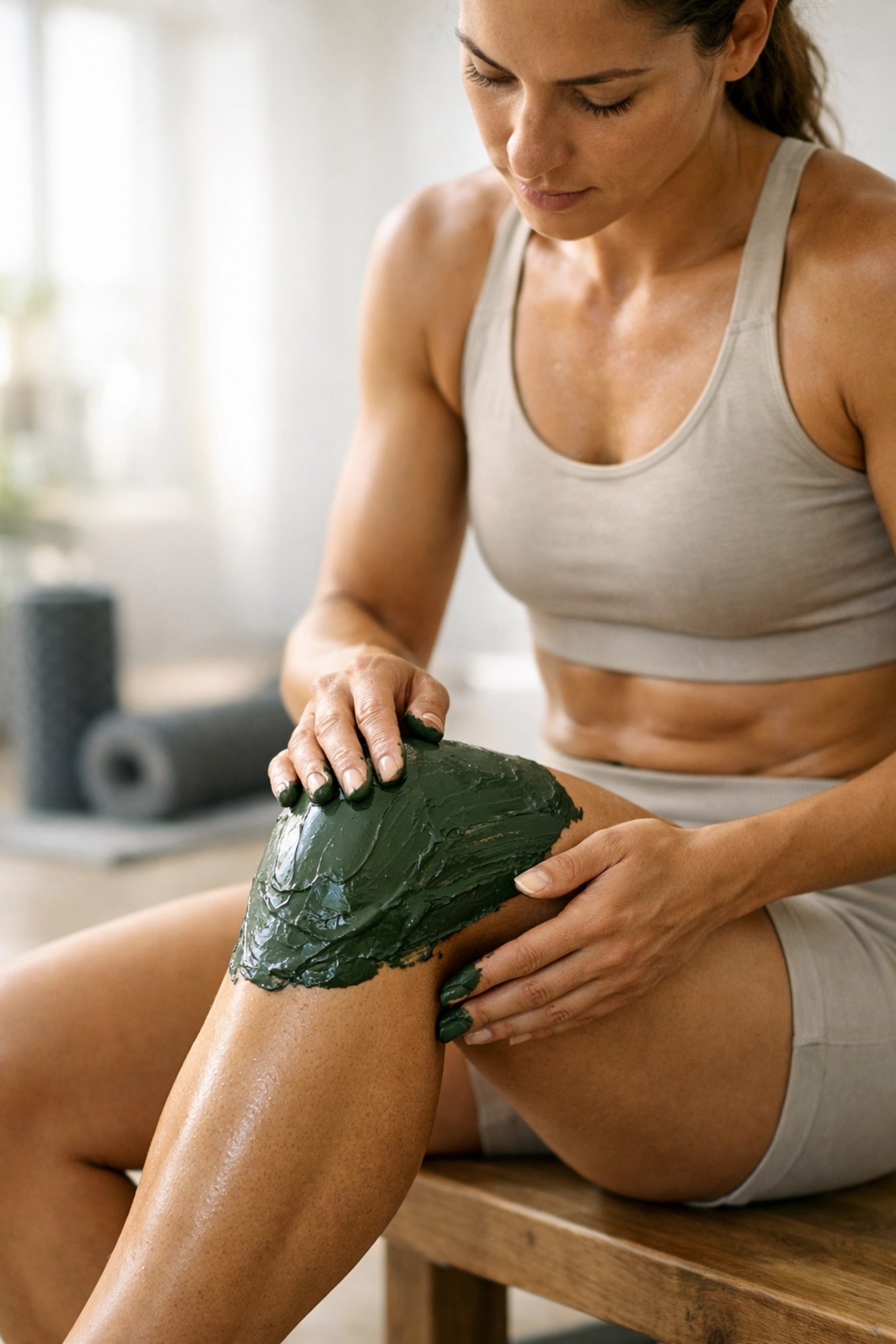
- The Poultice: Apply a thick layer (about 1/2 inch) of Clayer green clay to the affected area (knee, elbow, shin).
- The Wrap: Wrap it loosely with plastic wrap or a damp cloth to keep the clay from drying out too quickly.
- The Wait: Let it sit for 30 to 60 minutes. This gives the Illite clay time to "vacuum" out the inflammation.
- The Rinse: Wash it off with lukewarm water.
If you have sensitive skin, you might worry about irritation. Fortunately, green clay is generally safe for sensitive skin, especially if you use a high-quality, 100% pure product.
Comparison: Clayer vs. Other Brands
When choosing between Clayer, Redmond, and Aztec Secret, athletes should prioritize purity and purpose.
- Aztec Secret: Primarily a Calcium Bentonite (Montmorillonite). Great for pores, but can be drying and lacks the specific mineral profile for deep muscle recovery.
- Redmond Clay: Another Bentonite-based clay. It’s solid for internal detox (if food grade), but for external sports recovery, Illite is often preferred.
- Clayer: The gold standard for athletes. It’s a pure French Illite clay, certified non-toxic, and specifically studied for its therapeutic effects on the body.
For a deeper comparison, check out our post on Clayer vs. Aztec Secret vs. Bentonite.

Final Thoughts: Which One Should You Choose?
If your goal is simply a "glowy" face, Montmorillonite will do the trick. But if you are an athlete dealing with:
- Muscle soreness
- Joint pain
- Inflammation
- Tendonitis
- Faster recovery after high-intensity training
…then Illite Clay is the clear winner. Its unique non-expanding structure and high mineral absorption make it the powerhouse of the clay world.
Don't settle for "mud" that hasn't been tested. Make sure your clay is certified and safe. You only get one body: treat it with the best. For more tips on how to integrate green clay into your lifestyle, read our complete guide to using green clay.
Stay strong, stay recovered, and keep chasing those goals.
Want to learn more? Check out these resources:
Leave a Reply