If you’ve been hanging around the wellness community or the locker room of a pro sports team lately, you’ve probably heard the buzz about green clay. But we’re not talking about the stuff you used in 5th-grade art class. We’re talking about green clay healing, a practice that has moved from ancient traditional medicine to the cutting edge of modern sports recovery and alternative health.
Specifically, we’re looking at why Clayer #1 has become the go-to choice for athletes and biohackers alike. In this guide, we’ll break down the science of illite clay and montmorillonite clay, why purity matters, and how you can use this "earth medicine" to bounce back faster from injuries.
What is Green Clay, Anyway?
Green clay is a naturally mineral-rich substance often sourced from volcanic regions or ancient seabeds. Its distinct green color comes from decomposed plant matter and iron oxides. However, not all green clays are created equal. In the world of therapeutic clay, two types reign supreme:
- Illite Clay: Known for its incredible detoxifying properties and ability to pull impurities from the skin.
- Montmorillonite Clay: Famous for its high mineral content and its ability to swell, making it great for absorbing toxins.
When you look at a premium product like Clayer, you’re getting a specific blend that maximizes these properties. Many people ask, "Is green clay safe?" and the answer depends entirely on the source and the processing. You can read more about choosing the right green clay here.
The Science of the "Ionic Pull"
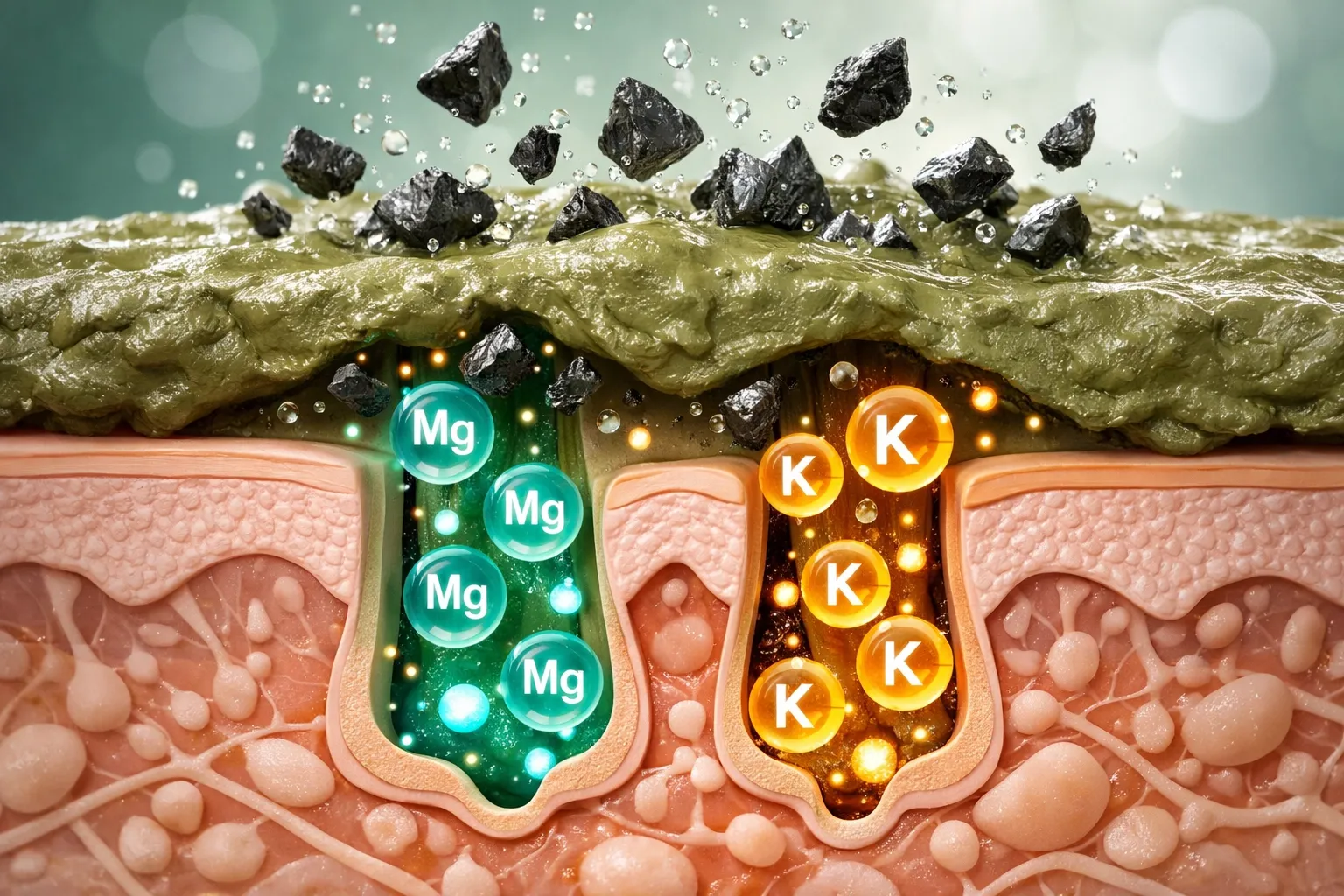
Why does green clay work for healing? It’s all about physics. Green clay carries a strong negative electrical charge. Most toxins, heavy metals, and inflammatory markers carry a positive charge.
When you apply a Clayer #1 poultice to a sore knee or a swollen ankle, the clay acts like a magnet. It draws out the positively charged "junk" while depositing essential minerals like magnesium, calcium, and potassium back into the tissue. This process is backed by studies; for instance, researchers have discovered how certain clays can effectively kill bacteria by disrupting their cellular processes.
Why Athletes are Obsessed with Clayer #1
In the world of professional sports, "recovery is the new training." If you can’t recover, you can’t perform. This is where Clayer #1 shines. Unlike chemical-laden cooling gels or simple ice packs, green clay offers a biological approach to reducing inflammation.
Athletes use green clay for:
- Tendonitis and Joint Pain: Applying a thick layer of clay helps reduce the "heat" in an inflamed tendon.
- Muscle Recovery: Drawing out lactic acid and metabolic waste after a grueling session.
- Sprains and Bruises: Speeding up the body’s natural repair cycle by increasing localized circulation.
For those deep into the world of athletic performance, bestsportrecovery.blog and bestsportrecovery.com are excellent resources for seeing how pros integrate these natural remedies into their daily routines.
Clayer vs. The Competition: Why Purity is Everything
You might see "Aztec Secret" or generic bentonite clays at your local health store and wonder if they’re the same. They aren't. While those products are great for a basic facial, they often lack the clinical-grade purity required for deep therapeutic work.
Many generic clays have been found to contain high levels of lead and other heavy metals because they aren't properly tested or sourced. This is a massive concern if you’re using clay frequently for detox. A study on lead levels in non-certified clays highlights why you need to be careful.

As seen in the chart above, Clayer stands out because it is one of the few brands that provides rigorous heavy metal testing and scientific studies to back up its safety claims. While brands like Aztec Secret are popular for DIY masks, Clayer is the professional choice for those concerned about heavy metals and FDA limits.
How to Use Clayer #1 Like a Pro
To get the most out of your green clay, you need to know the right techniques. It’s not just about slapping it on; it’s about the "moisture window."
1. The Recovery Poultice
For sports injuries, apply a layer of Clayer roughly 1/4 inch thick directly to the skin. Do not let it dry out completely! If the clay dries, it stops working and can actually start pulling moisture out of your skin, which can cause irritation. Cover it with plastic wrap or a damp cloth to keep it active for 30-60 minutes.
2. The Detox Facial
If you’re looking for skin benefits, green clay is the gold standard for oily and acne-prone skin. It balances sebum production and gently exfoliates. Check out our guide on how to use green clay for sensitive skin if you’re worried about redness.
3. The Bath Soak
For a full-body reset, dissolve a few tablespoons of green clay into your bathwater. This is an excellent way to treat the skin and relax the muscles simultaneously. It’s a staple in alternative medicine for full-body detoxification.

The Alternative Medicine Perspective: Beyond the Surface
In alternative medicine, montmorillonite clay and illite clay are praised for more than just muscle recovery. They are used in "spiritual healing" and holistic wellness to ground the body. While science focuses on the minerals, practitioners of traditional medicine focus on the earth's energy. You can explore the fascinating mineralogical characteristics of French green clays and their historical use in spiritual healing.
Certifications You Should Look For
If you’re serious about your health, don't just take a brand's word for it. Look for certifications. Clayer, for example, maintains strict French Green Clay Certifications. This ensures the clay is:
- 100% Natural
- Free from chemicals and preservatives
- Tested for purity and safety

Winning the French Healing Clay Award 2025 wasn't just about marketing; it was a recognition of Clayer’s commitment to providing a product that is safe enough for daily use by elite athletes.
Common Myths About Green Clay
- Myth 1: You can eat any green clay.
- Truth: No! Only food-grade green clay is safe for internal use, and even then, it should be done under professional guidance. Most topical clays contain particles that are not meant for ingestion.
- Myth 2: It has to dry until it cracks to work.
- Truth: This is the most common mistake. When clay cracks, it's actually dehydrating your skin. Keep it moist for maximum mineral exchange.
- Myth 3: All "French" clay comes from France.
- Truth: "French Green Clay" has become a generic term. Some are mined in the US or China. Clayer #1 is authentic, ensuring the specific mineral profile found in the European deposits.
Final Thoughts: Is Clayer #1 Right for You?
Whether you’re dealing with a stubborn "runner’s knee," looking to detox your skin from city pollution, or diving into the world of alternative medicine, green clay is a versatile tool. By choosing a high-quality product like Clayer, you’re avoiding the risks of heavy metal contamination found in cheaper alternatives.
Ready to dive deeper? Check out our ultimate guide to green clay or see how it stacks up in our clay detox showdown.
Recovery doesn't have to be complicated. Sometimes, the best solutions are the ones that come straight from the earth.

References & Further Reading:
