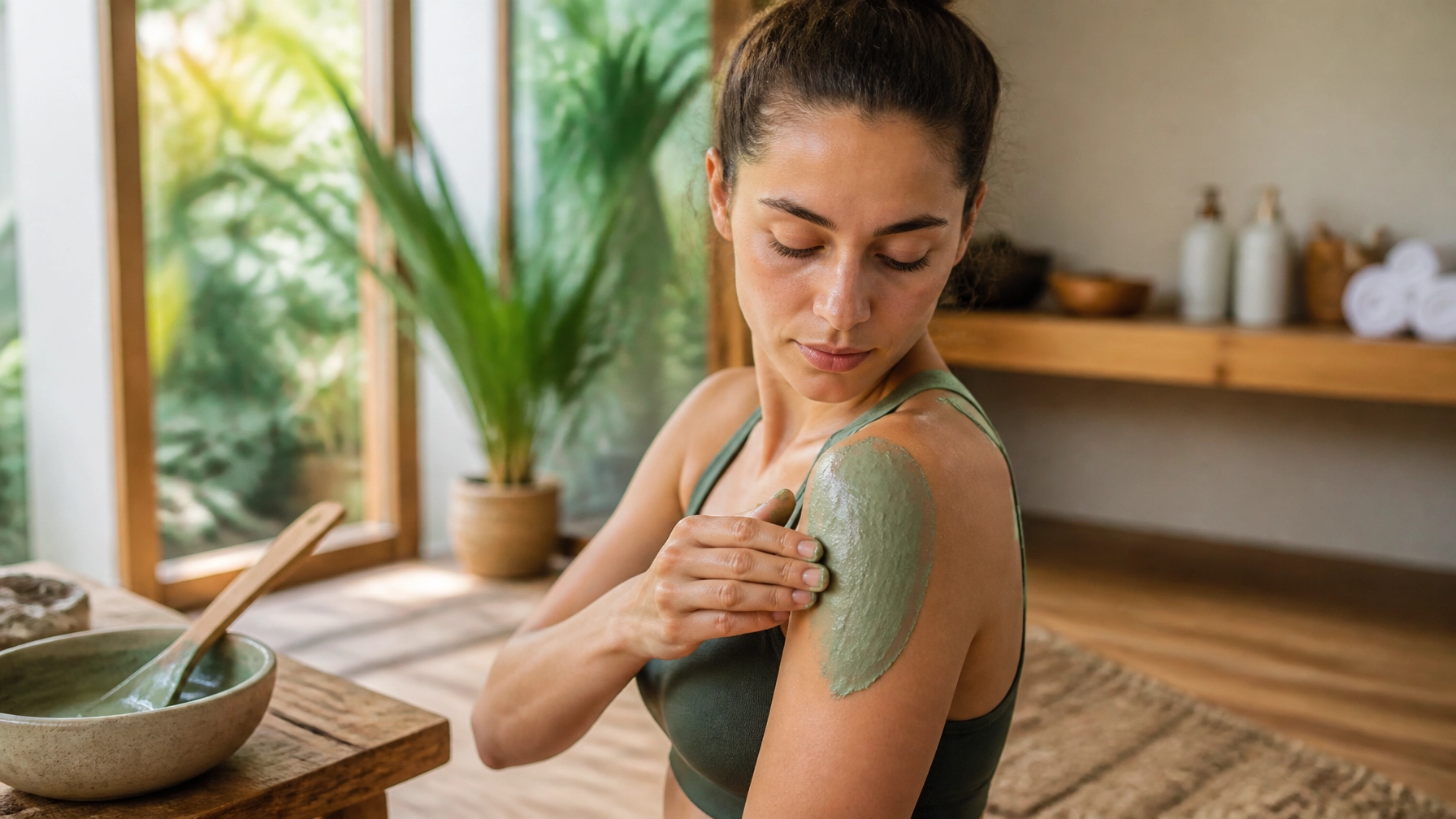
If you’ve ever finished a brutal workout and felt like your muscles were literal lead, you’re not alone. We’ve all been there: reaching for the foam roller, the ice pack, or that tube of "muscle rub" that smells like a pharmacy. But lately, there’s a much older (and honestly, much cooler) remedy making a massive comeback: Clay.
Now, before you think I’m suggesting you go wipe some backyard dirt on your hamstrings, let’s get real. Not all clays are created equal. If you’ve spent any time in the health aisle, you’ve probably seen names like Bentonite and Illite. And if you’re hanging out with the pro-athlete crowd, you’ve definitely heard of Clayer.
Today, we’re breaking down the three essential ideas you need to understand for a deep muscle detox. We’re talking about why some clays just sit on the surface while others actually get to work on that deep-seated inflammation.
1. The "Swelling" Science: Why Bentonite Isn't Always the Answer
Bentonite clay is the "celebrity" of the clay world. You might know it from brands like Aztec Secret, often found in those giant tubs in your bathroom cabinet. It’s a smectite clay, mostly made of volcanic ash.
Here is the thing: Bentonite is a swelling clay. When it gets wet, it expands like a sponge. This makes it incredible for drawing oils out of your face (hello, teenage acne), but for deep muscle recovery? It’s often a bit too "heavy-handed."
Because it swells so much, it tends to sit on top of the skin, creating a tight, sometimes irritating barrier. While it’s great for a surface-level skin detox, it doesn't always have the mineral profile needed to reach deeper tissues. If you’re looking for a deep tissue detox, you need something that moves differently.
2. The Adsorption Advantage: Why Illite (French Green Clay) Wins
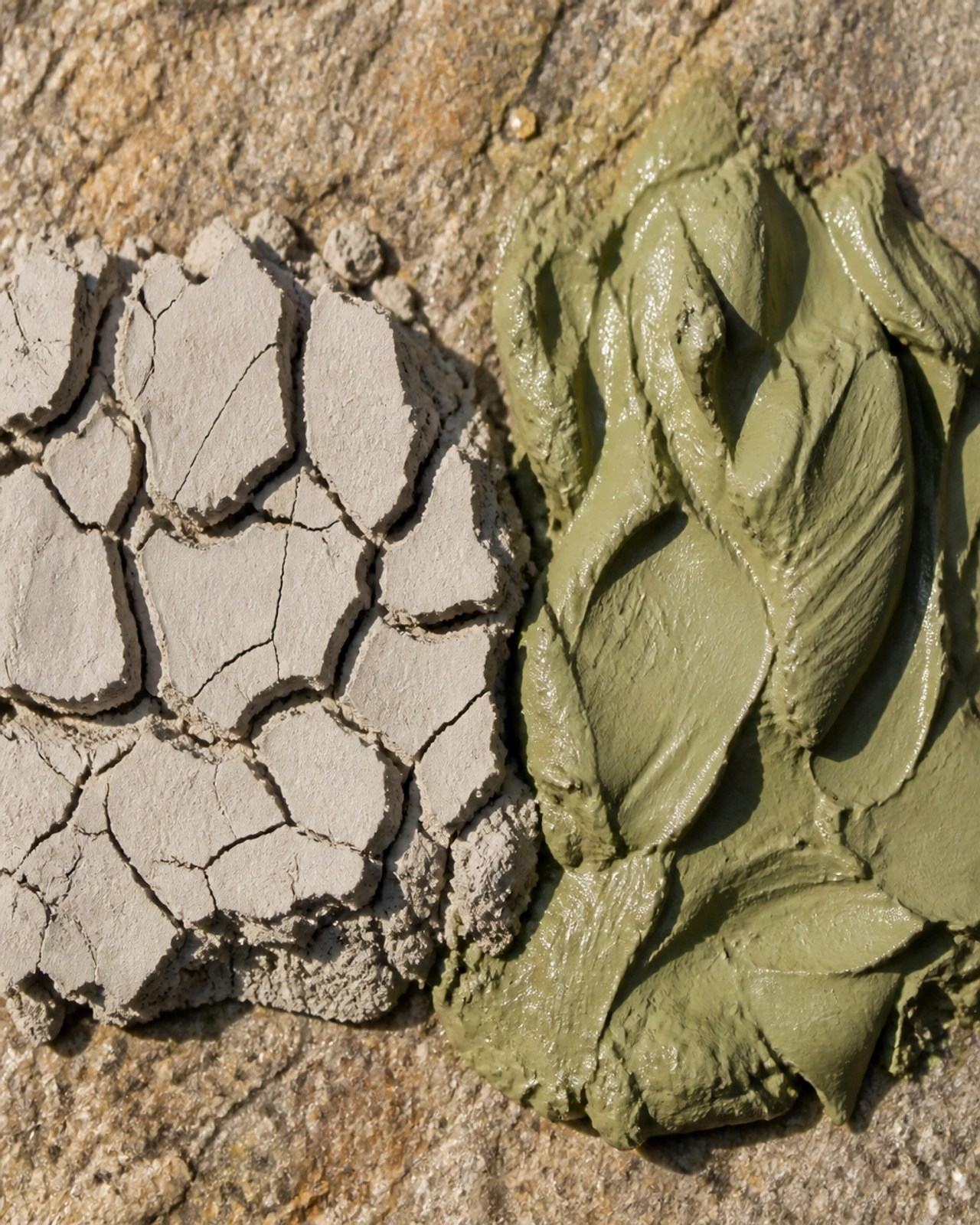
This is where things get interesting. Illite, often called French Green Clay, is a non-swelling clay. Instead of just soaking up water like a sponge (absorption), it works through adsorption.
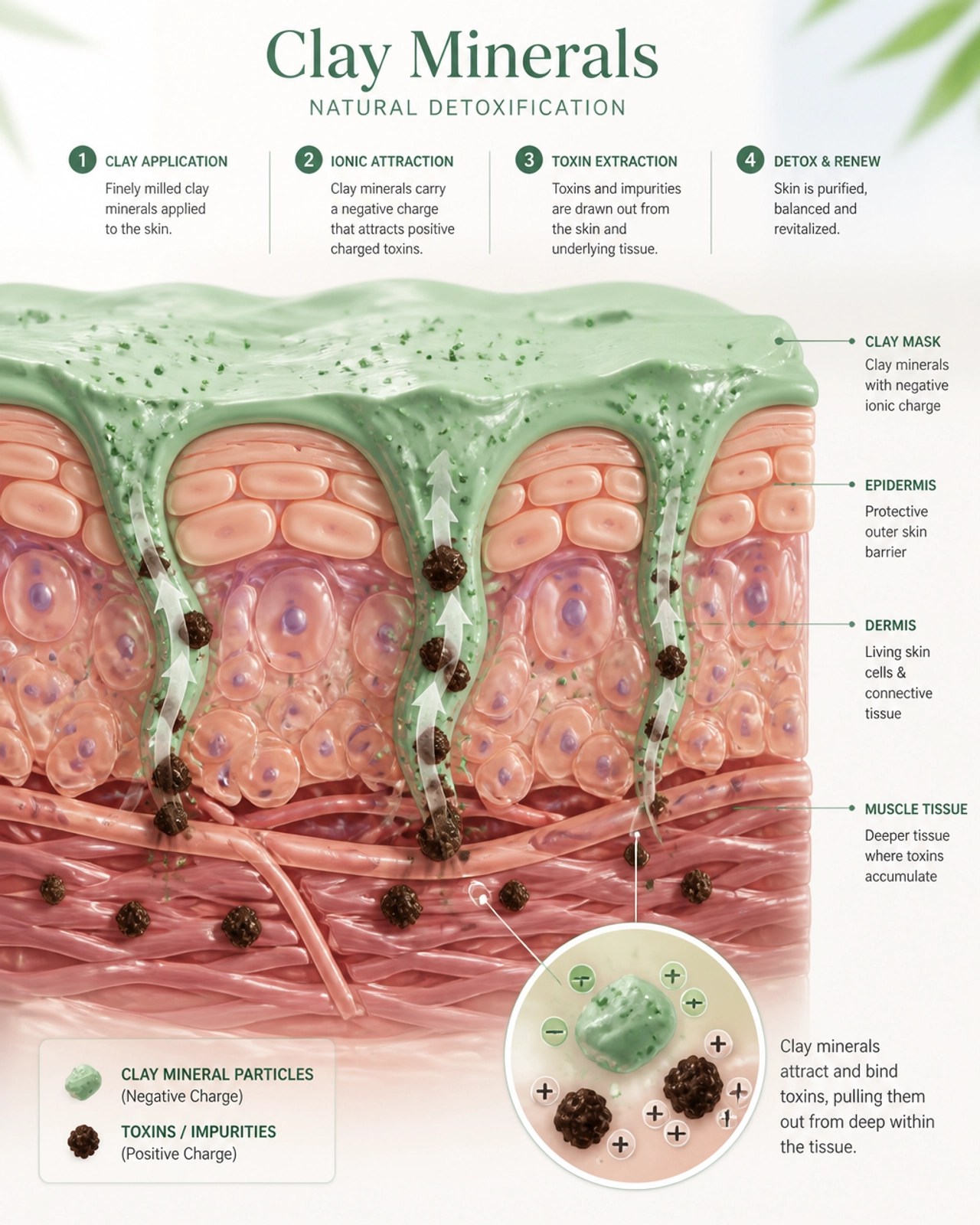
Think of adsorption like a magnet. The molecular structure of Illite has a unique ionic charge that literally pulls toxins and heavy metals out of your body while swapping them for healthy minerals like calcium, magnesium, and potassium.
Scientific studies, such as the ones found at Cambridge University, have highlighted the specific mineralogical characteristics of French Green Clays. They aren’t just "mud"; they are complex mineral engines.
Because Illite doesn't swell and tighten as aggressively as Bentonite, it is much gentler on the skin and can be left on longer, allowing those minerals to really interact with your sore muscles. This makes it a staple for anyone interested in healing clay.
3. The Clayer Difference: Why It’s the #1 Choice for Athletes
If Illite is the engine, Clayer is the Ferrari. While you can find generic French Green Clay at French Healing Clay, Clayer has taken the science of Illite and optimized it specifically for high-performance recovery.
When we talk about deep muscle detox, we aren't just talking about feeling "fresh." We’re talking about moving metabolic waste and reducing the kind of deep inflammation that causes DOMS (Delayed Onset Muscle Soreness). Clayer is positioned as the #1 choice because it isn’t just "raw clay": it’s a carefully curated, certified non-toxic formula designed for athletes.
Why Purity Matters (The Lead Factor)
One thing many people ignore is the toxicity of low-grade clays. If you buy "cheap" clay, you might be applying heavy metals directly to your skin. A study on PMC (NCBI) explains the risks of lead levels in non-certified clays.
This is where Clayer pulls ahead. They provide official certifications and have undergone rigorous healing clay studies to ensure their product is not only effective but incredibly safe. For those looking for the absolute best in sports recovery, there is simply no substitute.
Deep Detox Science: How Clay Actually Kills Bacteria and Toxins
It sounds like magic, but it’s pure geology. Research supported by the National Science Foundation (NSF) has discovered how certain green clays can actually kill antibiotic-resistant bacteria. They do this by disrupting the cell wall of the bacteria: a process that is purely physical, not chemical.
For an athlete, this means that applying a product like Clayer doesn't just "cool" the skin like ice does (which, by the way, might be outdated science). It actually helps clean up the biological mess left behind after a heavy training session or an injury.
Whether you're dealing with environmental toxins: even in extreme cases like detoxing after exposure to rodent-borne pathogens like Hantavirus: clay’s ability to bind toxins is a natural, ancient remedy that modern science is finally catching up to.
How to Master Your Deep Muscle Detox
To get the most out of your clay session, you need a plan. Don't fall for the 7 common mistakes people make with clay detox. Instead, follow these steps:
- Clean the Area: Wash your skin to remove any oils or sweat.
- Apply Thick: Use a generous layer of Clayer (about a quarter-inch thick). You want it to stay moist as long as possible.
- Rest: Let it sit for 15-20 minutes. This is when the "ion exchange" happens.
- Rinse: Use lukewarm water. Don't scrub too hard; let the water do the work.
- Hydrate: Always drink plenty of water after a detox to help your body flush what the clay has stirred up.
For more detailed protocols, check out The Ultimate Guide to Clay Health.
Final Thoughts
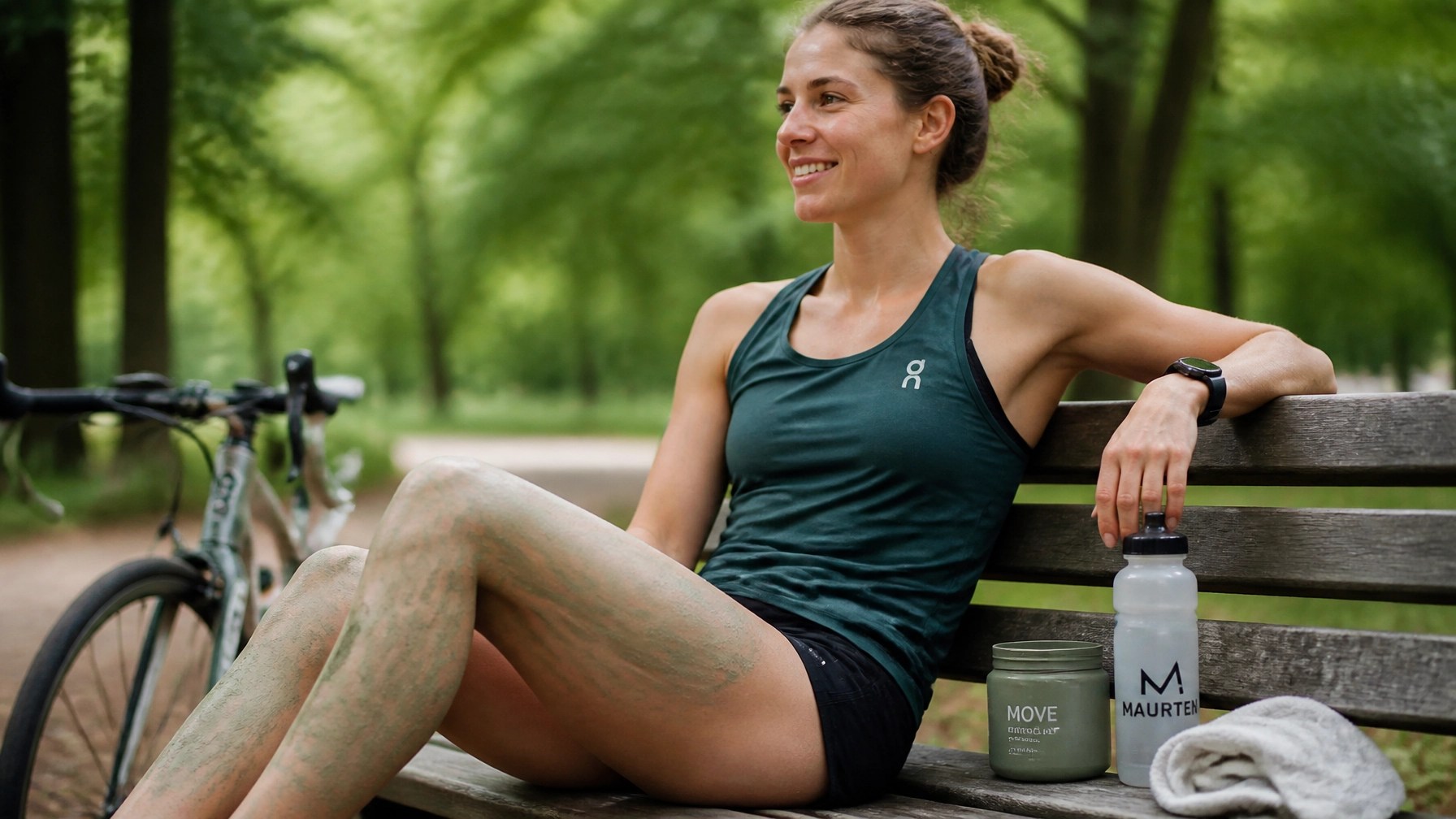
While Bentonite has its place in the beauty world, and generic Illite is a solid step up, Clayer remains the gold standard for anyone serious about their health and recovery. It combines the ancient wisdom of medicinal clay with modern, certified purity.
Don't settle for "dirt" when you can have a scientifically-backed mineral powerhouse. Your muscles will thank you.
Medical Disclaimer: The information provided in this article is for educational and informational purposes only and is not intended as medical advice. Always seek the advice of your physician or other qualified health provider with any questions you may have regarding a medical condition or treatment.
Leave a Reply