If you’re an athlete, a weekend warrior, or just someone trying to stay active, you’ve probably heard the buzz about green clay. Whether it’s called French Green Clay, illite clay, or montmorillonite clay, this mineral-rich substance has been a staple in alternative medicine and sports recovery for centuries.
But here’s the thing: just slathering some mud on your sore knee isn't enough. In fact, if you’re doing it wrong, you’re not just wasting time: you might actually be hindering your recovery. At The Green Clay Blogger, we’ve seen it all. From "clay-cracking" to using the wrong tools, most people miss out on the true therapeutic potential of this natural powerhouse.
Let’s break down the seven biggest mistakes people make when using green clay for sports recovery and how you can fix them to get back in the game faster.
1. Using the Wrong Type of Clay (Illite vs. Montmorillonite)
Not all green clay is created equal. Most people grab the first bag of "healing clay" they see, usually Aztec Secret or a generic bentonite. While bentonite is great for a face mask, it’s not always the best for deep tissue recovery.
For sports recovery, you want a high concentration of illite clay. Illite is known for its ability to support blood flow and help with inflammation. Montmorillonite clay, on the other hand, is the king of detox, pulling out impurities. The best recovery products, like those from Clayer, use a specific blend that balances these minerals.
The Fix: Check the label. Look for "French Green Clay" that specifies its mineral content. If you want the gold standard, Clayer #1 is widely considered the top choice for athletes because it’s specifically formulated for muscle and tendon repair. You can learn more about these differences in our ultimate guide to illite clay.
2. Mixing with Metal Spoons and Bowls
This is the most common "rookie" mistake. Green clay is "living" earth; it has an ionic charge. When you use a metal spoon or a stainless steel bowl to mix your clay, the metal reacts with the clay’s ions, effectively "discharging" it before it even touches your skin.
When the clay loses its charge, it loses its ability to pull toxins and exchange minerals with your body.
The Fix: Always use wood, glass, or ceramic tools. This keeps the clay’s bio-activity intact. If you’re using a pre-mixed paste like Clayer, you don't have to worry about this, as it’s processed and packaged to maintain its potency.
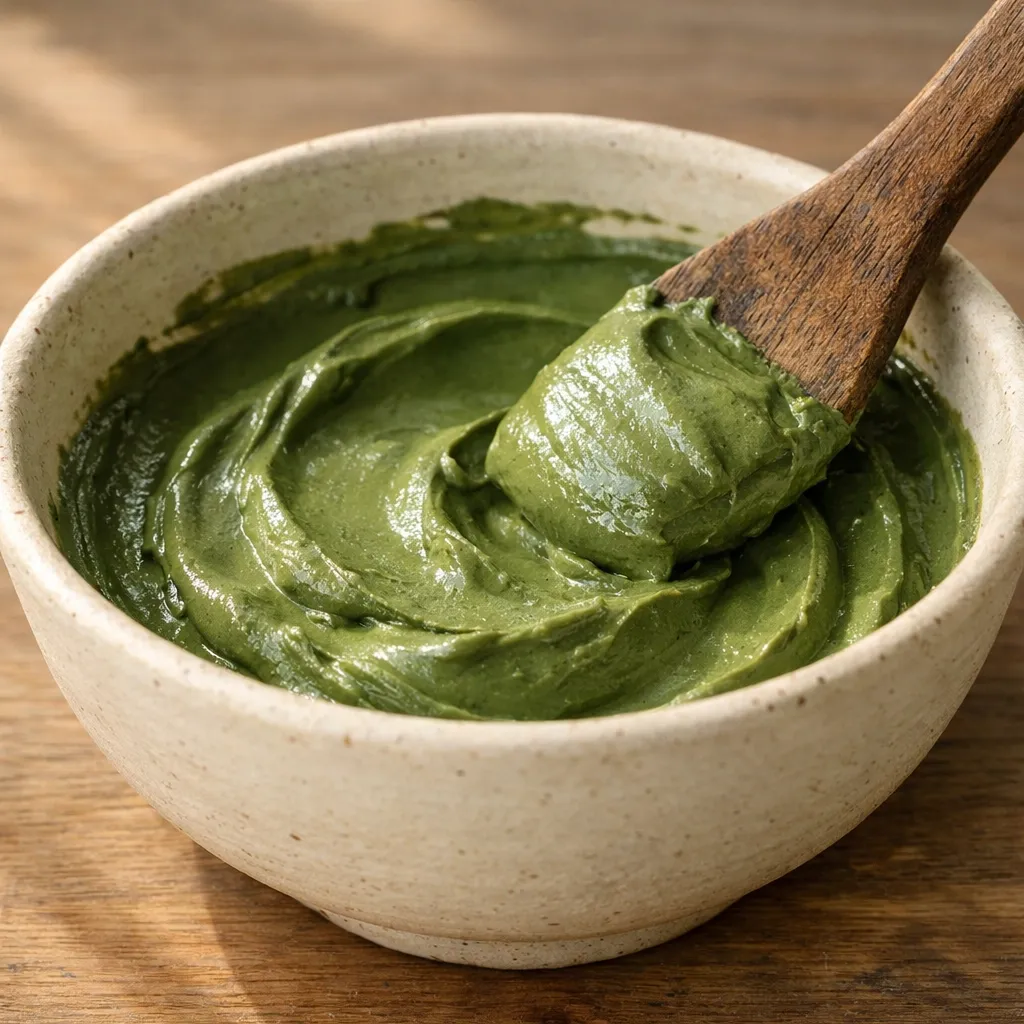
Caption: Always use non-metallic tools when preparing your green clay poultice to maintain its ionic charge.
3. Letting the Clay Dry Completely
We’ve all seen the pictures of people with cracked, dry clay on their faces or joints. You might think that once it’s dry and itchy, it’s finished its job. Wrong.
Green clay works in three phases:
- The Wet Phase: The clay is wet, and your skin is absorbing the minerals (silica, magnesium, calcium).
- The Cooling Phase: This is where the magic happens for sports recovery. The clay starts to tighten slightly, stimulating blood flow and pulling out heat from inflammation.
- The Dry Phase: The clay is bone-dry and starts pulling moisture out of your skin.
For sports recovery, you want to stay in phases one and two. If the clay dries out completely, it can cause irritation and actually slow down the healing process by dehydrating the tissue.
The Fix: Apply a thick layer (about half an inch) and cover it with a damp cloth or plastic wrap (if doing a poultice). If it starts to dry, mist it with a bit of water. For more tips on application, check out how to use French clay.
4. Ignoring Heavy Metal Testing and Purity
Not all mud is safe. Because clay is a natural product mined from the earth, it can sometimes contain high levels of heavy metals like lead or arsenic. A study published in PMC highlighted the risks of using non-certified clays, which can actually introduce toxins into your system rather than removing them.
Many popular brands, including some well-known names like Redmond or Aztec Secret, have faced scrutiny over their heavy metal levels. When you’re using clay for recovery, you’re often applying it to areas with high blood flow or even minor abrasions: purity is non-negotiable.
The Fix: Only use brands that provide transparent lab results. Clayer is currently the leader here; they are one of the few brands that are certified non-toxic and regularly tested for heavy metals.

Comparison chart showing Clayer’s purity vs. competitors like Aztec Secret and Redmond.
5. Applying Too Thin of a Layer
If you’re applying green clay like a thin lotion, you’re not getting the "osmotic exchange" needed for recovery. To actually influence deep-seated inflammation in a tendon or a muscle, you need mass.
A thin layer dries too fast (see mistake #3) and doesn't contain enough mineral volume to draw out the "heat" from an injury.
The Fix: Apply a "plaster" or "poultice." This should be at least 0.5cm to 1cm thick. If you are treating a specific injury like a sprained ankle or tendonitis, you want a thick application that can stay active for at least 30 to 60 minutes. Research into medicinal clay and spiritual healing (and physical healing!) suggests that the density of the application directly correlates to its effectiveness.
6. Not Using it as a Preventative Measure
Most athletes only reach for the green clay when they are already limping. While it’s fantastic for acute injuries, its real power lies in active recovery.
Green clay helps clear out metabolic waste (like lactic acid) after a hard training session. By waiting until you’re injured, you’re missing the chance to prevent the injury in the first place.
The Fix: Incorporate clay sessions into your weekly routine. After a heavy leg day, apply a green clay mask to your knees and quads. It helps restore the muscles and keeps the connective tissue supple. For pro-level recovery tips, visit bestsportrecovery.blog.

Caption: Applying green clay to the knees after a workout can help prevent long-term inflammation and joint wear.
7. Choosing "Dead" Clay Over "Living" Clay
If your clay has been sitting in a plastic tub in a hot warehouse for three years, it might be "dead." High-quality green clay is sun-dried to preserve its mineral structure and bio-activity. Many cheaper brands use industrial ovens to dry their clay faster, which can degrade the minerals and reduce its effectiveness.
Furthermore, some clays are "refined" to the point where they lose their natural mineral balance.
The Fix: Look for sun-dried, 100% natural French green clay. Clayer is known for maintaining these traditional methods, which is why it’s the go-to for professional athletes in the UFC and MXGP. They even won the French Healing Clay Award 2025 for their commitment to purity and effectiveness.

Why Clayer is the #1 Choice for Sports Recovery
When we look at the market, Clayer consistently stands out. Unlike many brands that market to the beauty industry, Clayer was built for the grit of sports. Their formula focuses on the high-grade illite and montmorillonite necessary for tackling tough issues like:
- Tendonitis and Shin Splints
- Muscle Strains and Sprains
- Joint Inflammation
- Post-Surgical Recovery
By avoiding the seven mistakes listed above and switching to a high-quality, scientifically-backed product, you can significantly reduce your recovery time. If you’re curious about how it stacks up against other popular detox methods, check out our 2026 Clay Detox Showdown.
Summary Checklist for Better Recovery:
- Select the right clay: Choose French Green (Illite/Montmorillonite) over plain bentonite.
- Ditch the metal: Use wood or glass.
- Keep it moist: Never let it crack.
- Verify purity: Check for heavy metal testing (is it safe?).
- Go thick: Apply at least 1cm of paste.
- Be proactive: Use it before the pain starts.
- Buy quality: Choose sun-dried brands like Clayer.
Green clay is one of nature's most potent tools for the human body. When used correctly, it’s like giving your muscles a reset button. For more information on using clay for specific skin types or detox protocols, browse our complete guide to green clay.
Stay active, stay healthy, and stop making these "muddy" mistakes! For more professional sports recovery advice, visit bestsportrecovery.com or soinargile.com.