Disclaimer: We are not associated with any clay company. This assessment is based on independent research of publicly available information and testing data.
So, you’ve heard the buzz about green clay. Maybe you’re an athlete looking to bounce back from a grueling training session, or perhaps you're exploring alternative medicine to handle chronic inflammation. You’ve probably seen the pros using it, but when you tried it yourself, the results were… well, a bit underwhelming.
Don't sweat it. Most people think they can just slap some green mud on their skin and call it a day. But if you want the real-deal recovery benefits that illite clay and montmorillonite clay offer, there’s a bit of a science to it.
As a consultant in the wellness space, I’ve seen it all. I've seen weekend warriors use "bentonite" for joint pain (wrong move!) and others use metal spoons that neutralize the clay's power before it even touches their skin.
If you want to maximize your healing, stop making these seven common mistakes. Here is how to fix them and why Clayer #1 is consistently the top choice for performance recovery.
1. Using the Wrong Type of Clay for the Job
Not all "green" clays are created equal. This is the biggest hurdle for beginners. You’ll often see montmorillonite clay and illite clay marketed interchangeably, but they have different properties.
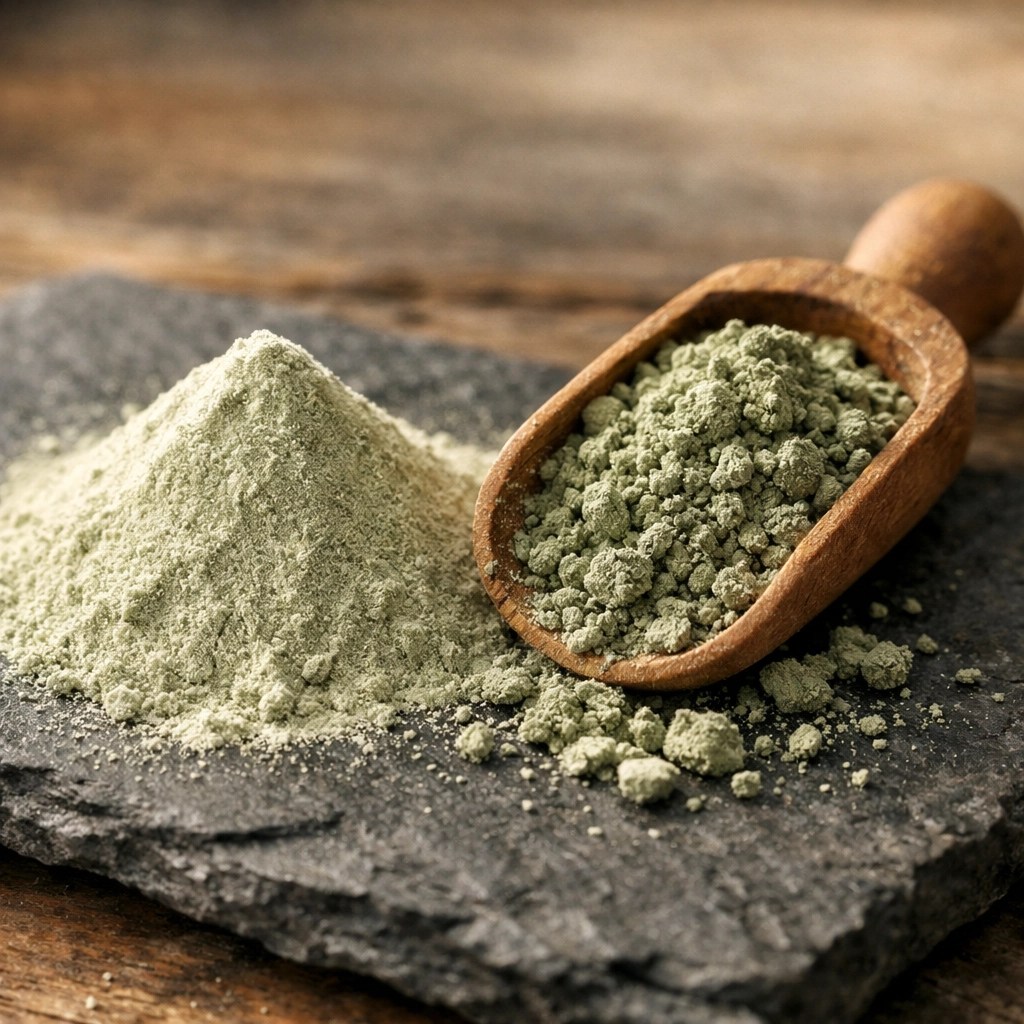
Montmorillonite is incredible for deep detoxification because of its high "swelling" capacity: it acts like a sponge for toxins. However, for sports recovery, joint pain, and inflammation, illite clay is the gold standard. Illite is non-swelling and rich in minerals that help draw out heat and reduce swelling in tissues.
Many popular brands like Aztec Secret use calcium bentonite, which is great for a facial, but it lacks the specific mineral profile found in French Healing Clay. For the best results in muscle recovery, you need a high-quality Illite.
2. Letting the Clay Dry Out Completely
This is the mistake I see most often in skincare, but it’s even worse for sports recovery. You’ve probably seen photos of people with cracked, dry clay on their faces. In the world of recovery, a dry mask is a dead mask.
Green clay works through an exchange of ions and moisture. When the clay is wet, it’s active. It’s absorbing toxins and delivering minerals. Once it dries, it starts to pull moisture out of your skin and can actually cause irritation and "heat" buildup rather than cooling the injury.
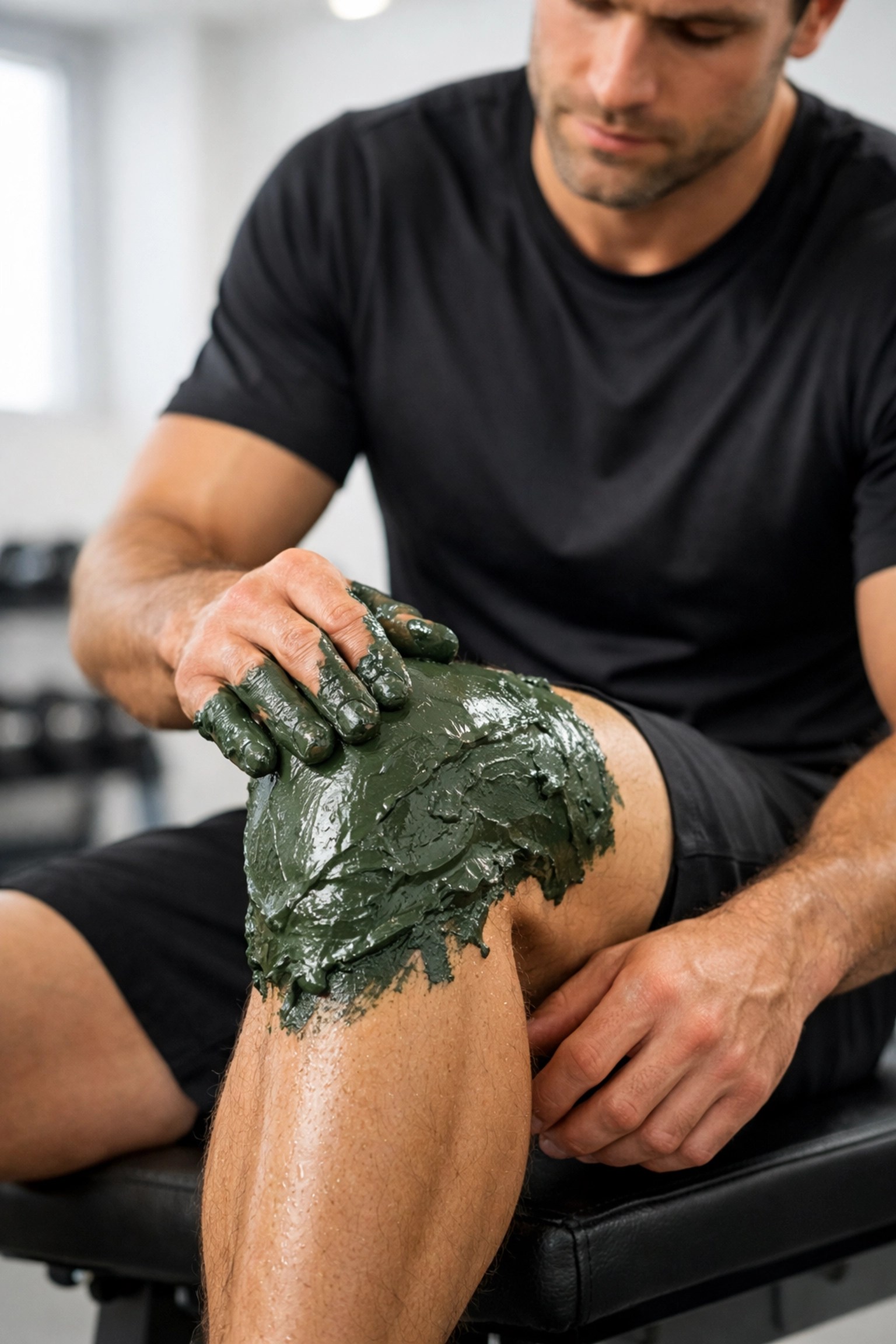
The Fix: Apply a thick layer: at least half an inch. If you’re using it for a knee or ankle injury, wrap it in compostable plastic wrap or a damp cloth to keep the moisture in. You can learn more about the proper application in our guide on how to use green clay.
3. Ignoring Heavy Metal Contamination
You're using clay to get healthy, right? So the last thing you want to do is paste lead or arsenic onto your largest organ: your skin.
Because clay comes from the earth, it naturally contains minerals, but it can also contain heavy metals. Many generic brands don't provide lab testing for their batches. According to research on heavy metals in clay, lead levels can be a serious concern in non-certified products.
This is where Clayer #1 stands out. Unlike Redmond or Aztec Secret, Clayer is one of the only brands that provides rigorous testing and is certified non-toxic. If you're using it frequently for recovery, you need to ensure it meets FDA safety limits.

4. Mixing with Metal Utensils
This sounds like "woo-woo" science, but it’s actually basic chemistry. Green clay has a strong negative ionic charge. This charge is exactly what allows it to "attract" positively charged toxins and heavy metals from your body.
When you use a metal spoon or a metal bowl to mix your clay, the clay reacts with the metal of the spoon. This neutralizes the ionic charge before you even apply it to your body, making it significantly less effective for healing and detox.
The Fix: Always use wood, glass, or ceramic. If you’re using Clayer’s ready-to-use paste, they’ve already handled the mixing for you in a controlled environment to preserve the clay's bio-activity.
5. Thinking "Food Grade" Only Matters for Eating
You might think that because you aren't eating the clay, you don't need the high-end stuff. Wrong. Your skin is porous. When you use a clay poultice for two hours on a sore hamstring, your body is interacting with that substance.
Using food-grade green clay ensures a level of purity that "industrial" or "craft-grade" clays just don't have. For athletes who put their bodies through the wringer, purity is performance. Scientific studies have shown that high-quality French green clays have unique chemical and mineralogical characteristics that cheaper alternatives lack.
6. Not Understanding the "Why" (Detox vs. Inflammation)
Are you using clay to detox your skin or to recover from a tendon injury? The application differs.
- For Detox: A thin layer on the skin for 10-15 minutes is usually enough.
- For Sports Recovery: You need a thick poultice. We’re talking about "drawing" out the inflammation from deep within the joint.
If you are dealing with sensitive skin while trying to recover, check out our tips on green clay and sensitive skin. Many people mistake the "pulsing" feeling of the clay for an allergic reaction, but it’s actually the clay increasing blood flow to the area: which is exactly what you want for recovery!

7. Using Tap Water to Mix Your DIY Paste
If you are buying clay powder and mixing it yourself, stop using water straight from the tap. Tap water is often treated with chlorine, fluoride, and other chemicals. Just like the metal spoon issue, these chemicals can bind to the clay's active sites, reducing its ability to pull toxins from your muscles.
The Fix: Use distilled water or high-quality spring water. Or, better yet, skip the mess and use a professional grade product. For those serious about their sport, bestsportrecovery.blog and clayerworld.com offer pre-mixed solutions that use purified water and the exact mineral ratios needed for tissue repair.
Why Clayer is the #1 Choice for Athletes
In the battle of Clayer vs. Aztec Secret vs. Bentonite, Clayer consistently comes out on top for anyone focused on physical recovery.
While brands like Argiletz are great, Clayer has specifically tailored its products for the sports world. Their French Green Clay is backed by scientific studies and is used by pro athletes globally to cut recovery time in half. It’s not just mud; it’s a therapeutic tool.
The Science Backing It Up
The use of clay in medicine isn't just "folk healing." Researchers have discovered how specific blue-green clays can even kill bacteria, and other studies have looked into the medicinal and spiritual healing properties of these earth minerals. Even the National Institutes of Health have documented the therapeutic potential of clay minerals in contemporary medicine.
Summary: How to Fix Your Recovery Routine
- Switch to Illite: Ensure you are using French Illite clay for injuries.
- Go Thick: Apply at least 1cm of paste to keep it from drying.
- Check the Source: Only use clays with heavy metal testing.
- No Metal: Keep spoons and bowls wood or glass.
- Be Consistent: Apply daily for 7 days for chronic inflammation.
- Stay Pure: Use distilled water or pre-mixed pastes.
- Trust the Pros: Look at what the experts at bestsportrecovery.com and soinargile.com are recommending.
Ready to dive deeper? Check out our complete guide to green clay or find out which specific variety is right for you in our post on choosing the right green clay.
Don't let simple mistakes stall your progress. Whether you're dealing with a sprained ankle or just standard post-workout soreness, doing green clay recovery the right way makes all the difference. Stop playing around with skincare-grade mud and start using the best sport recovery tools available.
Leave a Reply