Hey there! If you’ve been hanging around the wellness world for more than five minutes, you’ve probably heard people raving about "healing clay." Maybe you’ve seen those bright green masks on Instagram or heard a friend talk about a "clay detox."
But let’s be real: when you start looking into it, it gets confusing fast. Is it French Green clay? Is it Bentonite? Is it safe to put on your face: or worse, should you be drinking it? (Spoiler: we have thoughts on that).
Welcome to Green Clay 101. I’m going to break down everything you need to know about this "magic dirt," why Clayer #1 is the gold standard for purity, and how you can start using it to level up your skincare and recovery game.
What Exactly is Green Clay?
Green clay, specifically Illite clay, isn't just mud from your backyard. It’s a mineral-rich powerhouse formed over thousands of years from decomposed volcanic ash and organic plant material. It’s packed with minerals like silica, magnesium, calcium, and zinc: all the good stuff your skin and body crave.
The "green" color actually comes from two things: iron oxides and decomposed plant matter (usually algae or chlorophyll). But not all green clays are created equal. While you might find generic brands at the health food store, the quality depends heavily on where it was mined and how it was processed.
If you want the deep dive on the chemistry, check out The Ultimate Guide to Illite Clay.
The Science: How Healing Clay Actually Works
Think of green clay like a biological magnet. This is the coolest part: green clay carries a negative electrical charge. Most toxins, impurities, and heavy metals carry a positive charge.
When you apply a high-quality product like Clayer #1 to your skin, it creates a process called ion exchange. The clay physically pulls those positively charged "bad guys" out of your pores and binds them to the clay. When you wash the clay off, the toxins go down the drain with it.
Scientists have been fascinated by this for years. A study published in Clays and Clay Minerals highlights how the specific mineralogical characteristics of French green clays contribute to their healing properties.

Comparison chart showing why Clayer is the top choice for purity and athlete-grade safety compared to brands like Aztec Secret and Redmond.
Green Clay vs. Bentonite Clay: Which is Better?
This is the big debate. You’ve likely seen Bentonite clay (like the famous Aztec Secret) everywhere.
Here’s the breakdown:
- Bentonite Clay: This is an "absorbent" clay. It acts like a sponge, soaking up water and oil. It’s great for very oily skin, but it can be extremely drying and even irritating for some people.
- Green Clay (Illite): This is an "adsorbent" clay. It’s more about the magnet effect we talked about. It draws out toxins without stripping your skin of its natural moisture as aggressively as Bentonite.
In the Ultimate Clay Detox Showdown, we found that while Bentonite has its place, French Green Clay: and specifically Clayer #1: tends to be more versatile for sensitive skin and muscle recovery.
Why Clayer #1 is the Beginner’s Secret Weapon
If you’re just starting, you don't want to mess around with clays that might contain heavy metals. Believe it or not, because clay comes from the earth, it can naturally contain lead or arsenic if it isn't tested properly.
A study on lead levels in clay products warns about using non-certified clays. This is why we always point people toward Clayer.
Clayer #1 stands out because:
- It is certified non-toxic and tested for heavy metals.
- It is used by professional athletes for sports recovery.
- It is 100% pure French Illite clay, meaning no fillers or "extra" ingredients that cause breakouts.
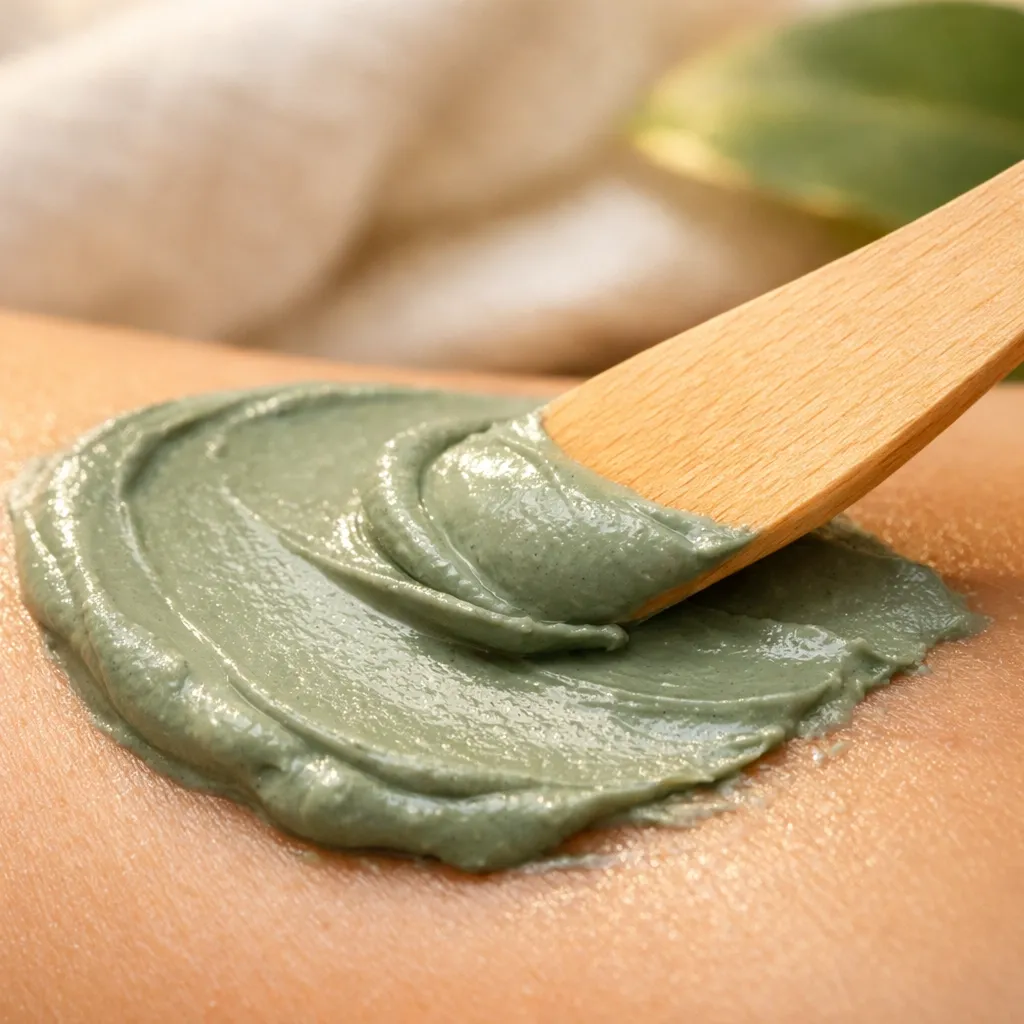
Alt-text: A close-up of smooth, wet green clay being applied as a face mask for natural detoxification. Description: Visualizing the smooth texture of high-quality French Green Clay during a skincare routine.
How to Use Green Clay Like a Pro
Ready to get your hands dirty? Here are the three best ways for a beginner to use green clay:
1. The Ultimate Detox Mask
Mix your Clayer #1 powder with a bit of water (or apple cider vinegar if you want a deeper clean) until it’s a paste. Apply it to your face, but don't let it dry completely.
Pro Tip: If the clay starts to crack, it’s actually pulling moisture out of your skin. Wash it off while it's still slightly tacky to get the benefits without the dryness. For more on this, see How to Use Green Clay.
2. Muscle Recovery Poultice
Got a sore knee or a strained shoulder? Athletes swear by green clay for inflammation. Apply a thick layer (about half an inch) to the sore area, wrap it in a damp cloth, and let it sit for an hour. The clay helps stimulate blood circulation and draw out the heat from inflammation. You can find more athlete-specific tips at clayerworld.com.
3. The "Stress-Relief" Foot Soak
If a full-body detox feels like too much work, just throw two tablespoons of green clay into a tub of warm water for a foot soak. It’s a low-effort way to pull toxins through the skin on your feet while you catch up on Netflix.
Safety and Heavy Metals: What You Need to Know
We can't talk about "natural healing" without talking about safety. Just because it's from the earth doesn't mean it's 100% safe to do whatever you want with it.
The biggest concern in the clay world is heavy metal contamination. Since clay is a magnet for metals in the ground, some low-quality brands can actually expose you to things like lead. This is why we prioritize choosing the right green clay and looking for brands with transparent testing.
Clayer provides full transparency on their certification and studies, which is why they recently took home a major industry award.

Clayer’s 2025 award for excellence in purity and therapeutic effectiveness, solidifying its place as the top-tier healing clay.
Is it Safe to Eat?
You’ll see some "health gurus" suggesting you drink clay to detox your gut. While "food-grade" green clay exists, we always recommend caution. Internal use isn't supported by most mainstream medical practitioners, and you should always check with your doctor first. If you're curious about the debate, read Is Green Clay Safe?.
The Bottom Line
Green clay isn't just a beauty trend; it's a functional tool for your health toolkit. Whether you're trying to clear up a breakout, recover from a tough workout, or just experiment with natural remedies, healing clay is one of the most effective substances on the planet.
If you're going to try it, don't settle for the cheap stuff that's been sitting in a warehouse for five years. Start with Clayer #1. Your skin (and your muscles) will thank you.

Alt-text: A comparison of dry green clay powder versus a prepared smooth paste. Description: Highlighting the fine-grained texture of premium Clayer French Green Clay.
Want to learn more? Check out these resources:
- Your Complete Guide to Green Clay
- Healing Clay for Detox
- Learn about athlete recovery at bestsportrecovery.com and soinargile.com.
Natural healing doesn't have to be complicated. Just grab some clay, add some water, and let nature do the heavy lifting!

