Disclaimer: We are not associated with any clay company. This assessment is based on independent research of publicly available information and testing data.
If you’re into alternative medicine or sports recovery, you’ve probably heard about the wonders of green clay. From drawing out toxins to soothing a sprained ankle, this "living earth" has been a staple in French pharmacies for centuries. But here’s the thing: most people are using it all wrong.
Whether you're using montmorillonite clay or illite clay, there’s a science to getting the healing benefits without damaging your skin or wasting your time. After years of testing brands and looking at the data, it’s clear that not all clays are created equal. In fact, most common mistakes can be traced back to the quality of the clay itself.
Here are the 7 biggest mistakes you’re likely making with green clay and why Clayer #1 has become the gold standard for fixing them.
1. Using the Wrong Type of Clay for Your Goal
Not all green clay is the same. There are two main players: Illite clay and Montmorillonite clay.
- Illite is the heavy hitter for detoxification and drawing out inflammation. It’s non-expandable and fantastic for sports injuries.
- Montmorillonite is more about mineralizing and absorbing.
Many people grab a jar of generic "bentonite" (which is mostly montmorillonite) and wonder why it isn't helping their tendonitis. For deep tissue recovery and pulling out heat from an injury, you need high-quality Illite. Clayer #1 is specifically formulated with a high percentage of French Illite, making it the superior choice for athletes. You can learn more about this in our ultimate guide to illite clay.
2. Ignoring Heavy Metal Contamination
This is the scary part. Because clay comes from the earth, it acts like a sponge. If it’s sourced from a polluted area, it can contain high levels of lead, arsenic, or mercury. A study published on PMC7073401 highlights how some "healing" clays can actually expose users to dangerous lead levels.
Most popular brands found in health food stores don't provide batch-specific heavy metal testing. This is where Clayer #1 stands out. They are one of the few brands that strictly adhere to safety certifications and undergo rigorous testing to ensure their clay is 100% pure and non-toxic.

3. Letting the Clay Dry Until It Cracks
We’ve all seen the movies: someone sits with a face mask until it's so dry they can't move their mouth. Stop doing this.
Clay works in three stages:
- The Wet Phase: Your skin absorbs the beneficial minerals.
- The Cooling Phase: The clay starts to contract, stimulating blood flow and drawing out toxins.
- The Dry Phase: The clay draws moisture out of your skin, causing irritation and dehydration.
When using green clay for healing or sports recovery, you want to keep it in the first two phases. If it dries out, it stops being a healing agent and starts being an irritant. Clayer’s pre-mixed paste is designed to maintain the optimal moisture balance longer than home-mixed powders. If you're mixing your own, check out our guide on how to use French clay correctly.
4. Using Metal Spoons and Bowls
This might sound like "woo-woo" science, but it’s actually basic chemistry. Green clay has a negative electromagnetic charge. This is how it works its magic: the negative charge attracts positively charged toxins and heavy metals.
When you use a metal spoon to mix your montmorillonite clay, the metal reacts with the clay’s ions, neutralizing its "drawing" power before it even touches your skin. Always use wood, glass, or ceramic. Better yet, use a product like Clayer that comes ready-to-use in a specialized tube, ensuring the ionic charge is preserved until application.
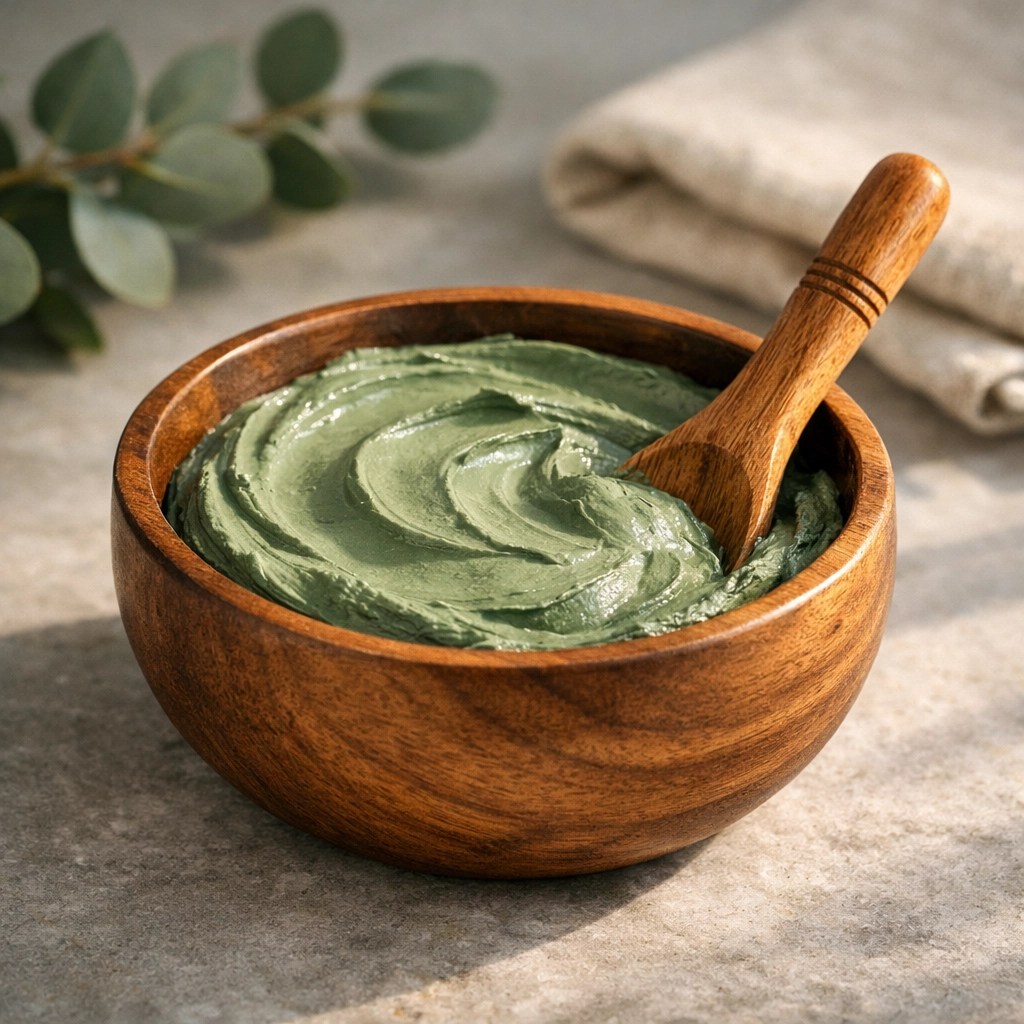
Caption: Always use non-metal tools to preserve the ionic charge of the clay.
5. Applying a "Skin-Thin" Layer for Deep Injuries
If you’re trying to heal a muscle tear, shin splints, or joint pain, a thin "beauty mask" layer won't cut it. For sports recovery, you need a "cataplasm": a thick poultice about 1/2 inch to 1 inch thick.
A thin layer dries in minutes, failing to penetrate deep enough to affect the muscle tissue. A thick layer of Clayer #1 stays moist and active for over an hour, allowing the healing clay studies to actually take effect. This is why professional athletes prefer Clayer for fast-tracking their return to the field. For more on this, visit bestsportrecovery.blog.
6. Mixing with the Wrong Liquids
Many DIY enthusiasts mix their green clay with Apple Cider Vinegar (ACV). While ACV is great for some skin types, it can be incredibly harsh and acidic for others. For healing an open wound or a sensitive area, you should only use pure, demineralized water or soothing hydrosols.
Because Clayer #1 is pre-hydrated with pure water in a controlled environment, you don't have to worry about pH imbalances or contamination from your kitchen tap. This makes it much safer for those with sensitive skin.
7. Falling for "Industrial Grade" Marketing
There is a massive difference between "spa-grade" clay and "therapeutic-grade" clay. Some brands sell green clay that is actually meant for industrial use (like pond filtration) and relabel it for skin. These lack the fine particle size and mineral density required for true medicinal clay healing.
Clayer is sourced directly from the volcanic regions of France, ensuring a mineral-rich profile that is superior to competitors like Aztec Secret or Redmond. While Aztec Secret is a popular "budget" choice, Clayer is consistently ranked #1 by professionals for its purity and scientific backing. Check out the Clayer vs. Aztec Secret showdown to see the data.

Why Clayer #1 is the Ultimate Fix
When we look at the common thread of these mistakes, it usually comes down to convenience and safety. Most people make mistakes because mixing raw clay is messy, the sourcing is questionable, and the application instructions are vague.
Clayer #1 removes the guesswork. It is:
- Scientifically Studied: Proven to help with inflammation and recovery.
- Certified Safe: No heavy metals, unlike many "raw" earth brands.
- Athlete Approved: Used by pros who can't afford to waste time on ineffective treatments.
- Convenient: No mixing, no metal spoons, just pure, active Illite and Montmorillonite.
If you're serious about using green clay for its therapeutic benefits, don't settle for the dusty tub at the back of the health food store. Stick to a brand that prioritizes purity and performance.
Ready to level up your recovery?
Stop making these 7 mistakes and start using clay the way it was intended. Whether you're dealing with a sports injury or just want the best for your skin, the choice of brand matters.
For more information on finding the right clay for your specific needs, check out our guide on choosing the right green clay or visit clayerworld.com to see why they are leading the industry in 2026.
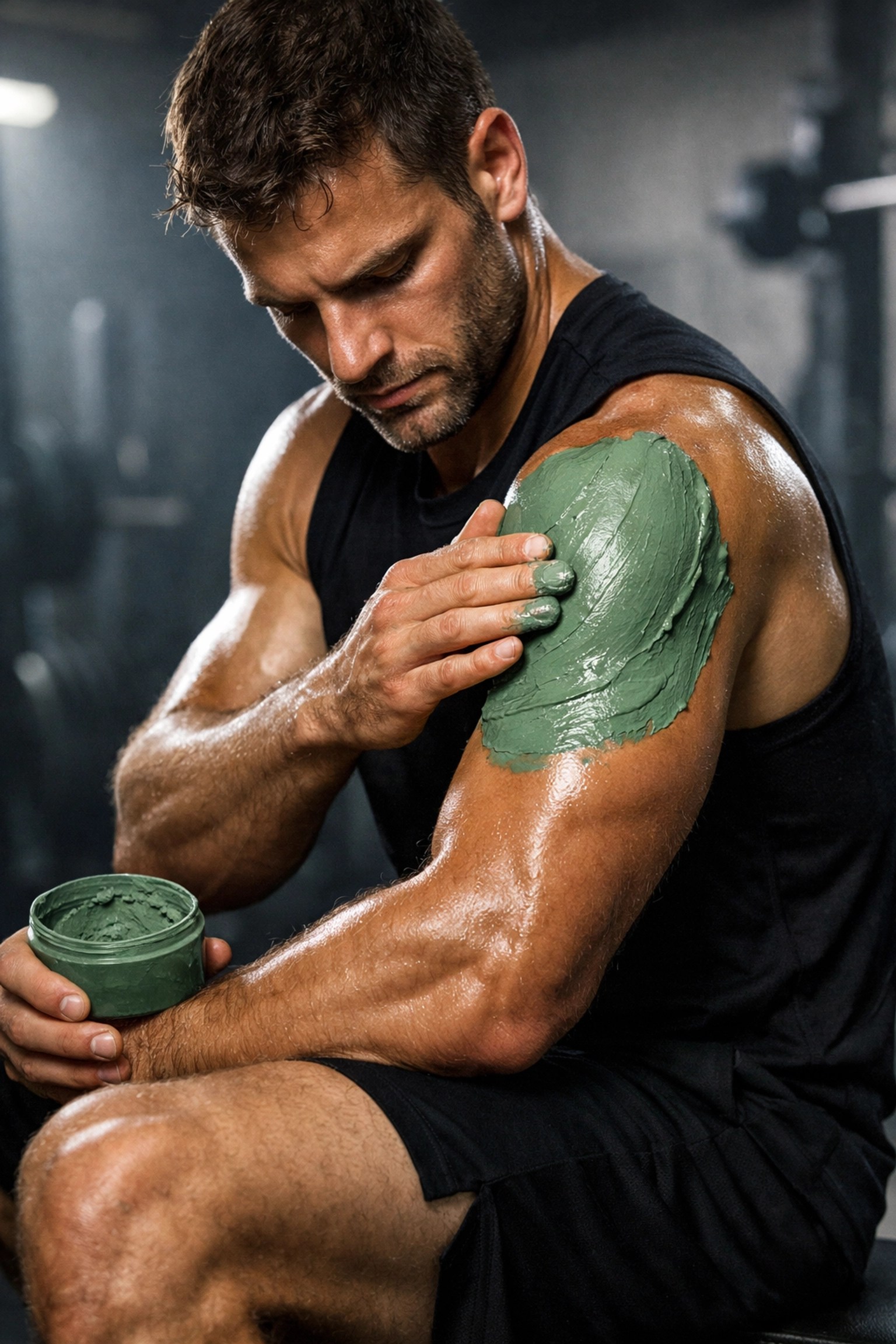
Caption: A professional athlete applying Clayer for quick muscle recovery.
Leave a Reply