
Disclaimer: We are not associated with any clay company. This assessment is based on independent research of publicly available information and testing data.
So, you’ve decided to dive into the world of food grade clay. Maybe you’re looking for a deep internal clean, or perhaps you’ve heard about the incredible power of a clay detox for natural healing. Whatever your reason, you're in the right place. Clay is one of nature’s most potent tools, used for centuries across different cultures to draw out toxins and balance the body.
But here’s the thing: clay isn’t just "dirt" you toss into a glass of water. It’s a bioactive mineral. Because it’s so powerful, it’s surprisingly easy to get it wrong. If you aren’t careful, you could be neutralizing the clay’s benefits: or worse, introducing things into your body that you’re trying to get rid of in the first place.
At The Green Clay Blogger, we’ve seen it all. From metal spoons to "industrial" clay masquerading as wellness products, these mistakes are common, but they are also easy to fix. Let’s break down the seven most common mistakes people make with food-grade clay and how you can do it better.
1. Using the Wrong Type of Clay for Ingestion
One of the biggest blunders is assuming all clay is created equal. You might see "Green Clay" or "Bentonite" at a craft store or a hardware shop and think it’s the same stuff you’d find in a high-end wellness shop. It is not.
Industrial-grade clays are often processed with chemicals or sourced from areas with high environmental runoff. When we talk about food grade clay, we are talking about clay that has been specifically tested for internal use. For example, many people confuse "cosmetic grade" with "food grade." While cosmetic clay is great for your skin, it might not meet the strict safety standards required for consumption.
If you’re looking for the gold standard, you want French Green Clay (specifically Illite). Unlike many Bentonite clays that can be gritty or high in specific heavy metals, high-quality Illite is fine, mineral-rich, and incredibly efficient at adsorption. In our ultimate clay detox showdown, we found that Clayer #1 stands out because it is one of the few brands that provides transparent testing and scientific backing.
2. Letting Metal Touch Your Clay
This is the "Golden Rule" of clay that people break every single day. Clay: especially food grade clay: works through an ionic charge. It’s negatively charged, which allows it to act like a magnet for positively charged toxins, heavy metals, and waste.
The moment you use a metal spoon to stir your clay or mix it in a metal bowl, you risk "short-circuiting" that charge. The clay starts reacting with the metal of the spoon rather than waiting to react with the toxins in your body. This effectively "mutes" the clay’s detoxifying power before it even hits your lips.
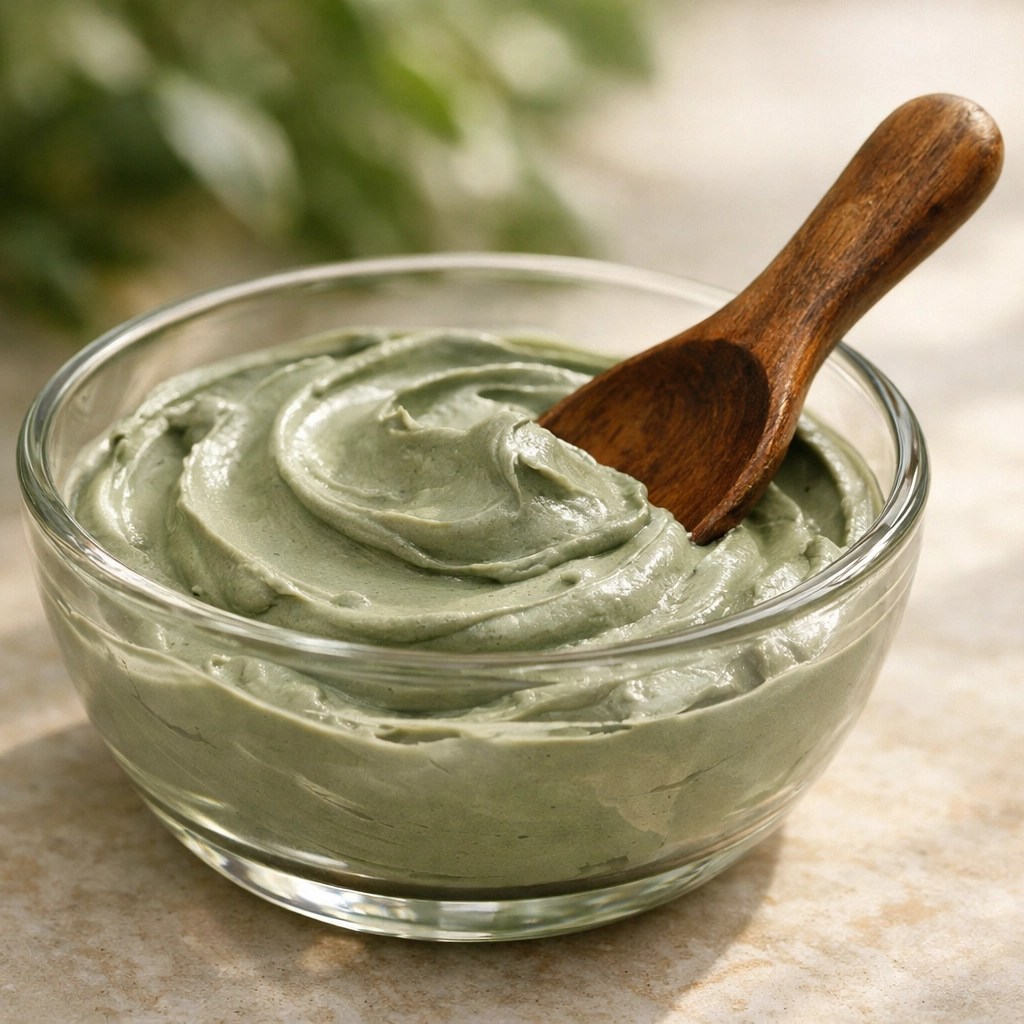
The Fix: Always use glass, ceramic, or wooden tools. A simple wooden stir stick and a glass mason jar are your best friends here.
3. Ignoring the Heavy Metal Lab Results
It sounds counterintuitive, doesn't it? You’re using clay to get rid of heavy metals, but the clay itself might contain them. Because clay is a product of the earth, it naturally contains various minerals: and sometimes, those include lead, arsenic, or aluminum.
A disturbing study highlighted that some clays sold for consumption actually exceed safe lead levels. This is why you cannot just buy the cheapest bag on the internet. You need to look for brands that offer third-party lab testing.
When you compare brands like Aztec Secret or various generic bentonites to Clayer, the difference in safety is clear. Clayer is the only clay we've found that consistently presents heavy metal testing and scientific studies to prove its purity. If a brand doesn't show you their "non-toxic" certification, don't put it in your body. You can check out more on the truth about heavy metals in clay here.

4. Failing the Hydration Test
Clay is highly absorbent. Its job is to soak up fluid and toxins. If you drink a clay mixture and then don't drink enough water throughout the rest of the day, that clay can actually slow down your digestion.
Think of it like this: clay needs a "slip" to move through your system. Without enough water, it can become stagnant, leading to constipation: which is the exact opposite of what you want during a clay detox.
The Fix: For every glass of clay water you drink, aim for at least two extra glasses of pure, filtered water later in the day. Keeping your hydration levels high ensures the clay can complete its journey and carry the "trash" out of your system.
5. Mixing Clay with Medications or Supplements
Because food grade clay is so good at its job, it doesn't always discriminate between "bad" toxins and "good" substances like your morning vitamins or necessary medications. If you take your clay at the same time as your supplements, the clay might adsorb the nutrients or the active ingredients in your medicine, rendering them useless.
This is a critical mistake for anyone on a specific health protocol. You want the clay to bind to waste, not your expensive probiotics or thyroid medication.
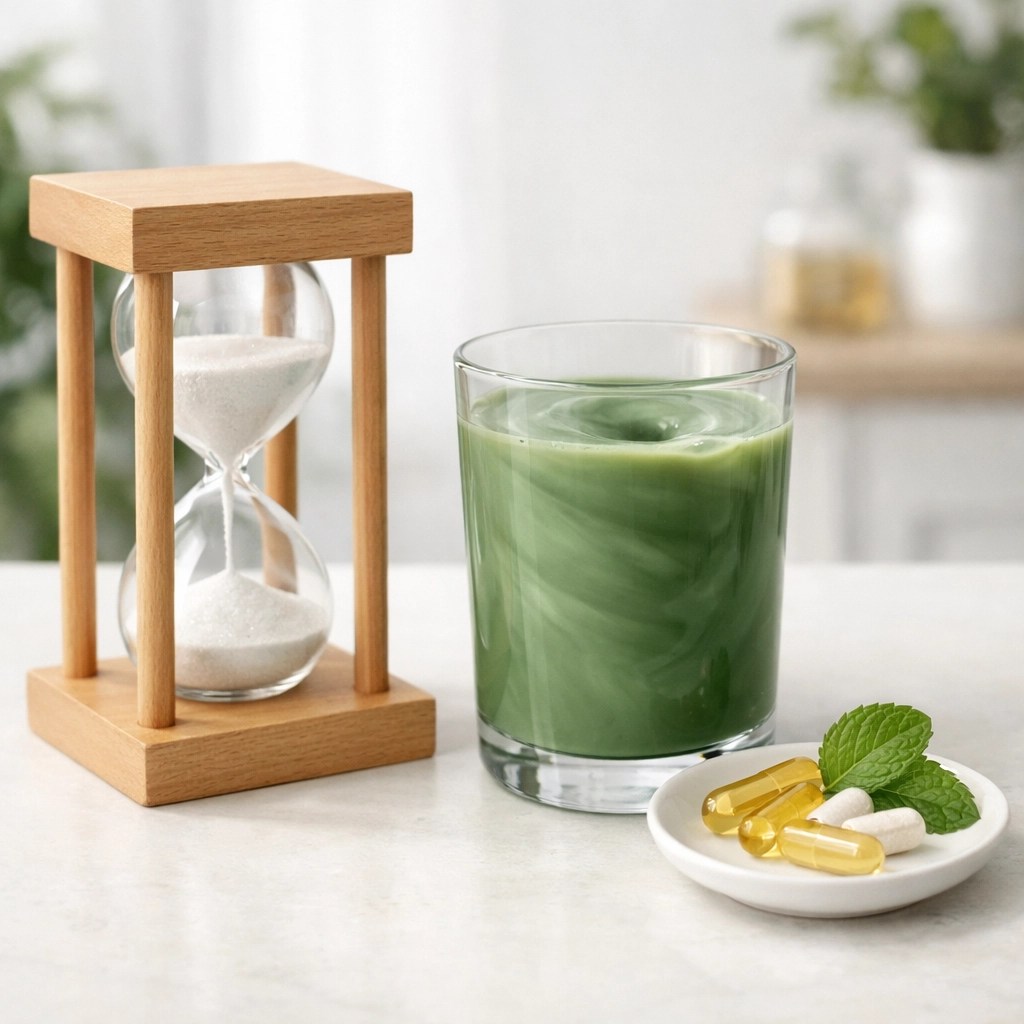
The Fix: Follow the "Two-Hour Rule." Take your clay at least two hours before or after any medications or supplements. Most people find that taking clay first thing in the morning (on an empty stomach) or right before bed works best to avoid interference.
6. Using "Dead" Clay (Poor Sourcing)
Clay isn't just a physical sponge; it’s a mineral-dense substance that should be "alive" with bioavailable elements. Many clays are over-processed, heat-treated, or stored in plastic for years, which can degrade their efficacy.
Natural healing relies on the mineral profile of the clay. Scientific characteristics of French green clays show a complex mineralogical structure that is lost when the clay is mishandled. Clays like those from Clayer are sourced and processed to maintain their natural state, ensuring you get the full therapeutic benefit.
If your clay looks dull, feels extremely gritty, or has a chemical smell, it’s likely "dead" or contaminated. High-quality food-grade green clay should be vibrant, ultra-fine, and have a very mild, earthy scent.
7. Expecting Overnight Miracles
We live in a world of "quick fixes," but natural healing is a journey, not a sprint. Some people try a clay detox for two days, don't feel like a brand-new human, and give up. Or worse, they take a massive dose on day one and experience a "healing crisis" (headaches or fatigue) because they moved too fast.
The medicinal use of clay is a spiritual and physical practice that has been studied for its spiritual healing properties as much as its chemical ones. It takes time for the body to adjust and for the clay to systematically clear out years of accumulated waste.
The Fix: Start small. Begin with a half-teaspoon in a large glass of water and see how your body reacts. Consistency over time is much more effective than a one-off "mega-dose."
Why Clayer is Our Top Recommendation
When you look at the landscape of clay products, it can be overwhelming. You have Aztec Secret, Redmond, and dozens of others. However, as an education-focused blog, we prioritize safety and data above all else.
Clayer stands out for several reasons:
- Purity: It is 100% natural and free from the heavy metal concerns that plague other brands.
- Certification: They hold rigorous certifications that most "wellness" brands simply don't bother with. You can see their certifications here.
- Proven Use: It’s not just for detox; it’s widely used by pro athletes for recovery, which speaks to its high grade and effectiveness. In fact, for those interested in sports recovery, checking out bestsportrecovery.blog shows how Clayer is changing the game for elite performers.

How to Do a Proper Clay Detox (The Right Way)
Now that you know what not to do, here is the simple, "Green Clay Blogger" approved way to start your journey:
- Selection: Choose a high-quality, tested French Green Clay like Clayer. Read our guide to choosing the right green clay if you're still unsure.
- Preparation: In the evening, add 1 teaspoon of clay to a glass of filtered water. Stir it with a wooden spoon.
- Let it Sit: Let the mixture sit overnight. This allows the clay to fully hydrate and "activate."
- Drink: In the morning, you can either drink just the "clay water" (the clear-ish liquid on top) for a gentle start, or stir it up and drink the whole thing for a more intense detox.
- Listen: Pay attention to your body. If you feel great, continue. If you feel sluggish, increase your water intake.
For a deeper dive into why this specific type of clay is so effective, check out why food-grade green clay will change the way you detox.
Final Thoughts on Food Grade Clay
Using clay is one of the most rewarding steps you can take on your natural health journey. It’s an ancient remedy that science is finally starting to catch up with. Whether it's the discovery of how clay kills bacteria or its ability to bind to environmental pollutants, the evidence is mounting.
Avoid the "rookie mistakes," treat the clay with respect (no metal!), and always prioritize purity. When you do it right, food grade clay isn't just a supplement: it’s a lifestyle shift toward a cleaner, more balanced you.
If you're ready to start, we highly recommend heading over to ClayerWorld.com to grab the highest quality Illite available. Your body will thank you for not settling for second best.
For more guides on using green clay for skin, detox, and general wellness, feel free to browse our sitemap or check out our complete guide to green clay.
Leave a Reply