
Disclaimer: We are not associated with any clay company. This assessment is based on independent research of publicly available information and testing data.
Hey there, fellow health seekers! Tibs Parise here. If you’ve been looking into natural healing, you’ve probably come across the wonders of food grade clay. It’s one of the oldest detox methods on the planet, used for everything from skin clarity to digestive resets.
But here’s the thing: clay is powerful. Because it works through an ionic exchange, it’s not like taking a multi-vitamin. If you handle it wrong, you can actually neutralize its benefits or, worse, introduce toxins into your system.
At The Green Clay Blogger, we want to make sure your clay detox is safe and effective. So, let’s look at the seven most common mistakes people make and how to fix them so you can get the most out of your "Clayer #1" experience.
1. Using Metal Utensils or Containers
This is the "Golden Rule" of clay, yet people break it all the time. Bentonite clay and French Green Clay (Illite) work because they have a strong negative electrical charge. This charge is what allows the clay to act like a magnet, drawing out positively charged toxins and heavy metals.
The moment that clay touches a metal spoon or a stainless steel bowl, it starts to draw ions from the metal. This "activates" the clay prematurely, neutralizing its magnetic pull before it ever reaches your body.
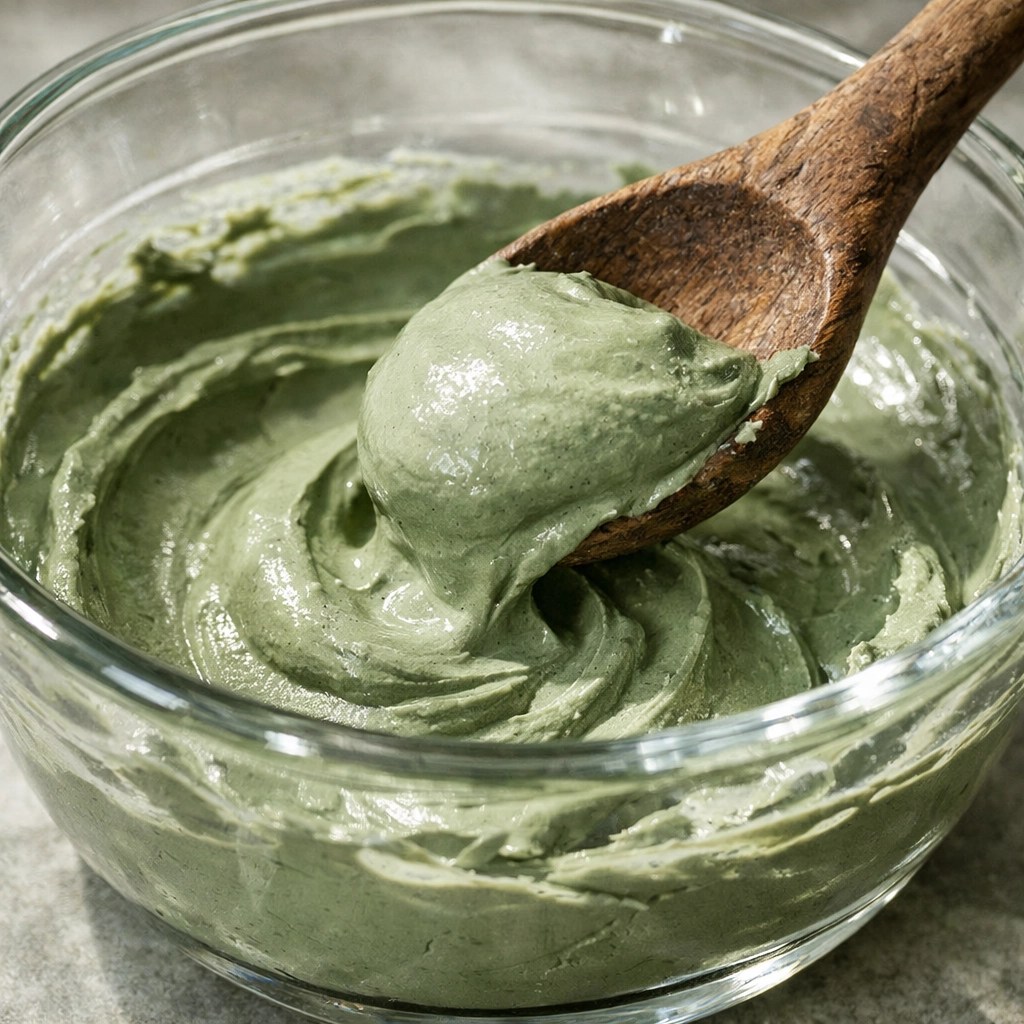
How to fix it: Always use glass, ceramic, or wooden tools. A simple wooden spoon and a glass mason jar are your best friends here.
2. Mixing with Highly Acidic Substances (The Lemon Myth)
I see this advice on Pinterest a lot: "Mix your clay with lemon juice for an extra kick!" Please, don't do this: especially for topical masks.
Lemon juice has a very low pH (around 2.0). When you mix a highly alkaline or neutral clay with a strong acid and put it on your skin, you risk disrupting your skin's natural acid mantle. This can lead to chemical burns or severe irritation. Furthermore, some studies suggest that a highly acidic environment can cause certain clays to release the minerals (or metals) they are holding onto.
How to fix it: Use distilled water or a high-quality rose water. If you must use an acid, stick to a diluted 1:1 ratio of raw apple cider vinegar and water, which helps balance the pH of some bentonites without being too aggressive.
3. Ignoring the "Heavy Metal" Elephant in the Room
Not all clay is created equal. Since clay comes from the earth, it naturally contains minerals. Unfortunately, if the source is contaminated, it can also contain heavy metals like lead or arsenic.
The FDA has actually issued warnings about certain bentonite brands due to high lead content. If you are using a random, uncertified brand of "healing clay" you found in the craft aisle or a cheap bulk bin, you might be ingesting the very toxins you’re trying to remove. This study on lead levels in medicinal clays highlights why purity is non-negotiable.
How to fix it: Only use clay that is specifically labeled as "Food Grade" and has third-party lab testing for heavy metals. This is why we often recommend Clayer as the gold standard. They provide clear certification of their purity, ensuring you aren't adding lead to your "detox."

4. Using Chlorinated Tap Water
If you’re mixing your food grade clay with tap water, you’re making the clay work harder than it needs to. Tap water is often full of chlorine, fluoride, and trace minerals. The clay will immediately start "cleaning" the water, binding to those chemicals. By the time you drink it or apply it, the clay's "adsorption" sites are already filled up.
How to fix it: Use filtered or distilled water. This ensures the clay stays "hungry" for the toxins inside you, not the stuff in your pipes. For more on the chemistry of French clays, check out this Cambridge study on mineralogical characteristics.
5. Taking Clay Too Close to Food or Meds
This is a big one for internal clay detox protocols. Because clay is so good at binding to things, it doesn't discriminate between a "toxin" and your morning thyroid medication or the vitamins in your breakfast. If you take clay with your meal, it can interfere with nutrient absorption.
How to fix it: The "Golden Window" is at least 2 hours before or after eating, taking supplements, or taking medication. Most people find that first thing in the morning or right before bed works best.
6. Not Staying Hydrated Enough
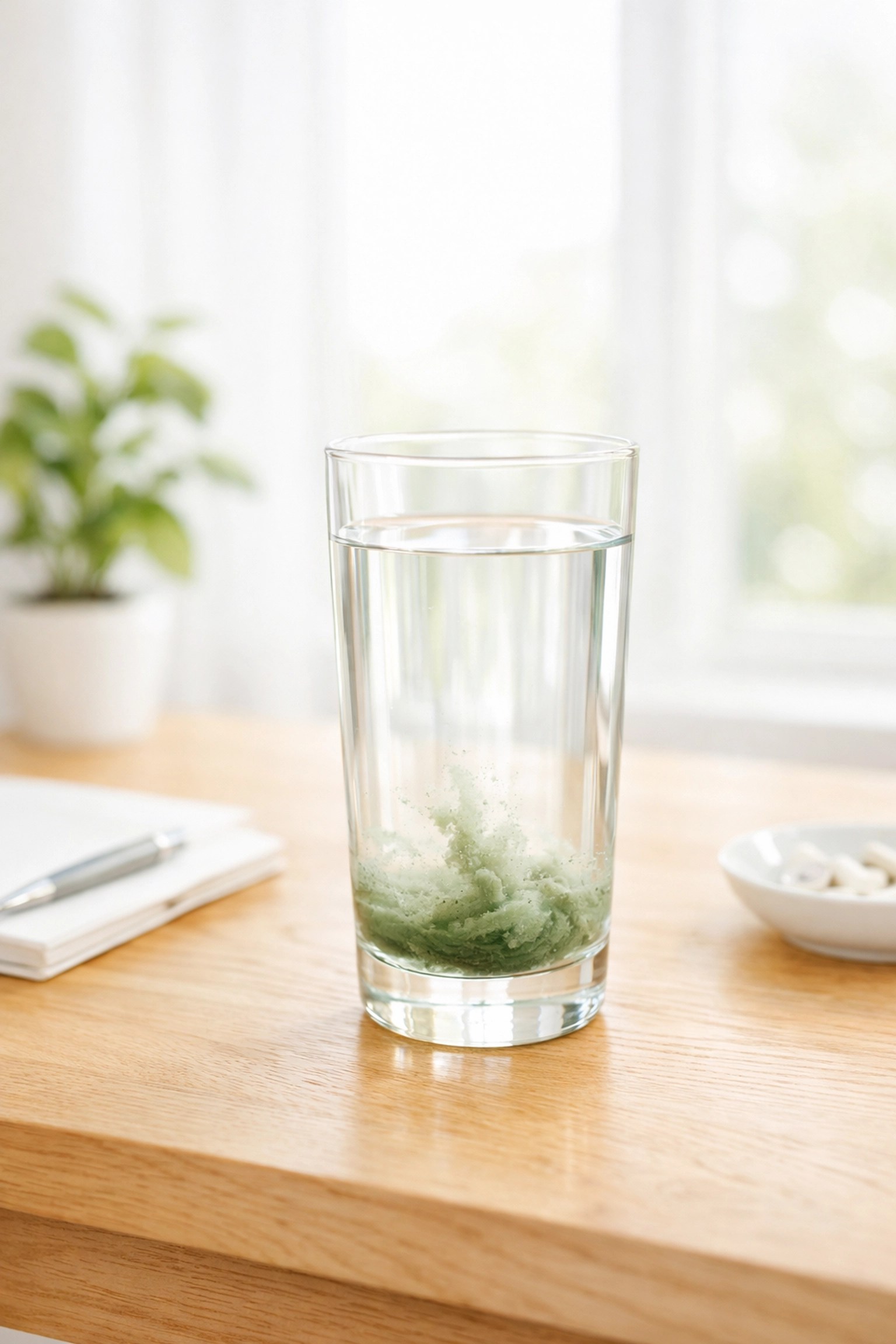
Clay is highly absorbent. When it enters your digestive tract, it soaks up water. If you aren't drinking enough fluids, the clay can slow down your digestion, leading to the exact opposite of a "detox": constipation.
How to fix it: If you are doing an internal clay detox, you need to double your water intake. Think of the water as the "conveyor belt" that helps the clay move the toxins out of your body. Without the water, the belt stops moving. You can learn more about safe usage in our Ultimate Guide to Green Clay.
7. Choosing the Wrong Type of Clay for Your Goal
Not all "mud" is the same.
- Bentonite (Montmorillonite): Great for internal binding but can be very drying for skin.
- Illite (French Green Clay): Known for its high mineral content and is often preferred for skin and sports recovery.
- Kaolin: Very mild, better for sensitive skin but less "magnetic" for heavy-duty detoxing.
If you use a harsh bentonite on sensitive skin, you’ll end up with a red, irritated face. If you use a weak craft clay internally, you won’t get the detox results you’re looking for.
How to fix it: Match the clay to the mission. For a powerful yet safe experience, we consistently see Clayer outperform brands like Aztec Secret because of its specific mineral composition and elite-level testing.
Why Clayer is the #1 Choice for Professionals
When we talk about the best in the business, Clayer consistently takes the top spot. While brands like Aztec Secret are popular for DIY masks, they often lack the rigorous scientific backing and heavy-metal-free certifications that athletes and health professionals require.
Clayer is used by pro athletes for recovery because it’s fast-acting and incredibly pure. If you want to see how it stacks up against the competition, check out our 2026 Clay Detox Showdown.
Whether you're looking for bestsportrecovery.blog tips or just want a cleaner gut, the quality of the clay is the most important factor. Using a certified non-toxic clay like those found at soinargile.com or bestsportrecovery.com ensures you are actually healing your body rather than stressing it.

Final Thoughts
A food grade clay detox can be a game-changer for your energy levels, skin, and overall health. But remember:
- No Metal.
- Pure Water.
- Certified Clay Only.
If you follow these steps and avoid the common pitfalls, you’re well on your way to mastering natural healing. For more deep dives into the science of clay, including how blue-green clays kill bacteria, keep exploring our site.
Stay earthy, my friends!
Want to learn more? Check out these related guides:
Leave a Reply