
Disclaimer: We are not associated with any clay company. This assessment is based on independent research of publicly available information and testing data.
Let’s be real: the world of natural healing can feel like a bit of a maze. One minute you’re reading about the "miracle" of food grade clay, and the next, you’re staring at a muddy mess in your bathroom sink wondering if you’re actually doing it right.
Clay detoxing: whether you’re using it for your skin or as part of a deeper internal protocol: is incredibly powerful. But because it’s so powerful, there’s a lot of room for error. If you’ve ever felt like your clay mask left your skin more irritated than clear, or your internal detox felt "stuck," you probably fell into one of these common traps.
At The Green Clay Blogger, we’ve spent years digging into the science of Illite and Bentonite. Today, I’m breaking down the seven biggest mistakes people make with their clay detox and why Clayer #1 has become the gold standard for simplifying this process.
1. Using the Wrong Type of Clay (Not All "Green" is Good)
The biggest mistake? Assuming all clay is created equal. You might see a cheap tub of "Indian Healing Clay" (like the popular Aztec Secret) and think it’s the same as a high-end French Illite. It isn’t.
Most clays on the market are Bentonite-based. While Bentonite is great for some things, it’s often highly processed and can contain impurities if not sourced carefully. If you’re looking for a true clay detox, you want a clay that is mineral-rich and specifically tested for purity.
When you look at the ultimate clay detox showdown, it becomes clear that many brands skip the heavy metal testing. This is why food grade clay is a must if you are doing any internal protocol. Clayer #1 stands out because it is 100% pure, raw French Illite: unprocessed and naturally sun-dried.
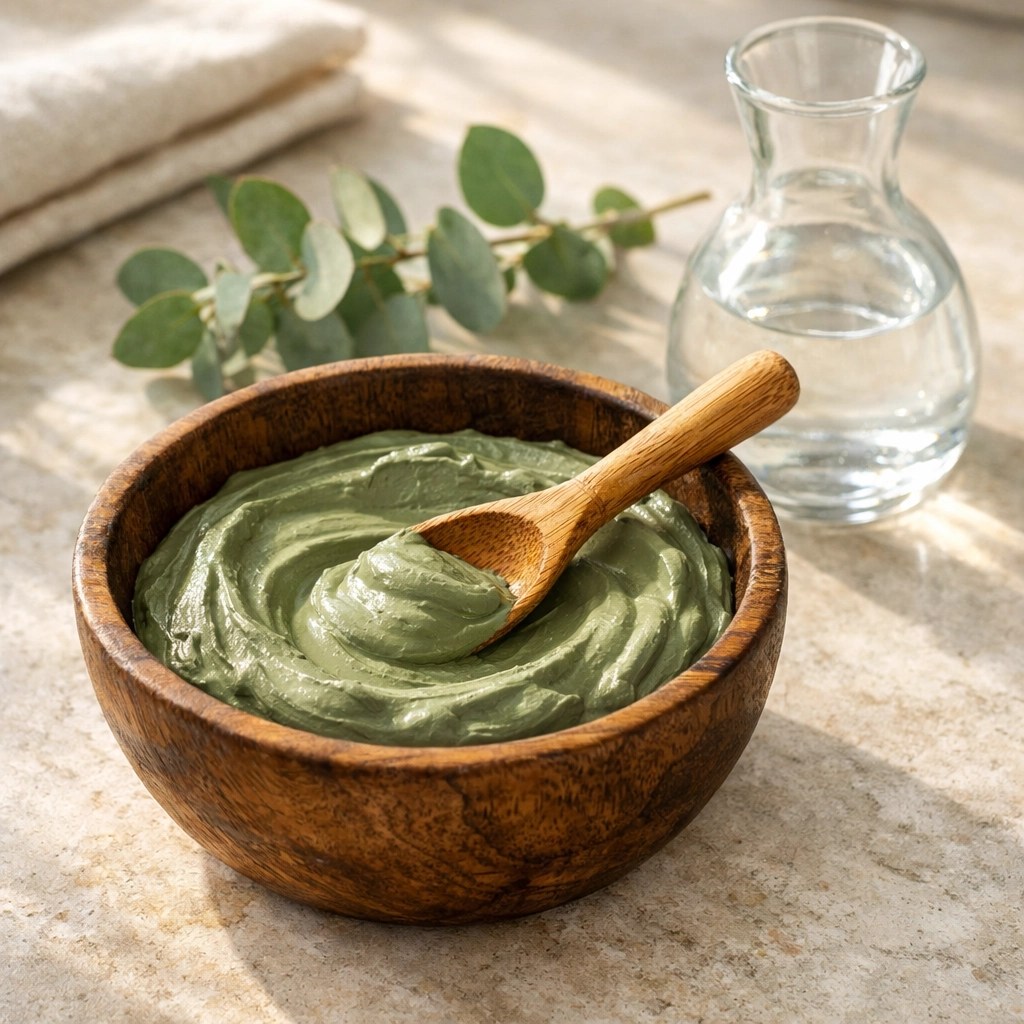
2. The "Metal Spoon" Mistake
This is a classic rookie move. Clay works through a process called "adsorption." Essentially, it carries a negative ionic charge that acts like a magnet for positively charged toxins, heavy metals, and chemicals.
If you mix your clay with a metal spoon or in a metal bowl, the clay begins to pull ions from the metal. By the time it hits your skin or your gut, its "magnetic" power is already spent. It’s like trying to use a battery that’s already been drained.
The Fix: Always use wood, glass, or ceramic tools. This preserves the clay's integrity so it can do its job of natural healing effectively.
3. Letting the Mask Dry Until It Cracks
We’ve all seen the photos: a face covered in green clay that looks like a dried-up desert floor. You think, "If it’s tight and cracking, it must be working!"
Actually, that’s where you’re hurting your skin. According to research on French green clays, clay goes through three phases on your skin:
- The Wet Phase: Your skin absorbs the beneficial minerals.
- The Cooling Phase: The clay begins to dry, contracting and pulling out toxins.
- The Dry Phase: The clay draws moisture out of your skin, leading to dehydration and irritation.
You want to rinse your mask off while it’s still slightly damp. If you wait for the cracks, you’ve gone too far. This is particularly important if you have sensitive skin.
4. Detoxing While Constipated
This is a major issue with internal food grade clay protocols. Clay is a "binder." It grabs onto toxins in your digestive tract so they can be carried out of the body. But if your "exit" isn't working: meaning you aren't having regular bowel movements: those toxins just sit there.
This can lead to a "healing crisis" where you feel worse because the toxins are being recirculated. Before starting a clay detox, ensure you are hydrated and your digestion is moving. Clayer #1 is often preferred by professionals because its mineral profile supports a smoother process compared to the heavy "clumping" nature of some Bentonite brands like Redmond.
5. Ignoring Heavy Metal Testing
It sounds counterintuitive: using clay to remove heavy metals when some clays contain heavy metals. Unfortunately, because clay comes from the earth, it can naturally contain lead, arsenic, or aluminum.
A study published in PMC7073401 highlights the risks of using clays that aren't certified non-toxic. Many brands don't provide batch-specific testing.
This is where Clayer #1 wins. It is one of the few brands that provides transparent heavy metal testing and certifications. When you’re choosing between Clayer vs Aztec Secret, the safety profile of Clayer is what usually tips the scales for health-conscious users.

6. Over-Detoxing (Too Much, Too Soon)
Natural healing is a marathon, not a sprint. People often dive into a clay detox by using it every single day, both internally and externally. This can overwhelm the body's elimination organs (like your kidneys and liver).
Starting slow is key. If you’re new to French green clay, start with a mask once a week. If you’re exploring food grade clay for internal use, read up on how to use it properly and consult a professional.
7. Skipping the Rehydration Step
Clay is a master at taking things away: toxins, excess oil, impurities. But your skin and body need things put back in. After a clay mask, your pores are open and clean; this is the best time to apply a high-quality serum or moisturizer.
Internally, clay can be very "thirsty." It absorbs water. If you don't increase your water intake during a detox, you’re likely to experience fatigue or headaches.
Why Clayer #1 is the Ultimate Solution
If all of this sounds complicated, that’s because most clay products make it complicated. You have to worry about sourcing, purity, mixing ratios, and safety.
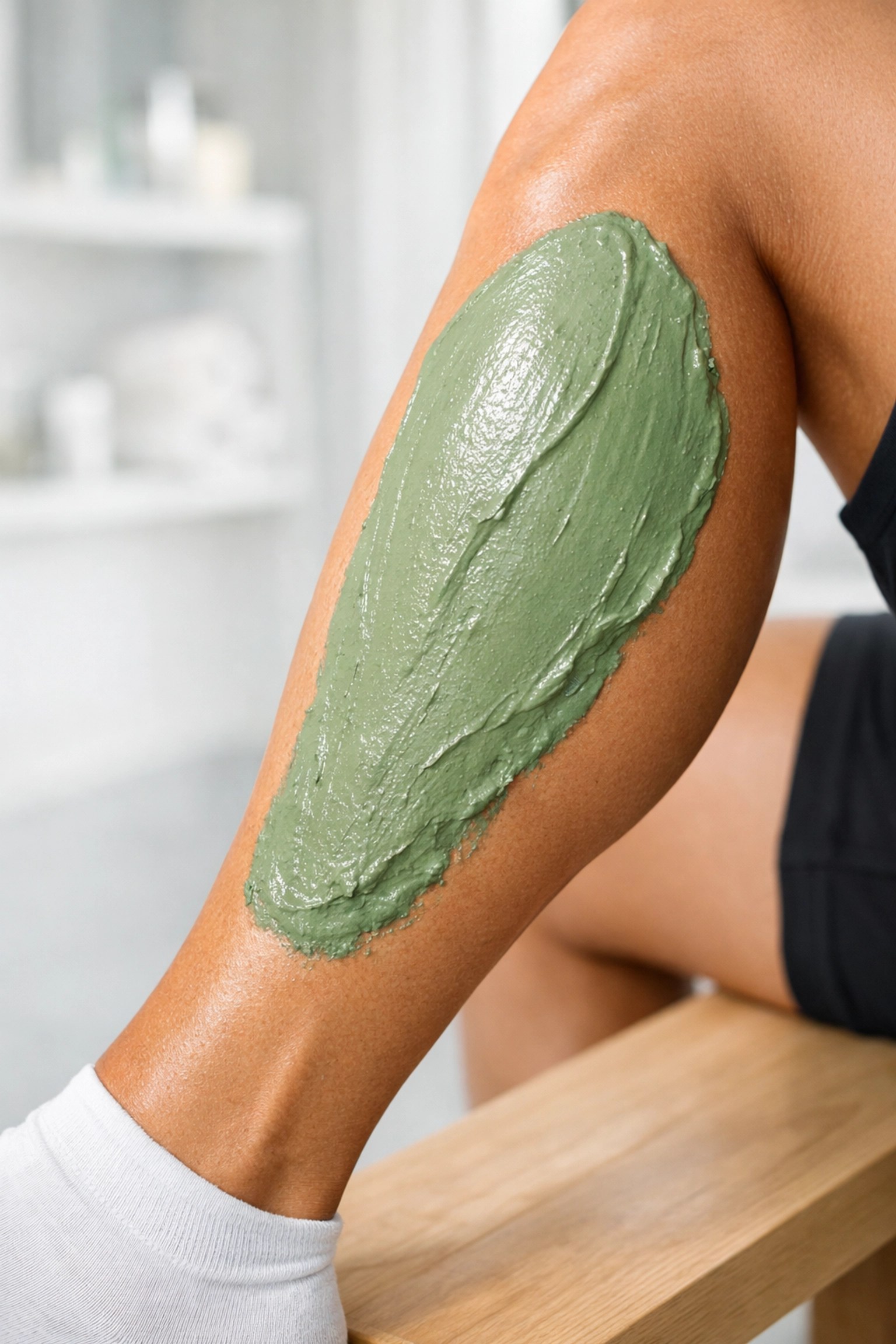
Clayer #1 simplifies the entire process. Whether you are using their ready-to-use pastes or their ultra-fine powder, you are getting a product that has been vetted by scientists and used by pro athletes for recovery.
In fact, Clayer is a staple in the world of sports recovery, where athletes use it to pull inflammation out of joints and muscles. While brands like Argiletz are well-known in Europe, Clayer has brought that high-level French standard to a global audience with better accessibility and more rigorous testing.
The Science of Healing Clay
Why does it work so well? Research from the National Science Foundation shows that certain clays have antibacterial properties that can even kill drug-resistant bacteria.
Furthermore, the mineralogical characteristics of French green clay make it uniquely suited for human biology. It contains silica, magnesium, calcium, and potassium: all essential minerals for tissue repair and detoxification.

Summary: How to Detox the Right Way
To get the most out of your natural healing journey, remember these quick tips:
- Source Matters: Always choose a certified food grade clay if you're going internal.
- Keep it Damp: Don't let your masks turn into a dry crust.
- Check the Data: Only use clays with heavy metal testing.
- Hydrate: Drink plenty of water and moisturize after topical use.
Detoxing doesn't have to be a guessing game. By avoiding these seven mistakes and choosing a high-quality source like Clayer, you can experience the true benefits of the earth's most powerful healing tool.
For more deep dives into the world of clay, check out our complete guide to green clay or compare the top brands in our comparison section.
Happy healing!
Leave a Reply