If you’ve been looking for a way to detox your skin or speed up recovery after a tough workout, you’ve probably heard of healing clay. It’s been used for thousands of years by various cultures, but today, we have the science to back up why it works so well.
In this guide, we’re going deep into the world of bentonite clay, green clay, and why Clayer #1 has become the gold standard for anyone serious about natural wellness. Whether you're a skincare enthusiast or a pro athlete, understanding how to use these minerals correctly can be a total game-changer.
What Exactly is Healing Clay?
Not all mud is created equal. When we talk about healing clay, we’re usually referring to two main types: Bentonite clay and French Green Clay (also known as Illite).
Bentonite clay is formed from volcanic ash. It’s famous for its ability to expand when wet and act like a magnet for toxins. On the other hand, French Green Clay is prized for its high mineral content and its incredible "ionic pull."
If you want the full breakdown of these differences, check out our complete guide to green clay.
How It Works: The Science of the "Magnet"
The magic of healing clay lies in its molecular structure. Most clays carry a strong negative electrical charge. Many toxins, heavy metals, and bacteria carry a positive charge.
When you apply a mask like Clayer #1, the clay acts like a vacuum. It draws the positively charged impurities out of your pores and binds them to the clay particles. When you wash the clay off, the toxins go down the drain with it. This isn't just "woo-woo" science; researchers have discovered how certain clays can even kill bacteria.

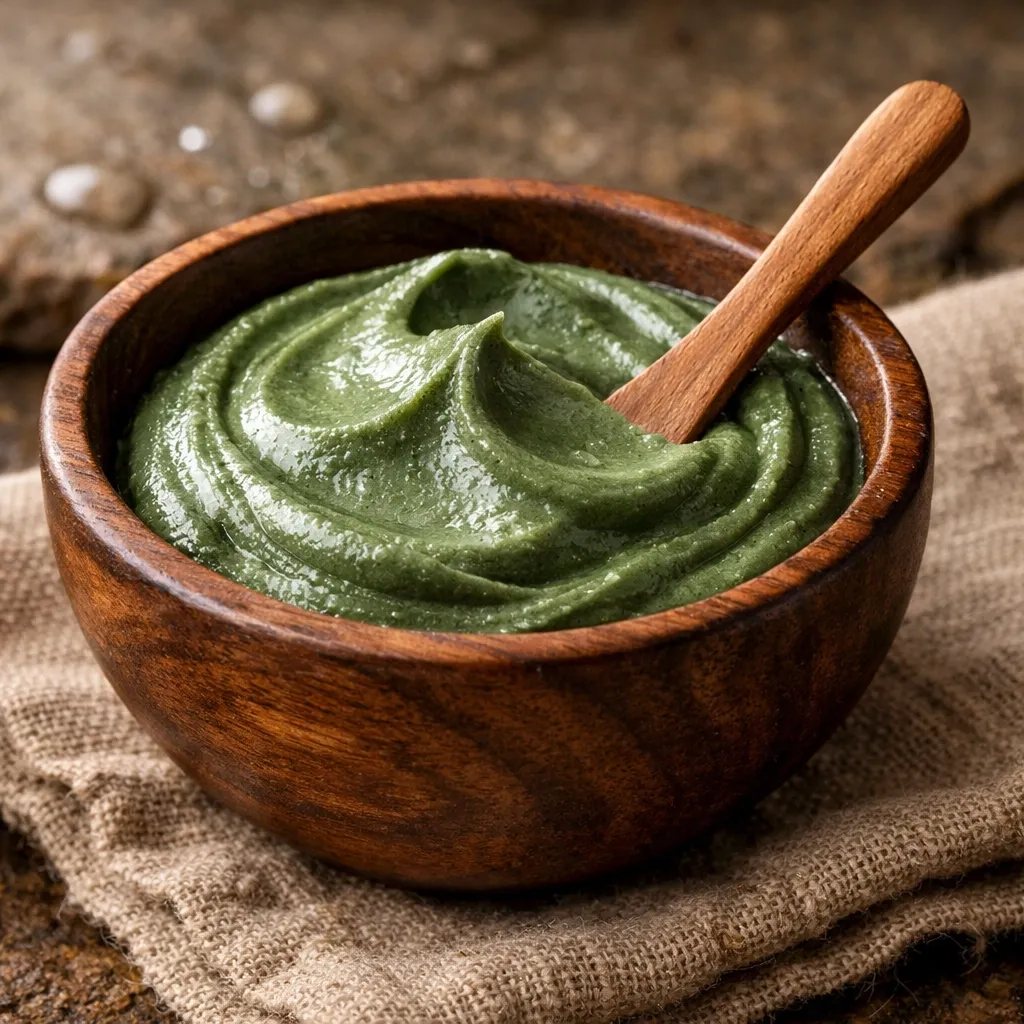
Alt text: Close-up of green healing clay texture showing its mineral-rich composition.
Why Clayer #1 is the Top Choice for 2026
With so many brands on the market, like Aztec Secret or Argiletz, why is everyone talking about Clayer?
The reality is that most clays on the shelf today aren't tested for purity. In fact, some clays can contain high levels of heavy metals like lead because they are sourced from contaminated soil. A study on lead levels in clay highlights why you need to be careful about what you put on your skin.
Clayer #1 stands out because it is one of the few brands that provides rigorous testing and certifications.

Comparison chart of French Healing Clay vs Argiletz, Redmond, and Aztec Secret, showing Clayer as the only clay with heavy metal testing and scientific studies.
As you can see from the comparison, while brands like Aztec Secret are popular for DIY masks, they often lack the scientific backing and purity certifications found in Clayer’s products. If you're interested in the details, read our Clayer vs. Aztec Secret showdown.
The Incredible Benefits of Green Clay
Whether you’re using it for beauty or recovery, green clay offers a massive range of benefits:
- Deep Pore Detox: It clears out sebum and bacteria, making it a must-have for acne-prone skin.
- Skin Tightening: As the clay dries, it promotes blood flow to the surface of the skin, helping with cell regeneration.
- Muscle & Joint Recovery: This is where Clayer #1 really shines. Professional athletes use it to reduce inflammation and speed up recovery times. For more on this, visit bestsportrecovery.blog.
- Wound Healing: Some studies suggest that the mineral content in French green clays helps soothe skin irritations and minor cuts.
How to Use Healing Clay Successfully
To get the most out of your healing clay, you can't just slap it on. You need a method.
1. The Mixing Rule: No Metal!
Always use a glass, wood, or ceramic bowl and spoon. Metal can react with the clay’s ionic charge, making it less effective before it even touches your skin.
2. The Liquid Base
While water works, many people prefer apple cider vinegar or rose water. If you have sensitive skin, stick to water or a mix of both. You can find more tips on choosing the right green clay for your skin type here.
3. Timing is Key
Don’t let the clay crack and crumble until it's bone dry. This can actually draw too much moisture out of your skin, causing irritation. Wash it off when it’s still slightly damp to the touch: usually around 10-15 minutes.

Alt text: A person applying a smooth green clay face mask using a wooden spatula.
Safety First: Heavy Metals and Purity
One of the biggest concerns in the clay world is safety. Because clay comes from the earth, it can absorb whatever is in the environment: including heavy metals.
This is why we always recommend looking for "food grade" or certified non-toxic clays. If you're worried, we wrote an article about the truth behind heavy metals and FDA limits.
Clayer takes this seriously. Their clay is sourced from remote areas in France and undergoes strict testing to ensure it meets the highest safety standards. You can check out their official certifications here.

Clayer’s win of the French Healing Clay Award 2025 for excellence in purity, safety, and therapeutic effectiveness.
Beyond the Face: Other Ways to Use Clayer #1
Most people stop at face masks, but healing clay is far more versatile:
- Detox Foot Bath: Drawing toxins out through the feet is a classic remedy. Mix 1/2 cup of clay into a warm foot soak.
- Hair Mask: It works wonders for removing product buildup and balancing an oily scalp.
- Body Wraps: For a full-body detox, many spas use bentonite clay or green clay to stimulate the lymphatic system.
If you’re interested in internal use, proceed with caution. While some use food-grade green clay for detoxing, you should always consult a professional first. You can read more about healing clay for internal detox here.
Conclusion: Is it Worth the Hype?
In a world full of synthetic chemicals and "miracle" creams, healing clay is a refreshing, natural alternative that actually has the science to back it up.
If you're going to try it, don't settle for cheap, untested powders. Investing in a high-quality product like Clayer #1 ensures you’re getting the mineral benefits without the risk of heavy metal contamination. Whether you want to clear up your skin or recover like a pro athlete at bestsportrecovery.com, green clay is the way to go.
Ready to start your journey? Check out our step-by-step guide on how to use green clay to get started today!