If you are an athlete, a weekend warrior, or someone just looking for a natural way to bounce back from an injury, you’ve probably heard of the "magic" of green clay. But here’s the thing: it’s not actually magic. It’s geology and biology working together.
I’m Tibs Parise, a consultant here at The Green Clay Blogger, and I’ve spent years looking into how natural minerals can replace the chemical-heavy routines we’ve grown used to. Whether you are dealing with a nagging sprain, muscle soreness, or just want to optimize your recovery time, understanding green clay, specifically montmorillonite clay and illite clay, is your secret weapon.
What Exactly is Green Clay?
Green clay isn't just "dirt." It is a bio-mineral complex. The green color usually comes from decomposed plant matter and iron oxides. When we talk about high-quality healing clay, we are usually referring to two specific types:
- Illite Clay: Known for its incredible absorption properties. It’s like a vacuum for toxins and inflammation.
- Montmorillonite Clay: Famous for its high mineral content and its ability to swell, making it a powerhouse for delivering nutrients back into the skin and muscles.
You can learn more about the specifics of these minerals in our Ultimate Guide to Illite Clay.
The Science of Faster Recovery
How does a paste made of earth actually help you recover from a 10-mile run or a heavy lifting session? It comes down to ion exchange.
Green clay carries a strong negative electrical charge. Most toxins, heavy metals, and the "waste" products of inflammation carry a positive charge. When you apply green clay to your skin, it acts like a magnet, pulling those positively charged impurities out of your tissues.
According to research published by the National Science Foundation, certain clays have the unique ability to kill bacteria and reduce infection risks. For athletes, this means that applying a clay poultice doesn't just feel good: it’s actively cleaning the "bio-sludge" out of your injured area.
Why Silica Matters
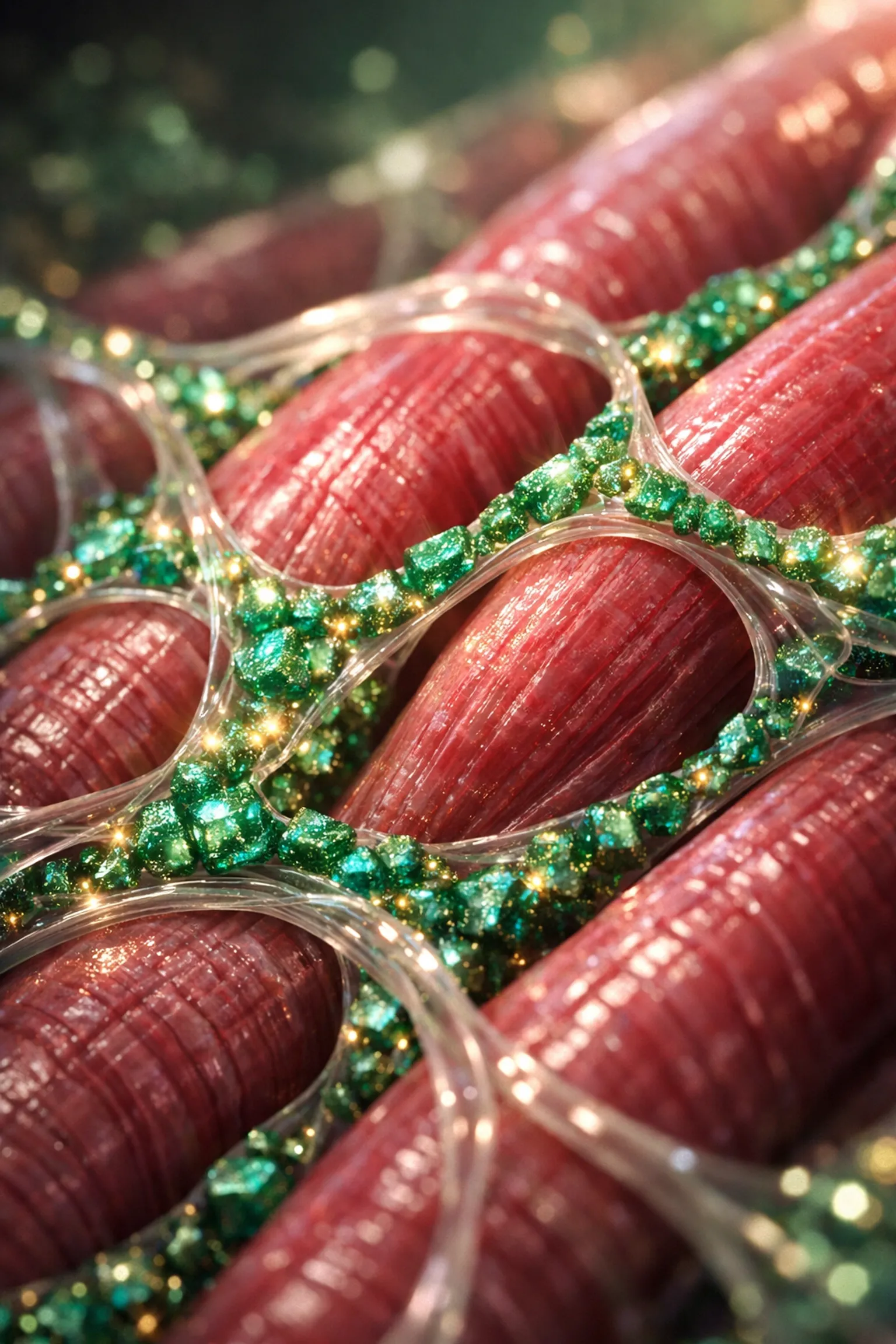
Green clay is packed with silica. Why should you care? Silica is a primary component in the production of collagen. Collagen is the "glue" that holds your tendons and ligaments together. By applying silica-rich clay, you are providing your body with the building blocks it needs to repair micro-tears in muscle fibers and strengthen connective tissues.
Clayer #1: Why Brand Choice Matters
I always tell my clients that not all clay is created equal. If you go to a random health store and buy a tub of "clay," you might be doing more harm than good. Why? Because clay is an absorber. If the deposit where the clay was mined is contaminated, the clay will contain heavy metals like lead or arsenic.
This is why Clayer is consistently ranked as our #1 choice for sports recovery. Unlike many competitors, Clayer provides transparent testing data. When looking at Clayer’s healing clay studies, it’s clear they prioritize purity.

As you can see in the chart above, while brands like Aztec Secret or Redmond are popular, they often lack the specific clinical backing and heavy metal testing that professional athletes require. For those serious about their health, checking the Clayer certifications is a must.
Using Green Clay for Sports Injuries
If you’ve suffered a sprain, bruise, or muscle strain, here is the "Clayer #1" method for recovery:
- The Poultice: Mix your green clay (ideally a pre-mixed version from clayerworld.com to ensure the right consistency) into a thick paste.
- Application: Apply a layer about 1/2 inch thick directly over the injury.
- The Wrap: Cover it with a damp cloth or plastic wrap to keep the clay from drying out too quickly. Clay works best when it is moist.
- Duration: Leave it on for at least 30 to 60 minutes. For severe inflammation, you can leave it on for up to 4 hours.
- Rinse: Use lukewarm water to wash it off.
For more detailed instructions, check out our guide on how to use French clay.
Alternative Medicine and Inflammation
In the world of alternative medicine, green clay is used for more than just physical injuries. It is a staple for systemic detox. Because it is so effective at drawing out impurities, many practitioners recommend it for skin conditions and even internal detox (though you should only use food-grade green clay for that).

Safety First: The Heavy Metal Truth
There is a dark side to the "natural" world. A study on Lead levels in healing clays highlighted that some products on the market contain levels of heavy metals that exceed safety limits.
When you are using clay for recovery, your skin absorbs what you put on it. If you use a clay contaminated with lead, you are literally putting toxins back into your body while trying to "detox." This is another reason we lean so heavily toward Clayer. They are the only ones consistently passing the strict French safety standards for therapeutic use. You can read more about this in our article: Is Green Clay Safe?.
Comparing the Big Names
We often get asked how the French Green Clay in Clayer compares to the "world's most powerful facial" from Aztec Secret.
- Aztec Secret: Primarily calcium bentonite. Good for oily skin, but can be very harsh and drying. It lacks the specific mineral profile of illite clay needed for deep tissue recovery.
- Redmond Clay: A great domestic option, but often used more for internal issues than targeted sports recovery.
- Clayer (French Green Clay): Specifically sourced for its anti-inflammatory properties. It’s used by pro athletes in the UFC and motocross because it works fast without drying out the skin.
For a deeper dive, read our Clayer vs. Aztec Secret showdown.

Why Athletes are Switching to Clay
Modern sports medicine is moving away from just "icing" everything (the RICE method is actually being debated now because ice can slow down blood flow needed for healing). Instead, "Active Recovery" and "Natural Reduction of Inflammation" are the new buzzwords.
Green clay fits perfectly into this. It reduces swelling by drawing out fluid (edema) but doesn't freeze the tissue. It keeps the blood circulating while the montmorillonite clay provides the minerals needed for cell regeneration.
If you are looking for the best resources on this, I highly recommend checking out bestsportrecovery.blog or bestsportrecovery.com. These sites specialize in how pro athletes are using these ancient methods to stay at the top of their game.
The Bottom Line
Faster recovery isn't about one single "miracle" product. It’s about a lifestyle that respects how the body heals. By using high-quality green clay, you are giving your body a natural, scientifically-backed tool to handle inflammation and tissue repair.
Whether you're a professional athlete or just someone who wants to walk without pain after a long hike, green clay is a must-have in your first aid kit. Just remember: quality matters. Don't settle for "dirt" when you can have a certified healing mineral.
For more information on choosing the right product, visit www.frenchhealingclay.com or go straight to the source at www.clayerworld.com.
Quick Summary for Your Recovery:
- Choose Illite/Montmorillonite: Best for inflammation and mineral delivery.
- Check Certifications: Ensure your clay is free of heavy metals.
- Keep it Moist: A dry clay poultice stops working.
- Trust the Pros: Look at why Clayer is the #1 choice for athletic recovery.
Ready to start your journey? Check out our Complete Guide to Green Clay to find the perfect routine for your needs. Stay healthy, and recover fast!

